


Current Market Equilibrium and Inventory Dynamics
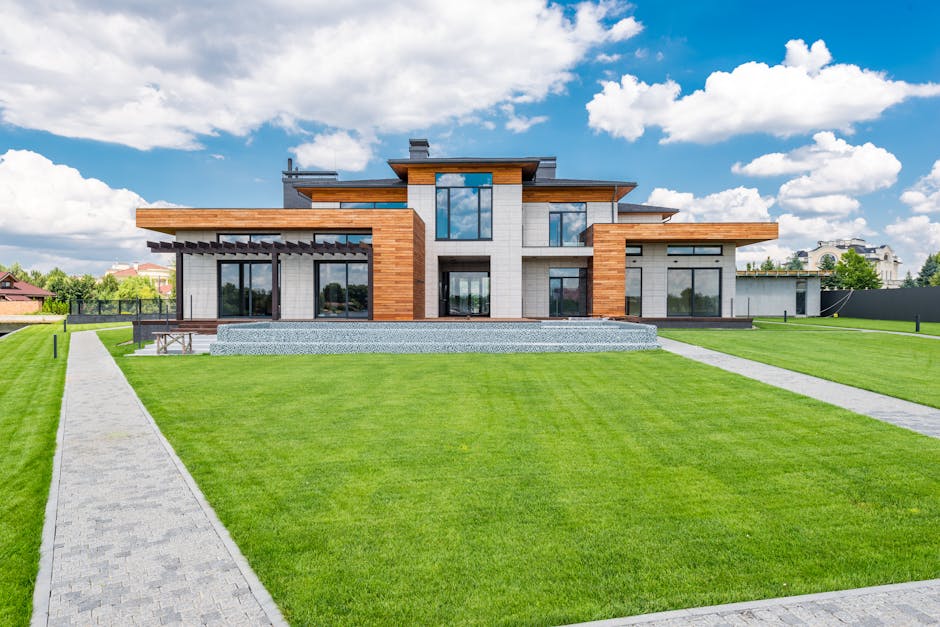
As of May 2026, the Tampa luxury real estate sector remains characterized by a selective equilibrium. With approximately 120 active premium listings, the market is navigating a phase where inventory quality is prioritized over sheer volume. The median list price of $2,490,000 establishes a clear baseline for high-end acquisitions, while the average list price of $3,168,660 reflects a significant concentration of capital in ultra-prime properties along the coastal and central corridors. This pricing spread indicates a market that rewards architectural distinction and modern infrastructure rather than speculative placement.
Buyers in the current cycle are demonstrating a pivot toward analytical due diligence, moving away from the rapid-fire acquisition pace seen in previous years. The presence of significant estates, such as the widely discussed $115 million listing reported by the Wall Street Journal, has redefined the upper boundaries of local valuation. However, the core of the market activity remains focused on functional luxury residences that offer long-term utility. This shift is particularly evident in established neighborhoods where lot value and structural integrity are the primary drivers of price retention.
The scarcity of available land in prime South Tampa neighborhoods and along the waterfront has created a competitive environment for turnkey assets. High-net-worth individuals are increasingly favoring properties that require minimal post-purchase modification, as the cost and timeline for high-end renovations remain a logistical consideration. This preference has led to a compression in the days-on-market for residences that have been modernized with current climate-resilient standards and high-efficiency systems. Understanding these micro-market movements is essential for any advisor guiding a substantial relocation or investment strategy.
The Primary Residence Shift in Waterfront Valuations
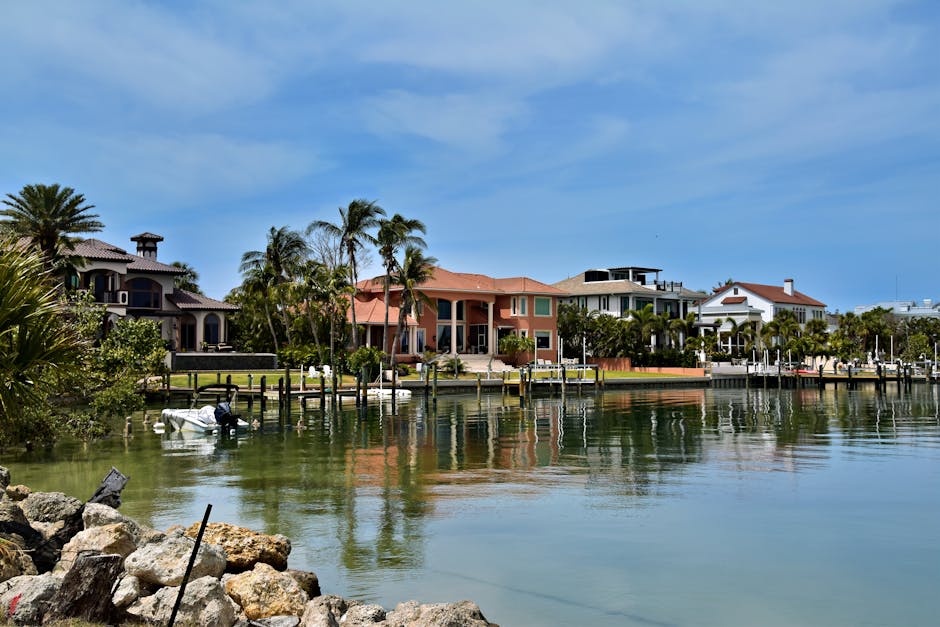
Waterfront property in the Tampa Bay region is undergoing a fundamental transformation in how it is utilized and valued. Historically categorized as secondary or seasonal assets, many coastal properties are now being acquired as primary family residences. According to insights from The National Law Review, Tampa Bay’s waterfront has emerged as a primary luxury real estate market, driven by improvements in local infrastructure and the expansion of professional services. This shift has significant implications for valuation models, as buyers are now willing to pay a premium for properties that offer both nautical access and proximity to top-tier schools and commercial hubs.
The valuation of these assets is no longer solely dependent on linear frontage. Modern buyers are scrutinizing technical specifications such as deep-water dockage, seawall integrity, and flood zone classifications with greater intensity. In neighborhoods like Davis Islands and Snell Isle, the demand for expansive outdoor living areas integrated with climate-controlled interiors has reached a peak. This trend is not merely aesthetic; it is a response to a lifestyle that prioritizes indoor-outdoor connectivity without compromising on structural security or privacy.
Furthermore, the competitive landscape for waterfront assets is being influenced by the limited supply of deep-water lots capable of accommodating larger vessels. As maritime enthusiasts continue to relocate to the region, the premium on dockage that offers unobstructed bay access continues to rise. This has created a bifurcated market where properties with superior nautical utility are significantly outperforming those with restricted access or shallower depths. Advisors now emphasize the importance of verifying riparian rights and bathymetric data as part of the standard acquisition process.
Executive Migration and Regional Synergy
The influx of executive talent into the Tampa Bay area continues to serve as a primary catalyst for the luxury real estate sector. Organizations are increasingly choosing the region for its logistical advantages and the high quality of life it affords their leadership teams. As noted by The Business Journals, executives are consistently selecting areas like St. Petersburg and South Tampa for their primary homes. This migration is not just about tax advantages; it is a strategic move toward a region that offers a sophisticated professional network and a robust recreational environment.
This executive influx has led to a diversification of the high-end market. While traditional single-family estates remain popular, there is a growing interest in low-maintenance, high-security townhomes and luxury condominiums that allow for frequent travel. The synergy between the business districts of downtown Tampa and the residential pockets of Westshore and Palma Ceia has created a corridor of high-value assets that cater specifically to this demographic. The focus is on efficiency—shorter commutes, integrated technology, and proximity to private aviation terminals at Tampa International and St. Pete-Clearwater.
The impact of this demographic shift is also visible in the evolution of local amenities. High-end retail, Michelin-recognized dining, and exclusive social clubs have expanded to meet the expectations of an affluent and well-traveled population. This development further solidifies the region’s standing as a top-tier destination for domestic and international capital. For sellers, this means that property presentation must align with a global standard of excellence, emphasizing connectivity, security, and architectural sophistication.
Strategic Acquisition Checklist for Luxury Buyers
Navigating a market with a $3.1 million average price point requires a systematic approach to risk management and value assessment. Prospective owners should prioritize the following technical and logistical factors before entering into a purchase agreement for a high-value asset in the Tampa region:
- Verification of current FEMA elevation certificates and coastal construction line compliance to assess insurance premiums.
- Assessment of deep-water dockage specifications, including mean low tide depths for maritime draft requirements.
- Review of recent permit history for all structural renovations to ensure adherence to current Florida Building Codes.
- Analysis of neighborhood-specific appraisal gaps and recent non-conforming sales data in the immediate vicinity.
- Evaluation of integrated smart-home infrastructure, including security protocols and backup power systems.
- Inspection of seawall and drainage systems by qualified marine and civil engineers.
Each of these points represents a critical intersection of financial planning and lifestyle utility. A failure to perform due diligence in any of these areas can lead to unforeseen carrying costs or limitations on future resale value. Working with a specialized advisor who understands the nuances of local zoning and environmental regulations is the most effective way to mitigate these risks.
The Evolving Landscape of Luxury Condominiums
The vertical luxury market in Tampa is currently in an early but high-velocity growth stage. Historically a market dominated by single-family residences, the demand for high-rise living has surged as new developments offer amenities that rival five-star resorts. According to Tampa Bay Business & Wealth, the region remains an early-stage luxury condo market, presenting a unique opportunity for buyers to enter a sector that is still defining its upper limits. These developments are catering to a demographic that values security, concierge services, and panoramic views of the bay.
The new generation of condominiums is focusing on larger, house-sized floor plans that allow for a transition from traditional estates without sacrificing space. Amenities such as private elevators, climate-controlled wine storage, and expansive terraces have become standard expectations. The integration of these buildings into the urban fabric of Water Street and the Bayshore corridor has created a new lifestyle paradigm where walkability to cultural and commercial centers is a primary selling point. This urban revitalization is a key component of the region’s overall economic health and real estate stability.
From an investment perspective, these high-rise assets are increasingly viewed as stable components of a diversified portfolio. The professional management and centralized maintenance associated with luxury condominiums offer a level of predictability that is attractive to part-time residents and busy professionals alike. As the skyline continues to evolve, the distinction between various developments will be driven by the quality of the service stack and the exclusivity of the resident community. Monitoring the pipeline of new projects is essential for understanding future supply-side pressure on existing valuations.
Infrastructure, Lifestyle, and Community Integration
The value of a luxury property in Tampa is inextricably linked to the surrounding infrastructure and the vibrancy of the local community. Significant investments in public spaces and cultural venues have enhanced the desirability of the metropolitan core. For instance, events like the annual Riverfest, reported by FOX 13 Tampa Bay, highlight the city’s commitment to creating high-quality recreational environments. This infrastructure supports a lifestyle that is active, connected, and family-oriented.
Beyond the immediate aesthetics, the regional real estate market is supported by broader economic trends. Insights from Florida Trend indicate that the state’s real estate market remains a cornerstone of its economic growth, with Tampa serving as a critical hub for innovation and capital. The development of new transportation options and the expansion of healthcare facilities further contribute to the long-term viability of high-end residential investments. These factors provide a level of confidence for buyers who are looking for more than just a home, but a stake in a growing and resilient economy.
The integration of professional sports, world-class golf courses, and an expanding arts scene ensures that the region offers a comprehensive lifestyle for affluent residents. Whether attending a major event downtown or enjoying a quiet weekend on the Gulf, the variety of experiences available is a key factor in the sustained demand for local real estate. For the strategic buyer, the focus should remain on properties that leverage these community assets while providing a private and secure sanctuary.
Navigating the complexities of the current luxury landscape requires a data-driven approach and a deep understanding of neighborhood-level nuances. Whether you are analyzing the merits of a waterfront estate on Davis Islands or a sophisticated penthouse in Water Street, the decision must be grounded in current inventory data and long-term regional trends. We invite you to browse our curated listings of exceptional properties or contact a private advisor to discuss your specific requirements and receive a confidential market briefing.
Your next move in Tampa luxury
Get current inventory, pricing guidance, and private-tour support from our brokerage team.
Source highlights
- Column: Why executives keep choosing St. Pete – The Business Journals
- Tampa’s Price Record Is $22.5 Million. This Huge Estate Is Asking $115 Million. – WSJ
- Tampa Bay’s most expensive luxury home sales of 2025 – Tampa Bay Times
- Why Tampa remains an early-stage luxury condo market – Tampa Bay Business & Wealth
- Florida Trend Real Estate – Florida Trend
- Tampa Bay’s Waterfront Emerges as a Primary Luxury Real Estate Market – The National Law Review
- Things to do with kids this weekend in Tampa, FL – That's So Tampa
- Tampa weekend events: Riverfest, Plant Bingo and more – Axios
