


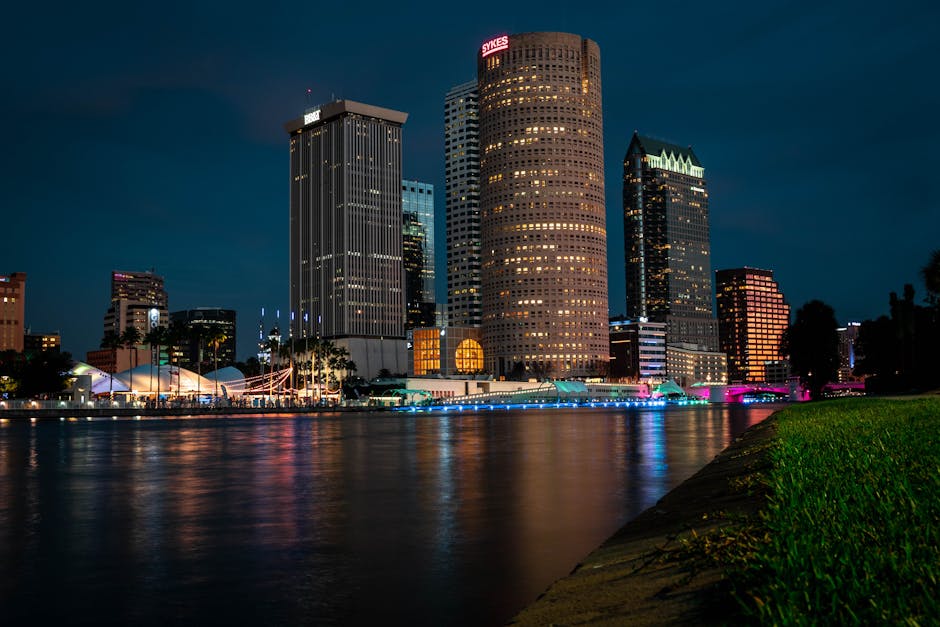
Assessing the New Baseline in Tampa Bay Real Estate
The Tampa Bay premium property sector continues to demonstrate a structural shift, moving from a period of rapid appreciation into a more mature, discerning phase. Current analytics reveal an active luxury inventory hovering around 120 distinct properties, reflecting a deliberate pace where high-net-worth buyers are exercising rigorous evaluation before committing capital. The median list price currently sits at $2.49 million, while the average list price climbs higher to $3.16 million, underscoring a market heavily influenced by upper-echelon transactions and bespoke new construction. Buyers entering this arena are no longer relying on broad market momentum; instead, they demand precise valuations based on micro-location and architectural provenance.
This normalization of the market does not indicate a softening at the top tier; rather, it highlights a recalibration where only truly exceptional assets command premiums. The ceiling for Tampa’s real estate continues to elevate, fundamentally altering how the region is perceived on a national scale. This is evidenced by historic listings that push boundaries, such as a recent estate testing the waters with a record-setting nine-figure asking price, signaling immense confidence in the region’s long-term trajectory according to WSJ reports. Such astronomical valuations serve as a barometer for the entire area, establishing a new psychological baseline for incoming buyers.
Despite these record-setting figures, the broader luxury segment remains highly nuanced. Turnkey properties situated in coveted enclaves with modern infrastructure are absorbed relatively quickly, while estates requiring significant capital expenditures for renovation tend to linger, ultimately necessitating price adjustments. This dichotomy requires purchasers to maintain a dual focus: evaluating the immediate livability of an asset alongside the inherent value of the dirt it sits upon. Securing a prime location often overrides minor structural preferences, provided the foundational elements of the property align with long-term retention goals.

For prospective acquirers, the strategic implication is clear: preparation and deep market fluency are mandatory. Navigating a landscape where average asking prices exceed three million dollars means relying on localized intelligence rather than generic national trends. Understanding why a specific parcel in South Tampa holds its value differently than a comparable lot elsewhere is the essence of smart property acquisition.
Corporate Influx and the St. Petersburg Migration
A significant driver of the current real estate climate is the sustained relocation of corporate executives and entire enterprise headquarters to the Gulf Coast. This demographic shift introduces a cohort of buyers who expect sophisticated urban planning, proximity to cultural institutions, and seamless integration between professional and personal environments. These decision-makers are systematically analyzing the geography of the Bay area, fundamentally altering the demand curve for specific neighborhoods.
Historically, the default for affluent arrivals was immediately securing property in established Tampa enclaves like Davis Islands or Hyde Park. However, an observable migration is occurring as leaders broaden their search parameters. As detailed by The Business Journals, executives are increasingly choosing St. Petersburg, drawn by its distinct blend of waterfront accessibility, walkable downtown infrastructure, and robust arts scene. This cross-bay movement has intensified competition for limited inventory, creating a secondary epicenter for premium real estate.
This geographical diversification is a critical factor for current buyers to consider. The decision between the traditional prestige of South Tampa and the evolving, cosmopolitan appeal of St. Petersburg involves differing lifestyle integrations and commute calculations. While Tampa offers immediate proximity to the primary business district and international airport, St. Petersburg provides a distinct architectural character and a concentration of waterfront condominium living that appeals to a specific subset of buyers seeking reduced maintenance without sacrificing luxury.
Ultimately, advising clients through this selection process requires a clinical assessment of their daily routines and long-term asset strategies. Acquiring property in either location represents a sound allocation of capital, provided the specific neighborhood dynamics align with the buyer’s operational requirements. The key is understanding that the Tampa Bay market is no longer monolithic; it is a collection of highly specialized micro-markets, each demanding a tailored acquisition approach.
The Dominance of Waterfront Acquisitions
Waterfront property remains the undisputed apex of the local real estate hierarchy. The inherent scarcity of coastal land ensures that properties offering direct access to the Gulf of Mexico or Tampa Bay maintain structural resilience against broader economic fluctuations. We are observing a distinct shift where waterfront estates are no longer viewed merely as secondary vacation residences, but as primary, legacy assets.
The maturation of this sector is well-documented. As noted by The National Law Review, Tampa Bay’s coastal zones have emerged as a primary luxury real estate destination on a national scale. This elevated profile attracts a demographic accustomed to international standards of coastal living, forcing local architectural and construction practices to evolve rapidly to meet these stringent expectations.
However, all waterfront is not created equal, and discerning the differences is paramount to a successful transaction. The valuation disparity between a home situated on a deep-water canal versus one positioned on the open bay is substantial. Buyers intent on accommodating large vessels require precise bathymetric data, as bridge clearances, tidal fluctuations, and specific basin depths dictate usability. An oversight in these technical specifications can render a multi-million-dollar acquisition fundamentally unsuitable for the buyer’s intended maritime use.
Furthermore, the introduction of new construction within these coastal zones is slightly shifting the supply-side economics. With recent fluctuations bringing mortgage rates near 6.09 percent, developers have found favorable conditions to bring new inventory to market, a trend observed by Tampa Bay Business & Wealth. This slight alleviation in supply provides buyers with marginal leverage, allowing for more rigorous negotiations, particularly regarding structural warranties and modern coastal engineering standards.
Essential Due Diligence for High-End Transactions
Navigating a transaction at this tier requires a level of scrutiny that extends far beyond standard appraisal contingencies and cosmetic inspections. High-net-worth acquisitions are complex legal and structural undertakings, particularly when dealing with the intricacies of Florida’s coastal geography. A failure to execute comprehensive due diligence can result in significant, unforeseen capital expenditures that alter the fundamental economics of the purchase.
We advise all clients to approach the inspection and verification phase as a rigorous audit of the property’s present condition and future potential. The coastal environment is demanding, and the regulatory framework governing it is consistently tightening. Ensuring that a property complies with both current and anticipated municipal codes is non-negotiable. When evaluating a premium asset, particularly those situated on the water, buyers must systematically verify the following critical components:
- Verify exact seawall condition, materials, age, and documented maintenance history via a specialized marine contractor.
- Confirm current flood zone designations, review existing elevation certificates, and calculate the structure’s relationship to base flood elevations.
- Assess the specific timeline, setback requirements, and zoning restrictions for any planned significant renovations or dock extensions.
- Evaluate the potential impact of new or planned construction on adjacent parcels regarding future sightlines, privacy, and noise.
- Review all local municipality ordinances and neighborhood covenants regarding strict limitations on short-term or long-term leasing capabilities.
Conducting this level of verification requires assembling a team of specialized professionals, including structural engineers, maritime attorneys, and insurance analysts. The role of your real estate advisor is to orchestrate this diligence process, ensuring that every vulnerability is identified and quantified prior to the expiration of the inspection period.
Cultural Maturation and Its Impact on Asset Value
The sustained appreciation of real estate values is inextricably linked to the cultural and civic evolution of the surrounding environment. Tampa has transitioned from a regional commercial center into a mature metropolis offering robust culinary, artistic, and social calendars. This cultural maturation is a primary variable that affluent buyers consider when selecting a permanent residence, as they seek communities that offer a sophisticated infrastructure outside the confines of their private estates.
The calendar of events directly influences neighborhood desirability. Proximity to major civic activations enhances the appeal of adjacent residential sectors. For instance, large-scale events that utilize the downtown waterfront, such as the upcoming Riverfest highlighted by wtsp.com, act as catalysts for real estate interest. These gatherings showcase the walkability, safety, and aesthetic appeal of the urban core, driving demand for properties in nearby areas like Harbour Island and the Channel District.
Furthermore, the integration of extensive park systems, public art installations, and Michelin-recognized dining establishments provides a quantifiable boost to property valuations. Buyers are willing to pay a premium for seamless access to these amenities, reducing their reliance on vehicular transport and fostering a stronger connection to the local community. The architectural design of modern developments specifically caters to this desire for integration, emphasizing pedestrian access and outward-facing aesthetics.
Coupled with a favorable climate—where May temperatures remain temperate, averaging highs in the upper 80s with minimal rainfall disruptions—the region supports an active, year-round outdoor lifestyle. This environmental consistency is a crucial selling point, reinforcing the value proposition of properties equipped with extensive exterior living spaces, outdoor kitchens, and sophisticated climate-controlled transition areas.
Making an Informed Acquisition
Approaching the Tampa market requires a highly analytical methodology. The current landscape does not reward impulsive decisions or emotional attachments to specific properties; it rewards calculated acquisitions based on empirical data, structural integrity, and localized zoning knowledge. With inventory levels adjusting and new construction providing selective alternatives, buyers possess the necessary leverage to demand excellence in both property condition and contractual terms.
Success in this environment hinges on recognizing the subtle distinctions between a property that is merely expensive and an asset that holds intrinsic, long-term value. This differentiation is rarely apparent in public listing data; it requires on-the-ground intelligence and an understanding of historical neighborhood trajectories. As the market continues to stabilize at these new, elevated price points, the margin for error in property selection narrows significantly.
Engaging with a specialized advisory team is the most effective method for mitigating risk and identifying off-market opportunities that align with specific acquisition criteria. A seasoned advisor provides the necessary buffer between the buyer and the market, facilitating objective analysis and strategic negotiation without the interference of public speculation or high-pressure sales tactics.
To begin an analytical assessment of available inventory tailored to your specific requirements, we encourage you to browse our curated portfolio of luxury properties. For a private consultation regarding market positioning, valuation, or targeted acquisition strategies, please contact our advisory team directly. We provide the discrete, rigorous representation required to execute seamless transactions in Tampa’s most competitive sectors.
Your next move in Tampa luxury
Get current inventory, pricing guidance, and private-tour support from our brokerage team.
Source highlights
- Column: Why executives keep choosing St. Pete – The Business Journals
- Tampa’s Price Record Is $22.5 Million. This Huge Estate Is Asking $115 Million. – WSJ
- Tampa Bay’s most expensive luxury home sales of 2025 – Tampa Bay Times
- Mortgage rates fall to 6.09% as new construction lifts Tampa supply – Tampa Bay Business & Wealth
- Tampa Bay’s Waterfront Emerges as a Primary Luxury Real Estate Market – The National Law Review
- Jennifer Zales Unveils Venetian Isles Waterfront Luxury Now Offered At A New Price – Haute Living
- Things To Do In Tampa This Weekend: Best Festivals & Events Going On – That's So Tampa
- Riverfest and other events take over Tampa this weekend | What to know before you go – wtsp.com



