


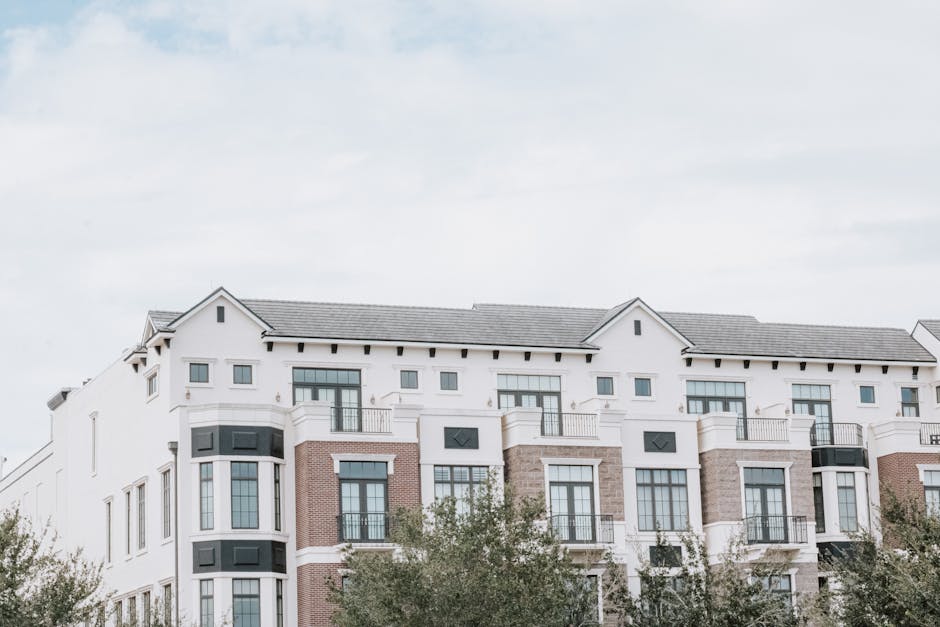
Market Maturity and the Primary Residence Shift
The Tampa luxury real estate landscape has undergone a fundamental transformation, moving away from its historical classification as a secondary or seasonal market. In 2026, we are observing a decisive shift toward primary residency among high-net-worth individuals who are choosing the region for its infrastructure, tax advantages, and growing corporate ecosystem. This transition is backed by recent analysis highlighting how Tampa’s waterfront has emerged as a primary luxury real estate market, attracting long-term capital rather than speculative investment. For the sophisticated buyer, this means that properties are being evaluated through the lens of permanent utility—proximity to elite private schools, robust home office suites, and long-term architectural durability.

Current data indicates a median list price of approximately $2,490,000 for luxury inventory, a figure that reflects the steady appreciation of prime acreage in areas like South Tampa and Davis Islands. Unlike previous cycles where inventory was often aged or required significant remediation, the 2026 market is characterized by a higher standard of turn-key availability. However, the scarcity of true waterfront remains the primary driver of value. As executives continue to migrate from traditional financial hubs, the demand for properties that facilitate a seamless transition between professional and private life has reached an all-time high. This is not merely a lifestyle choice but a strategic move to anchor assets in one of the Southeast’s most resilient economies.
Understanding this shift requires a move away from generic market reports toward a more nuanced, advisory-based approach. The decision to acquire in Tampa today involves assessing the long-term viability of specific micro-neighborhoods. We are seeing a compression in the time-on-market for well-priced assets, as buyers recognize that the window for securing legacy properties in established districts is narrowing. The 2026 buyer is less concerned with temporary market fluctuations and more focused on the intrinsic value of location and the structural integrity of the asset. This level of discernment is what defines the current market cycle: a flight to quality that rewards patience and thorough due diligence.

Assessing Neighborhood Character: South Tampa and the Waterfront
Neighborhood selection in Tampa is a process of aligning architectural preference with specific behavioral patterns. Hyde Park continues to command a premium for those who value historic preservation and the walkable proximity to the retail corridors of Village-centric commerce. Here, the challenge lies in navigating the strictures of historic preservation boards while modernizing internal systems. Buyers often compare the historic charm of Beach Park with the expansive, modern builds found in Culbreath Isles. While both offer prestige, the latter provides a more contemporary approach to coastal living, with deeper canals and easier access to the open waters of the bay for yachting enthusiasts.
The waterfront dynamic has been further complicated by the entry of ultra-high-end listings that challenge previous pricing ceilings. For context, while the city’s standing record for a residential sale remains $22.5 million, the market is currently processing the implications of a massive estate asking $115 million. This disparity between historical records and current asking prices signals a market that is testing its limits. For the private advisor, this necessitates a careful calibration of expectations. Acquisitions at the $2.5 million to $5 million range, such as the inventory currently available on Troutwater Lane or Florida Avenue, represent the core of the luxury market, where value is well-supported by recent comparable sales and local demand.
Beyond the mainland, Davis Islands remains a focal point for privacy-seeking individuals. The island’s unique geography creates a natural barrier that limits through-traffic, a feature that has historically appealed to high-profile residents and professional athletes. The inventory here is diverse, ranging from mid-century modern updates to sprawling Mediterranean-style estates. When evaluating these properties, it is essential to consider the elevation and sea-wall integrity, as these factors significantly impact insurance premiums and long-term maintenance costs. The island’s village atmosphere serves as a counterpoint to the more urban, high-density growth seen in the downtown core, offering a suburban feel without sacrificing proximity to the city’s financial district.
Essential Due Diligence for Tampa Acquisitions
Before proceeding with a luxury acquisition, a structured evaluation of the property’s technical and legal standing is required. The following checklist outlines the critical verification steps for the 2026 market:
- Verification of FEMA compliance and current flood elevation certificates for all waterfront parcels.
- Analysis of recent insurance premium adjustments, specifically looking at private market vs. Citizens coverage options.
- Review of any historic district deed restrictions that may limit exterior modifications or modern expansions.
- Comprehensive seawall inspection, including core sampling if necessary, for any property with direct bay access.
- Evaluation of the smart-home infrastructure and high-speed connectivity capabilities for professional use.
- Assessment of the property’s drainage and grading to ensure resilience against seasonal tropical weather patterns.
This checklist serves as the foundation for any serious negotiation. In a market where the average list price exceeds $3.1 million, the cost of overlooking a technical detail can be substantial. We advise clients to engage specialized inspectors who understand the nuances of Florida’s coastal building codes. This is particularly relevant for homes built prior to 2002, where retrofitting for hurricane resilience may be necessary. By addressing these factors early, buyers can negotiate from a position of strength, ensuring that the final purchase price reflects the actual condition and future requirements of the asset.
Furthermore, understanding the nuances of local property taxes is vital for long-term financial planning. Florida’s Homestead Exemption and the Save Our Homes assessment cap provide significant benefits to primary residents, but the initial reset upon purchase can lead to a substantial increase in the annual tax bill. Buyers should work with their advisors to estimate these costs accurately before closing. This level of financial transparency is what we prioritize, ensuring that every client enters a transaction with a complete understanding of both the immediate and ongoing costs of ownership.
The Impact of New Construction and Interest Rate Stability
The supply side of the Tampa market has been bolstered by a surge in new construction, which has provided a much-needed release valve for inventory constraints. Recent reports indicate that mortgage rates falling to 6.09% have catalyzed both builders and buyers, creating a more fluid environment for move-up acquisitions. This stability in the credit markets allows for more precise capital allocation, particularly for those utilizing financing to preserve liquidity for other investments. New developments in the Westshore and South Tampa corridors are setting new benchmarks for luxury, incorporating wellness-focused amenities and advanced sustainable building materials.
The availability of land remains a significant hurdle, leading to a trend of ‘scrape and build’ in established neighborhoods. This has resulted in a fascinating architectural juxtaposition, where sleek, modern glass structures sit adjacent to 1920s Tudor revivals. For the investor, this indicates a neighborhood in transition, often a precursor to further value appreciation. However, it also requires a keen eye for architectural harmony. A property that deviates too far from the neighborhood’s aesthetic may face challenges during resale, even if its internal specifications are superior. We recommend focusing on designs that offer a contemporary interpretation of regional styles, ensuring long-term marketability.
In addition to residential growth, the commercial development surrounding luxury enclaves is a key indicator of future value. The expansion of high-end retail and dining options in Water Street and Midtown Tampa has created a secondary layer of demand for nearby luxury housing. Buyers are increasingly looking for properties that offer ‘ten-minute city’ access—the ability to reach world-class amenities within a short drive or walk. This connectivity is a hallmark of a mature urban environment and is a significant factor in Tampa’s ability to compete with other major metropolitan areas for global talent and investment.
Cultural Anchors and the Urban Luxury Framework
A city’s luxury real estate market is inextricably linked to its cultural and social vibrancy. Tampa’s investment in public spaces, such as the Riverwalk and the various parks along the Hillsborough River, has created a sense of place that transcends the home itself. Events like Riverfest and other downtown festivals are not just entertainment; they are indicators of a city that is invested in its community and quality of life. This cultural infrastructure is a vital component of the value proposition for families and individuals relocating from cities with established cultural identities.
The sophistication of the local market is also reflected in the shifting price points of established waterfront communities. For instance, recent adjustments in areas like Venetian Isles show a market that is finding its equilibrium. Waterfront luxury is now being offered at adjusted price points, reflecting a more realistic assessment of current demand vs. supply. This transparency is healthy for the market, as it encourages transaction volume and allows buyers to move forward with confidence. It also highlights the importance of working with an advisor who has their finger on the pulse of these micro-market adjustments.
As the city grows, the definition of luxury is expanding to include areas once considered peripheral. We are seeing increased interest in the Heights and parts of West Tampa, where industrial conversions and new luxury townhomes are attracting a younger, tech-savvy demographic. This diversification is a sign of a healthy, multi-faceted economy. For the seasoned investor, these areas offer an opportunity to enter the market at a lower price point while still benefiting from the overall trajectory of the city’s growth. However, the core of the luxury market will always remain anchored in the established waterfront and historic districts of South Tampa.
Strategic Acquisition in a Mature Market
Deciding when and where to acquire in a market as dynamic as Tampa requires a balance of data and intuition. The 2026 environment is one that rewards those who are prepared to act when the right opportunity arises, but who also have the discipline to walk away from assets that do not meet their specific criteria. We are currently managing a limited inventory of 120 active luxury listings, which means that the most desirable properties often never hit the open market. Access to off-market opportunities and a deep network of local connections are essential tools for the serious buyer.
When comparing properties, look beyond the surface aesthetics. Evaluate the floor plan for modern living—is there a dedicated space for remote work that is acoustically isolated? Does the outdoor space offer true privacy, or is it overlooked by neighboring properties? These are the details that determine the long-term enjoyment and value of a home. In the $2.49 million median range, you should expect a high level of finish, but the true value lies in the property’s ability to adapt to your changing needs over the next decade. We encourage our clients to think of their home not just as a residence, but as a core component of their wealth strategy.
The current market trajectory suggests that Tampa will continue to outperform national averages in terms of both price stability and demand. The combination of limited supply, falling interest rates, and a steady influx of high-earning residents creates a compelling case for acquisition. Whether you are looking for a historic estate in Hyde Park or a modern waterfront masterpiece on Davis Islands, the key to success is a meticulous, advisor-led approach that prioritizes long-term value over short-term trends.
Navigating the complexities of the Tampa luxury market requires more than just a search engine; it requires a partner with the local expertise to identify value where others see only a price tag. Our team is dedicated to providing the analytical depth and private-advisor service necessary to secure your position in this maturing market. We invite you to explore our curated selection of LISTINGS URL to understand the current standard of excellence available. When you are ready to discuss your specific requirements and gain access to our exclusive market insights, please CONTACT URL to schedule a confidential consultation with one of our senior advisors.
Your next move in Tampa luxury
Get current inventory, pricing guidance, and private-tour support from our brokerage team.
Source highlights
- Column: Why executives keep choosing St. Pete – The Business Journals
- Tampa’s Price Record Is $22.5 Million. This Huge Estate Is Asking $115 Million. – WSJ
- Tampa Bay’s most expensive luxury home sales of 2025 – Tampa Bay Times
- Mortgage rates fall to 6.09% as new construction lifts Tampa supply – Tampa Bay Business & Wealth
- Tampa Bay’s Waterfront Emerges as a Primary Luxury Real Estate Market – The National Law Review
- Jennifer Zales Unveils Venetian Isles Waterfront Luxury Now Offered At A New Price – Haute Living
- Things To Do In Tampa This Weekend: Best Festivals & Events Going On – That's So Tampa
- Riverfest and other events take over Tampa this weekend | What to know before you go – wtsp.com



