


Decoding the Current Inventory Ceiling
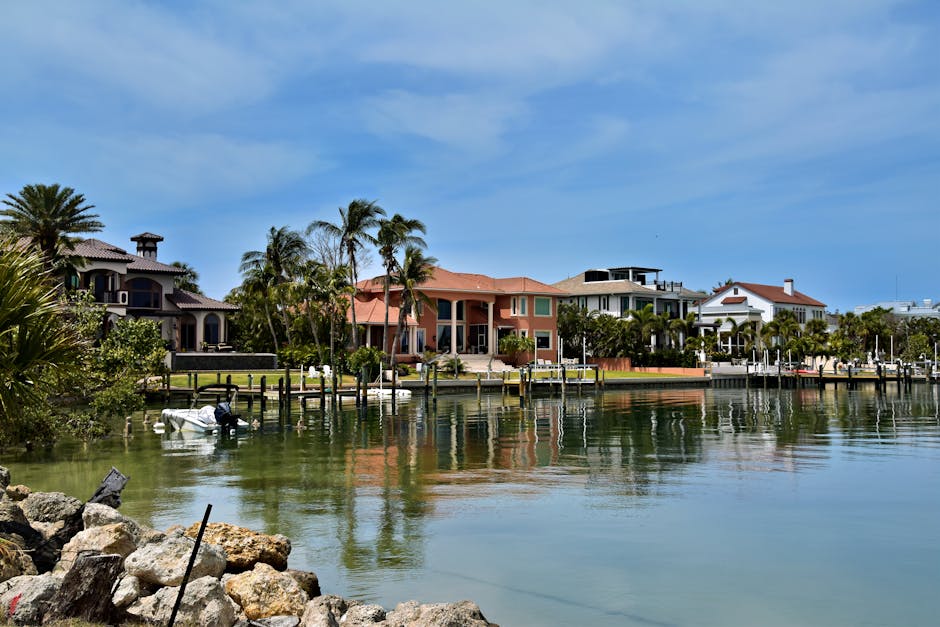
The Tampa luxury real estate sector has entered a phase of remarkable structural evolution in mid-2026. With 120 active luxury listings currently available, the market is characterized by a sophisticated bifurcation between traditional waterfront estates and ultra-modern vertical residences. The median list price of $2,498,800 reflects a robust baseline, yet the average list price of $3,172,412 signals the influence of significant trophy properties that are redefining regional expectations. This upward pressure on valuations is not merely speculative; it is grounded in a limited supply of premier parcels in established enclaves such as Davis Islands and Bayshore Boulevard.

Recent market movements have highlighted a new ceiling for regional assets, exemplified by properties that challenge historical norms. While a notable estate recently entered the market with an asking price of $115 million, it serves as a macro-indicator of Tampa’s growing appeal to ultra-high-net-worth individuals. You can read more about this significant market milestone in the Wall Street Journal analysis. This transaction volume and price discovery suggest that the local market is maturing at a rate that necessitates careful, data-backed navigation for prospective buyers.
For the discerning advisor, these figures represent more than just numbers; they indicate a shift in the local ecosystem. Buyers are no longer just comparing square footage; they are assessing the intrinsic value of rarity and architectural integrity. As inventory levels remain relatively tight, the window for negotiation often depends on the buyer’s ability to act on off-market intelligence or properties that are incorrectly positioned relative to their neighborhood peers. Understanding these nuances is the first step in identifying a strategic entry point into the Tampa high-end market.
When analyzing recent sales, it is clear that the most resilient properties are those that offer a blend of historical significance and modern infrastructure. Neighborhoods such as Beach Park and Culbreath Isles continue to maintain high demand due to their established status and proximity to the region’s commercial cores. As we move deeper into the 2026 fiscal year, the correlation between lot size and price per square foot has become increasingly non-linear, particularly in areas where redevelopment opportunities are non-existent. This scarcity is a primary driver for the sustained average list prices we are currently witnessing.
Regional Competition and Executive Migration Patterns
The narrative of Tampa’s growth is inextricably linked to the broader movement of high-level executives to the Florida Suncoast. The decision-making process for C-suite professionals often involves a careful comparison between Tampa’s established neighborhoods and the emerging appeal of neighboring areas. St. Petersburg, in particular, has seen a surge in interest from executives who prioritize walkability and a dense concentration of cultural amenities. This migration pattern is well-documented in the Business Journals, highlighting why high-level talent continues to favor the region for both professional and residential pursuits.
This cross-bay movement has created a competitive dynamic that benefits the buyer who is willing to look at the region as a whole. While South Tampa remains the traditional seat of influence, the maturation of St. Pete’s luxury sector provides a useful benchmark for valuation. Buyers are increasingly looking for properties that offer seamless connectivity between their office locations and their private residences. This has led to a premium on locations that avoid the standard congestion points of the Gandy or Howard Frankland bridges, making the Westshore district and Downtown Tampa increasingly attractive for those with active business interests.
Furthermore, the relocation of major corporate headquarters and the expansion of the local tech ecosystem have introduced a new cohort of buyers. These individuals typically favor turnkey properties with integrated smart home technology and high-efficiency systems. This demographic shift is influencing how sellers prepare their homes for the market, with an increased focus on architectural lighting, home automation, and dedicated home office suites that rival professional environments. The impact of this professional influx is visible in the rapid absorption rate of properties priced between $2 million and $4 million.
Ultimately, the regional competition serves as a stabilizing force for values. As demand remains high on both sides of the bay, the downside risk for luxury real estate in Tampa is mitigated by a consistent influx of new capital. For the long-term investor, this regional health is a critical metric. It ensures that the lifestyle amenities—from high-end dining to private aviation facilities—continue to expand in line with residential growth. Monitoring these executive migration patterns provides essential foresight into which neighborhoods will see the next wave of appreciation.
The Maturation of High-Rise Living and the Condo Market
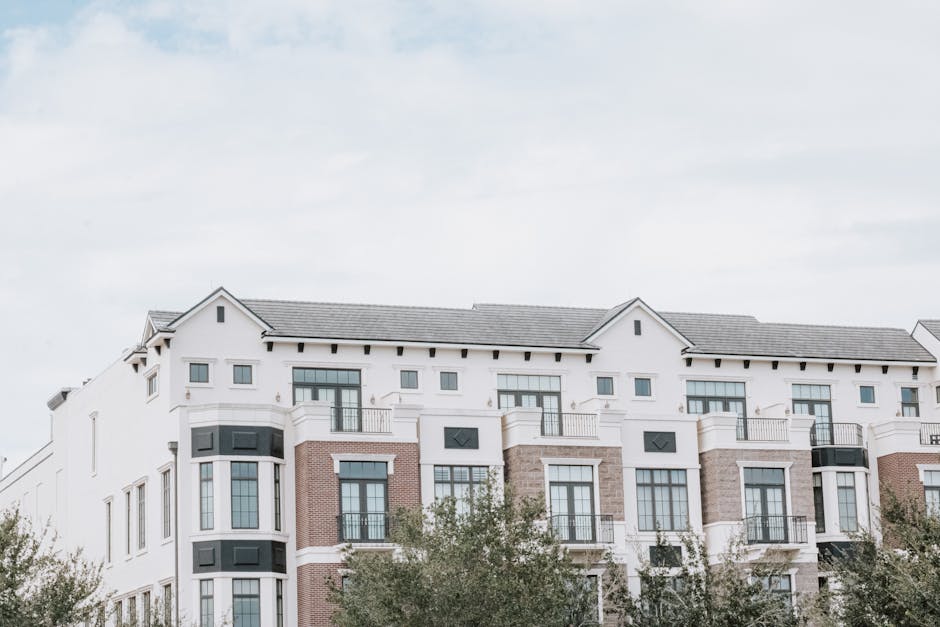
Tampa is currently witnessing the evolution of an early-stage luxury condo market into a primary choice for high-net-worth individuals. Historically, the city was defined by its sprawling single-family estates, but the introduction of high-end vertical communities in Water Street and along the Bayshore corridor has changed the landscape. This transition is analyzed in depth by Tampa Bay Business & Wealth, which discusses why the region remains a fertile ground for sophisticated vertical development. The appeal of a ‘lock-and-leave’ lifestyle is increasingly resonant with buyers who maintain multiple residences globally.
The value proposition for these vertical residences often centers on services that were previously unavailable in the local market. Concierge-level security, private health clubs, and temperature-controlled wine storage are now standard expectations for new developments. In areas like the Channel District and Downtown, the integration of residential towers with walkable retail and dining has created a localized premium. For buyers who prefer the vibrancy of an urban core over the seclusion of a suburban estate, these developments offer a compelling alternative that mirrors the luxury experience found in markets like Miami or New York.
However, navigating the condo market requires a specific set of analytical tools. Potential owners must look beyond the aesthetic appeal of the unit and examine the long-term health of the association and the quality of the developer’s previous projects. In a maturing market, the distinction between a ‘standard’ luxury condo and a ‘ultra-luxury’ residence is often found in the ceiling heights, the soundproofing between units, and the ratio of staff to residents. Buyers should also consider the future pipeline of development, as new supply can impact both the exclusivity and the resale value of existing inventory.
Despite the growth in vertical living, the traditional single-family home remains the bedrock of the Tampa luxury market. The tension between these two property types is where the most interesting opportunities currently lie. Some buyers are choosing to transition from large estates in areas like Palma Ceia to high-rise penthouses, while others are moving in the opposite direction to find more privacy and outdoor space. This churn in the market keeps inventory fluid and provides a variety of options for those looking to refine their residential footprint in the region.
Critical Due Diligence for Modern Acquisitions
In the current high-stakes environment, the acquisition process must be treated with the same rigor as a corporate merger. The speed of the market can sometimes tempt buyers to overlook essential verifications, but in the luxury tier, the cost of an oversight can be substantial. Effective due diligence begins with a clear understanding of the property’s structural integrity and its compliance with the latest regional codes. This is particularly important for waterfront properties where seawall condition and elevation are primary value drivers. Sophisticated buyers prioritize long-term stability over immediate aesthetic appeal.
- Verification of seawall integrity and remaining lifespan through professional marine engineering assessments.
- Comprehensive review of all local land-use restrictions and potential neighborhood development plans.
- Analysis of historical flood data and modern mitigation measures implemented on the property.
- Audit of all home automation and mechanical systems by specialized luxury-tier contractors.
- Confirmation of property boundary lines and any existing easements that may impact future privacy.
- Review of historical maintenance records and warranties for high-end appliances and systems.
Beyond the physical structure, the financial health of the surrounding neighborhood is a vital consideration. This involves looking at the density of recent renovations and the percentage of owner-occupied versus seasonal residences. A neighborhood with high reinvestment rates is often a safer bet for capital preservation. Buyers should also investigate the status of local infrastructure projects, such as improvements to drainage systems or the addition of new parks, which can have a long-term impact on property desirability and quality of life.
The role of a specialized advisor is to facilitate this due diligence by providing access to a vetted network of professionals. From environmental consultants to specialized legal counsel, the goal is to create a complete picture of the property’s risk profile. In the Tampa market, where environmental factors are a constant variable, having a clear understanding of your position is non-negotiable. This level of preparation not only protects your investment but also provides the confidence needed to move decisively when the right opportunity arises.
Waterfront Integrity and Value Preservation
Waterfront living is the quintessential Tampa experience, yet it carries a unique set of responsibilities and risks. Properties in Venetian Isles, Davis Islands, and along the Bayshore corridor are some of the most sought-after assets in the state, but their value is intrinsically tied to their relationship with the water. Recent pricing adjustments in these areas, such as those seen in the Haute Living report on Venetian Isles, demonstrate the importance of accurate positioning in a changing environment. A property’s ability to withstand coastal elements while providing an elevated lifestyle is the ultimate benchmark of its worth.
When evaluating a waterfront home, the focus should extend beyond the view. The quality of the seawall, the depth of the canal or bay access, and the resilience of the landscaping are all critical factors. For boaters, the specifics of the dockage and the clearance of nearby bridges can make the difference between a functional asset and a limited one. Additionally, the interior of the home should be assessed for its use of moisture-resistant materials and high-impact windows, which are essential for long-term durability in the Florida climate. These details are often what distinguish a premier waterfront property from a standard one.
The current regulatory landscape for coastal properties is also a significant factor in value preservation. Staying informed on updates from authoritative sources like Florida Trend is essential for understanding how state-level real estate trends and insurance policies might impact local holdings. While the allure of the water is permanent, the methods of protecting that investment are constantly evolving. Buyers who prioritize properties with modern mitigation and high-quality coastal construction are better positioned for future appreciation.
For those considering a move to a waterfront neighborhood, it is also beneficial to understand the social and community dynamics of the area. Many of Tampa’s premier coastal enclaves have active neighborhood associations that manage common areas and community events. This sense of community, combined with the natural beauty of the bay, creates a lifestyle that is difficult to replicate. By focusing on properties that offer both structural integrity and a strong community foundation, buyers can ensure that their waterfront home remains a cherished asset for years to come.
Market Velocity and Seasonal Patterns
As we navigate May 2026, the local market is influenced by both the physical climate and a busy social calendar. With temperatures reaching into the mid-80s and low chances of rain, the conditions are ideal for property tours and waterfront inspections. This seasonal peak often coincides with major local events, such as Riverfest, which draw significant crowds to the Downtown and Riverwalk areas. Understanding the logistics of these events, as outlined by wtsp.com, is important for both residents and those looking to get a feel for the city’s pulse. The vibrancy of these events often mirrors the energy of the real estate market during this time of year.
The velocity of the luxury market in Tampa is currently characterized by a ‘flight to quality.’ While the average days on market may fluctuate, properties that are correctly priced and excellently presented often move quickly. This is particularly true for homes in the most desirable school districts and those within walking distance of the city’s premier dining clusters. Buyers who are active during the late spring and early summer months are often looking to finalize their moves before the start of the new academic year, leading to a surge in closing activity in July and August.
Conversely, the late summer and fall months typically see a slight cooling in activity, providing an opportunity for more patient buyers to negotiate. However, in the luxury tier, the best properties rarely stay on the market long enough to benefit from seasonal lulls. Success in this environment requires a proactive approach and a clear understanding of one’s own priorities. By staying attuned to both the market data and the local social rhythms, buyers can better time their entries to coincide with new inventory releases or strategic price adjustments.
Ultimately, the Tampa market is less about timing the cycle and more about finding the right asset in a growing city. The fundamental drivers—corporate growth, tax-friendly environment, and exceptional lifestyle—remain consistent throughout the year. Whether you are attending a local festival or conducting a private showing, the key is to remain focused on the long-term value proposition of the region. Tampa’s trajectory as a premier luxury destination is well-established, and the current market offers a diverse range of opportunities for those who are prepared to act.
Strategic Pathways for Discerning Advisors
Acquiring a high-end property in Tampa is a process that requires both analytical precision and local intuition. As the market continues to expand and diversify, the role of a senior advisor becomes increasingly critical. From interpreting the latest Tampa Bay Times sales data to understanding the subtle shifts in neighborhood dynamics, the goal is to provide a level of service that matches the sophistication of the client. This is not about making a quick sale; it is about building a portfolio of assets that align with a broader lifestyle and investment strategy.
The most successful buyers in today’s market are those who treat real estate as a multi-dimensional asset. They consider not just the immediate utility of the home, but its potential for appreciation, its resilience to environmental factors, and its role within their personal and professional life. By utilizing the resources and networks of a dedicated brokerage, you can gain access to opportunities that never reach the public market and receive guidance that is based on years of local experience. This strategic approach is what ensures a successful outcome in one of the country’s most dynamic real estate markets.
As we look toward the remainder of 2026, the opportunities in the Tampa luxury sector remain compelling. Whether you are drawn to the historic charm of South Tampa, the modern innovation of Water Street, or the coastal elegance of the barrier islands, the region offers a diverse array of options for every preference. The key is to move forward with a clear plan, a vetted team of professionals, and a commitment to rigorous due diligence. With these elements in place, the process of finding your next residence can be as rewarding as the destination itself.
If you are ready to explore the current inventory or require a confidential consultation regarding your real estate strategy, our team is prepared to assist. We invite you to browse our curated listings to see the current standard of excellence in the market. To discuss your specific requirements or to schedule a private tour of any property mentioned in this brief, please contact an advisor today. We look forward to providing the expert guidance necessary to navigate the Tampa luxury landscape with confidence.
Your next move in Tampa luxury
Get current inventory, pricing guidance, and private-tour support from our brokerage team.
Source highlights
- Column: Why executives keep choosing St. Pete – The Business Journals
- Tampa’s Price Record Is $22.5 Million. This Huge Estate Is Asking $115 Million. – WSJ
- Tampa Bay’s most expensive luxury home sales of 2025 – Tampa Bay Times
- Why Tampa remains an early-stage luxury condo market – Tampa Bay Business & Wealth
- Jennifer Zales Unveils Venetian Isles Waterfront Luxury Now Offered At A New Price – Haute Living
- Florida Trend Real Estate – Florida Trend
- Things To Do In Tampa This Weekend: Best Festivals & Events Going On – That's So Tampa
- Riverfest and other events take over Tampa this weekend | What to know before you go – wtsp.com



