


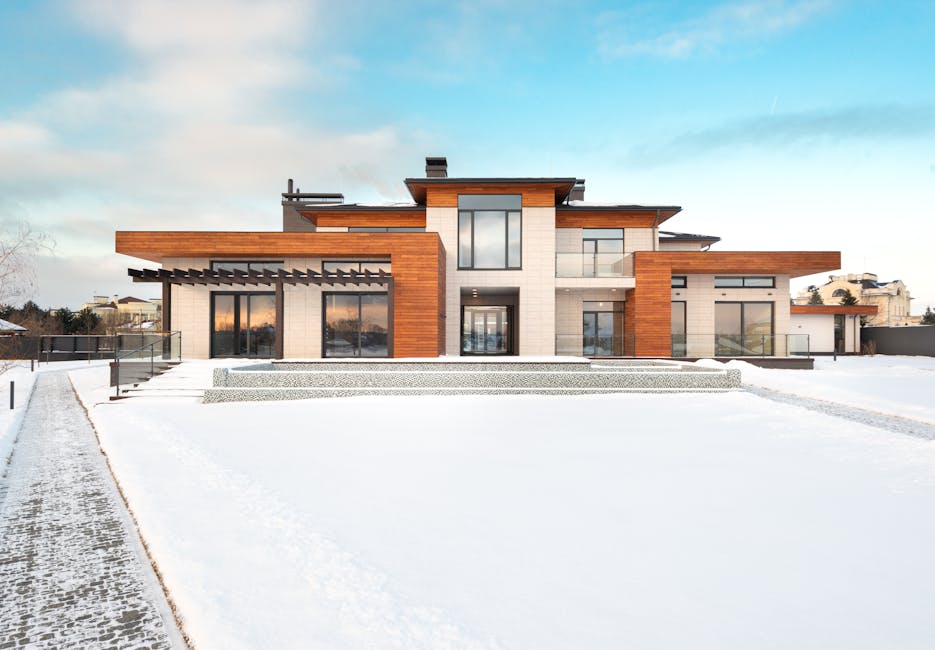
The Evolution of Tampa’s High-End Residential Baseline
The Tampa luxury market has transitioned from a regional value proposition into a globally recognized primary destination for high-net-worth individuals. Current inventory data reflects this shift, with a median list price now established at $2,498,800. This is not merely a transient price hike but a structural recalibration driven by sophisticated buyers who prioritize architectural permanence and long-term asset stability. For those evaluating the 120 active luxury units currently available, the focus has moved beyond simple square footage to the intrinsic value of neighborhood density and private amenities.
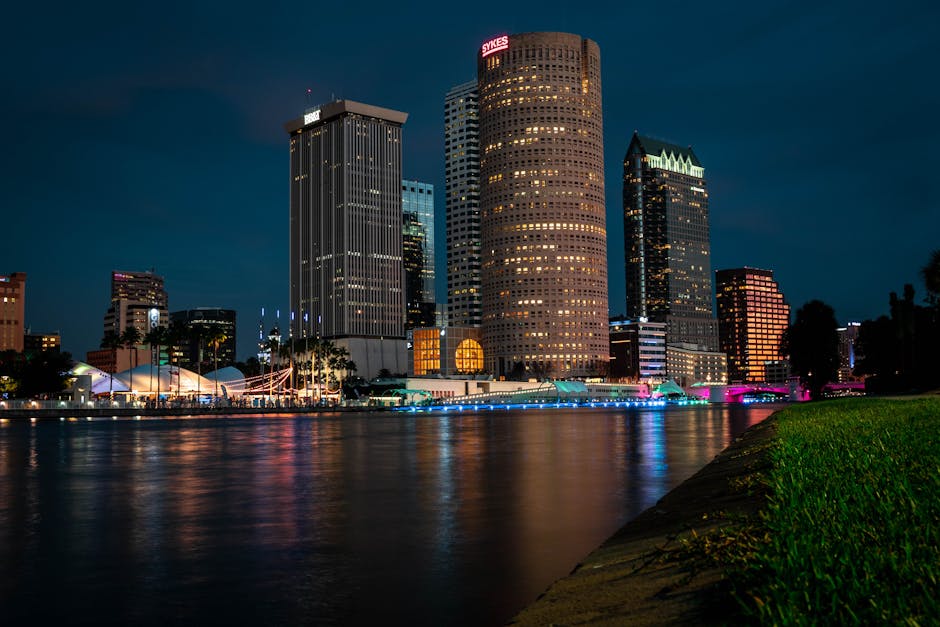
As we observe properties like the estate at 2 Troutwater Lane, priced at $2,650,000, it becomes clear that the floor for true luxury has been raised. High-end buyers are no longer comparing Tampa solely to local alternatives but are benchmarking these acquisitions against established markets in South Florida and the Northeast. This competitive landscape is underscored by recent reports from The Wall Street Journal, noting that while the current price record stands at $22.5 million, new entries into the market are testing much higher valuations, including a notable asking price of $115 million for a single estate.
This escalation in top-tier pricing impacts the entire ecosystem. Buyers entering at the $3 million mark find themselves competing for a limited pool of finished products in established areas like Davis Islands and South Tampa. The average list price of $3,172,412 across the current inventory suggests that capital is concentrating in specific corridors where historical appreciation is backed by a lack of developable land. Investors and primary residents alike must navigate this low-inventory environment with a focus on acquisition speed and verified property condition.

Neighborhood Concentration and the Value of Private Enclaves
Geographic specificity remains the primary driver of retention in Tampa. Neighborhoods such as Beach Park and Culbreath Isles continue to attract the majority of executive interest due to their proximity to the Westshore business district and private aviation hubs. The movement of capital into these areas is rarely speculative; it is a calculated decision based on school district stability and waterfront access. Buyers are increasingly discerning regarding the quality of construction, often favoring concrete block builds and modern elevations that offer both aesthetic sophistication and insurance resilience.
In the current market, the distinction between a ‘standard’ high-end home and a true luxury estate often comes down to the lot’s orientation and the privacy of its perimeter. Properties along the Bayshore corridor or those situated on deep-water canals command a significant premium because they offer a finite resource: access. As the urban core expands, these established residential enclaves provide a necessary buffer from the increasing density of the metropolitan center. This localized scarcity is a fundamental reason why the luxury homes for sale in these specific sectors maintain their value even during broader market fluctuations.
Furthermore, the migration of executives is not limited to Tampa proper. The surrounding region, including the St. Petersburg waterfront, is seeing a similar influx of corporate leadership. According to The Business Journals, executives are consistently choosing the Bay area for its tax-friendly environment and the ability to maintain a high-level professional presence without the logistical hurdles of larger Tier-1 cities. This regional synergy strengthens the overall value proposition for anyone holding real estate assets in the Tampa Bay corridor.
The Vertical Shift: Analyzing the Luxury Condo Segment
While the single-family estate remains the cornerstone of the market, the high-end condominium sector is undergoing a maturation phase. Tampa has historically been a land-heavy market, but new developments are challenging the status quo by offering full-service lifestyles that rival those in Miami or New York. However, experts suggest that we are still in the early stages of this transition. Analyzing market data from Tampa Bay Business & Wealth reveals that the luxury condo market is currently serving a specific demographic—primarily those downsizing from larger estates or seeking secondary residences with zero-maintenance requirements.
The price per square foot for these vertical assets often exceeds that of traditional homes, reflecting the cost of premium amenities and concierge services. For the buyer, the decision between a South Tampa estate and a Water Street penthouse is less about budget and more about the desired daily operational cadence. Estates offer privacy and expansion, while the new vertical developments offer immediate proximity to the city’s burgeoning culinary and cultural scene. This dual-track market provides a diverse range of options for capital placement, depending on whether the priority is land ownership or lifestyle efficiency.
Strategic buyers are paying close attention to the pipeline of these developments. The absorption rate of units priced above $2 million remains steady, indicating that the demand for high-density luxury is real and sustained. As the city continues to host major events like Riverfest and other downtown festivals, the appeal of being within walking distance of the urban core grows. This cultural maturation is a critical factor for out-of-state buyers who are accustomed to walkable, high-end environments in other major metros.
Critical Verification Steps for Luxury Acquisitions
Given the current complexity of the market and the significant capital involved in a $2.5 million-plus purchase, the due diligence process must be exhaustive. The high-end segment in Florida requires specific technical inspections that go beyond the standard residential checklist. Buyers must account for environmental factors, updated building codes, and the specific nuances of waterfront maintenance. To ensure a sound acquisition, we recommend the following strategic verification steps:
- Verify the elevation and flood zone status against the most recent FEMA maps to understand long-term insurance implications.
- Perform a comprehensive seawall and dock inspection for any waterfront property to avoid seven-figure repair costs post-closing.
- Evaluate the HVAC and roof age against current Florida Building Code requirements for insurance eligibility and premium mitigation.
- Review neighborhood-specific deed restrictions or HOA bylaws that may limit architectural modifications or guest privacy.
- Analyze recent sales data for the immediate three-block radius to ensure the acquisition aligns with the true local baseline rather than speculative asking prices.
These steps are essential because the margin for error narrows as the price point rises. In a market where the most expensive sales of 2025 have set a high bar for property condition, entering a contract without professional representation can lead to significant fiscal oversights. Expert advisors provide the necessary buffer to ensure that the emotional appeal of a property does not override the technical and financial realities of the asset.
Executive Migration and the St. Pete Comparison
The movement of professional talent into the Tampa Bay region is a primary catalyst for the sustained demand in the luxury sector. Corporate relocations and the rise of the ‘second headquarters’ phenomenon have brought a steady stream of buyers who are less sensitive to interest rate fluctuations and more focused on quality of life. The comparison between Tampa and St. Petersburg is often a point of analysis for these buyers. While Tampa offers the traditional corporate infrastructure and expansive estates, St. Petersburg provides a more bohemian-luxury feel with a focus on historical charm and vertical living.
Understanding this regional dynamic is crucial for long-term value. Capital often flows between these two points, and a shift in one frequently precedes a movement in the other. For instance, the recent price adjustments in Venetian Isles, as highlighted by Haute Living, indicate a market that is responsive to buyer feedback and valuation reality. This responsiveness is a sign of a healthy, mature market rather than one driven by irrational exuberance.
The decision-useful takeaway for the buyer is that the Tampa Bay area is no longer a monolith. Each sub-market has its own velocity and internal logic. Whether it is a commercial sale in the urban core or a land acquisition for a custom build, the regional connectivity ensures that an investment in one area benefits from the growth of the entire bay. Tracking these trends through authoritative sources like Florida Trend allows buyers to see the broader economic indicators that support high-end residential pricing.
The Inventory Reality: Navigating Scarcity
With only 120 active luxury listings, the current environment is defined by scarcity. This limited selection means that high-quality properties move quickly, often with multiple back-up offers in place. For properties like 6304 N Florida Avenue or 718-722 W Dr Martin Luther King Jr Boulevard, which represent significant residential or commercial opportunities, the window for negotiation is often narrow. Buyers must be prepared with verified proof of funds and a clear understanding of their non-negotiable requirements before entering the market.
The average list price of $3.1M+ indicates that the market has successfully absorbed the inventory that was previously sitting at lower price points. This suggests a high level of confidence among sellers, who are now pricing based on the expectation of continued executive migration and regional growth. It is no longer enough to simply ‘browse’ the market; successful acquisition requires a proactive strategy that includes off-market search capabilities and deep local connections to identify opportunities before they reach the public portals.
Ultimately, the Tampa luxury market is entering a phase of refined stability. The extreme volatility of previous years has given way to a more measured, data-backed appreciation. For the sophisticated buyer, this represents an ideal time to consolidate assets into a market that has proven its resilience and its appeal to the nation’s most mobile and affluent populations. The focus should remain on properties that offer unique architectural value and irreplaceable geographic positioning.
Actionable Guidance for the Private Investor
As you evaluate your next move in the Tampa high-end market, the priority should be on the quality of the underlying asset rather than temporary market trends. Whether you are seeking a primary residence on Davis Islands or a strategic land acquisition for future development, the fundamental principles of real estate—location, condition, and scarcity—remain the only reliable guides. The current inventory offers a diverse but limited range of options that require a sophisticated eye to truly deconstruct and value.
We invite you to examine the current market composition and identify the assets that align with your long-term capital goals. Our team provides the analytical brief and neighborhood-level implications necessary to make a confident decision in this fast-moving environment. To view the current curated selection of estates and modern residences, please browse our high-end listings or contact an advisor to discuss your specific acquisition criteria and secure a private consultation.
Your next move in Tampa luxury
Get current inventory, pricing guidance, and private-tour support from our brokerage team.
Source highlights
- Column: Why executives keep choosing St. Pete – The Business Journals
- Tampa’s Price Record Is $22.5 Million. This Huge Estate Is Asking $115 Million. – WSJ
- Tampa Bay’s most expensive luxury home sales of 2025 – Tampa Bay Times
- Why Tampa remains an early-stage luxury condo market – Tampa Bay Business & Wealth
- Jennifer Zales Unveils Venetian Isles Waterfront Luxury Now Offered At A New Price – Haute Living
- Florida Trend Real Estate – Florida Trend
- Things To Do In Tampa This Weekend: Best Festivals & Events Going On – That's So Tampa
- Riverfest and other events take over Tampa this weekend | What to know before you go – wtsp.com



