


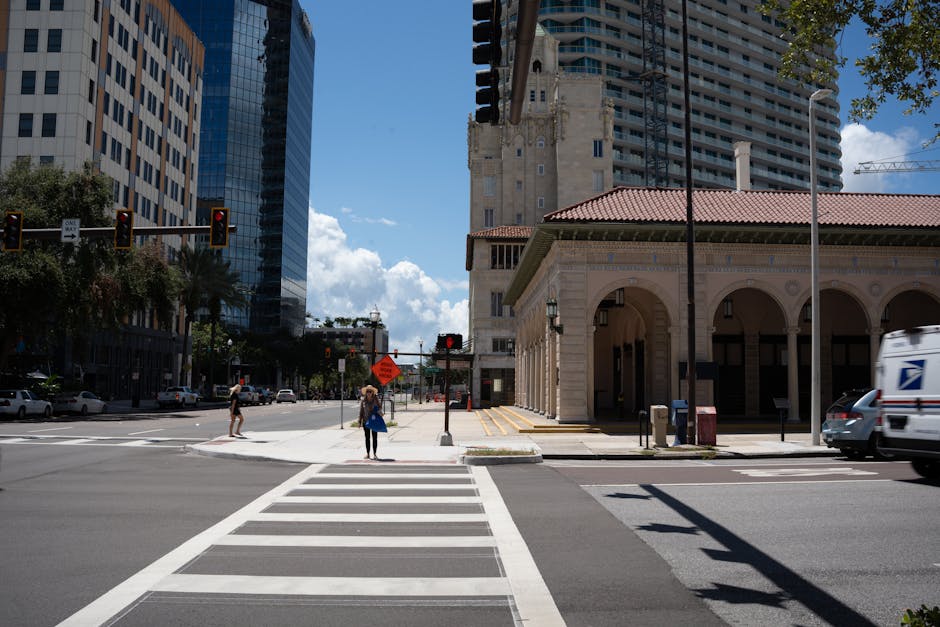
The Structural Shift in Tampa’s Luxury Inventory
The Tampa luxury sector is no longer an emerging narrative; it has reached a stage of structural maturity that demands a more analytical approach to acquisition. While national headlines often fixate on generic migration patterns, the local reality is defined by a specific flight to quality among high-net-worth individuals who view residential real estate as both a lifestyle anchor and a significant capital allocation. This is evidenced by the growing inventory of properties priced well above the historical median, reflecting a new baseline for what constitutes a flagship residence in the region.
Current data from the Wall Street Journal highlights the extreme ceiling of this market, noting that while the previous record stood at twenty-two million dollars, newer listings are testing nine-figure thresholds. This escalation reflects a fundamental shift in how global buyers perceive Tampa’s waterfront potential compared to established enclaves in Southeast Florida. The transition from an early-stage market to a global contender is nearly complete, and the current median list price of approximately two and a half million dollars serves as a foundational entry point for the most sought-after neighborhoods.
For the sophisticated buyer, this means the window for speculative buying has closed, replaced by a need for rigorous asset selection. We are seeing a deceleration in the velocity of sales for mid-tier luxury properties, while the ultra-high-end segment remains resilient due to the scarcity of prime waterfront acreage. Buyers are now prioritizing architectural integrity and long-term land value over cosmetic renovations. This shift necessitates a deeper dive into the historical performance of specific subdivisions rather than relying on broad city-wide averages.
The current inventory count of one hundred and twenty active luxury listings represents a healthy equilibrium between supply and demand. This volume allows for more thoughtful due diligence periods, which were largely absent during the hyper-competitive windows of previous years. Discerning buyers are taking the time to analyze the cost-to-replicate for new builds, often finding that established estates in areas like Beach Park or Davis Islands offer superior value when adjusted for land scarcity and construction timelines.
Neighborhood Dynamics and Pricing Equilibrium
South Tampa remains the primary focus for domestic relocations, particularly among those seeking proximity to elite private schools and the financial hubs of the Westshore District. Neighborhoods such as Palma Ceia and Hyde Park have seen a stabilization of price-per-square-foot metrics, providing a more predictable landscape for appraisals. According to the Tampa Bay Times, the most expensive sales of recent months were concentrated in these core areas, reinforcing the concept that location remains the ultimate hedge against market volatility.
We are observing a distinct divergence in buyer behavior between the inland estates of North Tampa and the coastal assets of the Interbay peninsula. Estates like the two million dollar offering on Florida Avenue demonstrate the strength of the commercial-adjacent residential market, where land use flexibility adds a layer of investment security. Meanwhile, high-acreage compounds in areas like Troutwater Lane are attracting those who prioritize privacy and natural buffers over urban density. This diversity in product type allows for a more nuanced portfolio strategy for local investors.
Asset liquidity in the five-to-ten million dollar range has remained consistent, bolstered by an influx of capital from high-tax states. These buyers are often looking for turn-key solutions that offer a seamless transition. However, there is a growing contingent of purchasers who are willing to overlook dated interiors in favor of superior lot positioning. This is a classic sign of market maturity, where the underlying real estate is valued more highly than the temporary aesthetic of the structure itself.
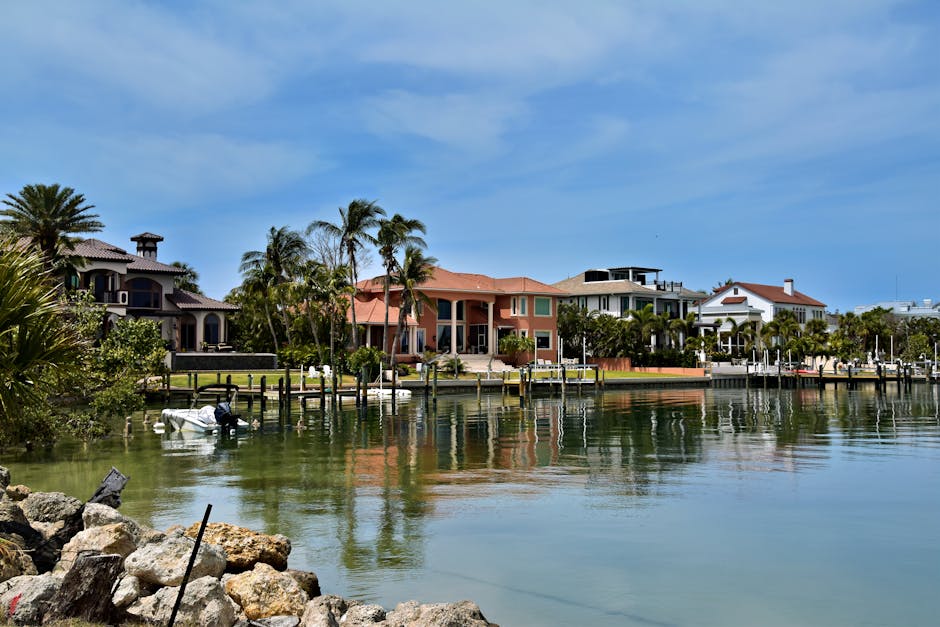
Market movement is also being influenced by the expansion of luxury infrastructure beyond the traditional core. Waterfront assets in Venetian Isles and similar communities are benefiting from a spillover effect as South Tampa inventory remains tightly held. As reported by Haute Living, recent price adjustments in these sub-markets have created tactical entry points for buyers who were previously priced out of the Davis Islands waterfront. This movement suggests a broadening of the luxury footprint across the entire Tampa Bay area.
The St. Petersburg Executive Migration
The cross-bay dynamic between Tampa and St. Petersburg has evolved from a competition into a complementary relationship. Many corporate leaders are choosing the downtown St. Petersburg corridor for its unique blend of walkability and high-end residential towers. The Business Journals report that executives are increasingly opting for the Pinellas side of the bay to take advantage of the growing tech and finance hub. This migration is putting upward pressure on luxury condo pricing in the St. Pete market, often rivaling the costs of single-family homes in traditional Tampa neighborhoods.
This trend is driven by a desire for a low-maintenance, high-security environment that still offers proximity to cultural assets. The development of the historic Gas Plant District and the continuous growth of the Beach Drive corridor have made St. Petersburg a formidable alternative for those who find the South Tampa estate market too restrictive. For the buyer, this provides an opportunity for geographic diversification within a single metropolitan region, balancing the stability of Tampa’s established neighborhoods with the growth potential of St. Petersburg’s urban core.
Furthermore, the recreational connectivity between the two cities is at an all-time high. Residents on both sides of the bay utilize the expanding ferry services and improved bridge infrastructure to navigate between their primary residences and social clubs. This fluid movement has created a unified luxury market where the specific city name is often less important than the proximity to the water and the quality of the immediate surroundings. It is common to see buyers evaluate a Bayshore Boulevard condo alongside a Vinoy Park penthouse in the same afternoon.
Understanding the St. Pete migration requires an analysis of the ‘live-work-play’ balance that younger executives are demanding. Unlike the traditional suburban model, this demographic is seeking a high-density environment that does not sacrifice the privacy or finishes of a custom estate. This shift is a primary driver behind the record-breaking sales in the vertical luxury segment, as developers continue to push the boundaries of what is possible in high-rise living across the bay.
Risk Mitigation and Asset Verification in Waterfront Acquisitions
Acquiring waterfront property in Tampa requires a level of due diligence that goes beyond the standard home inspection. The interplay of tidal movements, seawall integrity, and flood zone designations can significantly impact the long-term value and insurability of an asset. Buyers must approach these acquisitions with a technical mindset, verifying the engineering specifications of maritime structures as rigorously as the interior finishes of the home itself. A failure to account for these variables can lead to substantial capital expenditures shortly after closing.
When evaluating a potential waterfront acquisition, the following checklist should serve as your initial framework for risk assessment:
- Verify the structural integrity and remaining lifespan of the existing seawall and cap.
- Confirm riparian rights and ensure the dockage meets the required depth for your vessel.
- Review a current FEMA elevation certificate to determine precise insurance premiums.
- Audit smart home automation systems for interoperability and data security protocols.
- Assess privacy landscaping and building setbacks for compliance with local ordinances.
- Evaluate the proximity to public-private infrastructure projects like the Riverwalk expansion.
Beyond the physical structure, the environmental context of the property is paramount. This includes understanding the impact of local dredging projects and the long-term plans for coastal resiliency in the immediate area. Sophisticated advisors often bring in maritime engineers to perform underwater inspections of pilings and dock structures, ensuring there are no hidden liabilities. In a mature market, transparency is the greatest currency, and a seller who can provide a comprehensive maintenance history will always command a premium.
Finally, the legal aspects of waterfront ownership, including submerged land leases and easement agreements, must be thoroughly vetted. These nuances are often overlooked by generalist agents but are critical for protecting your investment. Ensuring that the property’s current use aligns with all environmental regulations will prevent future conflicts with municipal authorities and preserve the asset’s resale value in an increasingly regulated landscape.
Vertical Living: The Maturity of the Luxury Condominium Segment
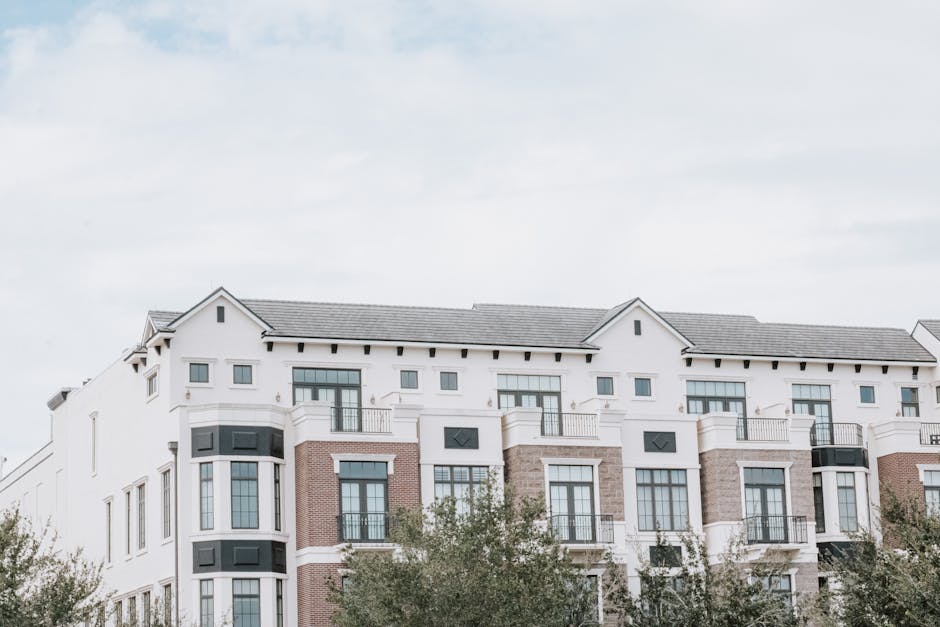
The rise of the luxury condominium in Tampa is no longer a speculative trend; it is a permanent fixture of the real estate landscape. The development of Water Street and the revitalization of the Westshore District have introduced a level of vertical living that was previously unavailable in the region. According to Tampa Bay Business & Wealth, the region remains an early-stage luxury condo market with significant room for growth, particularly as more national developers enter the space. These projects are offering amenities that rival the world’s finest hotels, from private chauffeur services to rooftop wellness centers.
For many buyers, the appeal of a high-rise residence lies in the combination of security and simplicity. The ‘lock-and-leave’ lifestyle is particularly attractive to those who maintain multiple residences or travel frequently for business. This segment of the market has seen consistent price appreciation, as the cost of land in core urban areas continues to rise. A penthouse in a premier building now commands a per-square-foot price that often exceeds that of a traditional single-family home on a comparable lot.
However, the value proposition of a luxury condo extends beyond the unit itself. The communal spaces, the quality of the building management, and the long-term capital reserve fund are all critical components of the investment. Discerning buyers are looking for buildings with a high ratio of owner-occupancy and a track record of fiscal responsibility. This ensures that the high level of service and maintenance required for a luxury building is sustained over time, protecting the asset’s prestige and value.
We are also seeing a shift toward ’boutique’ condominiums that offer a more intimate living experience. These smaller-scale buildings, often located in residential enclaves like Hyde Park, provide the benefits of condo living without the anonymity of a massive tower. They cater to a demographic that values privacy and exclusivity above all else. As the market continues to evolve, we expect to see even more specialized products that cater to the specific lifestyle needs of the modern affluent buyer.
Analyzing the New Build vs. Legacy Estate Divide
A recurring theme in the 2026 market is the tension between new construction and legacy estates. The allure of a brand-new, architecturally significant home is powerful, offering the latest in sustainable technology and modern design. These properties often feature open floor plans, high-performance glazing, and integrated wellness suites that are difficult to retrofit into older structures. However, the premium for new construction has reached a point where buyers are questioning the total return on investment, especially when compared to the timeless appeal of a well-maintained historic home.
Legacy estates, particularly those built in the mid-century or Mediterranean Revival styles, offer a sense of character and permanence that is hard to replicate. These homes are often situated on superior lots with mature landscaping and established privacy buffers. While they may require updates to their mechanical systems, the underlying craftsmanship and the scale of the rooms often surpass what is found in speculative new builds. For the buyer with a long-term horizon, the opportunity to revitalize a legacy asset can result in a significant equity position that a new build cannot match.
The choice often comes down to a trade-off between immediate gratification and long-term value. A new build on a smaller lot may offer the lifestyle desired today, but a legacy estate on a larger parcel provides more flexibility for future expansion or redevelopment. We are seeing more buyers opt for a hybrid approach, purchasing older homes in prime locations and performing extensive ‘back-to-the-studs’ renovations. This allows them to create a modern interior while retaining the classic exterior and the land-value advantages of an established neighborhood.
Furthermore, the cost of construction in Florida has stabilized but remains high compared to national averages. This has made the ‘buy-and-renovate’ model more attractive for those who have the patience and the design team to execute a complex project. By analyzing the sale prices of recent new builds in the immediate vicinity, a savvy buyer can determine exactly how much they can afford to invest in a renovation while still remaining below the market ceiling. This level of financial analysis is essential for any high-end residential acquisition.
Cultural Connectivity and Long-term Value Retention
The long-term value of luxury real estate in Tampa is intrinsically linked to the city’s cultural and economic trajectory. The investment in public spaces, such as the continuous expansion of the Riverwalk and the hosting of high-profile events like Riverfest, creates a sense of place that attracts high-caliber residents. These initiatives are not just about entertainment; they are about building a world-class city that can compete for global talent and capital. For the property owner, this means that their investment is supported by a robust and growing municipal infrastructure.
As noted in recent Florida Trend real estate reports, the state’s business-friendly environment continues to drive corporate relocations. This steady influx of high-earning professionals provides a consistent floor for luxury property values. Unlike markets that rely solely on tourism, Tampa’s economy is diversified across healthcare, finance, and technology, making the real estate market more resilient to economic shifts. The presence of professional sports teams and world-class healthcare facilities further solidifies the region’s appeal for affluent families.
The social calendar also plays a role in neighborhood desirability. Events in downtown Tampa and the Gaslight District provide a backdrop for networking and community engagement that is vital for many luxury buyers. Whether it is a weekend festival or a private charity gala, the ability to engage with a peer group in a sophisticated environment is a key component of the local lifestyle. This cultural density is what separates a true luxury market from a mere collection of expensive homes.
Navigating this level of inventory requires a partner who understands the nuance of the contract as much as the quality of the view. The decision to acquire a luxury asset in Tampa should be based on a combination of empirical data, neighborhood-level insights, and a clear understanding of your long-term goals. By focusing on asset quality and risk mitigation, you can secure a residence that serves as both a private sanctuary and a cornerstone of your financial portfolio. Browse our current Tampa luxury listings to evaluate the current market pulse, or contact our advisory team to discuss your specific acquisition criteria and receive a confidential market assessment.
Your next move in Tampa luxury
Get current inventory, pricing guidance, and private-tour support from our brokerage team.
Source highlights
- Column: Why executives keep choosing St. Pete – The Business Journals
- Tampa’s Price Record Is $22.5 Million. This Huge Estate Is Asking $115 Million. – WSJ
- Tampa Bay’s most expensive luxury home sales of 2025 – Tampa Bay Times
- Why Tampa remains an early-stage luxury condo market – Tampa Bay Business & Wealth
- Jennifer Zales Unveils Venetian Isles Waterfront Luxury Now Offered At A New Price – Haute Living
- Florida Trend Real Estate – Florida Trend
- Things To Do In Tampa This Weekend: Best Festivals & Events Going On – That's So Tampa
- Things To Do In St Pete This Weekend: Best Festivals & Events Going On In St Petersburg – I Love the Burg



