


The Maturation of the Tampa Luxury Asset Class
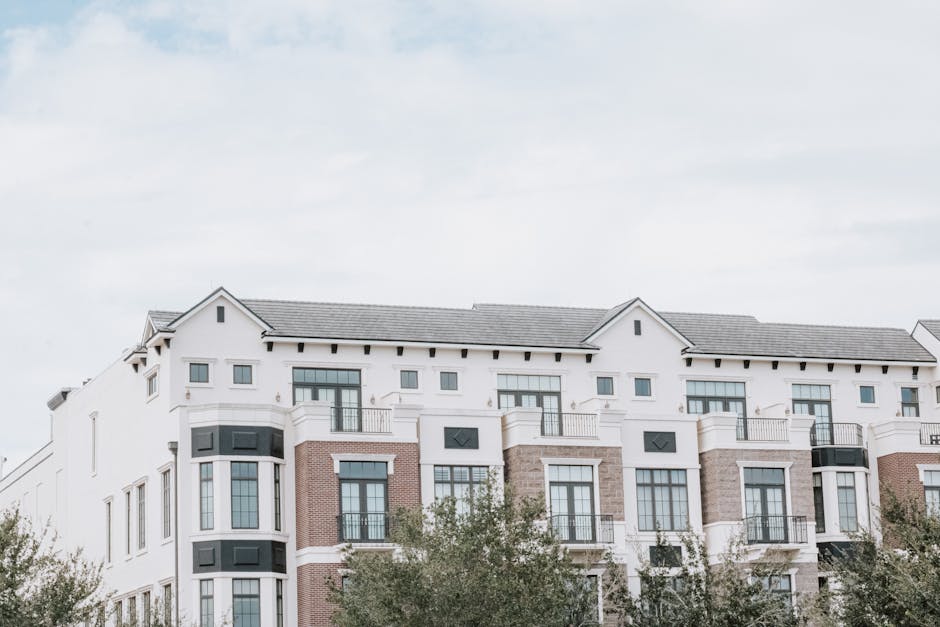
The Tampa luxury real estate landscape is undergoing a fundamental structural shift that moves far beyond the traditional cycles of seasonal migration. Historically viewed as a secondary market for vacation properties, the region is now commanding attention as a primary global hub for high-net-worth individuals who are reallocating significant capital into permanent Florida residences. This evolution is most visible in the pricing models currently emerging in the waterfront sector. While the current price record for the area stands at $22.5 million, the market is testing new ceilings with trophy estates now entering the public and private spheres with valuations that would have been unthinkable five years ago. This trend is underscored by high-profile listings, such as a massive estate asking $115 million, signaling that institutional-grade residential assets are becoming the new benchmark for the Gulf Coast.
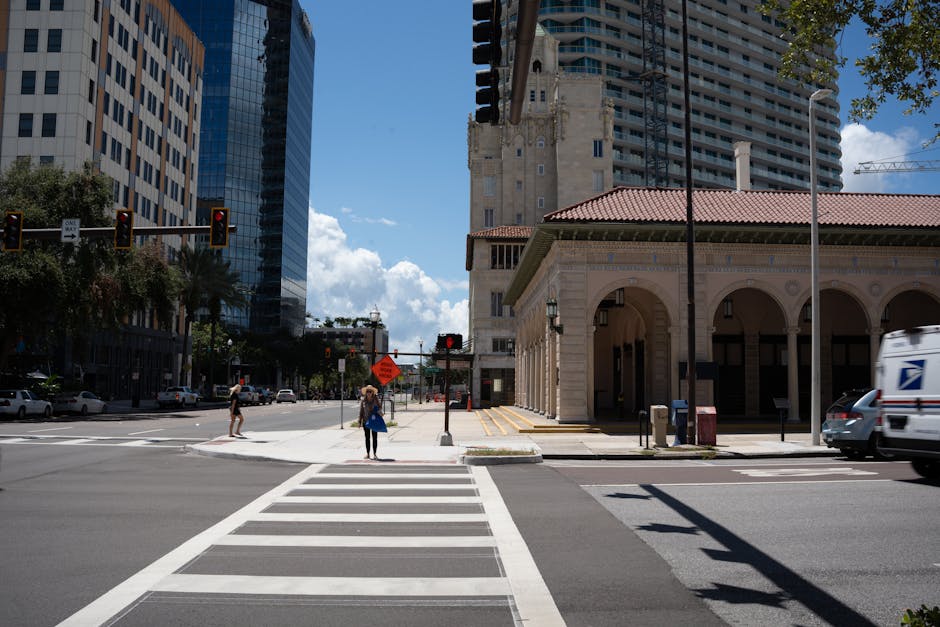
For the sophisticated buyer, these numbers represent more than just inflation; they reflect a scarcity of prime land and a growing demand for estates that offer comprehensive security, privacy, and long-term utility. As the median list price for luxury properties in the area holds steady near $2,498,800, the baseline for entry into premium neighborhoods has moved significantly. Acquisition strategies are now focused on long-term appreciation rather than short-term rental yields. Advisors are seeing a pivot where buyers prioritize square footage and high-end finishes that accommodate multi-generational living and integrated home offices, reflecting a permanent lifestyle commitment to the region. The current inventory of approximately 120 active luxury listings suggests a balanced but competitive environment for those seeking immediate occupancy in turnkey properties.
The velocity of the market continues to be driven by a sophisticated cohort of buyers who are well-versed in global real estate trends. These individuals are not merely looking for a place to reside; they are looking for a community that supports their professional and personal ambitions. The integration of high-end retail, Michelin-starred dining, and private aviation facilities has made the area increasingly attractive to those who previously limited their searches to Miami or Palm Beach. By focusing on asset quality and location permanence, these buyers are helping to stabilize the market against the volatility often seen in more speculative luxury environments. The focus is no longer on finding a getaway, but on building a legacy in a region that offers a high degree of fiscal and lifestyle predictability.
Executive Migration and the Rise of Regional Business Hubs
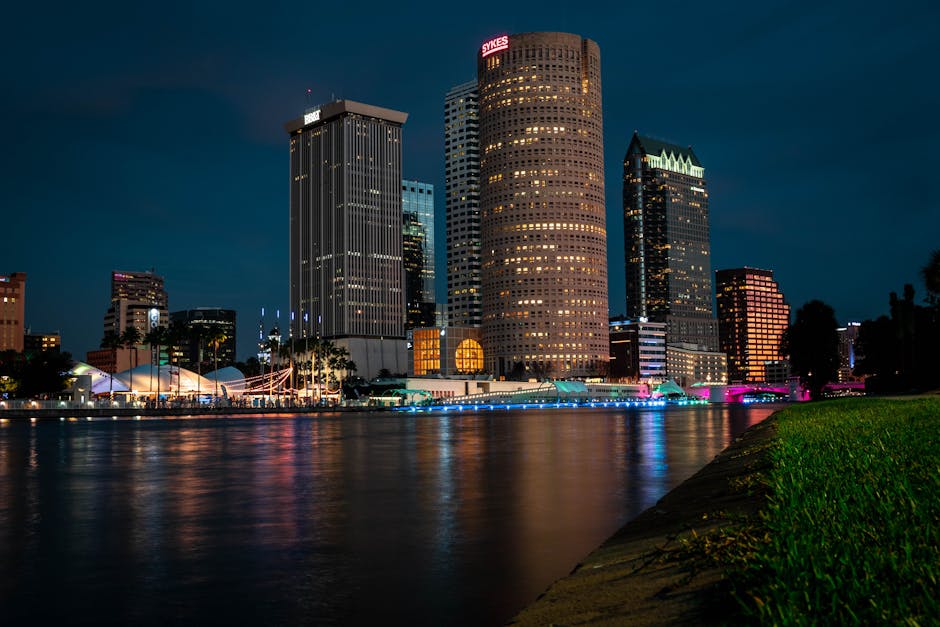
One of the most compelling drivers of the current market expansion is the influx of corporate leadership and entrepreneurial talent into the greater Tampa Bay area. The decision for C-suite executives to relocate their families and, in many cases, their corporate headquarters, has created a robust secondary demand for high-end residential services. This migration is not limited to Tampa proper; there is a significant movement toward the surrounding areas as well. It is notable to observe why executives keep choosing St. Pete for their primary residences, citing a blend of cultural density and modern infrastructure. This regional connectivity allows for a lifestyle that balances the professional demands of a growing business corridor with the tranquility of a waterfront estate.
This executive influx has led to a noticeable shift in buyer behavior. We are seeing a higher frequency of all-cash transactions and a preference for off-market opportunities that offer a greater degree of discretion. Buyers are increasingly analytical, requesting detailed data on local infrastructure improvements, school rankings, and the long-term viability of specific coastal corridors. The move toward permanency is also evident in the types of renovations being undertaken. Rather than cosmetic updates, new owners are investing in structural enhancements, renewable energy systems, and advanced home automation that ensures the property remains competitive in a rapidly advancing market. This level of investment suggests a deep confidence in the regional economy and its ability to sustain luxury valuations over the next decade.
Furthermore, the growth of the local professional ecosystem has created a virtuous cycle. As more high-profile residents move in, the demand for premium services—from private wealth management to specialized healthcare—increases, which in turn attracts even more talent to the area. This has turned the region into a destination of choice for those who value a sophisticated social network alongside their real estate investments. For those looking to enter the market, understanding these demographic shifts is essential for identifying which neighborhoods are likely to see the most consistent growth. The correlation between executive relocation and property value retention has never been stronger in the Florida market.
The Strategic Value of the Tampa Waterfront Expansion
Waterfront living has always been the hallmark of Florida luxury, but the nature of this asset class is changing as the region matures. No longer defined solely by its proximity to the Gulf of Mexico, the local waterfront is now being recognized as a primary real estate market with global significance. A recent report from The National Law Review highlights how the waterfront has emerged as a primary market, driven by legal and environmental factors that favor long-term stability and high-end development. This shift is particularly evident in areas like Davis Islands and Harbor Island, where the availability of deep-water dockage and unobstructed views continues to command a significant premium over inland alternatives.
Buyers in the current market are becoming much more discerning regarding the technical specifications of waterfront properties. Sea wall integrity, elevation height, and littoral rights are now central to the negotiation process. With an average list price of $3,172,412 across the luxury segment, waterfront homes often exceed this benchmark by a wide margin, especially when they offer unique features like private beach access or proximity to the open waters of the bay. The scarcity of these parcels means that even older homes on prime lots are being viewed primarily for their land value, leading to a surge in architectural innovation as new owners look to build custom estates that maximize the potential of their coastal footprint.
The transition to a primary market also means that the infrastructure surrounding these properties is being upgraded to meet the needs of year-round residents. This includes improved flood mitigation, expanded recreational boating facilities, and enhanced public spaces that connect the residential corridors with the cultural heart of the city. For the long-term investor, these improvements provide a level of security that is often missing in more traditional seasonal markets. The ability to maintain a high quality of life throughout the year, regardless of the season, is a key differentiator for the region. As we move into the summer months, the resilience of these waterfront communities remains a major selling point for those prioritizing both luxury and practicality.
The Condominium Pipeline: Scarcity vs. Vertical Luxury
While the demand for single-family estates remains high, there is a significant and growing interest in the vertical luxury market. Tampa remains an early-stage luxury condo market, which presents a unique window of opportunity for buyers who value the convenience and amenities of high-rise living. Projects in Water Street and along Bayshore Boulevard are redefining the city’s skyline, offering service levels that rival the best hotels in the world. These developments are catering to a demographic that values a “lock-and-leave” lifestyle without compromising on square footage or the quality of their living environment. The move toward high-density luxury is a clear indicator of the city’s urbanization and its appeal to a younger, more globally connected resident base.
The strategic advantage of the condo market lies in its ability to offer prime locations that would otherwise be unavailable for single-family development. Residents can enjoy panoramic views of Hillsborough Bay while being within walking distance of the city’s best cultural and professional venues. The amenity packages in these buildings are becoming increasingly sophisticated, featuring everything from private wine cellars and wellness centers to 24-hour concierge services that manage every aspect of the resident’s daily life. For many buyers, the trade-off between a private yard and the comprehensive services of a luxury tower is an easy one, especially when the latter offers a higher degree of security and ease of maintenance.
As the market continues to evolve, we expect to see even more specialization in the condominium sector. We are already seeing the emergence of branded residences and boutique developments that focus on niche interests like health and wellness or culinary excellence. This diversification is a sign of a healthy and maturing market that can support multiple types of luxury living. For those exploring their options, it is important to compare the long-term costs of condo ownership, including association fees and reserve funds, against the maintenance requirements of a traditional estate. In many cases, the efficiencies of high-rise living provide a more predictable financial path for the primary resident.
Critical Acquisition Variables for Tampa Luxury Buyers
- Verify the structural integrity and elevation of sea walls on all waterfront parcels.
- Evaluate the proximity to private aviation hubs like Tampa International or Peter O. Knight for frequent travel needs.
- Assess the waitlist status for premier private educational institutions in the South Tampa corridor.
- Review the property’s history of resilience and modern mitigation features against coastal weather patterns.
- Confirm the availability and depth of dockage for deep-water vessels if maritime access is a priority.
- Analyze the local development pipeline to ensure long-term privacy and view protection.
Neighborhood Analytics: Privacy vs. Connectivity
Selecting the right neighborhood in Tampa requires a nuanced understanding of how each area balances the need for privacy with the desire for connectivity. Areas like Culbreath Isles and Beach Park offer a high degree of seclusion and are often the first choice for residents who value a quiet, residential atmosphere. These neighborhoods are characterized by their wide, tree-lined streets and large lot sizes, providing a sense of suburban tranquility just minutes from the city’s commercial centers. The architecture here is diverse, ranging from classic Mediterranean Revivals to sleek, modern masterpieces, allowing buyers to find a home that reflects their personal aesthetic while remaining within a cohesive and well-maintained community.
On the other end of the spectrum, neighborhoods like Hyde Park and Davis Islands offer a more integrated urban experience. Here, the focus is on walkability and access to the city’s cultural heart. Residents can enjoy the historic charm of brick streets and century-old oaks while being steps away from the boutique shopping and dining of Hyde Park Village. This area attracts a dynamic mix of professionals and families who appreciate the vibrant energy of a high-density neighborhood. The trade-off is often a smaller lot size, but the proximity to Bayshore Boulevard—the longest continuous sidewalk in the world—provides ample space for outdoor recreation and social interaction. Deciding between these two styles of living is often the first step in narrowing down a search in the local market.
It is also worth noting the emergence of “new luxury” corridors that are bridging the gap between traditional neighborhoods. These areas are seeing a wave of new construction that combines the best of both worlds: modern, high-tech homes on spacious lots with easy access to the region’s main transportation arteries. By focusing on these emerging areas, buyers can often find greater value and more opportunities for customization. Regardless of which neighborhood you choose, the key is to look for areas that have a strong track record of value retention and a clear vision for future growth. Working with an advisor who understands the subtle differences between these micro-markets is essential for making an informed decision.
Lifestyle Logistics: Cultural Capital and Seasonal Resilience
Life in Tampa is increasingly defined by its cultural offerings and the high quality of its public spaces. As we move into early May, the city is entering one of its most active seasons, with events like Riverfest taking over downtown, showcasing the region’s commitment to community engagement and the arts. These events are not just for tourists; they are a central part of the lifestyle for residents, providing opportunities to connect with the city’s heritage and its future. The ability to enjoy world-class festivals, professional sports, and a thriving arts scene within a few miles of one’s home is a major draw for the modern luxury buyer.
The region’s climate also plays a significant role in its appeal. With early May weather typically seeing highs near 31 degrees Celsius (88 degrees Fahrenheit) and clear skies, the outdoor lifestyle is a year-round reality. This predictability allows for a high degree of seasonal resilience, as residents can plan their lives around the outdoor environment without the disruptions seen in colder climates. Whether it is a weekend spent on the water or a morning run along the bay, the consistent weather supports a healthy and active lifestyle that is a key component of the area’s value proposition. This focus on wellness and outdoor living is one of the primary reasons why so many people are choosing to make the region their permanent home.
Finally, the logistical ease of living in Tampa cannot be overstated. The efficiency of the local airport, the lack of extreme traffic congestion compared to other major metros, and the continuous investment in public infrastructure make it a practical choice for busy professionals. As the city continues to grow, it is maintaining its focus on quality of life, ensuring that the development of new luxury assets does not come at the expense of the region’s natural beauty or its community feel. For those looking to invest in a property that offers both high-end luxury and everyday convenience, the current market presents a compelling case for immediate action. Browse the latest LISTINGS URL to see the current inventory or CONTACT URL an advisor to discuss your specific acquisition goals in this evolving market.
Your next move in Tampa luxury
Get current inventory, pricing guidance, and private-tour support from our brokerage team.
Source highlights
- Column: Why executives keep choosing St. Pete – The Business Journals
- Tampa’s Price Record Is $22.5 Million. This Huge Estate Is Asking $115 Million. – WSJ
- Tampa Bay’s most expensive luxury home sales of 2025 – Tampa Bay Times
- Why Tampa remains an early-stage luxury condo market – Tampa Bay Business & Wealth
- Jennifer Zales Unveils Venetian Isles Waterfront Luxury Now Offered At A New Price – Haute Living
- Tampa Bay’s Waterfront Emerges as a Primary Luxury Real Estate Market – The National Law Review
- Things To Do In Tampa This Weekend: Best Festivals & Events Going On – That's So Tampa
- Riverfest and other events take over Tampa this weekend | What to know before you go – wtsp.com



