



The Maturation of the Tampa Luxury Sector
The landscape of the Gulf Coast real estate market has undergone a fundamental transformation. Historically categorized as a secondary or seasonal destination, the Tampa Bay region is now firmly established as a primary residence hub for high-net-worth individuals. This shift is evidenced by the increasing scale of transactions, such as the record-breaking $22.5 million sale and the emergence of listings reaching the nine-figure mark. According to recent reports from the Wall Street Journal, the introduction of a $115 million estate signals a new benchmark for what the region can support, moving far beyond the traditional price ceilings seen in previous cycles.

For the sophisticated buyer, these figures represent more than just local inflation; they indicate a structural change in how capital is being deployed within the Florida market. With a current inventory of 120 active luxury units and a median list price hovering near $2,498,800, the market demonstrates a high level of price support. Buyers are no longer looking for temporary escapes but are instead seeking long-term stability and primary residency. This transition is driven by a combination of infrastructure improvements, corporate relocations, and a clear preference for the lifestyle utility offered by areas like South Tampa and Davis Islands.
Analyzing the average list price of $3,172,412 reveals a concentration of value in specific corridors. The inventory is increasingly dominated by residential estates that prioritize square footage, privacy, and advanced home automation. While the sheer volume of available properties remains relatively low compared to historical demand, the quality of current stock has never been higher. Navigating this environment requires a data-backed approach that looks past cosmetic finishes to the underlying land value and long-term liquidity of the asset.
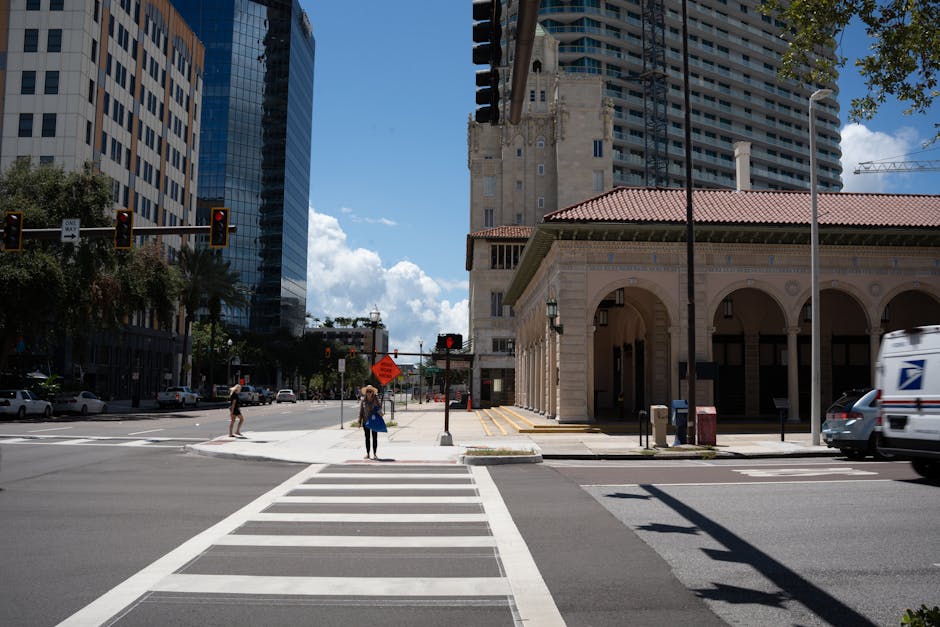
Strategic Migration: The Executive Influx
A primary driver of this residential shift is the migration of executive leadership and corporate decision-makers to the region. The decision for C-suite professionals to anchor in the area is often motivated by the synergy between the professional landscape in St. Petersburg and the residential exclusivity of Tampa. Insights from The Business Journals highlight that executives are increasingly choosing the Tampa Bay area for its unique balance of connectivity and privacy. This trend has direct implications for luxury real estate, as these buyers typically demand properties that function as both personal sanctuaries and sophisticated venues for professional networking.
The movement of talent is not just limited to financial services or technology; it spans a broad spectrum of industries that value the tax advantages and business-friendly environment of Florida. When executives move their families here, they look for specific neighborhood characteristics: proximity to private aviation, elite educational institutions, and secure, gated environments. Areas such as Venetian Isles and various South Tampa neighborhoods have seen a surge in interest from this demographic, leading to a tightening of available inventory in the $5 million to $10 million range.
This executive migration also influences the types of amenities that are becoming standard in high-end builds. Home offices are no longer afterthoughts but are integrated suites with independent connectivity and acoustic privacy. Similarly, the demand for expansive, multi-car garages and integrated security systems has become a baseline requirement. As this buyer class continues to expand, the pressure on existing inventory will likely sustain the current pricing trajectories, making early acquisition a strategic necessity for those planning a permanent relocation.
Waterfront Assets and Structural Integrity
Waterfront property remains the most coveted asset class in the region, yet it requires the highest level of technical due diligence. As noted by The National Law Review, Tampa Bay’s waterfront has emerged as a primary luxury real estate market, attracting significant legal and financial scrutiny regarding coastal resilience and structural standards. Buyers must evaluate these properties through a lens of risk management, focusing on seawall height, foundation engineering, and elevation compliance.
Inventory along the coast is finite, and the emergence of modern architectural styles has begun to replace older, legacy homes. This cycle of redevelopment ensures that the waterfront remains competitive, but it also creates a wide variance in pricing based on the age of the structure and its adherence to current building codes. Properties like those recently offered in Venetian Isles demonstrate the premium placed on modern waterfront construction that combines aesthetic appeal with rigorous engineering standards, as detailed in reports from Haute Living.
For those interested in the most exclusive riparian rights, a thorough review of Riparian Rights and submerged land leases is essential. Understanding the nuances of dockage depth and bridge clearances is often the difference between a property that fits your needs and one that presents logistical challenges. You can evaluate the current availability of these high-tier assets by browsing our curated LISTINGS URL, where we filter for properties that meet these exacting technical specifications.
Technical Due Diligence Checklist
When assessing a high-value residential asset in the current market, certain variables carry more weight than others. Use the following checklist to guide your initial walk-through and professional inspection phase:
- Verify the age and material of the seawall and any associated dockage infrastructure.
- Evaluate the elevation certificate against current flood zone requirements to determine insurance implications.
- Assess the maturity and maintenance history of the HVAC and smart home integration systems.
- Confirm the stability of the Homeowners Association (HOA) reserves if looking in a deed-restricted community.
- Review the historical permit records for any significant renovations or structural additions.
- Analyze the parcel’s setback requirements and potential for further expansion or amenity additions.
The High-Rise Equation: Condo Market Realities
While single-family estates often dominate the conversation, the luxury condo market in Tampa is entering a sophisticated new phase. According to Tampa Bay Business & Wealth, the region remains an early-stage luxury condo market compared to South Florida, which presents a unique opportunity for buyers. New developments are focusing on “vertical estates” that offer the same privacy and square footage as traditional homes but with the added benefit of concierge services and shared amenities.
The appeal of the high-rise lifestyle is particularly strong for those transitioning from dense urban environments like New York or Chicago. These buyers are looking for a turnkey experience that allows for easy travel without the maintenance burdens of a large land parcel. However, the condo market requires a different set of analytical tools. One must look closely at the developer’s track record, the unit-to-amenity ratio, and the projected monthly carrying costs. In an early-stage market, the first-mover advantage often results in better floor plan selections and more favorable price-per-square-foot entry points.
As the skyline continues to evolve with projects in Water Street and along Bayshore Boulevard, the distinction between various buildings becomes more pronounced. Some towers focus on ultra-luxury amenities like private elevators and rooftop social clubs, while others prioritize expansive balconies and unobstructed views of the bay. Understanding which development aligns with your specific use case is critical for long-term satisfaction and resale potential. The shift toward higher density in the luxury sector is a clear indicator of the city’s overall urban maturation.
Inventory Constraints and Pricing Trajectories
The current market reality is one of limited supply and high competition for top-tier properties. With only 120 active luxury listings, buyers must be prepared to act decisively when a property meets their criteria. The Tampa Bay Times has documented the most expensive sales of the year, showing that properties priced correctly for their condition and location are moving quickly, often before they hit the public market. This “off-market” activity is a hallmark of a mature luxury ecosystem.
For buyers, this means that public search tools are often lagging indicators of what is truly available. Establishing a relationship with a senior advisor who has access to private networks and upcoming listings is essential. The average list price of over $3.1 million reflects a market that is consolidating its gains, rather than one in a state of flux. While interest rate movements affect the broader market, the luxury tier remains largely driven by cash transactions and strategic asset reallocation, making it more resilient to short-term economic volatility.
Looking forward, the scarcity of developable land in premium neighborhoods like Beach Park or Palma Ceia suggests that pricing will remain robust. New construction is the primary driver of value, and buyers are willing to pay a premium for properties that do not require immediate capital expenditure for updates. When evaluating a potential purchase, consider not just the current list price, but the replacement cost of the structure and the intrinsic value of the location. These fundamentals are what preserve wealth across market cycles.
Lifestyle Infrastructure and Cultural Capital
A luxury residence is only as valuable as the environment that surrounds it. Tampa has seen a significant investment in its cultural and social infrastructure, which supports the “primary residence” narrative. Events like Riverfest and the various festivals noted by Axios contribute to a sense of place that goes beyond the property line. This livability is what keeps high-net-worth families in the area year-round.
The integration of professional sports, fine dining, and world-class healthcare within a small geographic radius makes the region exceptionally functional. Whether it is the ease of attending a concert at the amphitheater or a quiet weekend exploring the dining scene in Hyde Park, the city offers a high level of utility for its residents. The weather also plays a role; with temperatures in early May reaching the low 30s Celsius and minimal rain, the year-round outdoor lifestyle is a consistent draw for those relocating from less temperate climates.
Ultimately, the decision to acquire a luxury property in Tampa is a decision to invest in the city’s future. The convergence of corporate growth, infrastructure development, and a tightening inventory of high-quality homes creates a compelling case for the regional market. To discuss how these market movements impact your specific real estate goals or to gain access to private inventory, we invite you to CONTACT URL an advisor today. Our team provides the analytical depth and local context required to navigate the complexities of high-value transactions with confidence.
Your next move in Tampa luxury
Get current inventory, pricing guidance, and private-tour support from our brokerage team.
Source highlights
- Column: Why executives keep choosing St. Pete – The Business Journals
- Tampa’s Price Record Is $22.5 Million. This Huge Estate Is Asking $115 Million. – WSJ
- Tampa Bay’s most expensive luxury home sales of 2025 – Tampa Bay Times
- Why Tampa remains an early-stage luxury condo market – Tampa Bay Business & Wealth
- Jennifer Zales Unveils Venetian Isles Waterfront Luxury Now Offered At A New Price – Haute Living
- Tampa Bay’s Waterfront Emerges as a Primary Luxury Real Estate Market – The National Law Review
- Things To Do In Tampa This Weekend: Best Festivals & Events Going On – That's So Tampa
- Riverfest and other events take over Tampa this weekend | What to know before you go – wtsp.com



