



The New Benchmark: Tampa Ultra-Prime Valuations
The Tampa luxury real estate sector has undergone a fundamental structural shift. Historically perceived as a high-value alternative to Miami or Palm Beach, the local market now commands attention as a primary global destination for significant capital. This evolution is most visible in the recent entry of ultra-prime estates into the market, with some properties now seeking valuations that previously felt unreachable for the region. The shattering of the previous $22.5 million price record is not merely a statistical anomaly; it represents a new baseline for the most prestigious waterfront corridors.
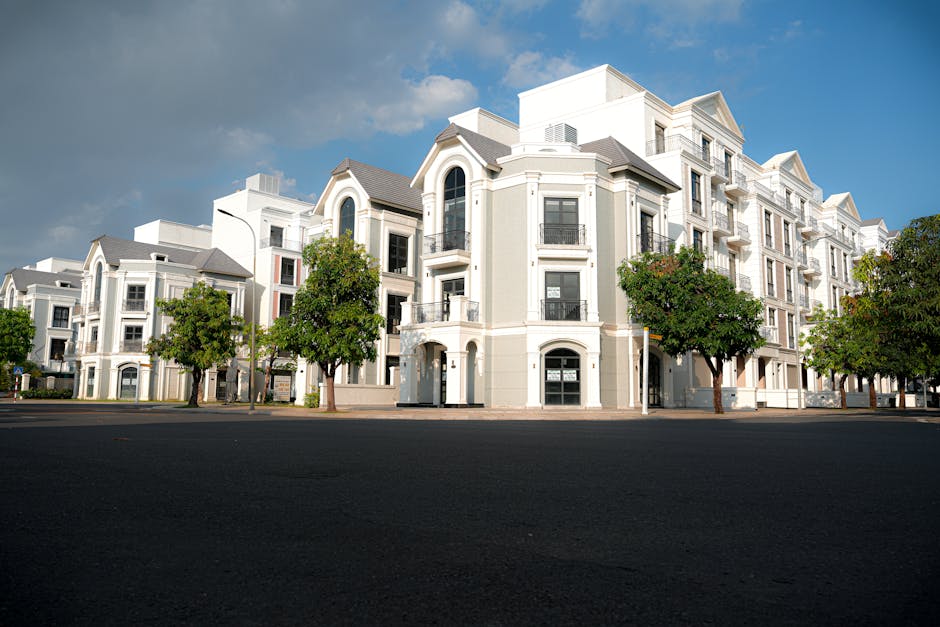
As reported by the Wall Street Journal, the emergence of a $115 million asking price for a single estate highlights the confidence institutional and private investors now place in Tampa Bay assets. This shift is driven by a lack of trophy inventory and an influx of ultra-high-net-worth individuals who prioritize privacy, security, and proximity to emerging economic hubs like Water Street and the Westshore District. For the sophisticated buyer, the focus has moved from simple square footage to the scarcity of the lot and the architectural pedigree of the structure.
Current market data supports this upward trajectory. With a median list price of approximately $2,498,800 across the top tier, the entry point for luxury has stabilized well above historic norms. Sellers are no longer testing the waters with speculative pricing; instead, they are presenting finished products that meet the exacting standards of a global audience. This environment requires a nuanced approach to valuation, moving beyond simple comparables to understand the intrinsic value of rare waterfront positioning and superior construction quality.
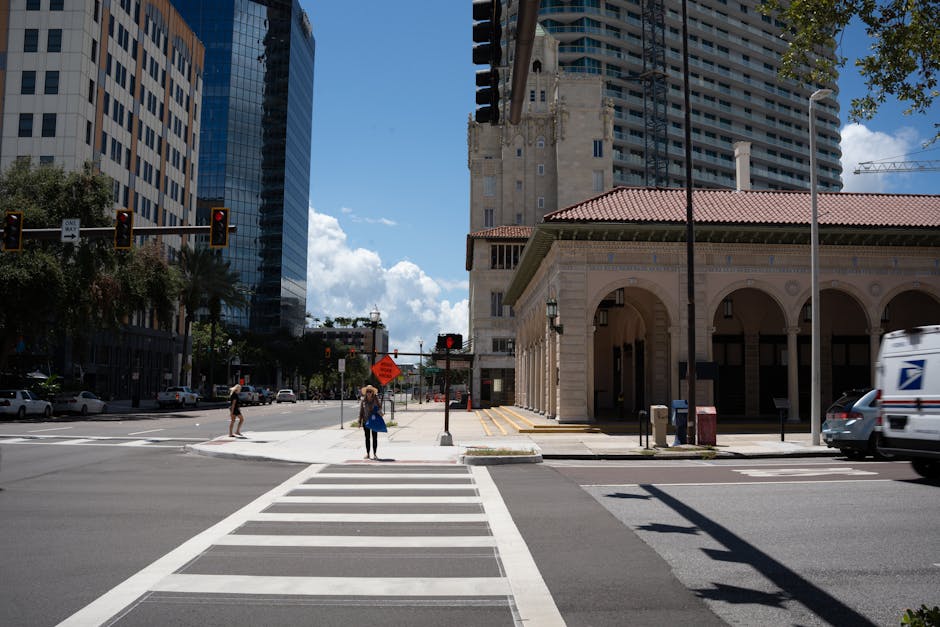
Neighborhood Allocation: Analyzing South Tampa and Davis Islands
Neighborhood selection in the current environment requires an understanding of both historical stability and future growth potential. South Tampa remains the anchor of the luxury market, with areas like Beach Park and Culbreath Isles seeing sustained demand for modern transitional and Mediterranean Revival estates. The buyer behavior here is increasingly characterized by a preference for move-in-ready assets, as the cost and complexity of new construction continue to rise. Proximity to elite private schools and the social infrastructure of the city remains a primary driver for family-oriented wealth.
Davis Islands continues to command a premium due to its unique combination of seclusion and immediate access to downtown amenities. The island’s geography creates a natural limit on inventory, ensuring that well-maintained waterfront properties retain their value even during broader market fluctuations. We are seeing a trend where buyers are consolidating multiple lots to create expansive family compounds, further reducing the number of available opportunities. This concentration of wealth is fostering a hyper-local economy that supports high-end retail and private services tailored to the island’s residents.
Investors should also monitor the movement in Hyde Park, where the blend of historic charm and modern luxury continues to attract a younger, tech-focused demographic. The walkable nature of this area, combined with the ongoing expansion of the Oxford Exchange and Hyde Park Village corridors, provides a level of urban integration that is rare in traditional luxury enclaves. This neighborhood-level granularity is essential for advisors when helping clients decide between the privacy of a gated waterfront estate and the connectivity of an urban luxury residence.
The Vertical Evolution: Navigating the Early-Stage Condo Market
While single-family homes dominate the headlines, the vertical luxury segment is entering a critical phase of maturity. According to analysis from Tampa Bay Business & Wealth, the region remains an early-stage market for high-rise residential options. This presents a unique opportunity for buyers who are accustomed to the full-service environments of New York or Chicago but seek the tax advantages and growth of Florida. The quality of finishes and amenity packages in the newest developments along Bayshore Boulevard and within Water Street are now on par with international standards.
The appeal of the high-rise format lies in the ‘lock-and-leave’ capability, which is particularly attractive to the increasing number of seasonal residents who maintain homes in multiple jurisdictions. These buyers are looking for integrated wellness centers, private dining, and high-level concierge services that traditional neighborhoods cannot provide. However, evaluating these projects requires a careful look at developer track records and the long-term management structure of the homeowner associations. Early entry into these projects can offer significant capital appreciation as the surrounding infrastructure matures.
As the inventory of prime land for single-family homes diminishes, the shift toward luxury condominiums is expected to accelerate. This transition is not just about density; it is about providing a curated lifestyle that maximizes the views of Hillsborough Bay and the Tampa skyline. Buyers must differentiate between generic high-rises and true luxury offerings that provide private elevator access, expansive outdoor terraces, and the level of acoustic privacy required for high-stakes professional work. Understanding the nuances of these vertical communities is a key component of a comprehensive real estate strategy.
Critical Verification Points for Tampa Waterfront Assets
Acquiring a high-end property in the Tampa region requires a rigorous due diligence process that goes beyond standard inspections. The environmental and regulatory landscape for waterfront assets is complex, and errors in the pre-purchase phase can lead to significant long-term liabilities. Advisors must ensure that clients are looking at the health of the infrastructure, not just the aesthetic appeal of the home. The following checklist serves as a foundation for a sophisticated acquisition strategy.
- Seawall and Dock Integrity: Professional engineering assessments of existing marine structures to determine remaining lifespan and compliance with current coastal standards.
- Finished Floor Elevation: Verification of current elevation certificates against new FEMA flood maps and local building codes to ensure insurance predictability.
- Riparian and Submerged Land Rights: Detailed title review to confirm legal access to waterways and any existing or potential restrictions on dock expansion.
- Insurance Market Exposure: Analysis of current and projected premiums for wind, flood, and excess liability coverage through specialized high-value carriers.
- Permit History and Mitigation Credits: Review of all historical modifications to the property to ensure no outstanding violations or unpermitted coastal work exists.
- Privacy and View Corridor Protection: Assessment of neighboring land use and potential for future developments that could obstruct views or compromise seclusion.
By addressing these points early in the negotiation process, buyers can secure more favorable terms and avoid properties with hidden structural or legal defects. Waterfront ownership is a privilege that carries specific responsibilities; proactive management of these factors is the only way to ensure the asset’s long-term viability. This analytical approach is what separates a standard transaction from a strategic wealth placement.
Executive Migration: Why High-Net-Worth Individuals Choose the Suncoast
The movement of corporate leadership to the Tampa Bay area is no longer a trend; it is a permanent shift in the regional economy. As noted by The Business Journals, executives are increasingly choosing the St. Pete and Tampa corridors for their professional bases. The primary catalysts are well-documented: a favorable tax environment, a high quality of life, and a growing ecosystem of venture capital and professional services. This influx of high-level talent is creating a virtuous cycle, driving up demand for high-end residential assets and supporting a more sophisticated local infrastructure.
These buyers are looking for more than just a place to live; they are looking for a community that reflects their professional ambitions and personal values. They often prioritize properties that offer dedicated office suites, advanced security systems, and proximity to private aviation facilities like Tampa International or St. Pete-Clearwater. The ability to conduct global business from a home that offers immediate access to the Gulf of Mexico or the downtown arts scene is a powerful motivator for this demographic. This segment of the market is less sensitive to interest rate fluctuations and more focused on the long-term utility and prestige of the asset.
The cultural maturation of the region, including the expansion of the Tampa Museum of Art and the success of professional sports franchises, adds another layer of appeal. High-net-worth buyers are increasingly involved in local philanthropy and board leadership, further rooting themselves in the community. This deep integration suggests that the current demand for luxury housing is not speculative but is based on a fundamental commitment to the region. This stability is a key indicator for investors looking for markets with strong downside protection and consistent growth potential.
Inventory Dynamics and the Resilience of the Median Price
With approximately 120 active luxury listings currently on the market, the supply of high-end homes remains tight relative to the volume of qualified buyers. The average list price of $3,172,412 reflects the concentration of high-value assets currently available. We are seeing a market where quality is the primary filter. Properties that are dated or poorly positioned are staying on the market longer, while those that offer modern amenities and prime locations are moving quickly, often with multiple offers. This bifurcation is a sign of a healthy, discerning market.
Specific examples, such as the estate at 2 Troutwater Lane listed for $2,650,000, demonstrate the value found in established gated communities that offer larger acreage and privacy. Simultaneously, urban-adjacent opportunities like 6304 N Florida Avenue, priced at $2,200,000, highlight the growing interest in luxury redevelopment within historic corridors. This diversity of inventory allows buyers to tailor their search to their specific lifestyle needs, whether they favor the traditional waterfront or an emerging inland enclave. The market is showing remarkable resilience, with median prices holding steady despite broader economic headwinds.
For sellers, the current environment demands a sophisticated marketing strategy that emphasizes data and exclusivity. High-quality imagery, detailed floor plans, and comprehensive due diligence packages are now standard requirements. For buyers, the challenge is identifying value in a market where the headline numbers can be daunting. Success in this market requires a move away from emotional decision-making toward an analytical framework that considers total cost of ownership and long-term appreciation. Understanding the underlying drivers of Tampa’s economic growth is essential for making informed real estate decisions.
Future-Proofing: Long-Term Outlook for the Tampa Bay Region
The long-term trajectory for Tampa luxury real estate is one of continued institutionalization and refinement. As the city continues to attract global capital and top-tier talent, the real estate market will reflect this increased prestige. According to the Florida Trend real estate reports, the state’s growth continues to outpace much of the country, with Tampa Bay serving as a primary engine for that expansion. The focus for the next decade will be on sustainable development, improved transit connectivity, and the continued revitalization of the waterfront.
Investors should look for assets that offer ‘future-proof’ features: high elevation, sustainable building materials, and adaptable floor plans that can accommodate changing professional and personal needs. The shift toward a more urban, walkable luxury experience in the downtown core will likely continue, even as the traditional waterfront enclaves maintain their status. The integration of technology into the home, from advanced energy management to high-level security, will become an even greater differentiator in the luxury tier. The goal is to own an asset that remains relevant and desirable as the city’s profile continues to rise.
Navigating this complex landscape requires more than just access to the MLS; it requires a partnership with advisors who understand the neighborhood-level nuances and the macroeconomic drivers of the Florida market. The current window of opportunity in Tampa is characterized by a unique balance of maturity and remaining growth potential. Whether you are looking to secure a primary residence, a seasonal retreat, or a strategic addition to a real estate portfolio, the Tampa Bay region offers a compelling case for capital preservation and growth. To explore the current inventory of exclusive properties, browse our curated listings and contact a senior advisor to discuss your specific requirements and strategic objectives.
Your next move in Tampa luxury
Get current inventory, pricing guidance, and private-tour support from our brokerage team.
Source highlights
- Column: Why executives keep choosing St. Pete – The Business Journals
- Tampa’s Price Record Is $22.5 Million. This Huge Estate Is Asking $115 Million. – WSJ
- Tampa Bay’s most expensive luxury home sales of 2025 – Tampa Bay Times
- Why Tampa remains an early-stage luxury condo market – Tampa Bay Business & Wealth
- Jennifer Zales Unveils Venetian Isles Waterfront Luxury Now Offered At A New Price – Haute Living
- Florida Trend Real Estate – Florida Trend
- Things To Do In Tampa This Weekend: Best Festivals & Events Going On – That's So Tampa
- Things To Do In St Pete This Weekend: Best Festivals & Events Going On In St Petersburg – I Love the Burg



