


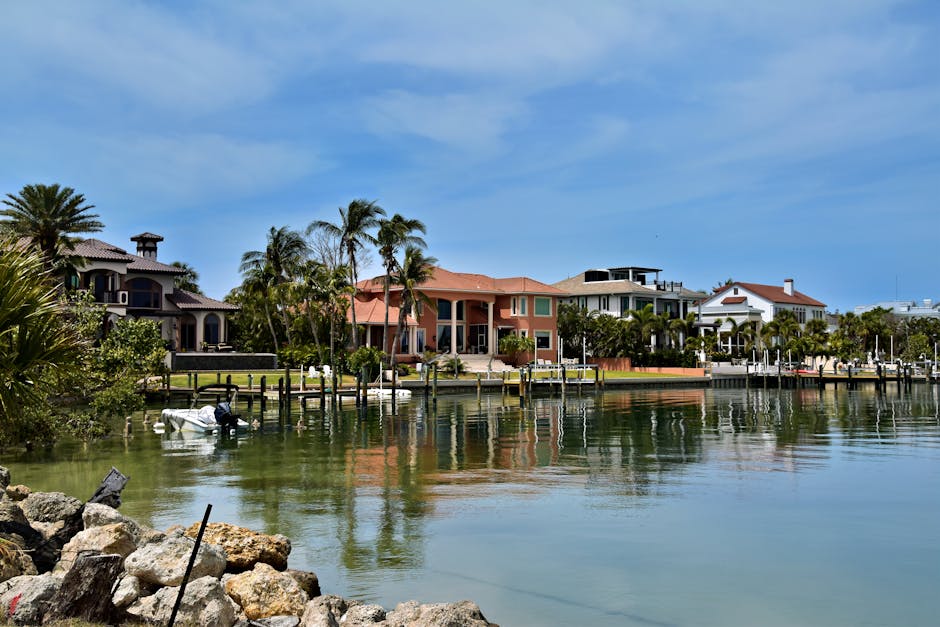
The Evolution of the High-End Tier in Tampa
For the past decade, the Tampa luxury market was often defined by its relative value compared to South Florida or the Northeast. However, the current landscape has shifted. We are witnessing a fundamental repricing of prime assets, driven by a scarcity of turnkey waterfront inventory and a massive influx of out-of-state capital. With active luxury inventory holding at approximately 120 units and a median list price now approaching $2,500,000, the entry point for what constitutes a ‘premium’ property has moved significantly higher. The market is no longer just looking for square footage; it is looking for architectural significance and technological integration.
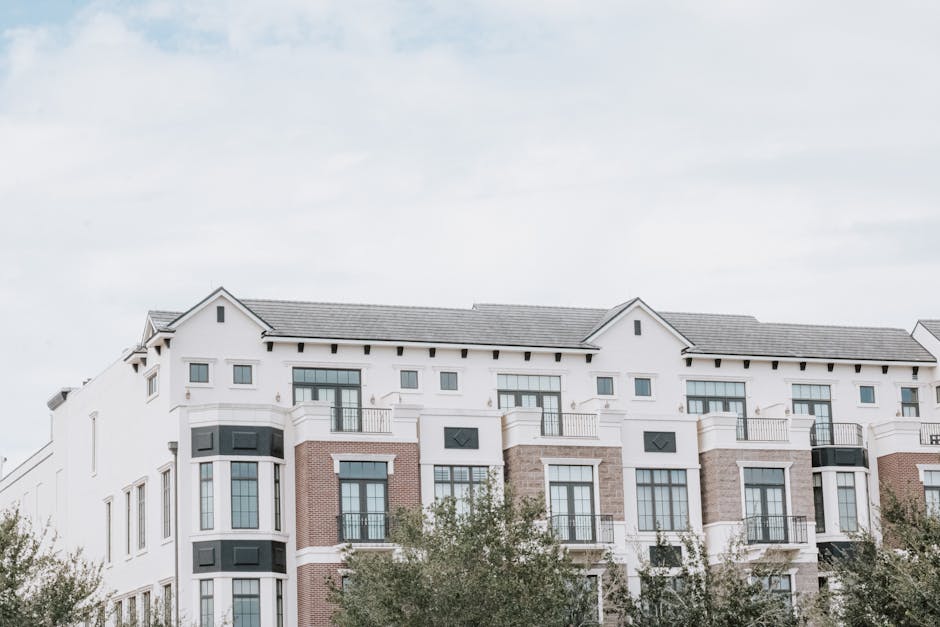
The ceiling for local residential real estate is also being shattered. While the previous price record stood at $22.5 million, new listings are testing the $100 million threshold, as noted in recent reports by the Wall Street Journal regarding massive estates in the region. This widening gap between the median list price and the average list price—which currently sits above $3.1 million—highlights a robust ultra-luxury sub-segment that is beginning to operate independently of broader market trends. For the sophisticated buyer, this means that historical comps are less relevant than current replacement costs and the unique ‘trophy’ status of a property.
Understanding this movement requires looking past the general statistics. The rapid absorption of homes priced above $5 million indicates that demand remains concentrated at the very top of the stack. Buyers are prioritizing privacy and immediate occupancy over the potential for renovation. In areas like South Tampa and the coastal stretches of Hillsborough County, the premium for ‘new’ or ‘fully restored’ is at an all-time high, often commanding a 30% to 40% markup over legacy luxury builds from the early 2000s.

Neighborhood Dynamics: Davis Islands vs. Hyde Park
When advising clients on long-term value retention, the comparison between Davis Islands and Hyde Park remains the central debate. Davis Islands offers the quintessential waterfront experience with deep-water docks and unobstructed views of the bay. It remains the preferred enclave for those requiring privacy and maritime access. Here, the value is tied directly to linear feet of water frontage and the integrity of the seawall. Buyers should be particularly attentive to the recent architectural shift toward modern coastal designs that maximize glass and elevation, moving away from the Mediterranean styles that dominated the previous cycle.
In contrast, Hyde Park offers a different type of luxury: walkable urbanism and historic prestige. The demand here is driven by proximity to the high-end retail and dining at Hyde Park Village and the continuous activity along Bayshore Boulevard. While lot sizes are generally smaller than those on the Islands, the price per square foot often rivals waterfront properties due to the scarcity of historic bungalows and estates that have been modernized for contemporary living. The buyer behavior in Hyde Park is increasingly focused on the quality of the finish and the ‘lifestyle’ radius of the property rather than just the land value.
Beyond these two anchors, Beach Park and Sunset Park are emerging as formidable alternatives for families seeking larger lots and newer construction. These areas provide a more suburban feel while maintaining the proximity to the Westshore business district. We are seeing a trend where executives who previously focused exclusively on the coastal corridors are now looking at high-acreage inland estates to secure more private compound-style living. This diversification of interest is stabilizing the luxury floor across the entire South Tampa peninsula.
The Vertical Transformation and Condo Maturity
Tampa is currently in what experts describe as an early-stage luxury condo market. For years, the region lacked a true ‘sky-rise’ luxury inventory that could compete with Miami or New York. That has changed with the development of the Water Street district and several boutique towers along Bayshore. According to Tampa Bay Business & Wealth, this sector is still maturing, providing an interesting window for buyers who prefer the amenities of a managed building over the maintenance of a single-family home. The value proposition here is heavily weighted toward services—private elevators, 24-hour concierge, and exclusive wellness centers.
Wait times for new construction remain a factor, but the secondary market for recently completed luxury towers is proving resilient. Resale values in these buildings are being driven by a lack of future supply in prime locations. Investors and second-home buyers are recognizing that the ‘best’ views are already being built out, creating a permanent moat for early-adopter units. When evaluating a condo purchase, the focus must be on the long-term management of the building and the exclusivity of the resident amenities, as these factors will dictate future liquidity.
The integration of the Water Street district has also created a new urban luxury core that didn’t exist five years ago. This area appeals to a younger, more transient high-net-worth demographic that prioritizes proximity to Amalie Arena and Sparkman Wharf. The synergy between commercial growth and residential luxury in this district is a strong indicator of sustained demand. As corporate headquarters continue to relocate to the downtown core, these high-end vertical residences are becoming the primary choice for relocated executives who value a lock-and-leave lifestyle.
Strategic Selection: A High-End Buyer’s Checklist
Navigating a market with a median list price of $2.5 million requires more than just an aesthetic eye. It requires a technical approach to due diligence that accounts for environmental factors, future development, and structural integrity. In a high-velocity market, it is easy to overlook the fundamentals. Use the following metrics to evaluate any potential acquisition in the Tampa luxury space:
- Elevation and Flood Risk: Verify the current FEMA maps and the property’s finished floor elevation, as this impacts both insurance premiums and long-term resale potential.
- Seawall and Dock Integrity: For waterfront properties, an independent structural assessment of the seawall is non-negotiable, given the high cost of replacement.
- Modernization Capability: If the home is older than 20 years, ensure the electrical and HVAC systems can support the latest smart-home and security technologies.
- Privacy Buffers: Investigate neighboring parcels for potential future developments or zoning changes that could obstruct views or increase noise levels.
- Comparable Velocity: Look at the days-on-market for similar tier properties within the specific neighborhood, not just the general city average.
Executing on these points ensures that your investment is grounded in data rather than emotion. While many buyers are drawn to the visual appeal of a property, the long-term winners in the Tampa market are those who prioritize the ‘invisible’ assets of a home. We frequently see buyers skip these steps in a competitive bidding situation, only to face significant capital expenditures within the first three years of ownership. A senior advisor will always push for these verifications before the contract is binding.
Executive Migration and Economic Stability
The strength of the Tampa luxury market is deeply tied to the broader economic health of the Florida Gulf Coast. We are seeing a consistent trend of high-level executives choosing the Tampa and St. Petersburg areas for their primary residences, often relocating entire corporate teams with them. As reported by The Business Journals, this influx is driven by the region’s business-friendly climate and the quality of life offered by our coastal neighborhoods. This institutional support provides a level of price stability that few other metropolitan areas can match in the current economic environment.
Furthermore, the diversification of the local economy into tech and finance has reduced the market’s reliance on the tourism sector. This shift is reflected in the types of properties being built—there is a greater emphasis on sophisticated home offices, high-speed connectivity, and multi-purpose spaces that facilitate a hybrid work model. The luxury buyer in Tampa is increasingly a full-time resident rather than a seasonal visitor, which contributes to a more stable and less volatile real estate cycle.
Current trends in Florida Trend Real Estate analysis suggest that the ‘work-from-home’ premium is still very much in play. Properties that offer dedicated, sound-insulated workspaces and professional-grade networking infrastructure are moving faster than those that do not. In a market where the average list price is over $3.1 million, these functional details are no longer considered upgrades; they are expectations. Buyers are looking for homes that act as high-functioning hubs for both their personal and professional lives.
Risk Mitigation and Pricing Strategy
As we navigate through May 2026, pricing strategy has become more complex. While inventory remains low at 120 units, the cost of capital and the saturation of certain price points require a disciplined approach. We are advising sellers to be precise in their initial positioning. Overpricing a luxury asset in this environment can lead to stagnation, as high-net-worth buyers are more informed and analytical than ever before. For buyers, the opportunity lies in identifying ‘mispriced’ assets that have sat on the market due to poor marketing or minor cosmetic hurdles.
Appraisal gaps are another area where expert guidance is critical. In a market where a single transaction can reset the neighborhood high, traditional bank appraisals often struggle to keep pace with market reality. We work closely with specialized appraisers who understand the nuances of the South Tampa and waterfront tiers. Ensuring that a transaction is supported by a comprehensive valuation report—one that accounts for replacement costs, architectural pedigree, and recent off-market sales—is essential for both financing and personal peace of mind.
Ultimately, the Tampa market is maturing into a destination where quality of life meets financial logic. The combination of no state income tax, a growing professional class, and limited geographical room for expansion creates a compelling case for luxury real estate as a core component of a wealth preservation strategy. Whether you are looking at a modern estate in Davis Islands or a historic renovation in Hyde Park, the focus should remain on the inherent value of the location and the structural integrity of the asset. The time for speculative buying has passed; we are now in an era of strategic acquisition.
To navigate this complex landscape effectively, you need more than just access to the MLS; you need a strategic partner who understands the neighborhood-level implications of every transaction. Whether you are looking to acquire a trophy property or position your estate for a record-breaking sale, our team provides the analytical depth and local context required for success. We invite you to explore the current LISTINGS URL to gauge the market for yourself, and when you are ready for a private consultation, CONTACT URL an advisor to discuss your specific objectives.
Your next move in Tampa luxury
Get current inventory, pricing guidance, and private-tour support from our brokerage team.
Source highlights
- Column: Why executives keep choosing St. Pete – The Business Journals
- Tampa’s Price Record Is $22.5 Million. This Huge Estate Is Asking $115 Million. – WSJ
- Tampa Bay’s most expensive luxury home sales of 2025 – Tampa Bay Times
- Why Tampa remains an early-stage luxury condo market – Tampa Bay Business & Wealth
- Jennifer Zales Unveils Venetian Isles Waterfront Luxury Now Offered At A New Price – Haute Living
- Florida Trend Real Estate – Florida Trend
- Things To Do In Tampa This Weekend: Best Festivals & Events Going On – That's So Tampa
- Things To Do In St Pete This Weekend: Best Festivals & Events Going On In St Petersburg – I Love the Burg



