



The Current State of Tampa High-Value Acquisitions
The Tampa luxury real estate sector has entered a phase of sophisticated stabilization as we move into the second quarter of 2026. Current market data reveals a landscape defined by limited, high-quality inventory, with only 120 active luxury listings currently available. This scarcity has pushed the median list price to $2,498,800, while the average list price has climbed to $3,171,587. For the discerning buyer, these figures represent more than just entry points; they indicate a market where value is increasingly concentrated in properties that offer specific architectural merit or prime geographical positioning.
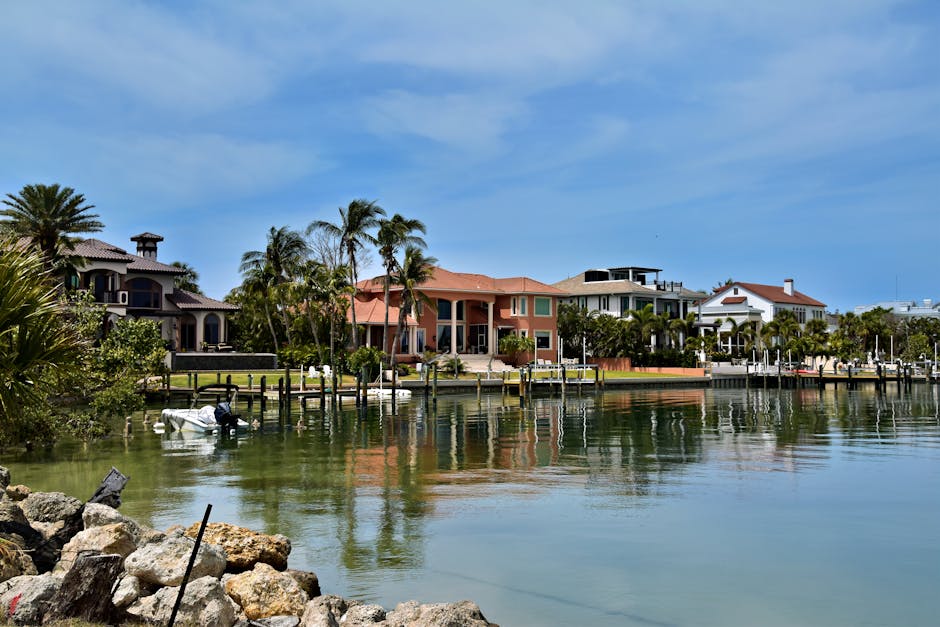
Acquisition strategies have shifted from the rapid-fire pace of previous years to a more methodical, analytical approach. Investors and residential buyers are no longer merely competing on price but are instead scrutinizing the long-term utility and structural resilience of assets. We are seeing a particular interest in properties that bridge the gap between traditional aesthetics and modern performance, such as the estate at 2 Troutwater Ln, which recently entered the market at $2,650,000. This property exemplifies the current demand for privacy and custom craftsmanship within established enclaves.
The move toward higher price floors is supported by broader economic trends within the Florida peninsula. According to recent data from the National Association of Realtors, luxury markets in metropolitan hubs are benefiting from sustained wealth migration and a preference for tax-efficient jurisdictions. In Tampa, this manifests as a robust appetite for residential, commercial, and land opportunities, where the underlying value of the location often rivals the value of the vertical improvements themselves.
Understanding the nuances of these figures requires a local perspective that goes beyond spreadsheets. The difference between a $2.2 million acquisition on Florida Avenue and a multi-million dollar estate on the waterfront is often found in the non-obvious details: the elevation of the lot, the maturity of the surrounding infrastructure, and the projected development of adjacent parcels. Navigating these variables is essential for any advisor-led acquisition strategy in the current climate.
Inventory Scarcity and New Development Dynamics
With inventory levels hovering near historic lows for the luxury tier, the competition for turnkey assets remains intense. Modern buyers increasingly prioritize move-in readiness, often willing to pay a premium to avoid the logistical hurdles of post-purchase renovations. This trend has placed a spotlight on new construction and meticulously maintained estates that offer immediate occupancy. The limited pool of 120 properties means that when a high-caliber home enters the market, it often commands multiple inquiries within the first 72 hours of listing.
The current average list price of over $3.1 million is a reflection of the high-end product hitting the market, including significant commercial-sale opportunities and land parcels ready for custom development. For those looking to build, the search for viable land has expanded into areas previously considered secondary, though the core demand remains fixed on established neighborhoods. High-net-worth individuals are increasingly looking at property types that offer versatility, such as residential lots that allow for secondary guest structures or extensive home office suites.
Market movement in 2026 is also characterized by a shift in how buyers perceive value in vertical living versus traditional estates. While the allure of a sprawling lawn remains, many are looking toward the high-service environments provided by new luxury towers. These developments offer a level of security and amenity access that is difficult to replicate in a single-family setting, appealing to those who split their time between multiple global locations. The decision between these two paths often hinges on the buyer’s requirement for privacy versus their desire for integrated lifestyle services.
Prospective owners should also consider the implications of current inventory turnover rates. Properties that linger on the market often do so because of pricing misalignments rather than a lack of buyer interest. A disciplined approach involves comparing recent closed sales in specific corridors—such as the luxury stretches of South Tampa or the expanding North Florida Avenue corridor—to ensure that list prices align with actual appraised values. This rigorous vetting process is a hallmark of the Bloomberg Real Estate analysis of premium markets, emphasizing the importance of data-backed decision-making.
Comparing Historic Enclaves vs. Modern Vertical Growth
Tampa offers a distinct contrast between its historic districts and the modern skyline. Areas like Hyde Park and Davis Islands continue to hold their status as premier destinations, where the value is anchored in architectural history and mature, tree-lined streets. In these neighborhoods, buyers often contend with stricter preservation guidelines but gain an atmospheric permanence that new developments cannot easily replicate. The investment here is as much in the heritage of the area as it is in the physical property.
Conversely, the rise of modern luxury in areas like the Water Street corridor and Westshore has introduced a different set of priorities. Here, the focus is on LEED-certified construction, floor-to-ceiling glass, and seamless technology integration. These properties are designed for the high-efficiency buyer who values proximity to the city’s financial and cultural centers. The choice between a historic bungalow and a modern penthouse is rarely about the price alone; it is an intentional selection of a daily operational framework.
The expansion of luxury into the Seminole Heights area, exemplified by high-value listings near the $2.2 million mark, highlights the diversification of the Tampa market. This growth is driven by a younger demographic of affluent buyers who seek a more eclectic, urban feel while maintaining the standards of high-end finishes and spacious lot sizes. This neighborhood-level movement suggests that the definition of luxury in Tampa is broadening, moving beyond traditional waterfront constraints to include high-design inland assets.
Strategic buyers often look at the long-term appreciation potential of these differing assets. While historic properties tend to offer more stable, slow-growth value, modern vertical developments often provide higher initial rental yields or short-term appreciation spikes following the completion of surrounding infrastructure. Advisors often suggest a balanced portfolio approach, considering how a coastal estate complements an urban condominium within the broader context of the WSJ Real Estate market trends for high-growth cities.
Due Diligence Checklist for the Tampa Luxury Buyer
In a market where the median transaction exceeds two million dollars, the margin for error in due diligence is slim. Sophisticated buyers must look beyond the aesthetic appeal of a property to understand the technical and legal frameworks that support its value. This is particularly true in coastal environments where environmental factors play a significant role in long-term asset protection. The following checklist serves as a baseline for any high-value acquisition in the region.
- Assess elevation and flood zone ratings relative to updated 2026 coastal management guidelines and insurance requirements.
- Verify littoral rights and dock permitting for waterfront properties in Davis Islands or the Shore Acres area.
- Audit smart-home infrastructure for compatibility with current high-bandwidth fiber standards and integrated security systems.
- Review architectural review board (ARB) restrictions for historic districts to understand limitations on future modifications.
- Evaluate proximity to private aviation hubs and logistical corridors for frequent travelers and executives.
- Analyze neighborhood-specific absorption rates for residential assets priced above the two-million-dollar threshold.
Each of these points requires coordination with specialists, from environmental engineers to land-use attorneys. For instance, the verification of dock permits is not merely a checkbox but a deep dive into local and state regulations that can significantly impact a property’s utility and resale value. Similarly, understanding the ARB restrictions in a neighborhood can prevent costly delays if a buyer intends to add a modern pool house or expand a kitchen footprint.
The analysis of absorption rates is perhaps the most critical piece of the puzzle. It provides a window into the liquidity of the asset. A neighborhood with a high absorption rate for luxury homes suggests a healthy demand-to-supply ratio, providing a level of confidence for the buyer’s exit strategy. This data-centric approach ensures that the acquisition is treated as a strategic investment rather than an emotional purchase, aligning with the standards of a senior buyer advisor.
The Impact of Local Culture and Events on Asset Value
The desirability of Tampa luxury real estate is intrinsically linked to the city’s evolving cultural and social calendar. The presence of world-class events provides a consistent draw for international and domestic visitors, many of whom eventually transition into residents. For example, the upcoming Riverfest events along the Hillsborough River demonstrate the city’s commitment to public spaces and waterfront activation. These cultural anchors increase the perceived value of nearby residential towers and estates by providing immediate access to premium entertainment and community engagement.
Beyond the major festivals, the consistent flow of high-end events—ranging from curated dining experiences to international art showcases—defines the lifestyle of the local affluent community. Monitoring the best festivals and events in the region allows buyers to understand the seasonal rhythms of their potential new home. This cultural density is a major factor for buyers who are moving from larger metropolitan centers like New York or London and expect a certain level of sophistication and activity.
The investment in the city’s infrastructure to support these events also has a direct impact on property values. Improved pedestrian connectivity, upgraded lighting, and enhanced security in event zones contribute to a sense of safety and premium living. When a city demonstrates a long-term commitment to its core urban experience, it provides a layer of security for property owners, knowing that the surrounding environment is being actively curated and improved.
Buyers should also note how these events influence the short-term rental market and seasonal demand. Properties located within walking distance of the Riverwalk or major event venues often see a higher demand for guest accommodations and luxury rentals during peak seasons. This secondary utility can be an attractive feature for those who do not plan to reside in Tampa year-round, providing a functional use for the property when it is not in personal use.
Buyer Behavior: The Rise of Lifestyle-Centric Investment
In 2026, the profile of the luxury buyer in Tampa has evolved to prioritize lifestyle integration over mere square footage. The modern buyer is often a high-performing professional who views their home as a multifunctional hub for work, wellness, and social engagement. This has led to a demand for properties with dedicated wellness suites, advanced air filtration systems, and soundproofed professional studios. The “home as a sanctuary” concept has matured into a technical requirement for high-end assets.
We are also observing a trend toward “lock-and-leave” flexibility. Many affluent individuals are opting for properties that can be easily managed remotely, with integrated smart systems that allow for the monitoring of environmental controls and security from anywhere in the world. This behavior is driving the success of luxury developments that offer concierge services and professional property management, allowing owners to transition between their various residences without the burden of traditional home maintenance.
The decision-making process is increasingly influenced by the availability of private education and healthcare facilities. Proximity to the region’s top-rated schools and specialized medical centers is a non-negotiable factor for many families entering the market. This focus on long-term family stability ensures that luxury enclaves with established reputations for safety and service remain at the top of the demand curve, even as newer areas begin to emerge.
For those looking to secure a position in this competitive market, the most effective strategy is one of preparation and precision. Understanding the current inventory and being ready to act when a property meets your specific criteria is essential. Whether your interest lies in the historic charm of the waterfront or the modern efficiency of an urban penthouse, the current market offers opportunities for those who approach it with a clear objective and a data-backed perspective. To begin your search, you may browse our current luxury homes for sale or reach out to our team to discuss your specific acquisition requirements.
The Tampa luxury market continues to offer a compelling value proposition for those seeking a blend of economic growth and high-quality living. As the city matures into a global destination, the assets acquired today are likely to stand as benchmarks for quality and design in the years to come. To navigate this landscape with confidence and secure an asset that aligns with your long-term goals, we invite you to contact an advisor for a private consultation and a tailored market briefing.
Your next move in Tampa luxury
Get current inventory, pricing guidance, and private-tour support from our brokerage team.
Source highlights
- Things To Do In Tampa This Weekend: Best Festivals & Events Going On – That's So Tampa
- Things To Do In St Pete This Weekend: Best Festivals & Events Going On In St Petersburg – I Love the Burg
- 40+ Best Things to Do in Tampa Bay this Month: Events and MORE! – Tampa Bay Date Night Guide
- Riverfest and other events take over Tampa this weekend | What to know before you go – wtsp.com
- Tampa weekend events: Riverfest, Plant Bingo and more – Axios
- Things to do with kids this weekend in Tampa, FL – That's So Tampa



