


The Evolution of Tampa as a Primary Luxury Destination
For decades, the Gulf Coast was viewed through a seasonal lens, characterized by secondary residences and transient wealth. Today, the landscape has fundamentally shifted. Tampa has emerged as a primary luxury market, a transition validated by record-breaking transactions and a sustained influx of high-net-worth individuals seeking permanent placement. This evolution is not merely a byproduct of national migration trends but a reflection of the city’s internal infrastructure maturity and the professionalization of its luxury residential sector.

Recent market data highlights this resilience. While other metropolitan areas have faced significant corrections, Tampa Bay’s luxury market remains strong despite national declines, signaling that local demand is decoupled from broader volatility. Buyers are no longer speculating on potential; they are securing assets in a region that has proven its capacity for long-term appreciation. The entry of ultra-high-end listings, including estates priced well into the nine-figure range, underscores a new tier of confidence in the local economy.
As of May 2026, the inventory landscape reflects this premium positioning. With a median list price for luxury properties hovering near $2,499,000, the barrier to entry has moved significantly. Acquisitions in areas like Davis Islands or the historic stretches of Hyde Park now require a sophisticated understanding of localized variables, from shoreline fortification to architectural heritage. Navigating this environment requires moving beyond surface-level aesthetics to evaluate the structural and economic integrity of each asset.

Waterfront Utility and the Scarcity of Shoreline
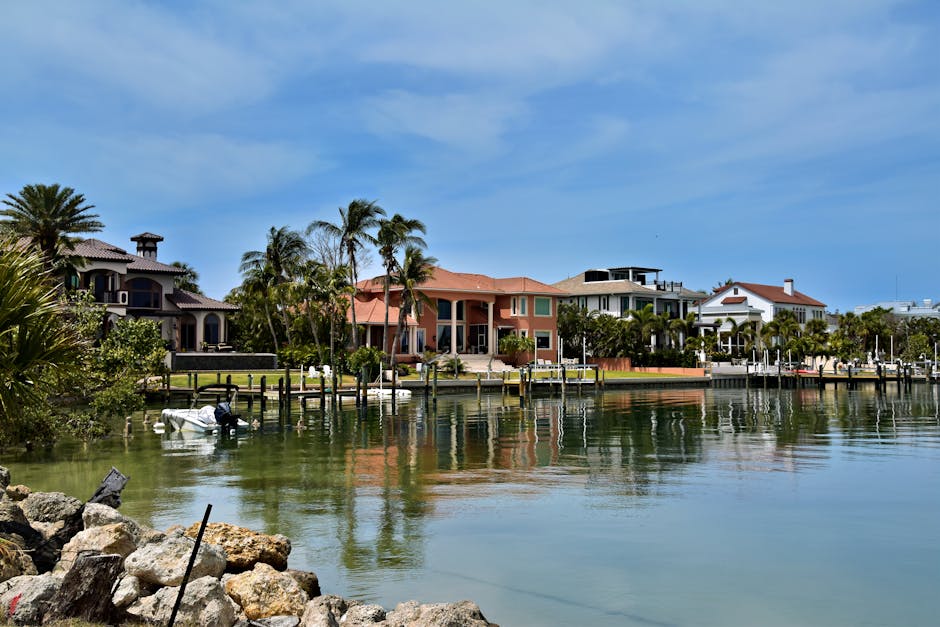
In the luxury tier, waterfront property remains the most aggressive driver of value. However, the definition of “waterfront” is being re-evaluated through a lens of utility and risk management. Discriminating buyers are prioritizing properties that offer deep-water access and robust protection against the elements over those that merely offer a view. The emergence of areas like Venetian Isles as primary hubs for waterfront luxury demonstrates a preference for modern coastal engineering combined with proximity to the central business district.
Current market movement shows that waterfront luxury inventory is being offered at strategic price points to attract decisive capital. Properties on Troutwater Lane or along the scenic corridors of Bayshore Boulevard are not just homes; they are finite pieces of geography. As the supply of buildable shoreline dwindles, the value proposition shifts from the dwelling itself to the underlying land value and the rarity of the maritime access it provides.
Verification of shoreline integrity is a non-negotiable step in the due diligence process. Buyers should compare the age and material of existing seawalls and evaluate elevation certificates with the same scrutiny applied to internal finishes. In an environment where waterfront assets are increasingly recognized as primary investments, the difference between a high-performing asset and a liability often lies in these invisible technical specifications. Modernizing a legacy waterfront estate requires a complex interplay of permitting and specialized construction that must be factored into the initial acquisition strategy.
The Vertical Shift: Maturity in the Condo Sector
For a long period, Tampa’s high-end residential market was dominated exclusively by single-family estates. However, the vertical market has matured rapidly, offering a compelling alternative for those seeking reduced maintenance without sacrificing scale. The shift toward luxury condominiums in the Westshore and Downtown corridors is not a trend, but a structural change in how urban density is managed at the high end. This sector provides a unique combination of security, concierge services, and immediate proximity to the city’s evolving cultural core.
Analysis by local experts suggests that Tampa remains an early-stage luxury condo market compared to established hubs like Miami or New York. This early-stage status offers a window for capital appreciation that is often closed in more saturated markets. Buyers are currently evaluating units that rival single-family homes in square footage, featuring expansive terraces and private elevator entries, while benefiting from the collective efficiency of a managed building.
Deciding between vertical and horizontal luxury depends heavily on the buyer’s long-term utility needs. While a single-family home on a lot near Florida Avenue or Dr Martin Luther King Jr Boulevard offers autonomy and expansion potential, a high-rise residence provides a turn-key solution for those with multi-city lifestyles. The key is to evaluate the HOA’s financial health and the long-term viability of the building’s amenities. In a maturing market, the quality of the developer and the property management team are as critical as the view from the penthouse.
Strategic Acquisition Checklist
- Assess shoreline fortification and current FEMA elevation requirements for all waterfront assets.
- Verify off-market availability through established brokerage networks to avoid competitive bidding wars.
- Evaluate the proximity to central nodes like Water Street and Midtown without sacrificing neighborhood privacy.
- Analyze the density of new construction in the immediate vicinity to gauge future inventory pressure.
- Review the history of architectural preservation in the area to ensure neighborhood character remains stable.
- Confirm maritime utility, including bridge clearances and mean low-water depth for vessel docking.
Lifestyle Utility and Infrastructure Integration
A sophisticated acquisition strategy must account for how a property integrates into the rhythm of the city. High-end buyers are increasingly sensitive to transit efficiency and the quality of local amenities. The ability to access premier events without significant logistical friction is a major component of a property’s utility. For instance, residents in the South Tampa corridors benefit from immediate access to the city’s most significant cultural gatherings, which adds a layer of experiential value to the real estate investment.
Infrastructure developments are also influencing buyer behavior. As city officials manage heavy traffic during major weekend events like Riverfest, the value of walkable or bikeable proximity to these hubs becomes apparent. Sophisticated buyers look for properties that offer a sanctuary from the bustle while remaining close enough to participate in the city’s best festivals and events. This balance of seclusion and connectivity is what defines the most successful luxury enclaves.
Furthermore, the variety of local engagement—from high-profile concerts to community-focused events like plant bingo and downtown family festivals—creates a textured lifestyle that supports long-term residency. When evaluating a neighborhood, consider the ease of navigation during peak times and the quality of nearby leisure options. A property that facilitates a seamless lifestyle will always command a premium in the resale market, regardless of broader economic shifts.
The Importance of Specialized Advisory
Navigating the upper echelons of the market requires more than a simple search for listings. Many of the most significant transactions in the region occur off-market, handled through private networks where discretion is the primary currency. A senior buyer advisor does not merely facilitate a transaction; they provide a buffer of expertise, identifying risks that are often obscured by high-end staging or aggressive marketing. In a market where the average list price exceeds $3.2 million, the cost of an oversight is substantial.
Sophisticated buyers understand that every neighborhood in the region has a unique micro-economy. The price per square foot on a quiet street in Beach Park may vary significantly from a similar property just a few blocks away. Professional advisors utilize real-time inventory context—such as the current active luxury count of 120 properties—to provide a realistic assessment of a buyer’s leverage. This data-driven approach ensures that offers are competitive yet grounded in the reality of the asset’s intrinsic value.
Ultimately, the decision to acquire a luxury asset in this region should be viewed as a long-term capital allocation. Whether you are comparing a contemporary estate in Westshore or a historic manor in Old Hyde Park, the goal is the same: the preservation of wealth through the acquisition of high-quality real estate. By focusing on data-backed insights and neighborhood-level implications, buyers can move forward with the confidence that their investment is positioned for stability and growth in one of the nation’s most resilient markets.
To evaluate the current selection of high-end assets and determine which neighborhoods align with your portfolio requirements, we invite you to browse our curated listings. Our team provides the analytical depth and local market intelligence necessary to navigate complex transactions with precision. To discuss a specific property or to initiate a confidential search for off-market opportunities, contact an advisor today.
Your next move in Tampa luxury
Get current inventory, pricing guidance, and private-tour support from our brokerage team.
Source highlights
- Tampa’s Price Record Is $22.5 Million. This Huge Estate Is Asking $115 Million. – WSJ
- Tampa Bay’s most expensive luxury home sales of 2025 – Tampa Bay Times
- Tampa Bay luxury market grows stronger despite national declines – The Business Journals
- Why Tampa remains an early-stage luxury condo market – Tampa Bay Business & Wealth
- Jennifer Zales Unveils Venetian Isles Waterfront Luxury Now Offered At A New Price – Haute Living
- Tampa Bay’s Waterfront Emerges as a Primary Luxury Real Estate Market – The National Law Review
- Things To Do In Tampa This Weekend: Best Festivals & Events Going On – That's So Tampa
- City of Tampa officials warn of heavy traffic amid Riverfest and other weekend events – wtsp.com



