


The Transition of Tampa Bay Equity
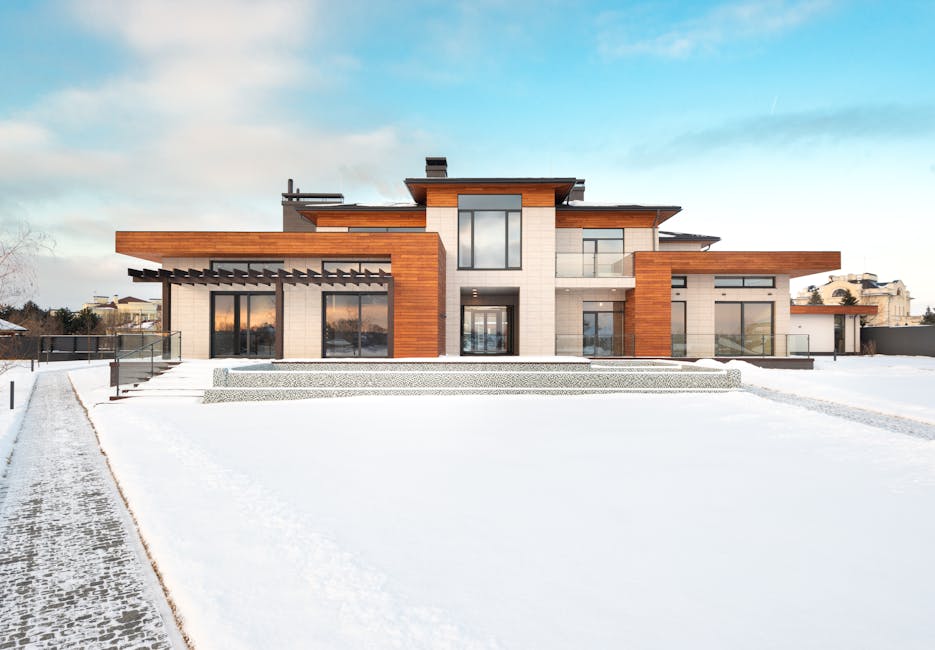
The Tampa luxury real estate sector has undergone a fundamental transformation, shifting from a regional interest to a primary destination for global wealth. This evolution is characterized by a significant increase in the baseline for high-end acquisitions. While the market previously categorized luxury at the million-dollar threshold, the current landscape demands a more sophisticated entry point. Investors are no longer just looking for residential space; they are seeking architectural provenance and long-term equity preservation in a region that has proven resilient to broader economic fluctuations.
Recent market activity underscores this shift toward ultra-high-net-worth assets. The presence of record-breaking listings, such as a massive estate asking $115 million, signals a new era of valuation for the region. This level of pricing was once reserved for Miami or Palm Beach, but Tampa’s increasing appeal to corporate executives and tech entrepreneurs has created a vacuum of high-quality inventory that builders and sellers are now racing to fill. For the serious buyer, this means competition is no longer based solely on price, but on the speed of execution and the ability to identify off-market opportunities before they reach a wider audience.
Understanding this transition requires a move away from traditional real estate tropes. Successful acquisition in 2026 is an exercise in data-backed decision-making. We are seeing a move toward more substantial, multi-generational compounds and smart-integrated estates that offer privacy without sacrificing proximity to the urban core. The focus has moved toward properties that offer a cohesive narrative of luxury, where every detail from the sea wall construction to the internal environmental controls meets a global standard of excellence.
Inventory Constraints and Valuation Benchmarks
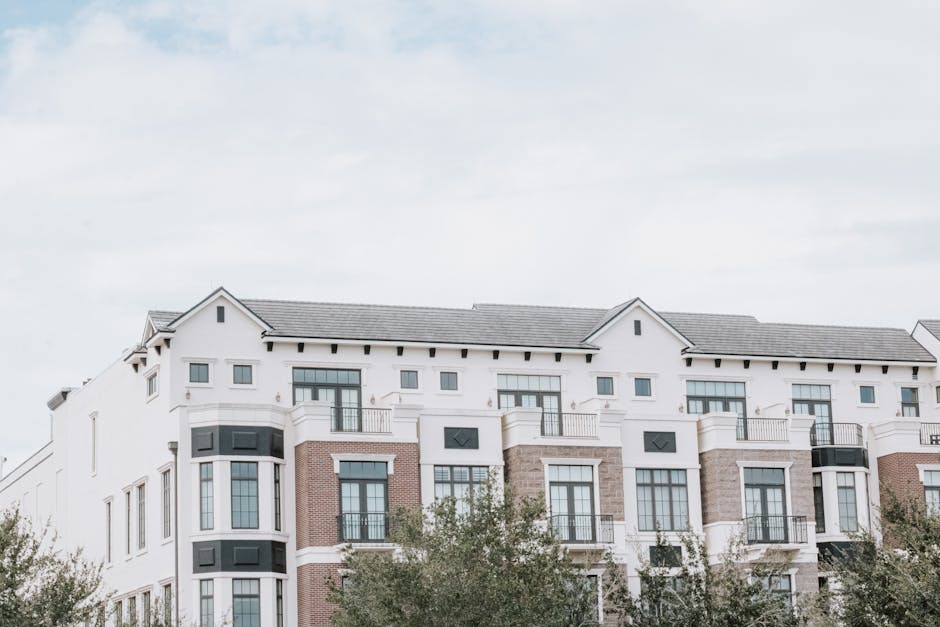
Current data indicates a highly concentrated inventory of luxury properties. With approximately 120 active luxury listings across the region, the market remains undersupplied relative to the volume of qualified buyers. The median list price has stabilized around $2,498,800, while the average list price reflects the influence of ultra-luxury estates, reaching $3,171,587. This gap between the median and average suggests that while the core luxury market is healthy, the top tier of properties is experiencing a unique level of appreciation and scarcity.
Buyers must differentiate between a property’s asking price and its functional value. In waterfront enclaves like Venetian Isles, we are seeing strategic price adjustments that reflect a more calculated approach to market entry. For instance, Venetian Isles waterfront luxury is being repositioned to align with current absorption rates, providing a window for buyers to secure prime lot locations. This necessitates a granular understanding of neighborhood-specific trends, rather than relying on broad metropolitan statistics which can be misleading in a fragmented market.
Property types are also evolving. While residential estates remain the primary focus, there is an increasing intersection with commercial sale and land opportunities as buyers look to custom-build their primary residences. The average price per square foot continues to climb, particularly in areas where lot sizes are limited and development is constrained by existing historic footprints. To navigate this, advisors must provide a comprehensive view of the lifecycle of the investment, factoring in current renovation costs and the future utility of the site.
Neighborhood Dynamics: Hyde Park to Davis Islands
The choice of neighborhood in Tampa is as much about lifestyle integration as it is about asset appreciation. Davis Islands continues to be a premier choice for those seeking a blend of privacy and accessibility, particularly with its private airport and proximity to the downtown area. Meanwhile, Hyde Park offers a more established, walkable luxury experience, where historic preservation meets modern high-end retail. The distinction between these areas lies in the buyer behavior; Davis Islands attracts those seeking waterfront acreage, while Hyde Park appeals to those prioritizing architectural character and social proximity.
The sales records from the past year highlight the intensity of these neighborhoods. Most expensive luxury home sales of 2025 show a recurring pattern: properties with substantial lot sizes in Beach Park and along Bayshore Boulevard are consistently commanding the highest premiums. These areas have become benchmarks for the region, setting the pace for appreciation across the wider market. For buyers, the challenge is identifying the next tier of value within these established sectors before the window for entry closes.
Bayshore Boulevard remains one of the most visible corridors of wealth in the city. The inventory here is often tightly held, with many transactions occurring through private networks rather than public listings. This reinforces the need for a local advisor who can provide access to these quiet listings. The movement of the market here is less about volume and more about the rarity of the asset, where a single sale can redefine the price floor for several blocks in either direction.
Strategic Acquisition Checklist
For high-net-worth individuals evaluating current opportunities, a structured approach to due diligence is essential. The following points represent the critical areas of focus for a successful acquisition in today’s environment:
- Verify the structural integrity of sea walls and dockage for all waterfront properties to ensure compliance with updated environmental regulations.
- Analyze the historical appreciation of the specific enclave, looking for consistent growth rather than speculative spikes.
- Evaluate the proximity to elite private education and the efficiency of commute times to the Westshore Business District.
- Assess the feasibility of post-sale modifications within local historic or architectural board guidelines to ensure your vision can be realized.
- Confirm the availability and waitlist status of memberships at nearby private golf and social clubs.
- Review the property’s elevation and modern insurance requirements to accurately forecast the long-term cost of ownership.
Each of these points represents a layer of risk management. In a market where the average list price exceeds $3 million, the cost of overlooking a detail like dockage permitting or historic board restrictions can be substantial. Successful buyers use this checklist to separate high-potential assets from properties that may have hidden liabilities. This analytical approach ensures that the final acquisition is not just a residence, but a cornerstone of a well-managed portfolio.
Vertical Luxury: The High-Rise Evolution
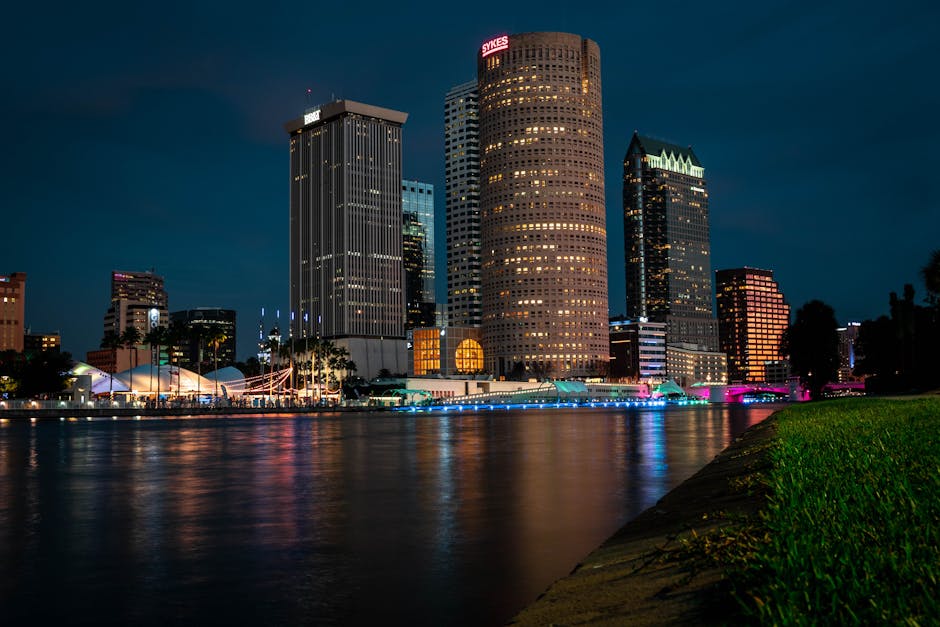
Tampa has historically been a market defined by sprawling estates, but the rise of vertical luxury is a significant trend for 2026. The development of high-rise residences in Water Street and along the downtown waterfront has introduced a new product type for the executive who prioritizes service and security over land. These units often feature amenities that rival world-class hotels, including private concierges, advanced health centers, and secure climate-controlled parking. This shift reflects a changing demographic of buyers who may be downsizing from larger estates or seeking a secondary urban residence.
The growth of this segment is still in its early stages compared to more mature markets like New York or Miami. Experts have noted that Tampa remains an early-stage luxury condo market, which suggests significant room for growth in valuations as the city’s skyline continues to densify. For the investor, this represents an opportunity to acquire a primary position in buildings that will likely become the benchmarks for urban luxury in the coming decade. The focus here is on views, floorplan efficiency, and the level of exclusivity provided by the building’s management.
Comparing vertical luxury to traditional estates requires a different set of metrics. While a home in South Tampa may offer more square footage and a private yard, a penthouse at Water Street provides a level of lock-and-leave convenience that is highly attractive to the modern professional. The decision between these two paths often comes down to how the property fits into the buyer’s broader lifestyle and travel schedule. As more corporations move their headquarters to the region, we expect the demand for high-end vertical inventory to continue its upward trajectory.
Executive Migration and St. Petersburg Synergy
The luxury market in Tampa does not exist in a vacuum; it is deeply connected to the economic activity in St. Petersburg and the wider Bay area. We are seeing a notable trend of executives choosing to live in St. Pete while maintaining business operations in Tampa, or vice versa. This cross-bay synergy has created a more unified luxury market, where buyers are evaluating properties on both sides of the bridge based on their specific lifestyle needs. St. Petersburg’s focus on culture and arts, combined with its high-end residential growth, makes it a compelling alternative for many.
The business drivers for this migration are clear. Reports indicate why executives keep choosing St. Pete, citing its high quality of life and the ease of doing business. This influx of professional talent has a direct impact on residential real estate, as these individuals seek out high-end housing that matches their expectations for luxury. This regional movement has solidified the Tampa Bay area as a cohesive economic hub, rather than a collection of disparate cities, which further supports the stability of local real estate values.
For the buyer, this means the search parameters can be expanded to include unique waterfront opportunities in Snug Harbor or historic estates in Old Northeast. The key is to understand how these different areas interact. A shift in the St. Pete market can often signal a following trend in Tampa, and vice versa. Monitoring the flow of executive relocation provides a leading indicator of where the next surge in demand will occur, allowing proactive buyers to position themselves ahead of the curve.
Strategic Outlook for High-Value Assets
As we move through 2026, the outlook for Tampa luxury real estate remains focused on quality over quantity. The market is increasingly discerning, with buyers willing to pay a premium for properties that offer true uniqueness and verified structural excellence. The era of generic luxury is over; the focus is now on assets that offer a clear competitive advantage, whether through their location, their history, or their technological integration. Staying informed on Florida real estate trends is vital for anyone looking to maintain a sophisticated portfolio in the Sunshine State.
The decision to acquire property in this environment should be met with an advisor who understands the nuances of local movements. Whether you are looking at a modern estate in Beach Park or a custom build on Davis Islands, the fundamentals of acquisition remain the same: verified data, thorough due diligence, and a clear understanding of your long-term objectives. The Tampa market has matured, and it now offers the stability and sophistication expected by the world’s most successful individuals. The opportunities are present for those who know how to evaluate them.
Securing a position in the Tampa luxury market requires more than just capital; it requires a strategic partner who can navigate the complexities of high-value transactions. We invite you to browse our current luxury listings to understand the caliber of inventory available or contact a senior advisor today to discuss your specific acquisition criteria and receive a tailored market analysis.
Your next move in Tampa luxury
Get current inventory, pricing guidance, and private-tour support from our brokerage team.
Source highlights
- Column: Why executives keep choosing St. Pete – The Business Journals
- Tampa’s Price Record Is $22.5 Million. This Huge Estate Is Asking $115 Million. – WSJ
- Tampa Bay’s most expensive luxury home sales of 2025 – Tampa Bay Times
- Why Tampa remains an early-stage luxury condo market – Tampa Bay Business & Wealth
- Jennifer Zales Unveils Venetian Isles Waterfront Luxury Now Offered At A New Price – Haute Living
- Florida Trend Real Estate – Florida Trend
- Things To Do In Tampa This Weekend: Best Festivals & Events Going On – That's So Tampa
- Things To Do In St Pete This Weekend: Best Festivals & Events Going On In St Petersburg – I Love the Burg



