


The Decoupling of Tampa’s Luxury Tier from National Market Trends
While various metropolitan markets across the United States have faced a cooling period due to shifting fiscal policies and inventory stagnation, Tampa’s luxury sector has demonstrated a notable resilience. As of the second quarter of 2026, the local market maintains a robust active inventory of approximately 120 high-end properties, with a median list price firmly established at $2,498,800. This upward trajectory contrasts sharply with national averages, positioning the region as a primary destination for capital preservation and long-term asset appreciation.
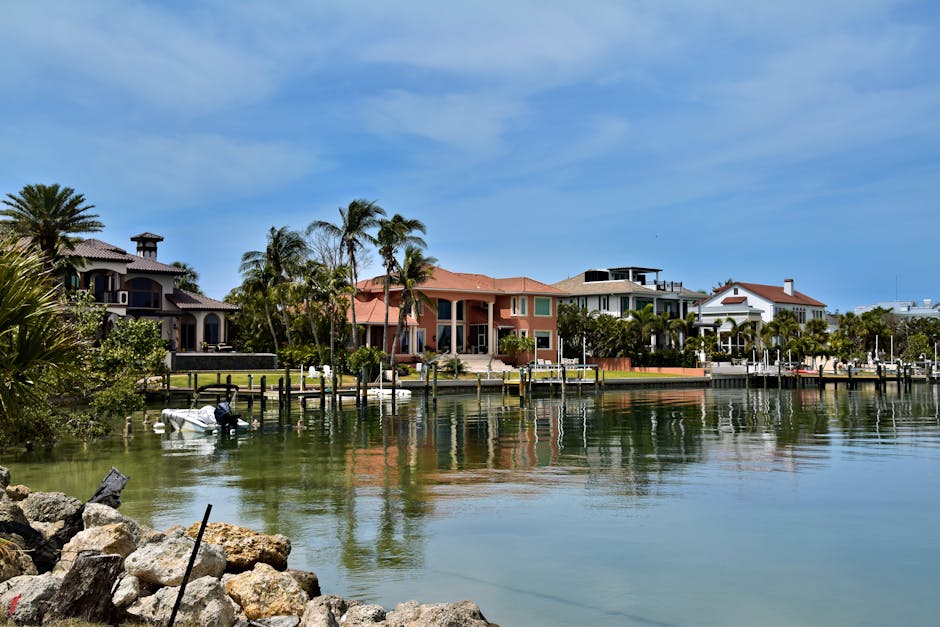
Analytical data suggests that the demand for premium acreage and waterfront estates in neighborhoods such as Davis Islands and Beach Park continues to outpace the rate of new listings. High-net-worth individuals are increasingly viewing Tampa not merely as a seasonal retreat but as a primary residence hub, driven by the absence of state income tax and a sophisticated local economy. The Business Journals recently highlighted that Tampa Bay’s luxury market remains stronger than most peers, even as other regions experience contraction.
Buyers entering this market must recognize the nuance of current valuations. With an average list price reaching $3,229,170, the barrier to entry for top-tier properties has shifted. This movement is exemplified by recent activity on Troutwater Lane and North Florida Avenue, where historical price ceilings are being challenged by modern architectural standards and high-specification renovations. For those looking to secure a position in this market, reviewing current luxury homes for sale is the first step in identifying assets that align with sophisticated portfolio requirements.

The Emergence of Vertical Luxury and High-Rise Waterfront Living
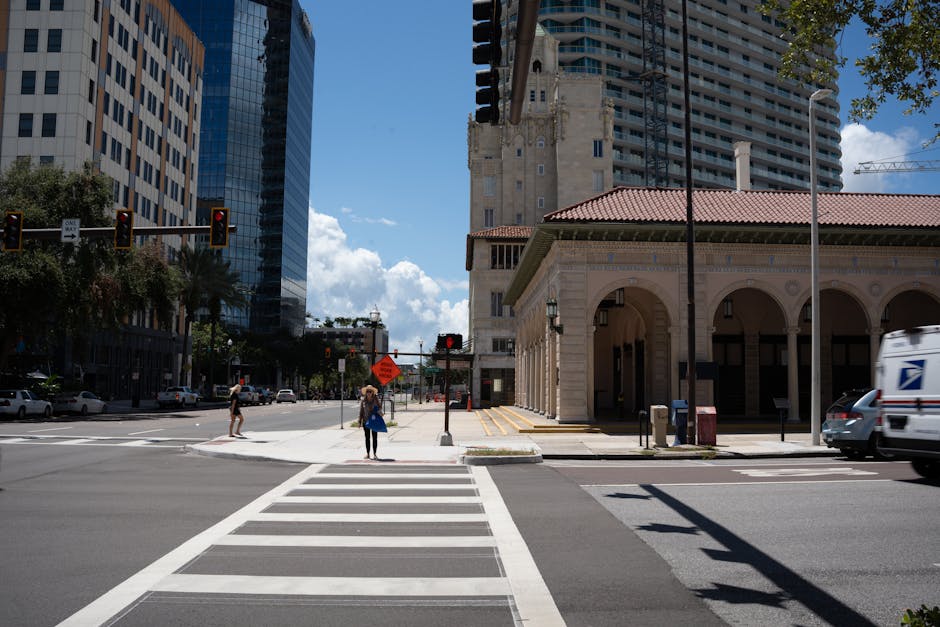
Tampa is currently undergoing a structural transformation from a market dominated by single-family estates to one that embraces ultra-luxury vertical development. This shift is particularly evident along the downtown waterfront and the Water Street district, where new residential towers are redefining the skyline. These developments offer a level of concierge service and integrated amenities that were previously localized to markets like Miami or New York City, creating a new asset class for the local region.
Industry experts classify the local high-rise sector as being in its early stages of maturity. According to an analysis by Tampa Bay Business & Wealth, the transition toward high-density luxury is driven by a preference for lock-and-leave convenience among professional buyers. This trend is not just about views; it is about the integration of private wellness centers, executive workspaces, and highly secure environments that cater to the needs of modern executives and international investors.
When comparing vertical options to traditional estates in Hyde Park or Palma Ceia, investors must weigh the benefits of centralized location against the privacy of a gated ground-level lot. The price per square foot in these new developments often carries a premium that reflects the high demand for new construction and the scarcity of developable waterfront land. The market is increasingly rewarding those who can identify the specific value propositions of these high-rise units before the completion of large-scale infrastructure projects currently underway in the downtown core.
Strategic Acquisition Checklist for the Discerning Investor
Acquiring a high-value property in the current landscape requires a meticulous approach to due diligence that extends beyond aesthetics. The following criteria are essential for evaluating the long-term viability of a luxury asset in the Tampa region. These factors influence both the immediate capital outlay and the potential for appreciation over a five-to-ten-year horizon.
- Structural integrity verification for waterfront properties, including bulkhead and dockage assessments.
- Analysis of HOA reserve funds and upcoming capital improvements for high-rise or gated community assets.
- Review of recent tax assessment changes and potential impacts of homestead exemptions for primary residents.
- Evaluation of elevation certificates and modern insurance requirements for flood-prone coastal zones.
- Proximity to major infrastructure hubs, including Tampa International Airport and private aviation facilities.
- Assessment of local development plans that may impact view corridors or neighborhood density.
Navigating these complexities requires a level of local expertise that generalizes beyond simple price data. Buyers often overlook the historical context of specific waterfront enclaves, such as Venetian Isles, where price adjustments can signal unique opportunities for high-specification renovations. Identifying these arbitrage opportunities is a hallmark of a sophisticated acquisition strategy in a low-inventory environment.
Psychological Thresholds and the Impact of Record-Breaking Listings
The psychological landscape of the Tampa market has been significantly altered by a series of record-breaking listings and sales. The benchmark for luxury is no longer defined by the seven-figure range alone; it has moved into the deca-million category. A recent report by the Wall Street Journal noted that while the previous price record stood at $22.5 million, new estates are now entering the market with asking prices exceeding $115 million. This indicates a massive shift in how the region is perceived by the global elite.
These ultra-high-end listings serve as price anchors, effectively raising the perceived value of surrounding properties. For a buyer looking at a $5 million estate in Culbreath Isles, the existence of a $100 million listing nearby provides a level of valuation security that was absent a decade ago. It suggests that the market has not yet reached its ceiling and that there is still significant room for growth as more high-net-worth individuals migrate to the Gulf Coast. However, this also means that the window for securing properties at legacy valuations is rapidly closing.
Understanding these psychological thresholds is critical for both buyers and sellers. When a market moves this quickly, historical data can sometimes lag behind the current reality of the street. To get an accurate reading on these micro-movements, it is advisable to contact our advisors who can provide real-time data on off-market transactions and pending sales that haven’t yet hit public records. This inside track is often the difference between a successful acquisition and a missed opportunity.
Architectural Preferences and the New Construction Premium
Buyer behavior in 2026 has tilted heavily toward new construction or comprehensive, designer-led renovations. There is a diminishing appetite for the Mediterranean Revival styles that dominated the early 2000s, with a clear pivot toward Transitional and Modern Coastal aesthetics. Properties that feature clean lines, high-performance glass, and integrated smart-home technology are commanding a significant premium. This trend is visible in the recent sales data from Tampa Bay Times, where the most expensive transactions of the year featured newly built custom homes.
The cost of construction and the timeline for permitting in desirable areas like South Tampa have made existing, turn-key luxury homes more valuable than ever. Buyers are increasingly willing to pay a premium to avoid the two-to-three-year process of building a custom estate. This has created a secondary market for “nearly new” homes—properties built within the last three years—which are trading at prices that often exceed their original construction costs plus land value. This is a clear indicator of the high demand for immediate occupancy among relocating families and executives.
Furthermore, the integration of indoor-outdoor living spaces remains a non-negotiable requirement for the local market. Expansive floor-to-ceiling sliders, outdoor kitchens, and resort-style pools are expected at every price point above $2.5 million. Properties that lack these features, or those with outdated layouts, are seeing longer days on market and are often targeted by investors looking for renovation opportunities. For the discerning buyer, the focus should remain on the quality of the building envelope and the potential for modernization within an established neighborhood.
Navigating Local Infrastructure and Seasonal Market Velocity
Logistical considerations play a significant role in the desirability of specific Tampa neighborhoods. As the city grows, infrastructure and traffic patterns become critical variables in the real estate equation. For instance, events like Riverfest and other downtown festivals can significantly impact traffic flow in the urban core. Local officials often issue warnings regarding heavy congestion during these peak periods, as noted by wtsp.com. Buyers who prioritize accessibility must evaluate how these seasonal events affect their daily commute and quality of life.
Market velocity also tends to fluctuate with the local event calendar and weather patterns. While the spring and summer months remain active, the influx of seasonal residents in the late fall often brings a second wave of high-value transactions. In early 2026, we have seen a steady stream of activity regardless of the season, suggesting that the “off-season” is becoming a thing of the past. The demand is consistent, driven by a permanent shift in the demographic profile of the region’s newest residents who are seeking a balanced, metropolitan lifestyle.
Ultimately, the decision to invest in Tampa luxury real estate should be guided by a combination of quantitative data and qualitative local insight. The market is currently in a unique phase where inventory remains tight but opportunity is plentiful for those with the right guidance. Whether you are seeking a historic estate in the canopy-lined streets of Hyde Park or a modern penthouse with panoramic views of Hillsborough Bay, the key is to move with precision and confidence in a competitive environment.
Securing a position in one of the nation’s most resilient luxury markets requires more than just an interest in high-end property; it requires a strategic partnership with advisors who understand the specific dynamics of the local inventory. Whether your objective is capital appreciation or the acquisition of a primary residence that reflects your status, our team provides the analytical depth and local connections necessary to navigate this complex landscape. We invite you to explore our current portfolio of listings and contact a private advisor today to discuss your acquisition strategy.
Your next move in Tampa luxury
Get current inventory, pricing guidance, and private-tour support from our brokerage team.
Source highlights
- Tampa’s Price Record Is $22.5 Million. This Huge Estate Is Asking $115 Million. – WSJ
- Tampa Bay’s most expensive luxury home sales of 2025 – Tampa Bay Times
- Tampa Bay luxury market grows stronger despite national declines – The Business Journals
- Why Tampa remains an early-stage luxury condo market – Tampa Bay Business & Wealth
- Jennifer Zales Unveils Venetian Isles Waterfront Luxury Now Offered At A New Price – Haute Living
- Florida Trend Real Estate – Florida Trend
- Things To Do In Tampa This Weekend: Best Festivals & Events Going On – That's So Tampa
- City of Tampa officials warn of heavy traffic amid Riverfest and other weekend events – wtsp.com



