



The Shift Toward a Primary Luxury Market
The Tampa high-end residential sector is currently undergoing a fundamental transformation. Historically viewed as a secondary or seasonal market, the region has transitioned into a primary hub for wealth preservation and long-term residency. This shift is evidenced by the increasing number of year-round inhabitants in premium corridors and the development of infrastructure tailored to permanent, high-net-worth households. The recent listing of a massive estate seeking over one hundred million dollars, as reported by the Wall Street Journal, underscores the newfound ceiling for local asset values. Such figures were previously reserved for markets like Palm Beach or Miami, but Tampa’s maturity is now attracting similar capital allocations.
The resilience of the local market stands in contrast to broader national volatility. While high interest rates have dampened activity in many metropolitan areas, Tampa’s luxury inventory remains constrained by a lack of buildable land in established neighborhoods. Buyers are no longer just looking for square footage; they are prioritizing architectural integrity and proximity to evolving commercial hubs. The influx of corporate executives and private equity firms has created a sophisticated buyer pool that demands transparency in data and precision in valuation. Consequently, the median list price of two million five hundred thousand dollars reflects a market that is increasingly priced for professional-grade investment rather than speculative fluff.
Waterfront Scarcity and Riparian Rights
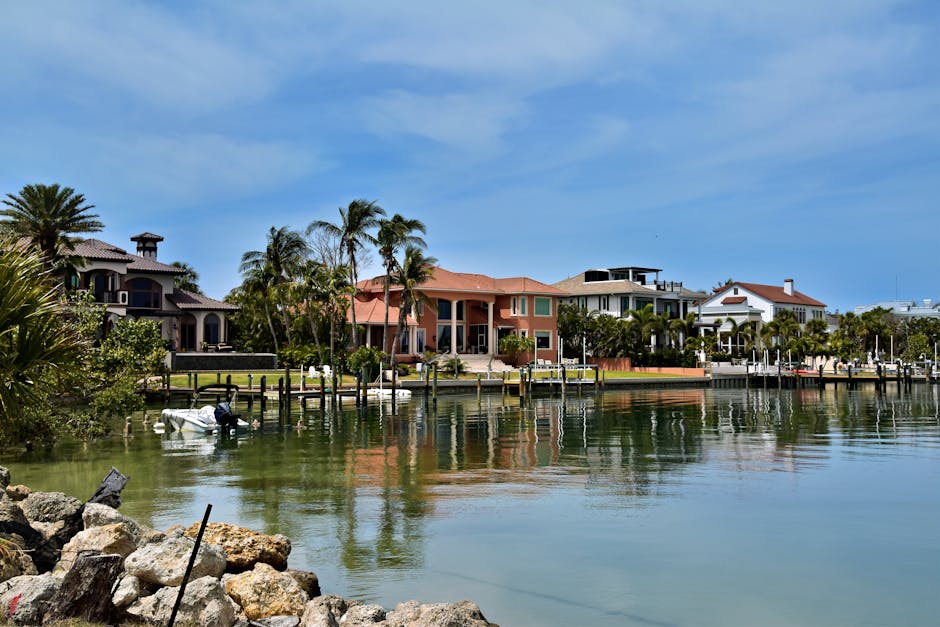
Waterfront assets remain the most aggressive driver of value in the region. As noted by The National Law Review, Tampa Bay’s waterfront is emerging as a primary luxury real estate market with complex legal and environmental considerations. For the modern buyer, the value of a coastal property is deeply tied to its elevation, seawall integrity, and the specific riparian rights associated with the parcel. Negotiating these acquisitions requires a high level of due diligence that goes beyond aesthetic appeal. We are seeing a distinct preference for deep-water access that can accommodate larger vessels, particularly in areas where lot widths allow for expansive architectural footprints.
Environmental regulations and insurance shifts have also reshaped the acquisition process. Sophisticated buyers are now looking at long-term resilience, prioritizing newer construction that adheres to the latest building codes or vintage properties with the structural capacity for significant retrofitting. The scarcity of these premium lots ensures that even as broader market cycles fluctuate, the land value of waterfront parcels remains insulated. In neighborhoods like Snell Isle and the coastal fringes of South Tampa, the competition for teardown opportunities is intense, often resulting in off-market transactions that never reach public databases. Accessing these luxury listings early in the cycle is critical for securing a competitive advantage.
Neighborhood Dynamics: Davis Islands and Hyde Park Logic
Comparing Davis Islands to Hyde Park provides a masterclass in how lifestyle preferences dictate price per square foot. Davis Islands offers a more secluded, traditional neighborhood feel with an emphasis on privacy and maritime access. It is favored by those who value a quiet residential atmosphere while maintaining proximity to the urban core. The inventory here often consists of mid-century estates interspersed with modern custom builds, creating a diverse architectural landscape. Buyers in this area are typically looking for long-term holds, viewing their property as a generational asset rather than a short-term residence.
Conversely, Hyde Park caters to the urbanist who prioritizes walkability and historical character. The adjacency to Bayshore Boulevard and the retail density of Hyde Park Village creates a different set of value drivers. Here, the premium is placed on historical preservation and the ability to engage with the community without relying on a vehicle. The market movement in Hyde Park is often faster, driven by a younger demographic of professionals and empty-nesters who want to be at the center of the region’s cultural evolution. Both areas, however, share a commonality in inventory compression, with fewer than 120 active luxury units currently available across the most desirable districts.
Acquisition Due Diligence Checklist
Navigating a high-stakes purchase requires a structured approach to verification. Use this checklist to evaluate prospective holdings:
- Verify seawall age and structural integrity through a specialized marine engineering report.
- Review elevation certificates and flood zone designations to assess long-term insurance obligations.
- Audit the history of architectural modifications to ensure all high-end finishes were permitted.
- Evaluate the proximity to planned infrastructure projects, such as the expansion of Water Street or Westshore developments.
- Analyze neighborhood-specific absorption rates to understand the liquidity of the specific sub-market.
- Conduct a private search for off-market inventory that may not appear on standard search engines.
Vertical Growth: The Early-Stage Condo Opportunity
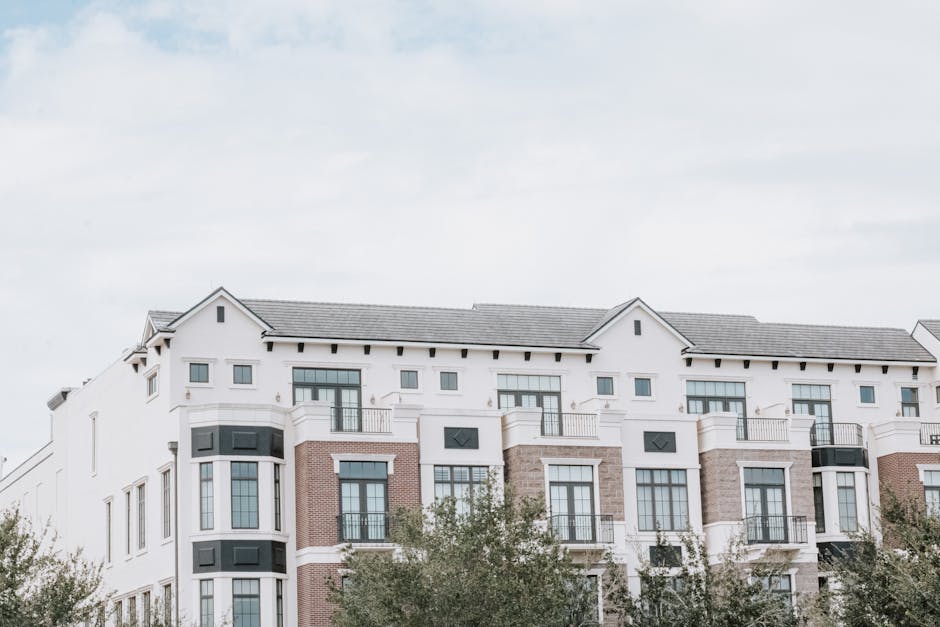
Tampa is currently in what experts call an early-stage luxury condo market. According to Tampa Bay Business & Wealth, the development of high-rise residences is just beginning to meet the demand for low-maintenance, high-amenity living. Unlike more saturated markets, Tampa’s vertical inventory is still concentrated in a few key developments, offering early adopters the chance to secure units in buildings that are redefining the skyline. These properties are particularly attractive to those relocating from Northern markets who are accustomed to full-service buildings with 24-hour security, concierge services, and sophisticated wellness centers.
The value proposition for vertical living in Tampa is tied to the evolution of the downtown core. The growth of the medical and technology sectors near Channelside and Water Street has created a localized economy that supports high-end rental and ownership demand. Buyers are increasingly looking for units that offer panoramic views of the bay or the city, treating these residences as both primary homes and strategic urban bases. As more inventory comes online in 2026 and 2027, the focus will shift from simple delivery to the quality of management and the longevity of the amenity packages. Discerning investors are currently looking at developer track records and the financial health of homeowners associations to ensure their equity is protected.
Inventory Compression and Pricing Trends
Data from recent months indicates that while the number of active listings has seen a slight uptick, the supply of truly exceptional properties remains significantly below historical averages. The average list price in the luxury segment is currently exceeding three million two hundred thousand dollars, reflecting the high cost of new construction and the premium placed on turnkey assets. Buyers are willing to pay a significant delta for properties that do not require immediate renovation, as the cost of high-end materials and skilled labor remains elevated. This trend has led to a bifurcated market where “as-is” historical properties linger while modernized estates move quickly.
This inventory compression is also influencing the negotiation process. Sellers of prime assets are often choosing to list at ambitious prices, knowing that the scarcity of alternatives gives them leverage. However, the days of irrational bidding wars have largely passed. Today’s buyers are data-literate and will walk away from deals that do not align with current appraisal logic or neighborhood comps. Success in the current environment requires a nuanced understanding of when to act aggressively and when to wait for a more favorable entry point. For those looking to divest, the market still favors the seller, provided the property is positioned as a top-tier asset with impeccable documentation.
Lifestyle Integration and Regional Connectivity
The decision to acquire property in Tampa is increasingly influenced by the region’s cultural and social calendar. The proximity to high-caliber events, such as the festivals and cultural gatherings in nearby St. Petersburg, adds a layer of lifestyle value that is difficult to quantify but essential to the buyer experience. Residents often utilize the weekend to explore the arts scene across the bridge, as highlighted by I Love the Burg, which tracks the best local events. This regional connectivity, bolstered by the ease of travel between the various coastal hubs, makes the entire Tampa Bay area feel like a singular, integrated luxury destination.
Looking ahead, the integration of professional sports, high-end dining, and world-class health facilities will continue to drive demand. The local weather, while warm, remains a primary draw for those seeking an active outdoor lifestyle throughout the year. As the market matures further into 2026, we expect to see continued investment in the periphery of established neighborhoods, as buyers seek more space without sacrificing the convenience of the city. The key to navigating this landscape is a reliance on local expertise and a willingness to analyze the market through a lens of both data and lifestyle utility.
To explore the current inventory of prime properties or to discuss a strategic acquisition in the Tampa market, please browse our curated luxury listings. Our advisors are available to provide a confidential consultation and neighborhood-level analysis to help you make an informed decision in this competitive landscape. Please contact an advisor today to schedule a private briefing on current off-market opportunities and market trends.
Your next move in Tampa luxury
Get current inventory, pricing guidance, and private-tour support from our brokerage team.
Source highlights
- Tampa’s Price Record Is $22.5 Million. This Huge Estate Is Asking $115 Million. – WSJ
- Tampa Bay’s most expensive luxury home sales of 2025 – Tampa Bay Times
- Tampa Bay luxury market grows stronger despite national declines – The Business Journals
- Why Tampa remains an early-stage luxury condo market – Tampa Bay Business & Wealth
- Tampa Bay’s Waterfront Emerges as a Primary Luxury Real Estate Market – The National Law Review
- Florida Trend Real Estate – Florida Trend
- Things To Do In St Pete This Weekend: Best Festivals & Events Going On In St Petersburg – I Love the Burg
- Tampa weekend events: Concerts, festivals and downtown family fun — What to know before you go – FOX 13 Tampa Bay



