


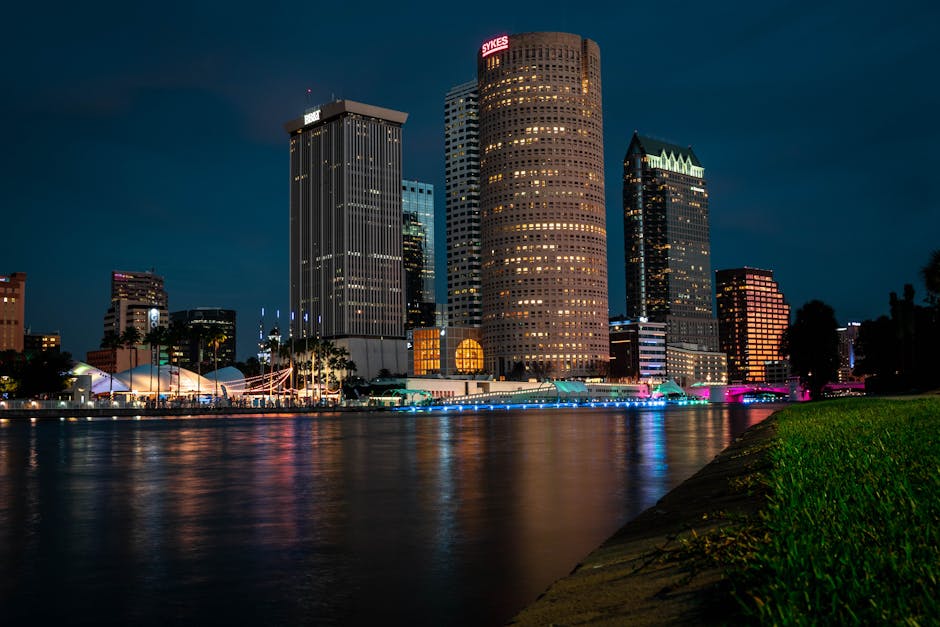
The Institutionalization of Tampa Luxury Real Estate
The Tampa luxury sector has moved beyond its traditional role as a regional retreat. Over the last twenty-four months, the market has matured into a primary destination for global private capital, characterized by a significant increase in high-eight-figure transactions. This shift is evidenced by the arrival of record-breaking listings that challenge historical price ceilings. While the broader national market has seen fluctuations, the local environment remains resilient due to a persistent supply-demand imbalance in high-velocity neighborhoods like Davis Islands and Beach Park.
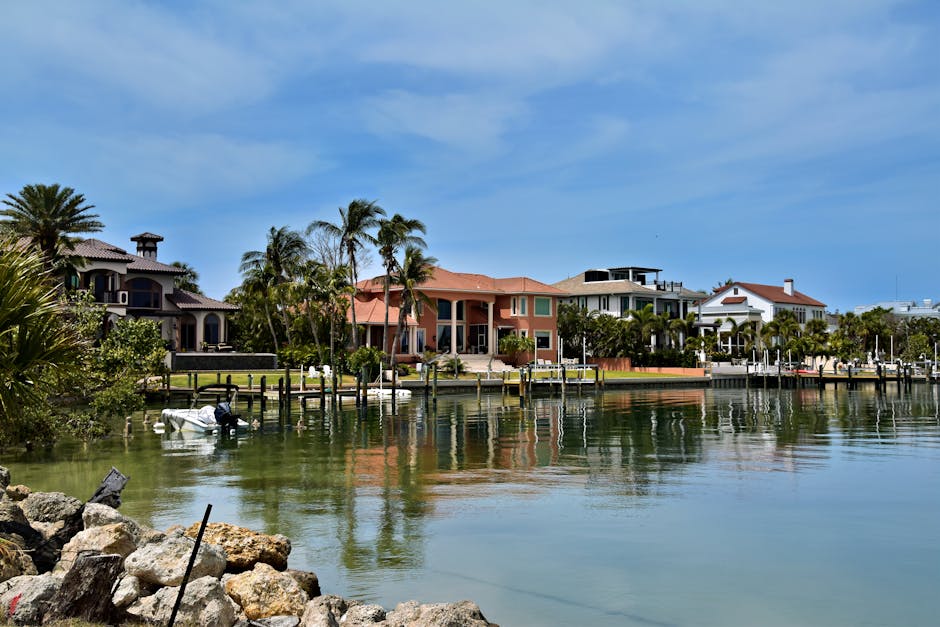
As reported by the Wall Street Journal, the introduction of a nine-figure listing signals a new era for the region, moving the benchmark from local luxury to international trophy asset status. This institutionalization means that buyers are no longer just looking for a seasonal residence; they are acquiring permanent assets in a region that is rapidly becoming a financial and cultural hub. The entry of high-net-worth individuals from major financial centers has brought a more analytical approach to valuation, focusing on long-term appreciation and the scarcity of developable land.
Current inventory data reflects this tightening market. With approximately 120 active luxury listings and a median list price holding steady near $2,499,000, the selection remains curated. Sophisticated buyers are focusing on properties that offer architectural significance and modernized infrastructure, rather than generic large-scale builds. This flight to quality ensures that even as volume may stabilize, the pricing floors for well-positioned assets in Westchase or South Tampa continue to rise, driven by an influx of primary residents seeking a specific standard of living.
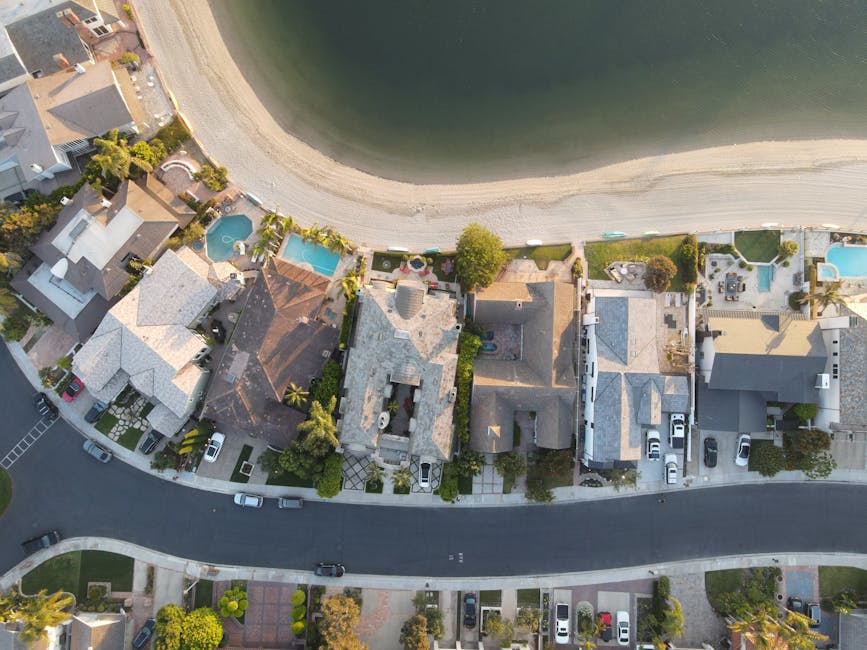
Waterfront Dominance and Value Retention
The emergence of Tampa’s waterfront as a primary luxury market is a fundamental shift in the region’s urban planning and residential appeal. Historically, waterfront properties were often viewed through a recreational lens, but today they serve as the bedrock of the luxury portfolio. The move toward permanent residency has placed a premium on lots that offer deep-water access combined with proximity to the central business district. This dual utility is what distinguishes the local market from other coastal counterparts in the state.
According to research from the National Law Review, the transition to waterfront areas as primary markets has direct implications for title, zoning, and riparian rights. Buyers are increasingly diligent regarding seawall integrity and elevation requirements. In areas such as Culbreath Isles and Sunset Park, the focus has shifted toward modernized estates that comply with contemporary coastal construction standards. These properties are not merely aesthetic choices but are engineered assets designed for long-term environmental durability and capital preservation.
Strategic acquisition in this segment requires a deep understanding of local sub-markets. For instance, the calm waters of Old Hillsborough Bay offer a different utility than the more exposed coastal reaches. Buyers are comparing the privacy of gated enclaves against the accessibility of Bayshore Boulevard. Each neighborhood carries distinct tax implications and development constraints that must be verified during the feasibility period. Our advisors prioritize these technical details to ensure that the buyer’s capital is protected against both market volatility and regulatory shifts.
The Vertical Pivot: Premium Vertical Residences
While sprawling estates remain a staple, there is a notable trend toward vertical luxury in the urban core. This shift is driven by a demographic that values security, managed services, and walkability over traditional land ownership. The development of high-specification towers in Water Street and along the riverfront has introduced a level of service-oriented living previously reserved for markets like Manhattan or London. This is no longer an alternative to a house; for many, it is the preferred primary residence.
As noted by Tampa Bay Business & Wealth, the region remains in the early stages of its luxury condo evolution. This presents a unique window for acquisition before the market reaches full maturity. Current developments are focusing on oversized floor plans—often exceeding 4,000 square feet—with private elevator entries and extensive outdoor terraces. These features cater to buyers transitioning from large homes who are unwilling to compromise on space but eager to shed the burdens of traditional property maintenance.
The valuation of these vertical assets is increasingly tied to the ecosystem they inhabit. Proximity to fine dining, wellness centers, and corporate offices has become as critical as the square footage itself. For the advisor, this requires a shift in analysis toward condo association health, reserve studies, and the long-term viability of the surrounding district. As the skyline continues to evolve, the distinction between a standard high-rise and a true luxury vertical residence will become the primary driver of secondary market performance.
Critical Due Diligence for High-Value Acquisitions
Successful acquisition in the current environment demands a rigorous verification process that extends beyond a standard home inspection. In a market where the average list price exceeds $3.2 million, the margin for error in due diligence is slim. Buyers must look at the property as a complex system, evaluating everything from coastal mitigation strategies to the health of the local neighborhood association. This analytical approach is what separates a successful investment from a problematic liability.
- Verification of seawall height, material composition, and remaining lifespan for all waterfront assets.
- Detailed analysis of recent comparable sales within a 24-month window, adjusted for specific neighborhood nuances.
- Review of elevation certificates and compliance with current coastal construction regulations.
- Assessment of private education proximity and transport corridors to the Westshore and Downtown business districts.
- Evaluation of HOA reserve funds and long-term capital improvement plans for vertical residences.
- Investigation of riparian rights and permitting history for private docks or maritime structures.
Our team facilitates this process by coordinating with specialized engineers, legal counsel, and environmental consultants. Whether it is a $2.6 million residence in Troutwater Lane or a $2.2 million conversion on Florida Avenue, the level of scrutiny remains consistent. We ensure that every technical aspect—from soil density to maritime access—is documented and understood before the contract becomes non-refundable. This data-backed approach provides our clients with the confidence to move forward in a competitive bidding environment.
Regional Connectivity and Lifestyle Infrastructure
The value of a luxury asset is inextricably linked to the vitality of its surrounding community. Tampa’s investment in infrastructure and public spaces has created a cohesive urban fabric that supports high-end residential values. Major events and cultural milestones act as catalysts for local commerce and visibility, drawing international attention to the region’s lifestyle offerings. This connectivity is a key factor for buyers who are evaluating the region against other national luxury hubs.
Local events, such as the upcoming Riverfest, highlight the success of the city’s waterfront redevelopment efforts. These gatherings are more than just social fixtures; they demonstrate the functionality of the city’s public-private partnerships and the high level of maintenance in the urban core. For a buyer, seeing a well-utilized and safely managed downtown environment is a critical indicator of the city’s long-term health and the stability of their real estate investment.
Beyond the immediate downtown area, the synergy between Tampa and St. Petersburg continues to strengthen the regional market. The ability to move seamlessly between these two distinct environments—one a corporate and financial powerhouse, the other a cultural and artistic center—offers a lifestyle diversity that is hard to replicate. Buyers are increasingly viewing the entire bay area as a single, integrated luxury market, allowing them to diversify their portfolios across different property types and coastal experiences while remaining within a high-growth corridor.
Strategic Timing and Market Positioning
Navigating the current cycle requires a balance of patience and decisiveness. While the volume of luxury transactions has stabilized compared to the post-pandemic surge, the pricing power remains firmly with the sellers of premium, turn-key assets. For buyers, the strategy is not necessarily to wait for a price drop that may never materialize, but rather to identify properties where the intrinsic value outpaces the market price. This requires a granular understanding of neighborhood-level movements and the ability to act when a rare asset becomes available.
As documented by the Business Journals, the local market has continued to grow stronger even as national trends have shown declines. This decoupling is a testament to the region’s specific economic drivers, including a favorable tax environment and a high rate of corporate relocation. Buyers who recognize these macro-economic tailwinds are positioning themselves for significant long-term equity growth. The focus should be on acquiring assets that are difficult to replicate, such as oversized waterfront lots or residences in historically protected enclaves.
The path forward involves a shift from speculative buying to strategic acquisition. Every decision should be backed by empirical data and a clear understanding of the property’s role within a broader financial plan. Our role is to provide the analytical brief necessary for these decisions, ensuring that every client has a clear-eyed view of the risks and opportunities present in the current landscape. As the region moves toward its next phase of development, those who hold well-positioned assets in prime Tampa neighborhoods will be the primary beneficiaries of the city’s continued ascent.
To navigate this complex landscape, you require an advisor who understands the technical nuances of the local market. We invite you to browse our current listings of premier waterfront and urban residences. For a confidential analysis of specific opportunities or to discuss your acquisition strategy, please contact a private advisor today. Our team is prepared to provide the data-backed guidance necessary to secure your position in the Tampa luxury market.
Your next move in Tampa luxury
Get current inventory, pricing guidance, and private-tour support from our brokerage team.
Source highlights
- Tampa’s Price Record Is $22.5 Million. This Huge Estate Is Asking $115 Million. – WSJ
- Tampa Bay’s most expensive luxury home sales of 2025 – Tampa Bay Times
- Tampa Bay luxury market grows stronger despite national declines – The Business Journals
- Why Tampa remains an early-stage luxury condo market – Tampa Bay Business & Wealth
- Tampa Bay’s Waterfront Emerges as a Primary Luxury Real Estate Market – The National Law Review
- Florida Trend Real Estate – Florida Trend
- Riverfest and other events take over Tampa this weekend | What to know before you go – wtsp.com
- Things To Do In St Pete This Weekend: Best Festivals & Events Going On In St Petersburg – I Love the Burg



