


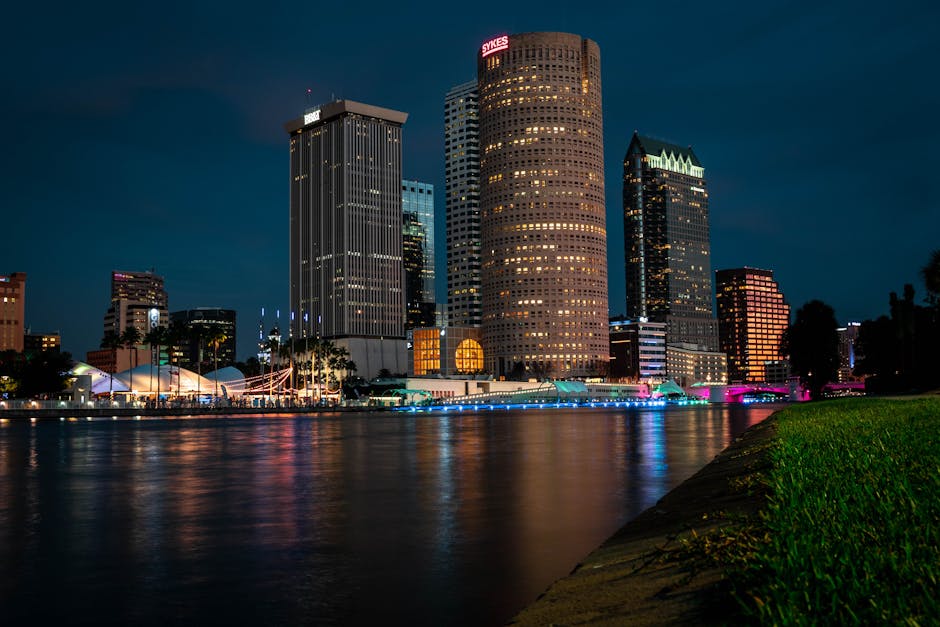
The Elevation of Tampa’s High-End Residential Inventory
The Tampa luxury market has transitioned from a regional interest to a mature, primary destination for substantial capital. With a median list price currently holding at $2,500,000 and an average reaching beyond $3,300,000, the baseline for entry into premium neighborhoods has recalibrated. This structural shift is underscored by a record-breaking $115 million estate listing, which signals a new ceiling for local valuations and reflects the growing appetite for ultra-prime assets. High-net-worth individuals are no longer viewing the area as a secondary vacation hub but as a permanent residence for wealth preservation and lifestyle integration.
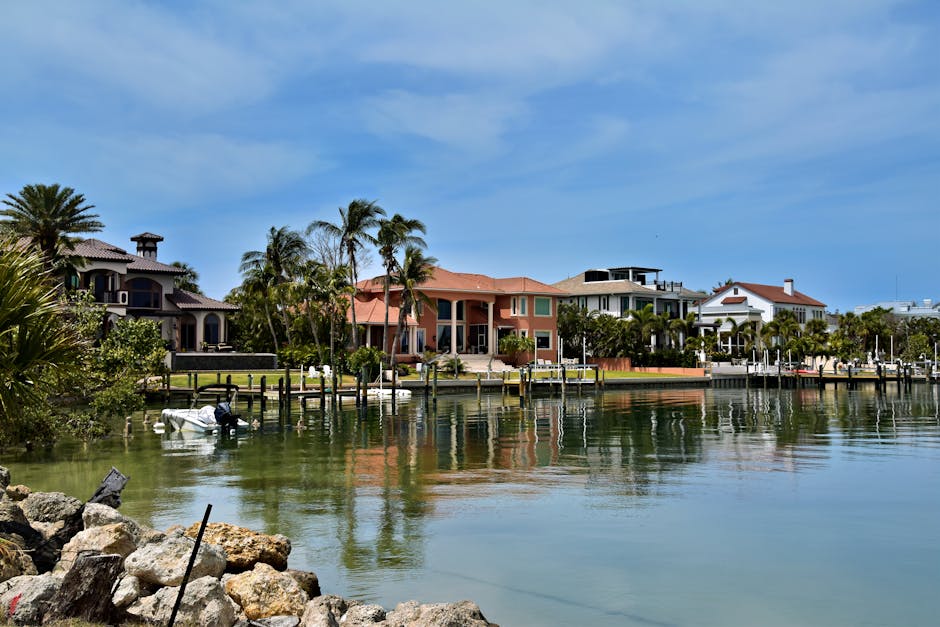
Inventory levels currently sit at 120 active luxury listings, a figure that suggests a balanced environment but requires granular analysis. While raw numbers show movement, the liquidity is concentrated in specific sub-sectors. Buyers are prioritizing properties that offer immediate utility rather than speculative projects. This behavior is a direct response to the increasing sophistication of the local buyer pool, which now includes a significant percentage of out-of-state arrivals bringing expectations for high-caliber architecture and resilient infrastructure. The market is increasingly defined by quality of finish and long-term site viability.
Understanding the velocity of these transactions requires looking at neighborhood-level data rather than broad metropolitan averages. In areas like Beach Park and Davis Islands, the scarcity of available waterfront lots has created a competitive floor. We are seeing a trend where buyers are willing to pay a premium for existing, modernized structures to avoid the extended timelines associated with new construction. This preference for turnkey solutions is driving the average list price upward, as seen in recent sales of trophy properties on Troutwater Lane and North Florida Avenue, where site specificity dictates the final contract value far more than generic square footage metrics.
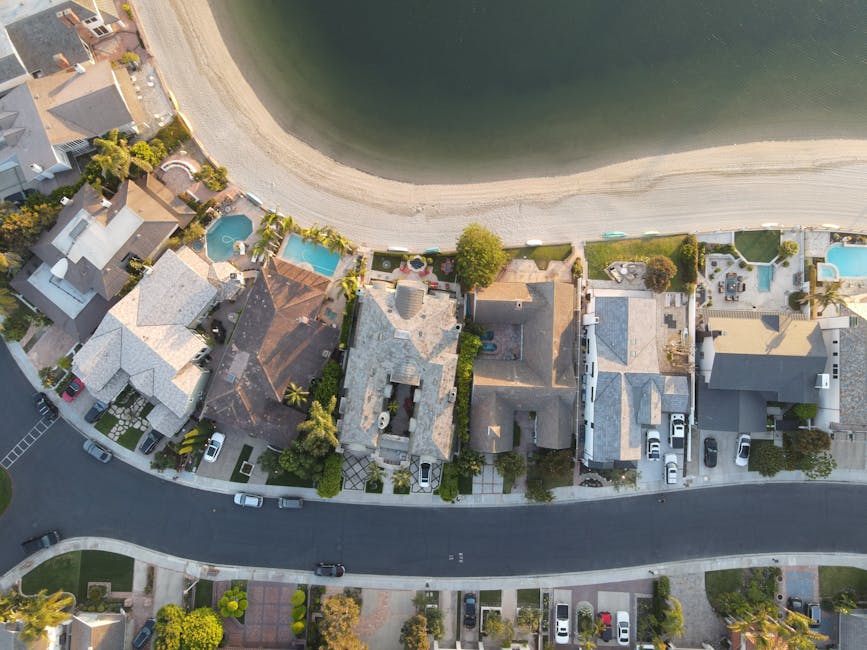
The current landscape is one of disciplined growth. Unlike previous cycles, the current appreciation is backed by a fundamental shift in buyer demographics and a sustained influx of high-earning professionals. According to reports from the Wall Street Journal, the emergence of nine-figure listings indicates that Tampa is competing on the same stage as established markets like Palm Beach and Miami. This maturation process provides a stable foundation for those looking to acquire assets within the $2.2 million to $2.9 million range, where the majority of high-quality inventory currently resides.
Mortgage Rate Compression and the Influx of New Supply
The recent cooling of mortgage rates to approximately 6.09% has introduced a new layer of liquidity into the Tampa luxury sector. While many high-end transactions are structured as cash deals, the rate environment significantly influences the move-up market. As rates stabilize, the pool of buyers for homes in the $1.5 million to $2.5 million range expands, which in turn facilitates more rapid turnover for the $3 million-plus trophy assets. This interconnectedness ensures that the market remains fluid even as top-tier prices continue to climb. The psychological impact of sub-6.5% rates cannot be overstated for long-term strategic planning.
Simultaneously, a surge in new construction is beginning to address the supply-demand imbalance that defined the previous two years. Strategic supply increases are particularly evident in the single-family home segment, where developers are responding to the demand for modern, high-amenity layouts. Data from Tampa Bay Business & Wealth confirms that new construction is finally providing the necessary inventory to keep price growth sustainable. This influx allows buyers to be more selective, prioritizing energy efficiency, smart-home integration, and advanced structural integrity over traditional aesthetic appeals.
For the sophisticated advisor, this period of increased supply represents a tactical opportunity to secure assets before the next seasonal surge. New construction often carries warranties and modern building codes that significantly lower the total cost of ownership over a ten-year horizon. We are observing that homes built after 2022 are commanding a 15-20% premium over older inventory due to their compliance with the latest Florida building standards. Buyers are increasingly calculating the value of peace of mind when it comes to insurance premiums and maintenance schedules, making newer builds a more attractive long-term play.
The relationship between interest rates and inventory is particularly visible in the South Tampa corridor. As supply levels rise, the ‘lock-in effect’ of previous low-rate mortgages begins to dissipate, encouraging more homeowners to list their properties. This movement creates a healthier market dynamic with more options for buyers to compare. It is essential to monitor these trends closely, as the current window of falling rates and rising supply offers a rare equilibrium that favors those ready to execute on well-researched acquisitions. Strategic timing in late April allows for a thorough due diligence period before the summer humidity levels increase.
The Waterfront as a Primary Luxury Real Estate Market
Tampa’s waterfront has officially moved past its status as a seasonal retreat. The National Law Review has identified the region as an emerging primary market, a designation that carries significant implications for long-term appreciation and tax strategy. This shift is driven by a permanent migration of corporate headquarters and private equity firms to the downtown and Westshore districts. For the waterfront property owner, this means their asset is now anchored by a robust, year-round economic engine rather than a transient tourism-based economy. The stability provided by this commercial backbone is a key differentiator for the local market.
Acquiring waterfront property in this environment requires a technical understanding of the specific sub-markets. Bayshore Boulevard, Davis Islands, and the canal-front homes of Beach Park each offer distinct advantages and risk profiles. Davis Islands provides a secluded, island-suburb feel with immediate proximity to downtown, while Beach Park offers larger lot sizes and a more traditional residential atmosphere. The choice between open-bay views and protected canal access is a critical decision point that affects both daily lifestyle and future resale value. Canal-front properties often provide better protection for marine assets, which is a major consideration for active boaters.
The engineering of these properties has become a focal point for institutional-grade buyers. As the market matures, the value is increasingly tied to the resilience of the site. This includes the height of the sea wall, the elevation of the first living floor, and the presence of advanced drainage systems. Buyers are now asking for detailed elevation certificates and environmental reports as part of their standard offer package. This shift toward technical due diligence is a sign of a healthy, informed market where the intrinsic value of the land and its protection is properly accounted for in the purchase price.
Waterfront living in Tampa also benefits from the city’s ongoing investment in public infrastructure and connectivity. The proximity to the Riverwalk and the expanding downtown amenities adds a layer of lifestyle value that transcends the property lines. When evaluating a waterfront acquisition, it is vital to consider not just the view, but the ease of access to the city’s cultural and commercial hubs. The ability to navigate by boat to dinner in downtown or take a short commute to the airport from a waterfront estate is a unique luxury that continues to drive demand among the global elite.
Strategic Due Diligence Checklist for Waterfront Acquisition
- Verify the structural integrity and remaining life of the existing sea wall and dockage.
- Confirm current elevation levels against revised FEMA flood zone mapping for insurance accuracy.
- Assess the specific water depth and bridge clearances for marine vessel compatibility.
- Analyze neighborhood-specific drainage infrastructure and recent storm-water management updates.
- Review the historical permit data for any unrecorded renovations or structural modifications.
- Evaluate the proximity to planned commercial developments or public infrastructure projects.
Buyer Behavior and Neighborhood Micro-Trends
Current buyer behavior in the Tampa luxury segment is characterized by a high degree of specificity. The ‘generalist’ buyer has been replaced by a client who has performed extensive research on neighborhood micro-climates. For example, the preference for Hyde Park is often driven by its historic character and walkability to high-end retail, whereas buyers in Culbreath Isles are looking for gated security and deep-water access. Understanding these subtle distinctions is paramount for any advisor looking to match a client with the correct asset. The market is no longer a monolith; it is a collection of distinct enclaves each with its own internal logic.
We are also seeing a shift in how buyers value outdoor spaces. The traditional ‘pool and patio’ setup is being replaced by comprehensive outdoor living environments that function as an extension of the interior. This includes full outdoor kitchens, sophisticated lighting systems, and climate-controlled lanais. In the luxury price bracket, these features are now considered standard. A property lacking a cohesive indoor-outdoor transition is often discounted or stays on the market longer, regardless of its interior finish. This trend reflects the local buyer’s desire to maximize the utility of their property throughout the year.
The move toward ‘primary residence’ features is also evident in the interior design of newer listings. High-end homes are now being equipped with expansive home offices, wellness suites, and secondary catering kitchens. These additions are not merely for show; they are functional responses to the way affluent families are living and working in 2026. The demand for these specialized spaces is particularly high in South Tampa, where the concentration of executive families is greatest. Properties that successfully integrate these functional zones while maintaining a cohesive aesthetic are seeing the highest levels of interest and shortest days on market.
Market participants should also pay attention to the movement in the commercial sector as a leading indicator for residential value. The expansion of high-end dining and professional services in areas like Midtown and the Water Street district directly impacts the desirability of adjacent luxury residential pockets. As more national brands establish a presence in Tampa, the local real estate market gains further legitimacy on the global stage. This synergy between commercial investment and residential demand creates a virtuous cycle of appreciation that benefits long-term property owners in the core luxury neighborhoods.
Logistical Considerations and Seasonal Timing
Navigating the Tampa luxury market requires more than just financial readiness; it requires logistical awareness. For instance, the timing of site visits and inspections should account for the city’s active event calendar. Local advisories, such as the City of Tampa traffic notices, remind us that high-profile events can temporarily impact accessibility to certain neighborhoods. A strategic buyer plans their tours to experience the neighborhood both in its quietest moments and during peak activity, ensuring a comprehensive understanding of the local traffic patterns and community vibe.
The weather also plays a critical role in the inspection process. As we move into late April, with temperatures reaching into the low 30s Celsius (early 90s Fahrenheit), it is the ideal time to test a home’s HVAC efficiency and insulation. Viewing a property during the transition into the humid season allows a buyer to assess how the home handles moisture and heat before the peak summer months arrive. This period of the year provides a realistic preview of the Florida climate, which is essential for buyers relocating from cooler northern regions. Understanding the seasonal demands on a property is a key component of a successful acquisition strategy.
Furthermore, the late April timeframe often coincides with the arrival of new spring inventory. This is historically a period of high activity as families look to secure a move before the start of the next school year. However, the current market dynamics, influenced by falling rates and new construction supply, have extended the traditional ‘spring market’ into a more consistent year-round flow. For the buyer, this means there is less pressure to rush a decision, provided they are working with an advisor who can identify the specific assets that meet their criteria before they hit the open market.
Finally, consider the long-term planning implications of the current economic cycle. With mortgage rates showing a downward trend and a healthy pipeline of new homes, the window for negotiation is narrowing as more buyers enter the fray. Strategic buyers are focusing on quality over quantity, recognizing that the most desirable waterfront lots are finite resources. Positioned at the intersection of favorable weather, stabilizing rates, and a growing primary market, the current moment offers a compelling opportunity for those looking to establish a long-term footprint in one of Florida’s most resilient luxury markets.
Strategic Action for the Sophisticated Buyer
The Tampa luxury real estate market continues to demonstrate a unique blend of stability and growth, making it a premier choice for those seeking to secure a high-value primary or secondary residence. Navigating this landscape requires more than just a cursory glance at listings; it demands a deep analytical approach to neighborhood micro-trends, structural resilience, and long-term economic indicators. To capitalize on the current market equilibrium and the favorable shift in interest rates, we invite you to browse our exclusive luxury listings and identify properties that align with your strategic goals. Once you have shortlisted your interests, we recommend you contact an advisor to initiate a private consultation and begin the process of site-specific due diligence. Secure your position in Tampa’s evolving skyline with a partner who understands the nuance of high-stakes real estate.
Your next move in Tampa luxury
Get current inventory, pricing guidance, and private-tour support from our brokerage team.
Source highlights
- Tampa’s Price Record Is $22.5 Million. This Huge Estate Is Asking $115 Million. – WSJ
- Tampa Bay’s most expensive luxury home sales of 2025 – Tampa Bay Times
- Sarasota developer proposes 300 single-family homes in Lakewood Ranch – The Business Journals
- Mortgage rates fall to 6.09% as new construction lifts Tampa supply – Tampa Bay Business & Wealth
- Tampa Bay’s Waterfront Emerges as a Primary Luxury Real Estate Market – The National Law Review
- Florida Trend Real Estate – Florida Trend
- Tampa weekend events: Concerts, festivals and downtown family fun — What to know before you go – FOX 13 Tampa Bay
- From Blues to BBQ: Tampa’s can’t-miss events this weekend – WMNF 88.5 FM



