


The Transition from Secondary to Primary Luxury Hub
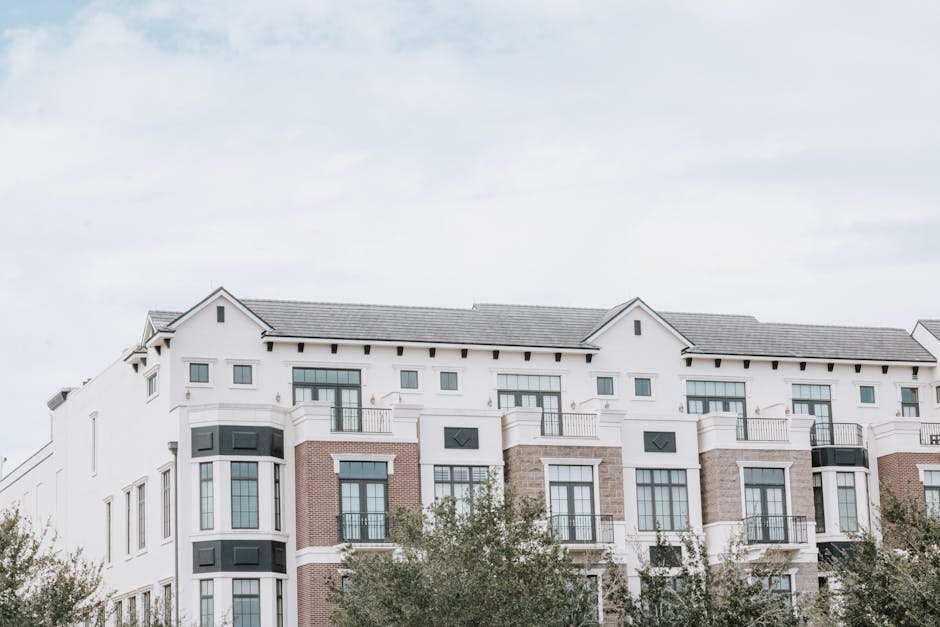
Tampa is no longer a secondary market defined by seasonal residency. The current trajectory indicates a significant maturation into a primary luxury hub, a shift that is fundamentally altering how high-net-worth individuals approach local acquisitions. Unlike the speculative volatility often found in other coastal regions, Tampa’s growth is anchored by substantive infrastructure investment and a genuine migration of corporate leadership. This evolution is reflected in recent reporting from The National Law Review, which identifies the region’s waterfront as an emerging primary market for permanent estates rather than just vacation holdings.
For the sophisticated buyer, this transition necessitates a shift in perspective. Acquisitions must be evaluated through the lens of long-term utility and institutional-grade stability. The record-breaking momentum, including a notable estate reaching for a nine-figure valuation as highlighted by the Wall Street Journal, signals that the ceiling for the local market has been redefined. This new tier of inventory demands a more rigorous level of due diligence that focuses on property specificities rather than broad neighborhood trends.
Market participation in this environment requires a deep understanding of inventory concentration. Currently, the market maintains approximately 120 active luxury listings, with a median list price established at $2,500,000. While the volume is leaner than in previous years, the quality of construction and the architectural significance of these properties have reached a standard that aligns with global expectations. Understanding where this inventory is clustered—and why certain pockets command a premium—is the first step in formulating a successful entry strategy.
Waterfront Scarcity and Riparian Rights
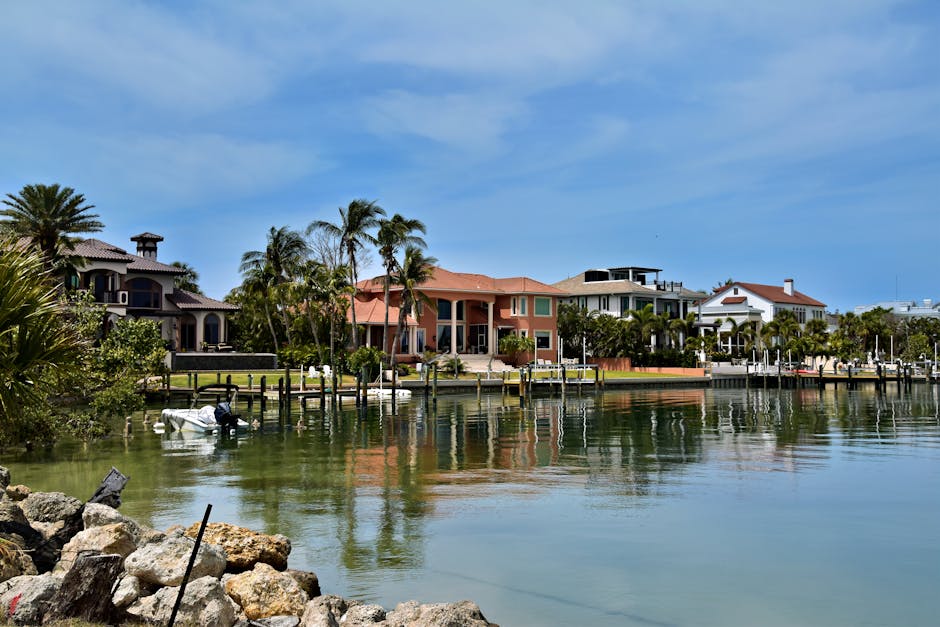
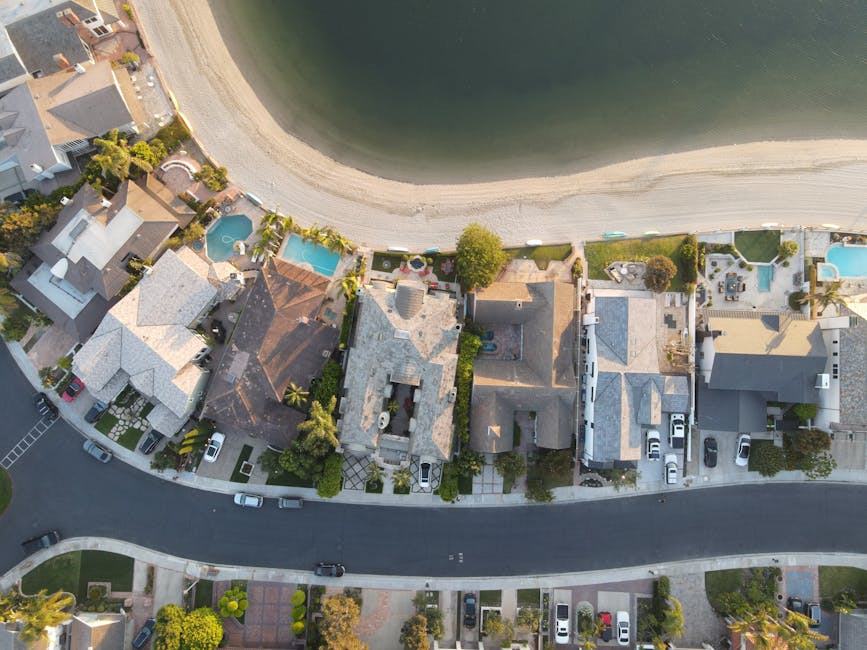
The allure of the Tampa coastline is a constant, but the technicalities of waterfront ownership are increasingly complex. As density increases in areas like Davis Islands and Bayshore Boulevard, the value of unencumbered riparian rights has appreciated faster than inland equivalents. Discerning buyers are looking beyond the aesthetic of the view, focusing instead on the structural integrity of seawalls, the depth of navigable water, and the permanence of existing views. This analytical approach separates long-term winners from those who overpay for temporary charm.
Current market movement suggests that buyers are prioritizing resiliency. New construction standards are being pushed to account for updated flood zone requirements and wind-mitigation technology. This has created a bifurcated market where older waterfront properties, while geographically desirable, often require significant capital expenditure to meet modern survivability and insurance standards. Evaluating a property’s elevation and its adherence to the latest building codes is as critical as assessing its floor plan or interior finishes.
Strategic advisors emphasize that waterfront properties in Tampa are now being treated as finite assets. With limited remaining developable land on the water, the focus has shifted toward the redevelopment of existing footprints. This scarcity is a primary driver behind the sustained pricing strength observed in recent quarters. Buyers should consider how future nearby developments might impact their privacy or access, ensuring that their current investment remains protected against shifting urban dynamics.
The Strategic Case for Early-Stage Luxury Condominiums
While estate homes remain the traditional choice, the luxury condominium segment in Tampa is offering a unique strategic opportunity. According to Tampa Bay Business & Wealth, the region remains in an early-stage luxury condo cycle compared to established markets like Miami or Naples. This provides a window for buyers to secure high-service residences in urban cores that are still in the process of reaching their full vertical potential. The appeal lies in the combination of lock-and-leave convenience and the vertical integration of amenities that were previously only available in five-star resorts.
The concentration of these developments in the downtown and Westshore areas reflects a broader trend toward walkable luxury. Buyers in this segment are often downsizing from larger estates or seeking a secondary urban base that requires minimal oversight. The value proposition here is heavily weighted toward service: 24-hour concierge, integrated wellness centers, and private club access. Evaluating the financial health of the homeowners’ association and the track record of the developer is paramount when considering pre-construction or recently completed units.
Despite national headwinds in the broader real estate sector, Tampa’s high-end condo market has shown resilience. Data from The Business Journals indicates that the local luxury market continues to grow stronger even as national metrics soften. This divergence is a testament to the localized demand drivers that are unique to the Tampa Bay area, specifically the influx of wealth from high-tax states and the expansion of the local professional services sector.
Critical Factors for Luxury Due Diligence
When navigating a transaction at the multi-million dollar level, the standard inspection checklist is insufficient. A sophisticated acquisition strategy requires a multi-layered verification process that covers environmental, legal, and operational aspects of the property. In an environment where the average list price exceeds $3.3 million, the cost of an oversight can be substantial. Buyers must leverage specialized expertise to ensure that the asset aligns with their portfolio objectives and risk tolerance.
The following elements should be verified during the feasibility period for any high-value Tampa property:
- Confirmation of elevation certificates and their impact on long-term insurance premiums.
- Analysis of riparian rights and existing dock permits for waterfront parcels.
- Assessment of integrated smart-home systems and their cybersecurity protocols.
- Review of historical seawall inspections and projected maintenance schedules.
- Evaluation of recent comparable sales specifically within the $2M to $10M range to ensure valuation accuracy.
Beyond the physical structure, understanding the local context is essential. For instance, being aware of regional traffic patterns and seasonal events can influence the daily utility of a home. Resources like FOX 13 Tampa Bay provide regular updates on festivals and downtown traffic advisories, which are critical for those living near the urban core. A property that seems serene on a Tuesday morning may feel very different during a major downtown event or a blizzard of local activities.
Pricing Dynamics and Inventory Concentration
The current inventory of 120 luxury homes represents a highly curated selection of the region’s best assets. However, the distribution of these homes is not uniform. We are seeing a high concentration of value in specific neighborhoods like Davis Islands, South Tampa, and the waterfront stretches of Old Snell Isle. This concentration creates micro-markets where pricing behavior can deviate significantly from the broader city-wide averages. Identifying these pockets of value requires an analytical approach that goes beyond simple price-per-square-foot metrics.
Recent sales data shows that properties priced accurately from the outset are moving with significant velocity, while those with aspirational pricing are languishing. This underscores the importance of realistic valuation in a maturing market. Buyers should look for properties where the intrinsic value of the land and the replacement cost of the structure are in alignment with the asking price. In many cases, the most valuable assets are those that offer a combination of historical significance and modernized infrastructure, such as the classic estates found in the more established corridors of the city.
It is also worth noting the rise of off-market transactions in the upper echelon of the Tampa market. Many of the most significant sales are never recorded on the public MLS, occurring instead through private networks of advisors. Accessing this shadow inventory requires a relationship with an advisor who is deeply embedded in the local luxury community. For those seeking truly unique properties—like the $2.65M Troutwater Lane estate or the significant commercial sale opportunities on Florida Avenue—staying connected to these private channels is often the only way to secure the first right of refusal.
The Role of Neighborhood Nuance in Valuation
In Tampa, the difference between one block and the next can result in a seven-figure swing in valuation. This is particularly evident in areas undergoing rapid revitalization. While the core luxury markets remain stable, the surrounding areas are seeing a wave of high-end speculative development. Understanding the long-term zoning plans and the trajectory of neighborhood improvements is crucial for buyers looking to capture future appreciation. A home near a new signature development or a planned greenway often carries an implicit value that isn’t yet fully reflected in the current price.
Buyer behavior has also shifted toward a preference for turn-key residences. The traditional “fixer-upper” in the luxury space has lost its appeal due to the rising costs of labor and materials. Today’s affluent buyer is willing to pay a premium for a finished product that allows for immediate occupancy. This trend is driving the high demand for new construction and meticulously renovated historic homes. When comparing properties, buyers must account for the time-value of money; a home that is ready today is often worth more than a larger project that won’t be completed for 18 months.
Finally, consider the seasonal rhythm of the region. While the weather in late April remains pleasant with highs in the lower 30s Celsius and minimal rain, the summer months bring a different set of considerations for home maintenance and energy efficiency. Evaluating a home’s HVAC capacity and its insulation standards during the research phase will prevent unexpected operational costs later. A truly premium property is one that performs effortlessly across all seasons, providing a consistent environment for its occupants.
Navigating the complexities of the current market requires more than just a search filter; it demands a strategic partner who understands the nuances of Tampa’s maturing luxury landscape. Whether you are looking for a waterfront estate with deep-water access or a sophisticated urban residence, the opportunities in today’s market are significant for those with the right data. To view the most current selection of high-end properties and receive a confidential analysis of the local market, we invite you to browse our curated LISTINGS URL. For a personalized consultation regarding your real estate portfolio, please CONTACT URL an advisor today.
Your next move in Tampa luxury
Get current inventory, pricing guidance, and private-tour support from our brokerage team.
Source highlights
- Tampa’s Price Record Is $22.5 Million. This Huge Estate Is Asking $115 Million. – WSJ
- Tampa Bay’s most expensive luxury home sales of 2025 – Tampa Bay Times
- Tampa Bay luxury market grows stronger despite national declines – The Business Journals
- Why Tampa remains an early-stage luxury condo market – Tampa Bay Business & Wealth
- Tampa Bay’s Waterfront Emerges as a Primary Luxury Real Estate Market – The National Law Review
- New Signature Real Estate Team Emerges Across Tampa Bay: The Nick Janovsky Group Launches with Premier Sotheby’s International Realty – citybiz
- Tampa weekend events: Concerts, festivals and downtown family fun — What to know before you go – FOX 13 Tampa Bay
- Things to do with kids this weekend in Tampa, FL – That's So Tampa



