


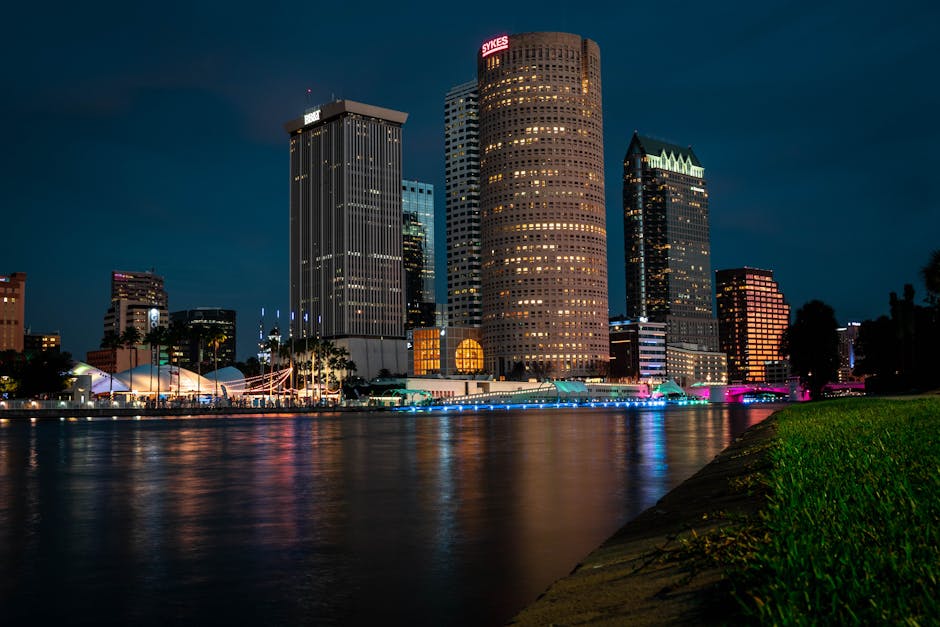
The Structural Maturation of Tampa Bay Waterfront
The transition of Tampa from a secondary regional market to a primary destination for global capital is no longer a matter of speculation. Current inventory levels and sale velocities indicate a fundamental shift in how high-net-worth individuals perceive the West Coast of Florida. Unlike previous cycles driven by speculative growth, the current movement is characterized by permanent tax migration and the establishment of corporate headquarters. This structural maturation has placed a premium on legacy assets, particularly those situated along the coastal corridors of South Tampa and the surrounding islands.
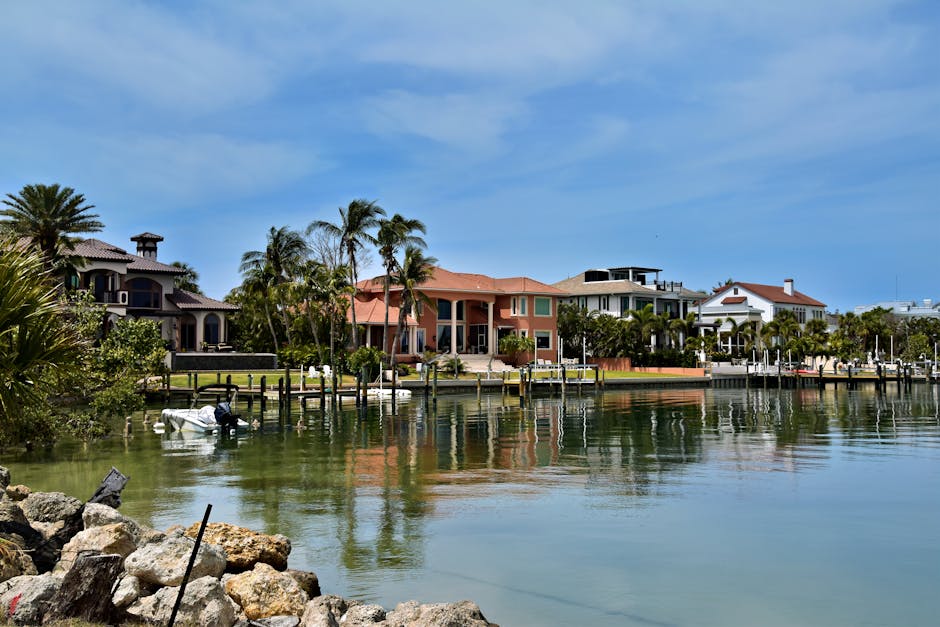
Observations from the field suggest that buyers are increasingly prioritizing architectural integrity and lot size over mere square footage. The emergence of the waterfront as a primary luxury real estate market, as noted by The National Law Review, reflects a broader trend of sophisticated investors seeking stability and lifestyle density in one of the nation’s most resilient economies. This is particularly evident in areas where the scarcity of buildable land has created a floor for valuation that remains largely insulated from broader national cooling trends.
Furthermore, the profile of the typical buyer has evolved. We are seeing a decrease in seasonal residents and an influx of full-time occupants who require proximity to professional hubs and elite educational institutions. This demographic shift necessitates a different approach to inventory assessment. Properties must now function as multi-purpose compounds capable of supporting remote executive functions, extensive fitness facilities, and significant social hosting requirements. The days of the simple vacation home are being replaced by the era of the comprehensive residential estate.
Assessing Neighborhood Specifics and Inventory Scarcity
Navigating the current landscape requires a granular understanding of neighborhood-level movements. While areas like Davis Islands and Beach Park remain the gold standard for many, we are seeing significant upward pressure in Culbreath Isles and the Sunset Park waterfront. The median list price for the luxury segment now sits firmly at $2,500,000, but the ceiling continues to rise as record-setting transactions redefine what is possible in the local market. Recent data confirms that Tampa Bay’s most expensive home sales frequently involve off-market negotiations or pre-construction commitments, emphasizing the importance of local network access.
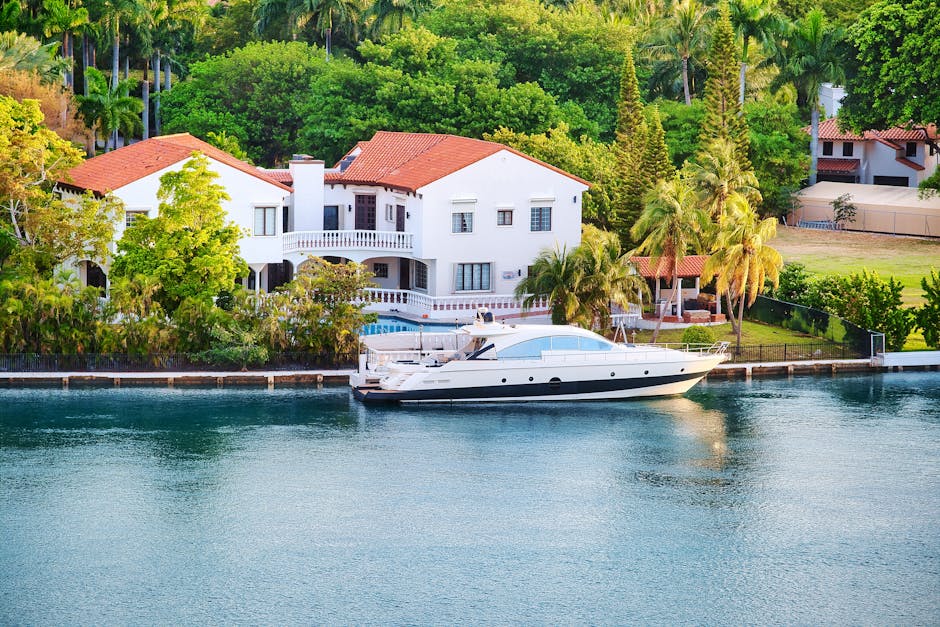
For buyers focused on South Tampa, the value proposition often hinges on the balance between historic charm and modern engineering. Many of the most sought-after properties along Bayshore Boulevard or within the Hyde Park vicinity offer a unique blend of heritage and high-performance infrastructure. However, the true scarcity lies in deep-water access. As yachting culture expands in the region, properties capable of accommodating significant vessels with minimal bridge restrictions are seeing the highest rates of appreciation and the lowest days on market.
The commercial integration of the Westshore district and the ongoing expansion of Water Street have also altered the desirability of adjacent residential pockets. Buyers are no longer just looking for a quiet street; they are looking for a cohesive community experience that allows for rapid transit to the city’s core while maintaining the privacy expected of a high-end estate. This demand for “quiet proximity” is driving values in often-overlooked enclaves that provide the necessary buffer from the public eye while remaining minutes from the urban center.
The Vertical Shift: Early-Stage Luxury Condos
While single-family residences dominate the conversation, the vertical market in Tampa is undergoing its own transformation. Historically, Tampa was not a high-rise luxury city, but the entry of major brands and developers has changed the trajectory. Industry analysis from Tampa Bay Business & Wealth suggests that the region remains in an early-stage luxury condo market. This provides a strategic window for buyers who prefer the amenities and security of high-rise living but want to enter a market before it reaches the saturation levels seen in Miami or West Palm Beach.
Newer developments are emphasizing “sky-home” concepts—units that occupy entire floors or offer significant outdoor terrace space, effectively mimicking the feel of a single-family home with the added benefit of managed services. Concierge capabilities, private elevators, and integrated wellness centers are now standard requirements for any project aiming at the upper echelon of the market. This shift towards service-heavy living is particularly attractive to the demographic of buyers who maintain multiple residences and require a turn-key solution in Tampa.
We are also observing a trend toward “boutique” verticality—buildings with fewer than 30 residences that offer an extreme level of privacy and personalization. These projects often sell out before the foundation is poured, as they cater to a specific subset of the market that values anonymity over the social scene of larger towers. For the discerning advisor, tracking these pre-sale opportunities is essential to securing the most advantageous positions for clients.
Due Diligence: A Framework for High-Value Acquisitions
Acquiring a high-value asset in the current environment requires more than just a financial transaction; it requires a sophisticated due diligence process. Environmental considerations, coastal construction standards, and long-term infrastructure planning are critical factors that can impact both the enjoyment of the property and its eventual resale value. Sophisticated buyers are increasingly looking at elevation, sea wall integrity, and advanced climate-mitigation features as primary search criteria rather than secondary considerations.
With approximately 120 active luxury listings currently on the market, the ability to differentiate between a well-marketed property and a fundamentally sound investment is paramount. The median list price of $2,500,000 represents a diverse range of assets, from renovated historic homes to ultra-modern waterfront builds. Determining where a specific property falls on this spectrum involves a detailed analysis of recent comps and an understanding of the specific “micro-market” dynamics at play.
- Verify seawall age and engineering specifications for all waterfront properties.
- Assess the proximity to upcoming infrastructure projects that may impact traffic patterns or noise levels.
- Review private school availability and enrollment waitlists in the immediate vicinity.
- Evaluate the property’s capability for integrated technology and high-load power requirements.
- Confirm the status of riparian rights and dockage permits with local authorities.
- Analyze the elevation certificates and insurance implications of recent coastal building code updates.
This checklist serves as the foundation for any serious inquiry. The complexity of these transactions necessitates a team of professionals who understand the nuances of the Tampa landscape. From environmental engineers to specialized legal counsel, the support structure around a luxury purchase is as important as the property itself. This rigorous approach ensures that the acquisition aligns with the broader financial and lifestyle goals of the buyer.
Comparing Market Movement: Local Resilience vs. National Trends
One of the most frequent questions from advisors and buyers alike is how Tampa maintains its momentum while other luxury hubs experience a cooldown. The answer lies in the relative value proposition. Despite recent appreciation, Tampa remains significantly more accessible than competing markets in California or the Northeast, while offering a superior tax environment and climate. According to reports from The Business Journals, the market continues to grow stronger despite national declines, driven by a persistent supply-demand imbalance in the premium segment.
This resilience is further bolstered by the quality of the lifestyle. The region is seeing a massive influx of cultural investment, from world-class dining to significant museum expansions. These “soft” factors create a stickiness that keeps residents in the area long after their initial tax-driven move. The community has matured to the point where it can support a sophisticated, year-round population that demands excellence in every facet of their daily lives.
When comparing specific properties, such as the contemporary estates found on Gardner Road or the expansive land opportunities in the peripheral high-end zones, the data shows a consistent trend toward quality. Properties like those on Florida Avenue or Troutwater Lane demonstrate that even within different sub-markets, the focus remains on unique architectural statements and high-utility spaces. The market is rewarding those who invest in quality materials and timeless design, while properties with generic finishes or deferred maintenance are finding less favor with today’s analytical buyer.
Logistics, Lifestyle, and Community Integration
Understanding the rhythm of the city is an essential part of the acquisition process. For many, the appeal of Tampa lies in its ability to offer a coastal lifestyle without the logistical headaches often associated with Florida’s larger metros. However, staying informed about local developments and events is crucial for maintaining a high quality of life. For instance, being aware of a traffic advisory from the City of Tampa regarding major community events can be the difference between a seamless weekend and a logistical challenge.
Community integration also extends to the cultural and social calendar. The local scene is increasingly sophisticated, with events that cater to an international audience. Whether it is high-profile charity galas or the arrival of major concert tours and festivals, as reported by FOX 13 Tampa Bay, there is a palpable sense of momentum. For families, the focus on top-tier educational institutions and youth-centric programming ensures that the next generation is as well-served as the current one.
Ultimately, the decision to acquire property in Tampa is a decision to participate in the growth of a city that is still in the early chapters of its ascent. The infrastructure is modernizing, the economy is diversifying, and the luxury landscape is reaching new heights of sophistication. For the buyer who values both financial prudence and a high-caliber lifestyle, the current market offers a rare combination of stability and potential. Navigating this successfully requires a long-term view and a commitment to understanding the subtle nuances that define the various neighborhoods of this evolving waterfront city.
The path to a successful acquisition begins with a clear understanding of the inventory and a strategic partnership with an advisor who lives and breathes the local market. Whether you are looking for a deep-water estate on Davis Islands or a modern sky-home overlooking the bay, the opportunities are significant for those prepared to act with precision. We invite you to explore our curated listings of the most significant properties currently available and contact an advisor today to discuss your specific requirements and gain access to off-market opportunities in the Tampa Bay region.
Your next move in Tampa luxury
Get current inventory, pricing guidance, and private-tour support from our brokerage team.
Source highlights
- Tampa Bay’s most expensive luxury home sales of 2025 – Tampa Bay Times
- Tampa Bay luxury market grows stronger despite national declines – The Business Journals
- Why Tampa remains an early-stage luxury condo market – Tampa Bay Business & Wealth
- Tampa Bay’s Waterfront Emerges as a Primary Luxury Real Estate Market – The National Law Review
- Florida Trend Real Estate – Florida Trend
- New Signature Real Estate Team Emerges Across Tampa Bay: The Nick Janovsky Group Launches with Premier Sotheby’s International Realty – citybiz
- Things to do with kids this weekend in Tampa, FL – That's So Tampa
- Tampa weekend events: Concerts, festivals and downtown family fun — What to know before you go – FOX 13 Tampa Bay
Turn the market read into a private search.
Use the research, then check live inventory, land opportunities, and off-market fit with a broker before you spend time on the wrong property.



