


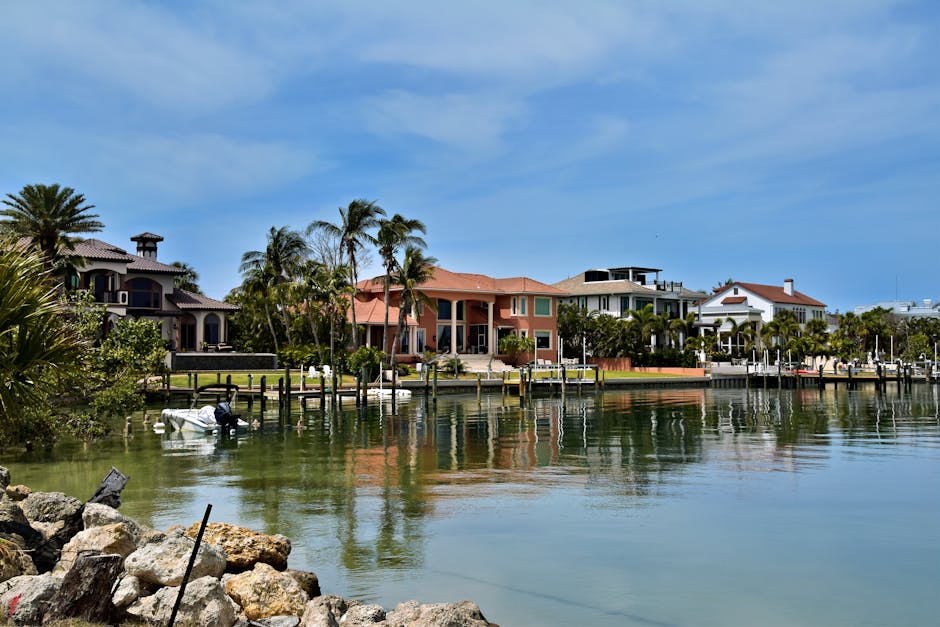
The Divergence of Tampa from National Real Estate Trends
The high-end residential sector in Tampa is currently operating on a different trajectory than the broader national market. While many metropolitan areas are experiencing a significant cooling in transaction volume, the Tampa luxury segment remains supported by a persistent influx of domestic migration and wealth relocation. High-net-worth individuals from the Northeast and Midwest continue to view the region not merely as a seasonal destination, but as a primary hub for capital preservation. This shift is substantiated by recent reports from The Business Journals, which highlight that the Tampa Bay luxury market has grown stronger despite national declines. The appetite for premium assets is driven by a fundamental desire for quality of life coupled with a favorable tax environment that continues to attract business leaders and entrepreneurs.

Current inventory data reflects a highly curated market, with approximately 120 active luxury listings available. The median list price has stabilized around $2,500,000, signaling a mature pricing floor that discourages speculative volatility. Buyers in this bracket are increasingly analytical, prioritizing long-term appreciation over rapid turnover. We are observing a trend where the quality of construction and the specificity of location—particularly in areas like South Tampa and Davis Islands—are the primary drivers of value. As an advisor, the focus has shifted from finding any available property to identifying specific assets that offer a hedge against inflation and broader market uncertainty.
The Enduring Premium of Waterfront Scarcity
Waterfront property in Tampa remains the most resilient asset class in the region. The geographical limitations of the peninsula mean that the supply of deep-water access and unobstructed bay views is finite. This scarcity creates a natural insulation against market corrections. According to an analysis by The National Law Review, Tampa Bay’s waterfront has emerged as a primary luxury real estate market, moving away from its historical designation as a secondary or vacation home destination. This transition to primary-home status means that owners are less likely to liquidate during economic shifts, further constricting supply and maintaining high valuation levels.
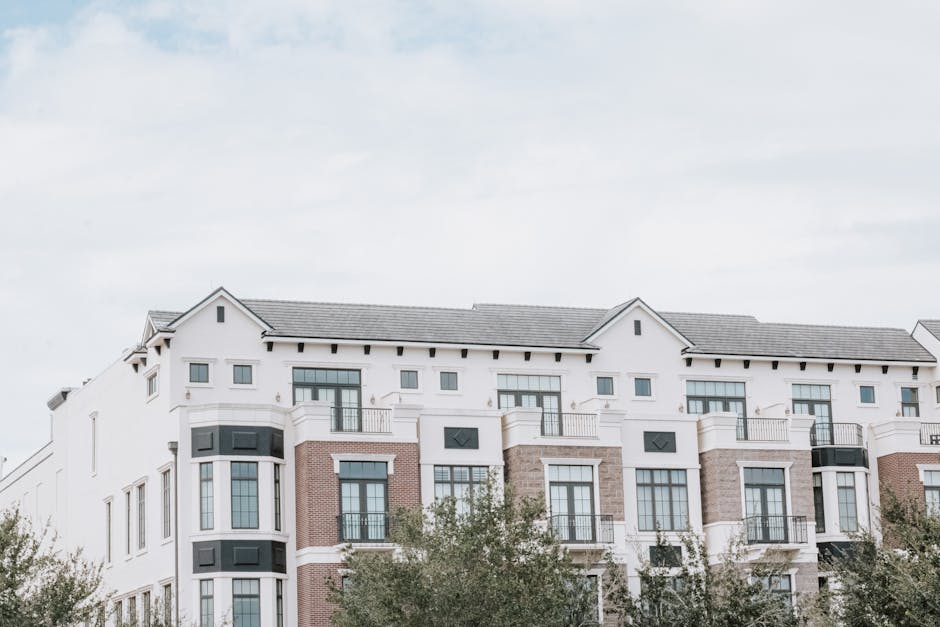
For those evaluating waterfront options, the distinction between open bay views and canal access is significant for long-term liquidity. Properties along Bayshore Boulevard and the perimeter of Davis Islands command the highest premiums due to their visibility and architectural prestige. However, inland estates with substantial acreage are also seeing increased interest as buyers seek privacy and space. For instance, properties like the estate on Gardner Road, listed at $3,000,000, offer a different value proposition than the dense, urban luxury of Hyde Park. Comparing these two distinct styles of living requires a sophisticated understanding of how different neighborhoods age and how their local infrastructure supports high-end residency.
Evolution of the Luxury Vertical Market
Tampa is currently witnessing a maturation of its luxury condominium sector, particularly in the Water Street and Westshore districts. This evolution represents a significant departure from the traditional single-family home preference that once dominated the region. Sophisticated buyers are now looking for full-service vertical living that mirrors the amenities found in Manhattan or Miami. The Tampa Bay Business & Wealth report notes that Tampa remains an early-stage luxury condo market, suggesting that there is still room for significant growth and appreciation as the skyline continues to densify. This early-stage status offers a unique window for investors to enter a market that is still defining its upper limits.
The shift toward high-rise living is not just about the view; it is about the integration of lifestyle and convenience. Managed services, advanced security, and proximity to the city’s emerging culinary and cultural scenes are high priorities. For many affluent buyers, the reduction in maintenance responsibilities associated with a luxury condo is a major factor in their decision-making process. As the market develops, we expect to see a greater emphasis on branded residences and high-design architecture that pushes the boundaries of traditional Floridian aesthetics. Assessing these developments requires a keen eye for developer reputation and the long-term viability of the surrounding commercial infrastructure.
- Verify the structural integrity and elevation certificates for all waterfront acquisitions.
- Analyze the historical appreciation rates of specific neighborhood pockets rather than city-wide averages.
- Evaluate the quality of finishes and mechanical systems in new construction versus renovated historic estates.
- Review the proximity to elite private education and high-end healthcare facilities.
- Assess the impact of recent and planned infrastructure projects on local traffic and privacy.
- Consult with a specialized advisor to understand the off-market opportunities that do not reach public portals.
Comparing Estates in Hyde Park and Davis Islands
Hyde Park and Davis Islands represent two of the most prestigious enclaves in Tampa, yet they offer fundamentally different experiences. Hyde Park is characterized by its historic charm, walkable brick streets, and proximity to the shops and dining of Hyde Park Village. The luxury assets here often include meticulously restored bungalows or grand historic estates that require a buyer who appreciates architectural heritage. The value in Hyde Park is tied to its status as a preserved historic district, which prevents over-development and ensures a consistent aesthetic. Investors here are often buying into a legacy neighborhood where supply is almost entirely static.
In contrast, Davis Islands offers a more contemporary and varied landscape. While there are historic homes, the island is known for its wide-ranging architectural styles, including modern masterpieces and Mediterranean revivals. The lack of through-traffic provides a level of seclusion that is difficult to find elsewhere in the city. Properties such as those found on Troutwater Lane, priced at approximately $2,650,000, demonstrate the island’s ability to provide a serene residential environment while remaining minutes from the downtown core. For a buyer, the choice between these two areas often comes down to a preference for historic continuity versus modern customization and water access.
Demographics and the Impact of Inbound Migration
The demographic profile of the Tampa luxury buyer has shifted toward a younger, more mobile professional. The rise of remote work and the relocation of major corporate headquarters to Florida have accelerated this trend. According to Florida Trend, the state’s real estate market continues to benefit from these macroeconomic shifts, with Tampa serving as a primary beneficiary. This new wave of buyers is not just looking for a house; they are looking for a strategic asset that supports a high-functioning lifestyle. They value technology integration, energy efficiency, and spaces that can accommodate both professional and private life.
This migration is also affecting the architectural trends we see in new developments. There is a growing demand for multi-generational living spaces and sophisticated home offices that go beyond a simple desk in a spare room. The current average list price of $3,295,129 for high-end properties in the area reflects the premium placed on homes that have been updated to meet these modern standards. As the buyer pool becomes more diverse, the market is responding with a wider range of property types, from sleek urban penthouses to sprawling equestrian estates. Understanding these demographic shifts is essential for both buyers looking for community and sellers looking to position their property effectively.
Managing Risk and Future Market Projections
In any high-value transaction, risk management is paramount. The Tampa market, while resilient, is not immune to the complexities of the current financial environment. Buyers must be diligent in their assessment of insurance costs, tax implications, and potential changes to local zoning laws. A sophisticated advisor will look beyond the list price to evaluate the total cost of ownership and the potential for future liquidity. With 120 luxury homes currently on the market, there is a healthy balance of choice, but the best assets still move with relative speed. The average list price of over $3 million suggests that the market is leaning toward extremely high-quality, high-value offerings.
Looking forward, we anticipate that the Tampa luxury market will continue to outperform national averages due to the sustained demand for the Florida lifestyle and the ongoing professionalization of the local economy. The expansion of the Westshore business district and the continued development of Water Street will only enhance the desirability of surrounding neighborhoods. For those looking to secure a position in this market, the key is to focus on properties with unique, non-reproducible characteristics—whether that is a specific view, a historic designation, or an oversized lot in a premier location. These are the assets that will maintain their value regardless of broader economic cycles.
Navigating the complexities of the Tampa luxury real estate market requires more than just access to data; it requires a nuanced understanding of neighborhood dynamics and buyer behavior. Whether you are looking for a waterfront estate on Davis Islands or a historic residence in Hyde Park, our team provides the analytical insight needed to make an informed decision. We invite you to explore our curated selection of LISTINGS URL and CONTACT URL an advisor today to discuss your specific goals in the Tampa market.
Your next move in Tampa luxury
Get current inventory, pricing guidance, and private-tour support from our brokerage team.
Source highlights
- Tampa Bay’s most expensive luxury home sales of 2025 – Tampa Bay Times
- Tampa Bay luxury market grows stronger despite national declines – The Business Journals
- Why Tampa remains an early-stage luxury condo market – Tampa Bay Business & Wealth
- Tampa Bay’s Waterfront Emerges as a Primary Luxury Real Estate Market – The National Law Review
- Florida Trend Real Estate – Florida Trend
- New Signature Real Estate Team Emerges Across Tampa Bay: The Nick Janovsky Group Launches with Premier Sotheby’s International Realty – citybiz
- Things To Do In Tampa This Weekend: Best Festivals & Events Going On – That's So Tampa
- Tampa weekend events: Concerts, festivals and downtown family fun — What to know before you go – FOX 13 Tampa Bay



