


Current Market Dynamics and Inventory Shifts
The Tampa luxury real estate sector has transitioned from a period of intense, reactive purchasing into an analytical phase of deliberate acquisition. Buyers are heavily scrutinizing asset quality, long-term valuation models, and neighborhood resilience before deploying capital. Currently, the multiple listing service records 120 active luxury listings. This figure provides sufficient selection while maintaining baseline pricing support across premium corridors. This balanced inventory prevents extreme bidding scenarios seen in previous cycles, yet it requires buyers to act strategically when turnkey properties enter the market.
Pricing structures reflect this measured, quality-driven environment. With a median list price of $2,500,000 and an average list price reaching $3,295,129, the data indicates a top-heavy market where exceptional estates pull the average upward significantly. The disparity between the median and average suggests that ultra-premium properties—particularly those featuring deep-water dockage, expansive acreage, or architectural provenance—command significant premiums. Buyers must differentiate between standard luxury inventory and these ultra-premium benchmark assets when establishing target pricing and negotiation ranges.
As national markets experience price corrections, regional strength remains a notable outlier. According to recent analysis in The Business Journals, the Tampa Bay high-end sector demonstrates sustained growth despite broader economic headwinds. This divergence is driven by consistent inbound migration of affluent professionals, corporate relocations, and a favorable tax infrastructure, ensuring a continuous pipeline of well-capitalized demand for prime residential assets.
Evaluating Prime Corridors and Waterfront Assets
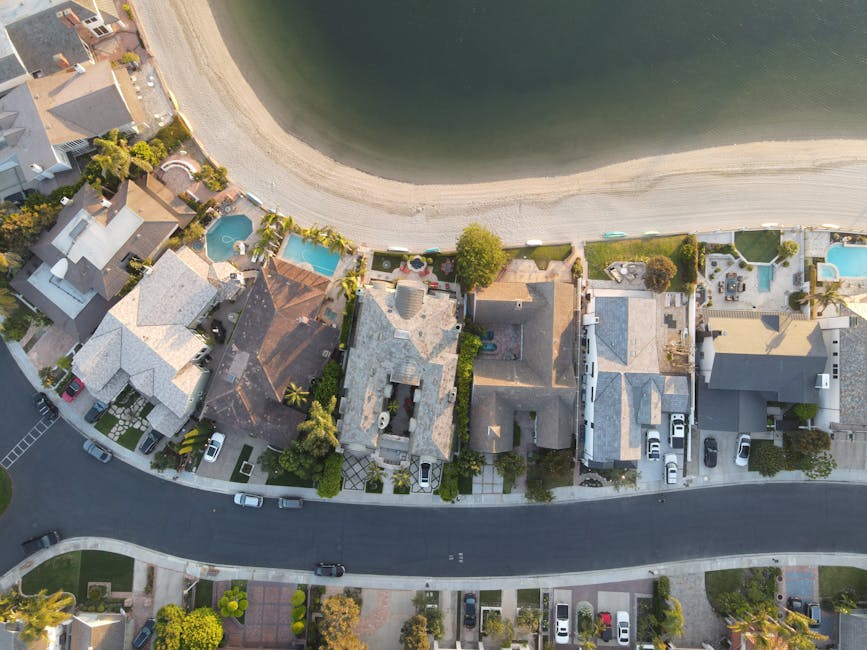
Location remains the absolute primary driver of high-end valuation, but the definition of a prime Tampa corridor is actively expanding. Established enclaves such as Hyde Park, Parkland Estates, and Davis Islands maintain their historical pricing dominance. These areas are characterized by constrained inventory and high barriers to entry. However, discerning buyers are increasingly evaluating adjacent corridors that offer larger parcel sizes and newer infrastructure without sacrificing proximity to the urban core and essential civic amenities.
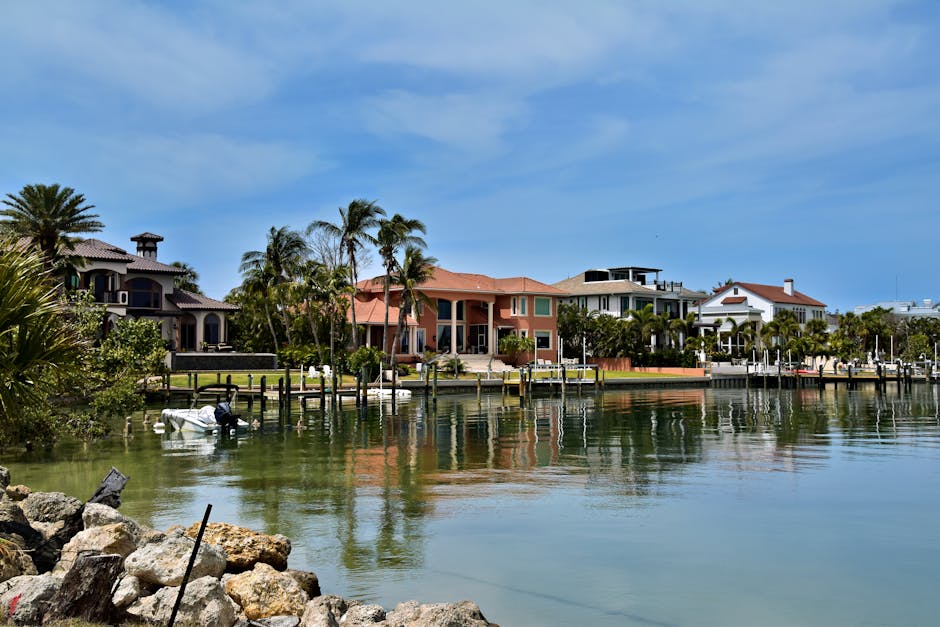
Waterfront estates represent a highly specialized sub-market with its own underlying pricing logic. The valuation of these properties is strictly dictated by seawall condition, linear waterfront footage, dockage capacity, and bridge clearances to open water. As detailed by The National Law Review, the region’s waterfront has emerged as a primary focus for affluent relocations, driving intense competition for properties with unobstructed Bay or Gulf access. Buyers must conduct rigorous environmental and structural due diligence before proceeding with these complex acquisitions.
Analyzing recent market entries provides a clearer picture of current structural valuations. Benchmark properties along Troutwater Lane and Gardner Road—listed at $2,650,000 and $3,000,000 respectively—illustrate the premium placed on private acreage, custom architectural features, and superior build quality. Conversely, extensive estates in developing luxury corridors, such as specific custom builds near N Florida Avenue asking $2,200,000, offer compelling value propositions for buyers prioritizing total square footage and lot size over historical neighborhood provenance.
Structural Integrity and Architectural Valuation
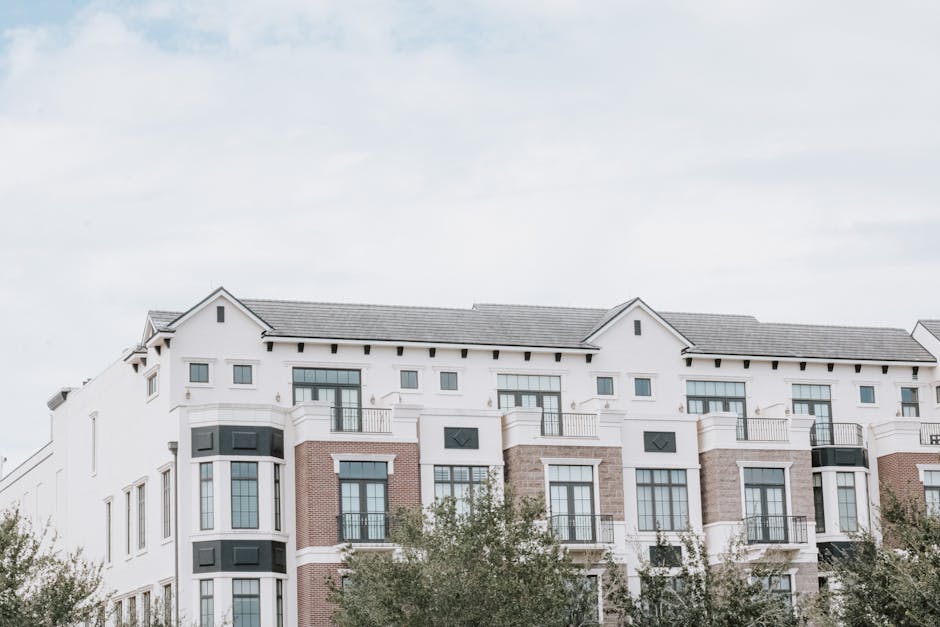
The architectural landscape of Tampa’s premium sector is bifurcated between restored historic homes and modern, newly constructed estates. Buyers face a fundamental choice between the irreplaceable character of Mediterranean Revival properties and the severe weather resilience of contemporary builds. Accurate valuation models must account for the immediate capital expenditures required to update legacy electrical, plumbing, and HVAC systems in older homes versus the embedded premium built into new construction pricing.
While global supply chain stabilization has normalized the raw cost of renovations, time remains a highly valued factor. Affluent buyers overwhelmingly prefer turnkey properties to avoid the protracted timelines, permitting delays, and management overhead associated with major custom builds. Consequently, fully updated historic homes or recently completed modern estates consistently capture the highest price per square foot. Properties requiring significant modernization are trading at noticeable discounts, presenting strategic opportunities for buyers with the capital deployment capabilities to execute comprehensive redevelopment.
The condominium sector offers another strategic avenue for premium acquisitions, particularly for buyers seeking low-maintenance assets with extensive, managed amenities. While historically a secondary consideration in this market, the high-rise sector is maturing rapidly. Recent coverage in Tampa Bay Business & Wealth explores the evolving dynamics of this early-stage luxury condo market, highlighting the increasing demographic demand for secure, vertical living that offers privacy, dedicated concierge services, and panoramic views of the bay and downtown skyline.
Strategic Acquisition Protocol
Navigating a market with a $3.29M average list price requires a methodical, uncompromised approach to asset evaluation. Emotional purchasing logic has been replaced by rigorous, data-driven analysis. Buyers must establish clear criteria for their acquisitions, weighing the appreciating value of the land against the depreciating value of the physical structure. This involves a granular examination of comparable sales, pending off-market transactions, and the historical pricing trajectory of specific streets within targeted neighborhoods.
To ensure a sound acquisition and protect capital, buyers should adhere to a stringent evaluation framework before drafting and submitting an offer. The following criteria form the absolute baseline for assessing premium properties in the current macroeconomic landscape:
- Verify current FEMA flood zone designations and calculate the associated impact on insurance premiums and long-term structural viability.
- Assess the age, condition, and tie-back integrity of seawalls and dockage for waterfront properties, modeling future maintenance liabilities.
- Evaluate the provenance and municipal permit history of all structural modifications, roof replacements, or footprint expansions to ensure compliance with current building codes.
- Analyze neighborhood-level inventory metrics and days-on-market data to determine if the immediate micro-market favors buyers or sellers.
- Compare the property’s strict price per square foot against recent comparable sales, making accurate adjustments for lot size, elevation, and premium amenities.
- Examine the property’s proximity to essential infrastructure, including top-tier educational institutions, medical facilities, and private aviation transit routes.
Utilizing this structured framework mitigates downside risk and provides a clear, objective basis for negotiation. In a market where high-quality, correctly priced inventory is actively pursued by sophisticated buyers, presenting a clean, well-structured offer based on empirical market data positions buyers advantageously against competing, less-prepared interests.
Cultural Integration and Lifestyle Proximity
Beyond the physical specifications of the asset, premium real estate valuations in Tampa are inextricably linked to the surrounding cultural and civic infrastructure. The city has systematically cultivated a sophisticated environment that appeals to discerning residents, offering a diverse array of culinary, artistic, and entertainment venues. Immediate proximity to these cultural hubs—whether it involves rapid access to the Straz Center, the Tampa Museum of Art, or exclusive culinary districts—adds measurable, distinct value to nearby residential properties.
The region’s active calendar of events further enhances its appeal, providing a dynamic backdrop for affluent residents seeking civic engagement. From high-profile culinary festivals to exclusive private gallery events, the area sustains a robust social infrastructure. For context on the local tempo, That’s So Tampa routinely highlights the depth of weekend festivals and cultural gatherings that define the region’s active civic life. This sustained cultural momentum supports long-term property values by ensuring the area remains highly desirable for incoming executives and founders.
The environmental context also plays a crucial, continuous role in lifestyle integration and property design. With late April forecasting clear skies, minimal precipitation probabilities, and comfortable temperatures, the region’s climate facilitates consistent, year-round outdoor engagement. This specific weather pattern directly influences architectural preferences, driving sustained premium demand for properties featuring seamless indoor-outdoor structural transitions, expansive covered lanais, custom poolscapes, and sophisticated exterior climate control systems.
Structuring Your Next Acquisition
The current localized data indicates a Tampa luxury market that is highly stable, incredibly discerning, and structurally complex. With 120 active listings and significant variances between median and average pricing matrices, the landscape requires careful, expert navigation. Compelling opportunities exist for buyers who can accurately assess property condition, location fundamentals, and micro-market pricing trends. Success in this refined environment depends entirely on executing an acquisition strategy grounded in empirical data rather than speculative assumptions or outdated market heuristics.
Whether analyzing the valuation of a $2.65M custom build or evaluating the long-term potential of a historic waterfront estate, the approach must remain highly analytical and fiercely objective. Buyers should focus on asset preservation, structural resilience, and the intrinsic, underlying value of the land parcel. By prioritizing these foundational elements, investors and primary residents can secure properties that not only meet their immediate requirements but also offer sustained, robust long-term value in a competitive landscape.
Navigating this intricate real estate landscape requires verified expertise and a deep, continuous understanding of local market nuances. To begin analyzing current opportunities and aligning them with your specific acquisition criteria, we invite you to review our active portfolio. Explore our curated luxury listings to assess the caliber of available premium properties. When you are ready to initiate a targeted property search or discuss strategic valuation models, reach out directly via our advisory contact channel to schedule a confidential, comprehensive consultation.
Your next move in Tampa luxury
Get current inventory, pricing guidance, and private-tour support from our brokerage team.
Source highlights
- Tampa Bay’s most expensive luxury home sales of 2025 – Tampa Bay Times
- Tampa Bay luxury market grows stronger despite national declines – The Business Journals
- Why Tampa remains an early-stage luxury condo market – Tampa Bay Business & Wealth
- Tampa Bay’s Waterfront Emerges as a Primary Luxury Real Estate Market – The National Law Review
- Florida Trend Real Estate – Florida Trend
- New Signature Real Estate Team Emerges Across Tampa Bay: The Nick Janovsky Group Launches with Premier Sotheby’s International Realty – citybiz
- Things To Do In Tampa This Weekend: Best Festivals & Events Going On – That's So Tampa
- Tampa weekend events: Concerts, festivals and downtown family fun — What to know before you go – FOX 13 Tampa Bay



