


The Structural Evolution of Tampa’s High-End Residential Sector
As we navigate the second quarter of 2026, the Tampa luxury real estate market has transitioned from the rapid appreciation cycles of previous years into a more sophisticated, data-driven environment. For the affluent buyer, this shift represents a move toward market stabilization, where the decision to acquire property is guided by long-term utility and structural value rather than speculative momentum. Currently, the local inventory reflects a specialized landscape with approximately 120 active luxury listings, maintaining a median list price of $2,500,000. This price point serves as a critical benchmark for evaluating entry into established neighborhoods like Beach Park and Palma Ceia.
A significant driver of this stabilization is the recent adjustment in financing costs. With mortgage rates settling near 6.09%, as noted by Tampa Bay Business & Wealth, the cost of capital has reached a psychological floor that encourages primary residence buyers to commit to larger-scale acquisitions. This predictability in the credit markets has allowed for a more balanced negotiation environment, moving away from the frantic bidding wars that previously characterized the high-end segment. Buyers are now prioritizing due diligence and property inspections, reflecting a more cautious and calculated approach to capital deployment.
Furthermore, the profile of the typical Tampa luxury buyer has evolved. We are seeing a sustained influx of high-net-worth individuals who are not merely seeking seasonal retreats but are establishing permanent roots. This transition is evident in the demand for properties that offer expansive home offices, advanced wellness suites, and multi-generational living configurations. The market is no longer defined by temporary relocation; it is defined by the long-term migration of wealth and talent into the Florida Gulf Coast region, particularly within the residential corridors of South Tampa.

Waterfront Dominance and the Emergence of Primary High-End Markets
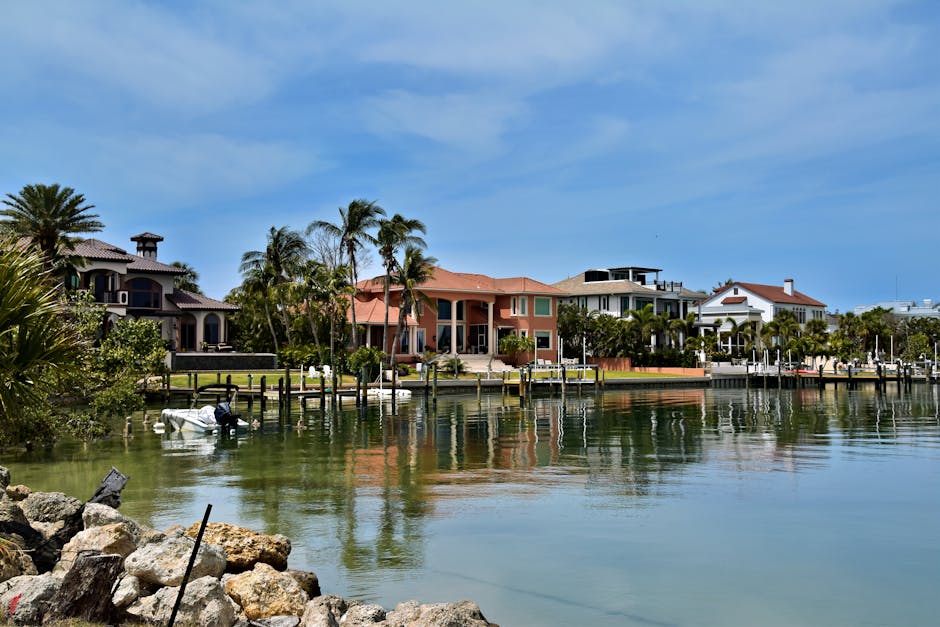
The distinction between recreational waterfront and primary residence waterfront has become increasingly pronounced in 2026. According to recent analysis by The National Law Review, Tampa Bay’s waterfront has officially emerged as a primary luxury market, rivaling established enclaves in South Florida. This trend is driven by a combination of limited shoreline availability and a growing preference for the lifestyle benefits associated with the Hillsborough Bay and Old Tampa Bay areas. Properties along Bayshore Boulevard and the quiet inlets of Culbreath Isles continue to command significant premiums, often exceeding the average list price of $3,295,129 seen across the broader luxury segment.
Strategic buyers are increasingly focusing on the intrinsic value of the land rather than just the existing vertical improvements. In areas like Beach Park, we observe a trend where older structures are being acquired primarily for their lot value, often in the $2,000,000 to $3,000,000 range, to make way for modern, high-resiliency architectural designs. This focus on land value is a key indicator of market health, as it suggests that buyers are confident in the long-term appreciation of the location itself, regardless of short-term fluctuations in construction costs or aesthetic trends.
Inventory movement also suggests a preference for turnkey assets that minimize the need for immediate renovation. While the top-tier sales of 2025, documented by the Tampa Bay Times, highlighted record-breaking transactions for finished estates, the 2026 market is showing a more nuanced appetite. Buyers are meticulously comparing the cost of new construction against the acquisition of renovated legacy homes. This requires a deep understanding of current labor markets and material availability, which have seen moderate improvements but remain a factor in overall project timelines for custom builds.
Inventory Dynamics and the Role of New Construction
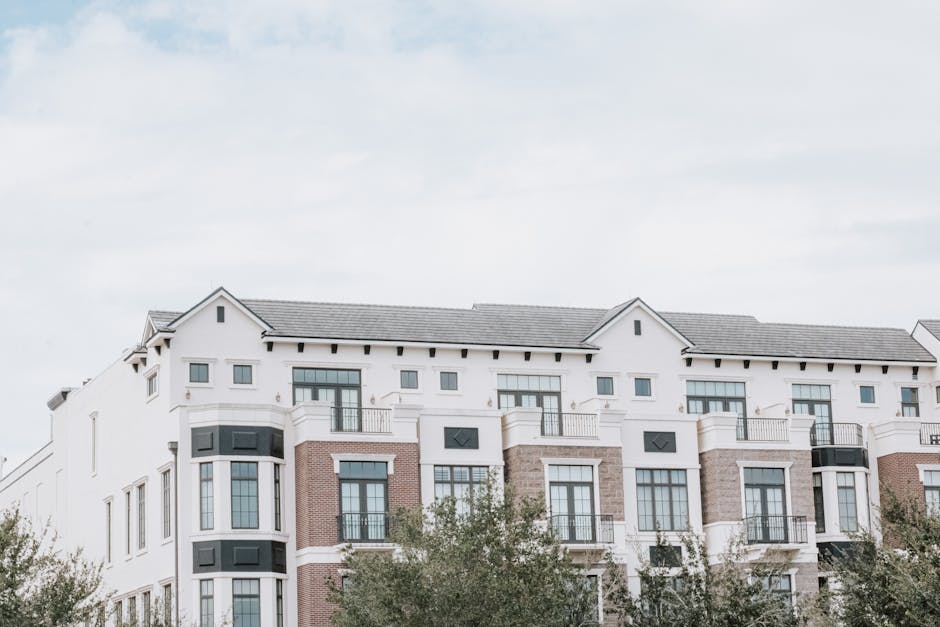
The influx of new construction has provided a much-needed release valve for the supply constraints that previously bottlenecked the market. As developers complete high-end projects across the city, the diversity of available inventory has increased, offering buyers more choices in terms of architectural style and neighborhood density. This increase in supply has not led to a devaluation; rather, it has established a new baseline for quality and amenities that older properties must now strive to meet. The integration of smart home technology and sustainable building materials is no longer an optional upgrade but a standard expectation at the $2.5M+ price point.
Analyzing specific market movements reveals that properties like those found on Gardner Road or Florida Avenue are indicative of the shifting boundaries of the luxury sector. As core areas reach saturation, the periphery of established neighborhoods is seeing renewed interest. This expansion is supported by infrastructure improvements and the development of new commercial hubs that cater to an affluent demographic. It is essential for buyers to evaluate these emerging pockets not just on their current state, but on their projected trajectory over the next five to ten years.
Critical Evaluation Metrics for High-End Acquisition
Before proceeding with a high-value purchase, a sophisticated buyer must verify specific data points that go beyond the basic MLS details. The current environment requires a granular analysis of both the physical asset and the surrounding market conditions.
- Assess the elevation and drainage profiles of the lot to ensure long-term resiliency and insurance viability.
- Verify the history of capital improvements, specifically focusing on roof age, HVAC efficiency, and window impact ratings.
- Analyze neighborhood-specific turnover rates to gauge the liquidity of the asset in various market cycles.
- Evaluate the proximity to private aviation facilities and high-end retail corridors which serve as lifestyle anchors.
- Review current zoning and local development plans that may impact the privacy or view corridors of the property.
Understanding these variables is the difference between acquiring a property and making a sound investment. The 2026 market rewards those who take a comprehensive view of the real estate ecosystem. By focusing on these metrics, buyers can mitigate risks associated with environmental factors and shifting urban dynamics.
Buyer Behavior and the Psychology of the 2026 Market
Confidence in the Florida market remains high, as evidenced by reports from Florida Trend regarding regional economic growth. However, this confidence is tempered by a more analytical buyer mindset. We are seeing a move away from emotional purchasing toward a “private advisor” model of acquisition. Buyers are increasingly leveraging local expertise to uncover off-market opportunities and to navigate the complexities of high-value transactions. This approach is particularly effective in Tampa, where the most desirable properties often change hands with minimal public exposure.
Decision-making in 2026 is often centered on the concept of “lifestyle arbitrage.” Buyers are comparing the relative value of Tampa’s high-end neighborhoods against other luxury markets such as Naples or Miami. Tampa’s appeal lies in its more balanced pace of life, robust professional community, and the ongoing revitalization of the downtown core. This comparative value proposition is a significant factor in attracting out-of-state capital, as individuals realize that their dollar often stretches further here while still providing world-class amenities and waterfront access.
The current average list price of approximately $3.3 million reflects a market that is mature yet still offers room for strategic entry. Whether evaluating a residential estate in Troutwater Lane or a land opportunity in the northern corridors, the emphasis remains on the quality of the build and the permanence of the location. The 2026 buyer is less concerned with immediate resale and more focused on the utility of the home as a multi-generational asset that provides both security and comfort in a changing economic landscape.
Neighborhood-Level Implications and Strategic Takeaways
Success in the current market requires a neighborhood-level understanding of supply and demand. In South Tampa, for instance, the scarcity of land remains the primary driver of value. In contrast, emerging luxury pockets in areas like the Heights or North Tampa offer more space but require a different evaluation of long-term appreciation. A buyer advisor must be able to articulate the trade-offs between these different micro-markets, providing a clear picture of how each choice aligns with the buyer’s broader portfolio goals.
We also observe a tightening of the spread between listing prices and final sale prices. While the median list price remains firm at $2.5 million, sellers are becoming more realistic about their expectations, leading to more efficient transaction cycles. This is a positive sign for market health, as it reduces the “stale listing” syndrome and ensures that active inventory remains relevant to current buyer demand. For those looking to sell, the key to success in 2026 is accurate pricing based on recent comparable sales rather than aspirational figures from years past.
Finally, the importance of professional networking in the Tampa real estate scene cannot be overstated. With many of the city’s most significant transactions occurring quietly, maintaining a pulse on the local community is vital. This includes staying informed about local events and developments, such as those highlighted by That’s So Tampa, which often signal upcoming shifts in neighborhood desirability or infrastructure focus. Being part of the local fabric allows for a deeper understanding of the intangible factors that contribute to a property’s long-term value.
The Path Forward for the Informed Buyer
Navigating the Tampa luxury market in 2026 requires a blend of quantitative analysis and local intuition. As the city continues its trajectory as a premier destination for wealth and lifestyle, the opportunities for strategic acquisition remain abundant for those who understand the underlying data. The current balance of inventory and interest rates provides a window for buyers to secure high-quality assets without the pressure of an overheated market. Success depends on a disciplined approach, focusing on structural integrity, neighborhood longevity, and the guidance of a seasoned advisor who can translate market trends into actionable intelligence. To explore the current opportunities and identify properties that align with your specific criteria, we invite you to browse our curated listings and contact an advisor to discuss your next move in the Tampa market.
Your next move in Tampa luxury
Get current inventory, pricing guidance, and private-tour support from our brokerage team.
Source highlights
- Sarasota developer proposes 300 single-family homes in Lakewood Ranch – The Business Journals
- Tampa Bay’s most expensive luxury home sales of 2025 – Tampa Bay Times
- Mortgage rates fall to 6.09% as new construction lifts Tampa supply – Tampa Bay Business & Wealth
- Tampa Bay’s Waterfront Emerges as a Primary Luxury Real Estate Market – The National Law Review
- Florida Trend Real Estate – Florida Trend
- New Signature Real Estate Team Emerges Across Tampa Bay: The Nick Janovsky Group Launches with Premier Sotheby’s International Realty – citybiz
- Things To Do In Tampa This Weekend: Best Festivals & Events Going On – That's So Tampa
- Tampa weekend events: Concerts, festivals and downtown family fun — What to know before you go – FOX 13 Tampa Bay



