


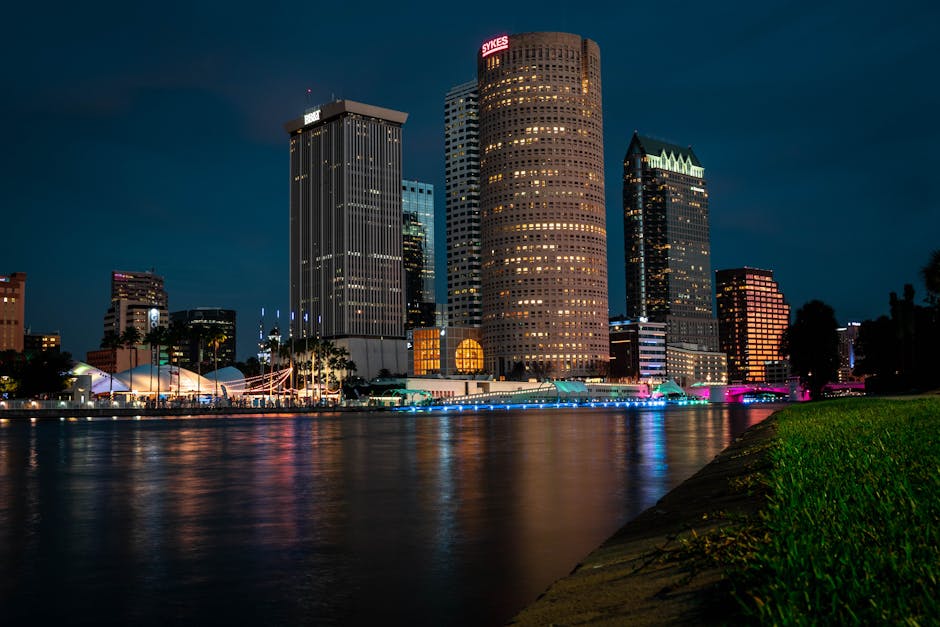
The Evolution of Tampa Waterfront Real Estate
Tampa has historically been categorized as a secondary market, often overshadowed by the high-volume velocity of Miami or the established prestige of Palm Beach. However, the last twenty-four months have signaled a structural shift. The region is no longer a seasonal fallback; it has emerged as a primary luxury market where the scarcity of waterfront land is driving record-breaking valuations. Sophisticated buyers are increasingly prioritizing the protected waters of Old Hillsborough Bay and the open vistas of the Gulf Coast, recognizing that these assets offer a unique combination of privacy and urban accessibility.

As noted in recent analysis from The National Law Review, the emergence of the waterfront as a primary market is supported by long-term infrastructure commitments and a significant influx of out-of-state capital. This transition is most evident in neighborhoods like Davis Islands and Bayshore Boulevard, where older estates are being systematically replaced by modern architectural marvels designed to withstand evolving environmental standards while maximizing aesthetic impact. The move from ‘vacation destination’ to ‘permanent residence hub’ is a critical distinction for the modern investor.
The current inventory reflects this demand, with a median list price of approximately $2,500,000 across the luxury tier. Buyers are no longer looking for mere square footage; they are seeking engineered resilience and architectural pedigree. The buyer behavior observed today indicates a high level of sophistication, with a focus on long-term value persistence rather than short-term speculative gains. In this environment, the ability to identify off-market opportunities or secure early-stage positioning in emerging enclaves is the hallmark of a successful acquisition strategy.
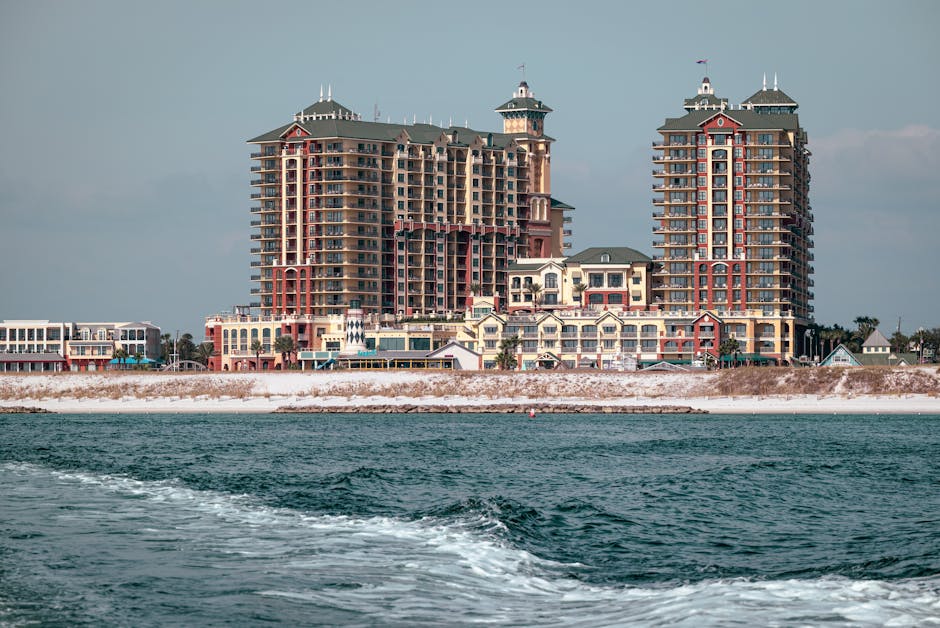
High-Density Luxury: The Rise of the Vertical Estate
The traditional preference for sprawling single-family estates is being challenged by a surge in high-density luxury developments. This ‘vertical estate’ model offers a level of service and security that traditional homes cannot match. Projects within the Water Street district and along the Westshore corridor have introduced 24-hour concierge services, private elevator access, and wellness-focused amenities that cater to a global demographic. This shift toward managed luxury allows owners a ‘lock-and-leave’ lifestyle that is highly compatible with a multi-residence portfolio.
While single-family homes in areas like Beach Park or Culbreath Isles remain the gold standard for many, the condo market is no longer viewed as a compromise. Instead, it is seen as a strategic choice for those who value proximity to the city’s burgeoning cultural and culinary core. The integration of high-end retail and Michelin-recognized dining within walking distance of these residences has redefined the value proposition of downtown living. This urban densification is a primary driver behind the city’s reputation as Florida’s new investment capital.
According to Haute Residence, the $675 million surge in investment capital highlights a fundamental confidence in Tampa’s trajectory. This capital is not just flowing into residential shells but into the very fabric of the city’s infrastructure. For the buyer, this means that a purchase in a high-density luxury tower is backed by a massive commercial and civic investment, ensuring that the surrounding environment will continue to appreciate in both utility and prestige.
Investment Capital Flow and Market Resilience
Despite broader national trends suggesting a cooling in the real estate sector, the Tampa luxury market has demonstrated remarkable resilience. This stability is rooted in a fundamental supply-and-demand imbalance. With only around 120 active luxury listings at any given time, the competition for trophy properties remains intense. Institutional investors and high-net-worth individuals are viewing the Florida Gulf Coast as a hedge against volatility in more saturated markets. The focus has shifted from high-risk speculation to the acquisition of legacy assets.
Economic data from The Business Journals confirms that the local luxury market is growing stronger even as other regions face headwinds. This is partly due to the diversification of the local economy, which now includes a robust technology sector and a significant medical research presence. Buyers are coming from New York, Chicago, and California, bringing with them expectations for high-level finishes and comprehensive smart-home integration. This influx of sophisticated demand is pushing developers to innovate at a faster pace than ever before.
The resilience of the market is also reflected in the average list price, which currently sits above $3,200,000. These figures are not inflated by hype but are supported by closed sales of significant estates, such as those on Troutwater Lane or Gardner Road. When evaluating the market, it is essential to look beyond the headlines and analyze the specific micro-movements within elite neighborhoods. Value is being found in the intersection of historical prestige and modern functional updates.
Navigating the Acquisition: Key Performance Indicators
Successful luxury acquisition requires a more rigorous due diligence process than standard residential transactions. In Tampa, this involves evaluating coastal construction requirements, riparian rights, and the long-term viability of neighborhood associations. A buyer advisor must look beyond the marble countertops to assess the structural integrity and the environmental positioning of the asset. Identifying properties with superior elevation and modern seawall construction is paramount in a coastal environment.
Buyers should also consider the ‘amenity cluster’ of a property. A residence that is isolated from high-quality private schools, elite golf clubs, or private aviation facilities will not retain value as effectively as one integrated into a high-service ecosystem. The behavioral shift toward convenience means that proximity to the Tampa International Airport or the private terminals at Sheltair is a significant factor in the decision-making process for the modern executive.
- Verification of seawall age and structural integrity for all waterfront assets.
- Analysis of recent comparable sales within a two-mile radius to ensure price-per-foot alignment.
- Review of flood elevation certificates and the impact of the latest FEMA mapping on insurance premiums.
- Assessment of HOA reserves and upcoming capital improvement plans in high-density developments.
- Evaluation of the property’s ‘smart core’—including security, climate control, and connectivity infrastructure.
- Investigation of future zoning or development plans for adjacent parcels to protect views and privacy.
By adhering to these metrics, a buyer can mitigate risk and ensure that their acquisition serves as both a lifestyle enhancement and a stable financial anchor. The complexity of the Tampa market requires a localized expertise that understands the nuances of each street and the history of each parcel. Data-backed decision-making is the only way to navigate an environment where the stakes are consistently in the multi-million dollar range.
Neighborhood Micro-Markets: Identifying Value Persistence
Understanding the nuances of Tampa’s neighborhoods is essential for identifying where value will persist. Davis Islands, for instance, offers a unique blend of island privacy and proximity to the city center. Its private airport and yacht club create a self-contained ecosystem that appeals to high-profile individuals. Meanwhile, Bayshore Boulevard remains the most iconic address in the city, offering a linear park experience that is globally recognized. These areas are not just places to live; they are symbols of local achievement.
Inland enclaves like Palma Ceia and Beach Park provide a different value proposition. Here, the focus is on traditional architecture, mature oak canopies, and a deep sense of community. These neighborhoods are often favored by families who prioritize access to the region’s top-tier educational institutions. The market movement in these areas is characterized by lower turnover and high demand, making any available listing a significant event for prospective buyers. Understanding the cultural fabric of these micro-markets is as important as understanding the financial data.
The Westshore area is also seeing a transformation, with new luxury residences providing immediate access to the city’s premier shopping and business districts. As the city expands, the definition of a ‘prime’ location is broadening. Buyers who are willing to look at emerging luxury clusters often find opportunities for significant future appreciation. However, this requires a keen eye for urban planning and a clear understanding of where the next wave of infrastructure investment will land.
The Influence of Infrastructure and Amenity Clusters
Infrastructure is the invisible hand that guides luxury real estate values. In Tampa, the expansion of the Riverwalk and the continuous improvement of the downtown corridor have created a ripple effect that benefits all surrounding neighborhoods. When the city invests in public spaces and connectivity, the private sector follows with high-end retail and service-oriented businesses. This synergy creates the ‘amenity clusters’ that affluent buyers crave. A property is only as valuable as the lifestyle it enables.
The move of major institutions, such as the USF Health Morsani College of Medicine, to the downtown area has brought a new wave of professional residents to the city. These individuals are seeking high-quality housing that matches their professional stature. This influx of high-earning residents supports the local luxury economy, from high-end boutiques to private clubs. The city’s growth is not just about numbers; it is about the quality of the people and businesses that are choosing to call Tampa home.
For those looking to enter the market, the timing is critical. While inventory remains tight, the quality of new builds is at an all-time high. Whether you are seeking a modern waterfront estate or a sophisticated penthouse with views of the bay, the current market offers options that were unavailable a decade ago. It is a period of rapid evolution, and for the discerning buyer, it represents a unique opportunity to secure a place in one of the most dynamic cities in the country. To explore the current landscape of available properties, we invite you to browse our curated LISTINGS URL or connect with a private advisor via our CONTACT URL.
The decisions made today in the Tampa luxury market will define the region’s landscape for decades to come. As the city matures into a global investment capital, the focus must remain on quality, resilience, and strategic positioning. For those who demand the best in lifestyle and financial stability, there is no better time to evaluate the opportunities within this Gulf Coast hub. We encourage you to review the latest inventory and reach out to our team to discuss how we can align your real estate objectives with the unique dynamics of the Tampa market.
Your next move in Tampa luxury
Get current inventory, pricing guidance, and private-tour support from our brokerage team.
Source highlights
- Tampa Bay’s most expensive luxury home sales of 2025 – Tampa Bay Times
- Tampa Bay luxury market grows stronger despite national declines – The Business Journals
- Why Tampa remains an early-stage luxury condo market – Tampa Bay Business & Wealth
- Tampa Bay’s Waterfront Emerges as a Primary Luxury Real Estate Market – The National Law Review
- Florida Trend Real Estate – Florida Trend
- Inside Tampa’s $675 Million Surge: How the City Became Florida’s New Luxury Investment Capital – hauteresidence.com
- Things To Do In Tampa This Weekend: Best Festivals & Events Going On – That's So Tampa
- BTS in Tampa: Guide to road closures, traffic, merch and more – wtsp.com



