


The Maturation of Tampa as a Primary Luxury Real Estate Hub
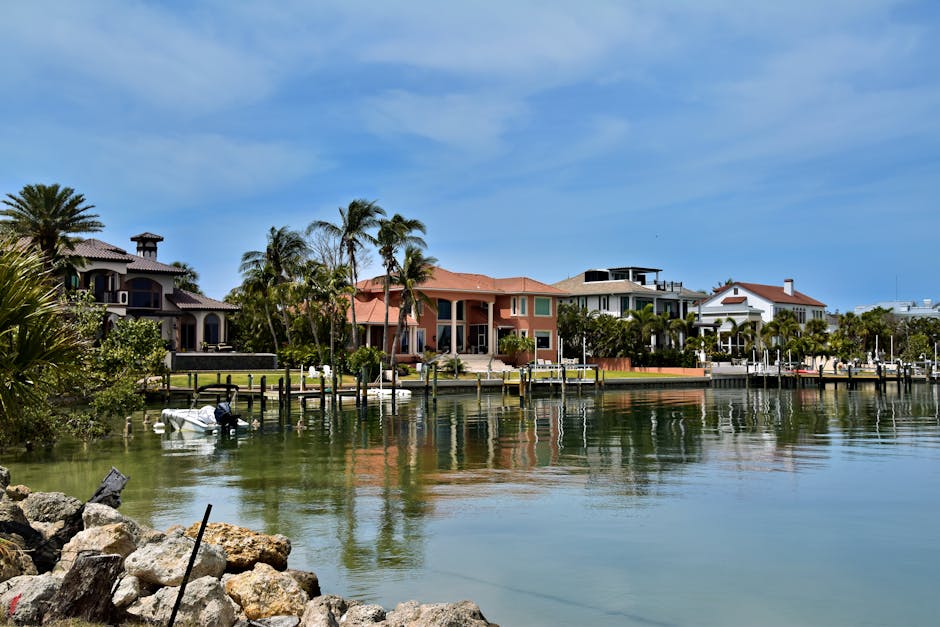
Tampa has officially transcended its historical designation as a secondary or seasonal destination. Data from the early quarters of 2026 confirms that the region has solidified its status as a primary luxury real estate market. This shift is characterized by a significant influx of permanent residents who prioritize long-term capital preservation and high-end functional living over transient vacation properties. As noted by analysts at the National Law Review, the emergence of the waterfront as a primary market driver has fundamentally altered the valuation models used for estates in areas like Davis Islands and Beach Park.
The current inventory reflects this professionalization. With approximately 120 active luxury listings currently available, the market maintains a balanced yet competitive posture. Unlike the volatility seen in other major metropolitan areas, Tampa’s premium sector has demonstrated remarkable stability. Buyers are no longer merely seeking aesthetics; they are evaluating structural integrity, elevation profiles, and neighborhood-specific growth trajectories. This analytical approach to acquisition has become the standard for the modern Tampa advisor.
Comparative Analysis of South Tampa and Davis Islands
For the sophisticated buyer, the distinction between South Tampa’s historic corridors and the secluded enclave of Davis Islands is more than just geographical. South Tampa offers a blend of architectural heritage and immediate proximity to the business district, while Davis Islands provides a more insulated, maritime-focused environment. We are seeing a concentrated interest in properties that offer expansive outdoor integration, such as the estate at 2 Troutwater Ln, which recently entered the market at $2,650,000, representing a benchmark for modern luxury construction in these sought-after pockets.
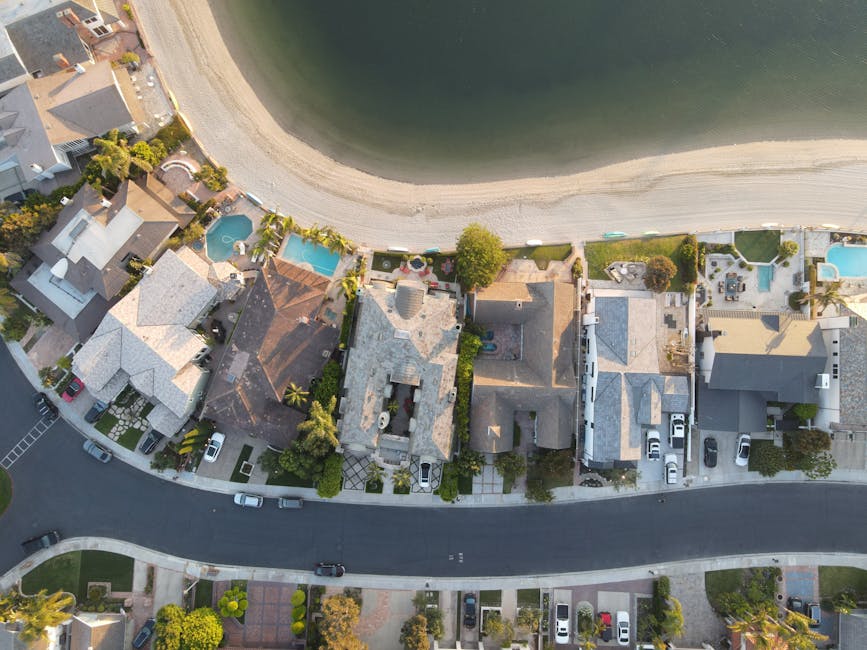
Understanding these micro-markets requires a deep dive into local buyer behavior. In South Tampa, the demand is heavily influenced by the walkability of areas like Hyde Park and the consistent prestige of the Bayshore Boulevard corridor. Conversely, Davis Islands attracts those who prioritize private dockage and a slower pace, even within the city limits. Successful navigation of these areas involves assessing long-term zoning plans and the historical appreciation of specific street-level data, rather than relying on broad city-wide averages.
The Strategic Rise of High-Density Luxury and Vertical Estates
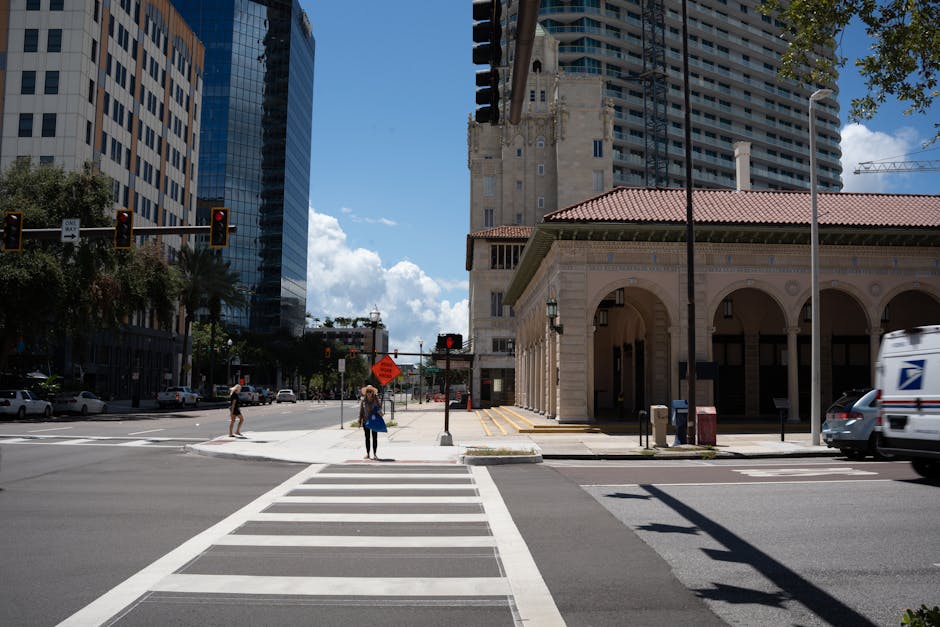
The evolution of the Tampa skyline is perhaps the most visible indicator of the market’s maturity. The luxury condominium sector has moved beyond the early-stage development phase into a robust, high-demand category. According to Tampa Bay Business & Wealth, the urban core’s vertical growth is catering to a demographic that values a lock-and-leave lifestyle without compromising on the square footage or amenities typically found in a single-family home.
This vertical migration is particularly evident in the Water Street and Channelside districts, where high-rise residences are commanding prices that rival traditional waterfront estates. These properties offer a different value proposition: 24-hour concierge services, advanced security protocols, and curated social environments. For buyers comparing a $3,000,000 single-family residence on Gardner Road to a high-floor suite in a new downtown tower, the decision often rests on the desired level of maintenance and the immediacy of access to the city’s burgeoning cultural and culinary scene.
Inventory Dynamics and Pricing Resiliency in 2026
Despite broader national economic shifts, the Tampa luxury market remains resilient. The current average list price for premium properties sits at $3,295,129, with a median list price of $2,500,000. This pricing floor is supported by a consistent demand-supply imbalance in the most desirable coastal sections. As reported by The Business Journals, the local market has continued to grow stronger even as other Florida regions have seen a cooling of activity. This is due in part to the diversified nature of the Tampa economy, which includes thriving sectors in healthcare, finance, and technology.
When evaluating current inventory, it is essential to consider the due diligence required for high-stakes transactions. Modern buyers are utilizing comprehensive data sets to inform their decisions, moving away from emotional acquisitions toward logic-based investments. The following checklist outlines the critical components of a sophisticated due diligence process in the current Tampa climate:
- Verification of updated elevation certificates and modern flood mitigation systems.
- Review of structural engineering reports for any property built prior to the 2020 building code updates.
- Analysis of neighborhood-specific drainage infrastructure and recent municipal improvements.
- Assessment of historical short-term rental restrictions and homeowner association stability.
- Evaluation of neighboring land use and potential future developments that could impact privacy or views.
- Direct comparison of price-per-square-foot metrics against recent closed sales in the same sub-market.
The presence of 120 active listings provides a healthy cross-section of property types, including Residential, Commercial Sale, and Land. For those looking to build, land acquisitions in areas like North Florida Avenue offer a different entry point, though they require a more complex understanding of construction costs and timeline management in a high-demand labor market.
Macro Factors: Tax Migration and Economic Infrastructure
The continued influx of high-net-worth individuals from high-tax jurisdictions remains a primary driver for the Tampa region. Florida’s favorable tax climate is a significant motivator, but the region’s long-term appeal is bolstered by significant infrastructure investments. Organizations like Florida Trend have documented the statewide real estate trends that favor the Tampa Bay area due to its balanced growth and diverse employment base. This economic foundation provides a safety net for luxury property values that is absent in more speculative markets.
Furthermore, the cultural infrastructure of the city has matured alongside its real estate. From major festivals to high-profile concerts and family-oriented events, as highlighted by That’s So Tampa, the city offers a lifestyle that supports year-round residency. The weekend of April 25, 2026, for instance, sees a high level of local activity, reflecting the vibrant yet manageable pace of life that continues to attract primary residents from around the country.
Strategic Acquisitions in the Current Market Cycle
Navigating the Tampa luxury market in 2026 requires a focus on precision and timing. While inventory has increased slightly compared to previous years, the highest-quality assets are still moving with efficiency. Understanding the nuances of property types—from waterfront Residential estates to strategic Land plays—is critical for any serious buyer. We recommend that clients maintain a focus on properties that have undergone recent technological and structural upgrades, as these assets tend to retain their value more effectively during market shifts.
As you consider your next move in this sophisticated landscape, ensure your advisor has a firm grasp of both the micro-market data and the broader economic indicators that influence luxury valuations. We invite you to browse our current LISTINGS URL to view the most prominent estates currently available across the region. For a tailored analysis of how these market movements impact your specific real estate goals, please CONTACT URL to speak with a senior advisor who can provide the dedicated guidance your portfolio requires.
Your next move in Tampa luxury
Get current inventory, pricing guidance, and private-tour support from our brokerage team.
Source highlights
- Tampa Bay’s most expensive luxury home sales of 2025 – Tampa Bay Times
- Tampa Bay luxury market grows stronger despite national declines – The Business Journals
- Why Tampa remains an early-stage luxury condo market – Tampa Bay Business & Wealth
- Tampa Bay’s Waterfront Emerges as a Primary Luxury Real Estate Market – The National Law Review
- Florida Trend Real Estate – Florida Trend
- New Signature Real Estate Team Emerges Across Tampa Bay: The Nick Janovsky Group Launches with Premier Sotheby’s International Realty – citybiz
- Things To Do In Tampa This Weekend: Best Festivals & Events Going On – That's So Tampa
- Tampa weekend events: Concerts, festivals and downtown family fun — What to know before you go – FOX 13 Tampa Bay



