


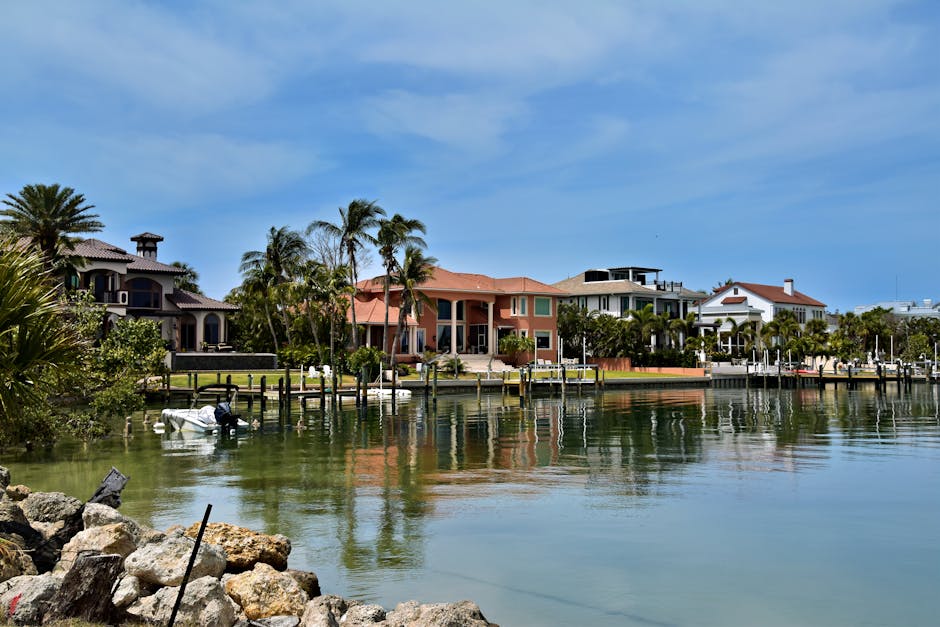
The Evolution of Tampa Waterfront Value
The transition of the Tampa metropolitan area from a regional hub to a primary destination for global capital has fundamentally altered the valuation metrics of its most prestigious corridors. For decades, the waterfront along Bayshore Boulevard and the deep-water canals of Davis Islands were viewed primarily through a local lens. However, current data suggests a shift where these assets are now traded as primary residences for high-net-worth individuals relocating from traditional financial centers. This movement has solidified the region as a resilient enclave, largely insulated from the volatility seen in more speculative markets across the Sun Belt.
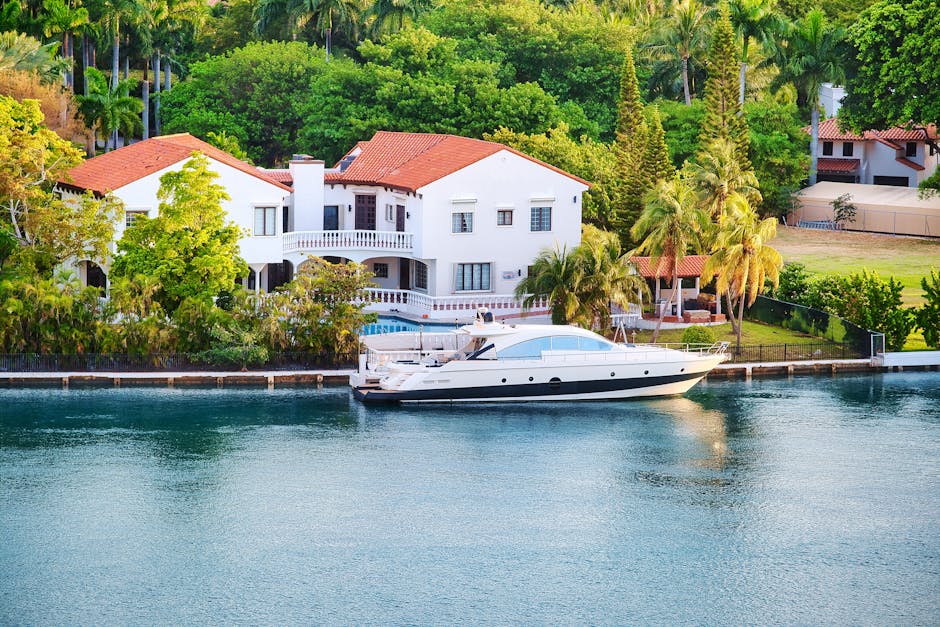
According to recent analysis from The National Law Review, Tampa’s waterfront has emerged as a primary luxury market, driven by a scarcity of buildable lots and a sophisticated buyer profile that prioritizes long-term utility over short-term appreciation. This maturation is evident in the record-breaking transactions recently recorded in Culbreath Isles and Beach Park, where modern estates are replacing mid-century structures at an accelerating pace. Buyers are no longer looking for seasonal retreats; they are investing in legacy assets that offer both logistical convenience to the downtown business district and immediate access to open water.
Technical considerations now dominate the acquisition process for waterfront estates. Discerning buyers focus heavily on sea wall integrity, riparian rights, and the specific bathymetry of canal systems to accommodate larger vessels. The market has moved beyond the aesthetics of a view, placing a premium on properties that have undergone significant mitigation against coastal elements. This analytical approach to real estate ensures that the capital being deployed into the local inventory is backed by structural reality rather than speculative fervor, creating a stable foundation for the broader high-end sector.
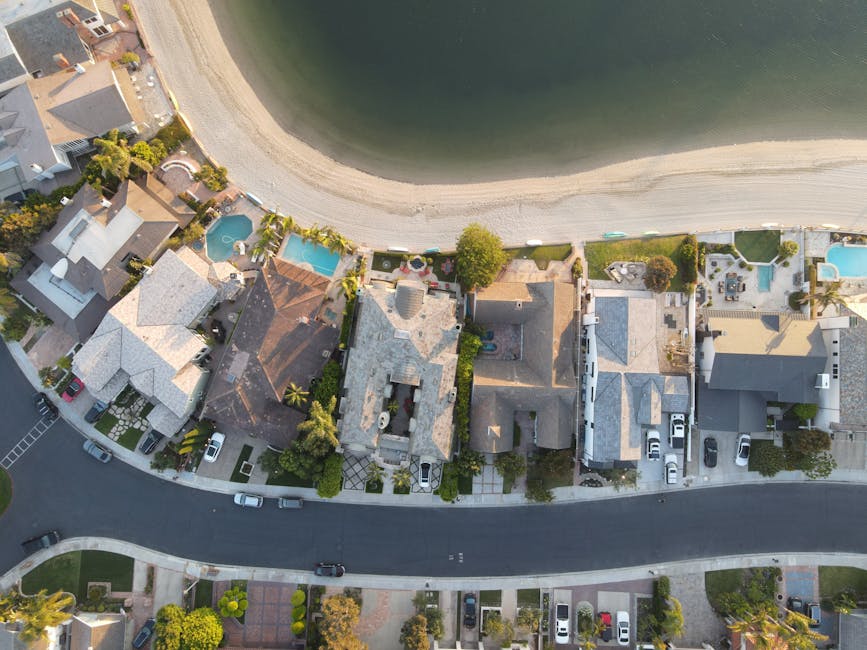
Shifting Buyer Preferences in South Tampa
In the established neighborhoods of South Tampa, including Hyde Park and Sunset Park, the definition of luxury has moved toward architectural permanence and technological integration. Large-scale masonry construction and high-performance building envelopes are now the standard for new acquisitions. This shift reflects a buyer pool that is increasingly educated on the nuances of building science and the long-term maintenance costs associated with tropical climates. Privacy remains the ultimate currency, with perimeter security and integrated smart-home systems serving as baseline requirements for properties exceeding the two-million-dollar threshold.
The inventory dynamics in these areas remain tight, with a current median list price sitting at approximately $2,500,000 for verified luxury assets. Unlike the broader residential market, the high-end sector in neighborhoods like Golfview and Palma Ceia operates on a different cycle. Sellers in this bracket are often not compelled by necessity, leading to a disciplined pricing environment where quality is the primary driver of velocity. The recent increase in off-market transactions highlights a preference for discretion among both local business leaders and incoming executive talent seeking to establish roots in the urban core without the public exposure of traditional listings.
Wait times for new construction in these premier areas have extended, pushing more buyers toward recently completed, move-in-ready estates. This has created a secondary premium for ‘like-new’ inventory, where architectural trends favor transitional styles that blend traditional Floridian elements with clean, modern lines. Buyers are increasingly skeptical of over-designed interiors that lack functional flow, instead opting for floor plans that emphasize open living spaces, professional-grade kitchens, and seamless indoor-outdoor transitions. This rationalization of design ensures that properties remain relevant and liquid in a changing market landscape.
Evaluating the Emerging Luxury Condo Sector
The rise of high-density luxury living in Downtown Tampa and along the Water Street corridor represents a significant diversification of the local real estate ecosystem. Traditionally a market dominated by single-family estates, the urban core has successfully attracted a demographic that prioritizes proximity to cultural institutions, world-class dining, and professional sporting venues. These high-rise developments are not merely apartment buildings; they are vertical neighborhoods offering a level of service and amenity that rivals the top-tier hotels of New York or London. This evolution is detailed in reports from Tampa Bay Business & Wealth, which identifies Tampa as an early-stage market for ultra-luxury condominiums with significant runway for growth.
For the private investor, these condominiums offer a different risk profile than waterfront land. The maintenance-free nature of high-rise living appeals to the global citizen who may split time between multiple international hubs. However, the valuation of these units is highly dependent on view corridors and the long-term viability of the building’s management. Discerning advisors suggest evaluating the specific footprint of future developments to ensure that current vistas are protected. As the skyline continues to transform, the units on the highest floors with western exposures toward Old Tampa Bay remain the most coveted and resilient assets within this sub-sector.
Due Diligence Checklist for Premium Acquisitions
Acquiring a high-value asset in the current market requires a methodical approach to verification and risk assessment. Investors must look beyond the staging to the underlying fundamentals of the property and its surrounding environment.
- Verify the structural integrity of the sea wall and obtain a professional bathymetric survey for waterfront parcels.
- Audit the property’s elevation certificate and confirm compliance with the most recent building codes and flood plain designations.
- Evaluate the specific riparian rights to ensure that dockage and dredging capabilities meet your long-term maritime requirements.
- Review the neighborhood-level infrastructure plans, specifically regarding drainage improvements and traffic mitigation projects.
- Assess the historical performance of the builder and architect if the property is less than five years old.
- Confirm the current status of any homeowner association reserves and long-term capital improvement plans for condominium assets.
The Impact of Infrastructure on Long-Term Appreciation
The sustained growth of the Tampa luxury market is intrinsically linked to the massive private and public investment in local infrastructure. The development of Water Street and the revitalization of the Westshore district have created new centers of gravity that distribute value across the city. This $675 million surge in investment, as noted by Haute Residence, has positioned the city as a premier investment capital. For property owners, this means that their residential assets are supported by a robust commercial environment, high-end retail options, and expanded transit capabilities.
Understanding the placement of these infrastructure projects is vital for predicting future appreciation. Areas adjacent to the Tampa Riverwalk expansion or those benefiting from the Westshore interchange improvements often see a faster escalation in land value. Buyers are increasingly focused on ‘walkability’—a term once foreign to the Tampa market but now a major driver for properties in Hyde Park and the Heights. The ability to access premium amenities without total reliance on a vehicle has become a significant luxury indicator, influencing where the next wave of high-end development will occur.
Inventory Dynamics and Pricing Realities
Despite broader national economic shifts, the local luxury market remains characterized by a supply-demand imbalance. With only 120 active luxury listings currently available and an average list price exceeding $3.2 million, the competition for premier parcels is intense. This lack of inventory has resulted in a disciplined market where buyers must be prepared to move quickly on well-priced, high-quality assets. Analysis from The Business Journals confirms that Tampa’s luxury market is growing stronger even as other national markets experience declines, underscoring the regional resilience.
Sellers are also showing a high degree of sophistication, often holding out for terms that reflect the unique nature of their property. We are seeing fewer aggressive price cuts in the top tier of the market; instead, properties may remain on the market longer as they wait for a buyer who understands the specific value proposition of a particular location or architectural pedigree. For those looking to enter the market, it is essential to have a clear understanding of current comps, such as the recent $3 million sale on Gardner Road or the $2.65 million transaction on Troutwater Lane, to calibrate expectations correctly.
Strategic Entry Points for Private Investors
For the private advisor assisting affluent families, the strategy for 2026 focuses on identifying assets that offer a hedge against inflation and a high quality of life. The most expensive sales in the region, as tracked by the Tampa Bay Times, indicate that the upper echelon of the market is increasingly concentrated in a few key neighborhoods. However, opportunities still exist for those willing to look at the ‘second-tier’ luxury streets that are poised for significant redevelopment. These areas often provide larger lots and better value while still benefiting from the proximity to the city’s primary luxury corridors.
Success in this environment requires more than just capital; it requires a deep understanding of local movement, zoning nuances, and a network that provides access to information before it hits the open market. The current climate favors the patient but prepared buyer who can recognize structural value and architectural merit. As the city continues its upward trajectory, those who secure prime positions now will be well-placed to benefit from the ongoing transformation of the Florida Gulf Coast.
To successfully navigate these complexities and secure a position in the region’s most exclusive neighborhoods, professional guidance is indispensable. Whether you are seeking a modern waterfront estate or a sophisticated urban residence, our team provides the analytical brief and local insight required to make an informed decision. We invite you to browse our curated luxury listings or contact a private advisor to discuss your specific requirements and gain access to the most exclusive opportunities in the Tampa market.
Your next move in Tampa luxury
Get current inventory, pricing guidance, and private-tour support from our brokerage team.
Source highlights
- Tampa Bay’s most expensive luxury home sales of 2025 – Tampa Bay Times
- Tampa Bay luxury market grows stronger despite national declines – The Business Journals
- Why Tampa remains an early-stage luxury condo market – Tampa Bay Business & Wealth
- Tampa Bay’s Waterfront Emerges as a Primary Luxury Real Estate Market – The National Law Review
- Florida Trend Real Estate – Florida Trend
- Inside Tampa’s $675 Million Surge: How the City Became Florida’s New Luxury Investment Capital – hauteresidence.com
- Things To Do In Tampa This Weekend: Best Festivals & Events Going On – That's So Tampa
- BTS in Tampa: Guide to road closures, traffic, merch and more – wtsp.com



