


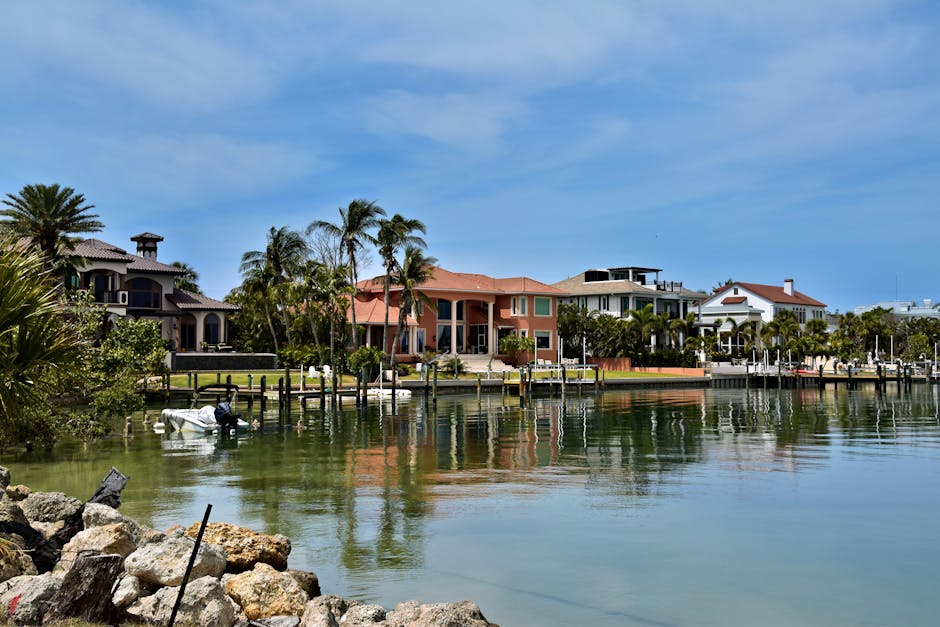
Institutional Capital and the New Tampa Standard
The transition of Tampa from a secondary vacation destination to a primary hub for institutional capital is no longer a forecast; it is the current reality of the 2026 market. Private advisors are observing a distinct shift in buyer profiles, moving away from seasonal speculators toward permanent residents who prioritize infrastructure and long-term asset stability. This movement is underpinned by a significant investment influx, with reports from Haute Residence highlighting a $675 million surge that has solidified the city as Florida’s new luxury investment capital.
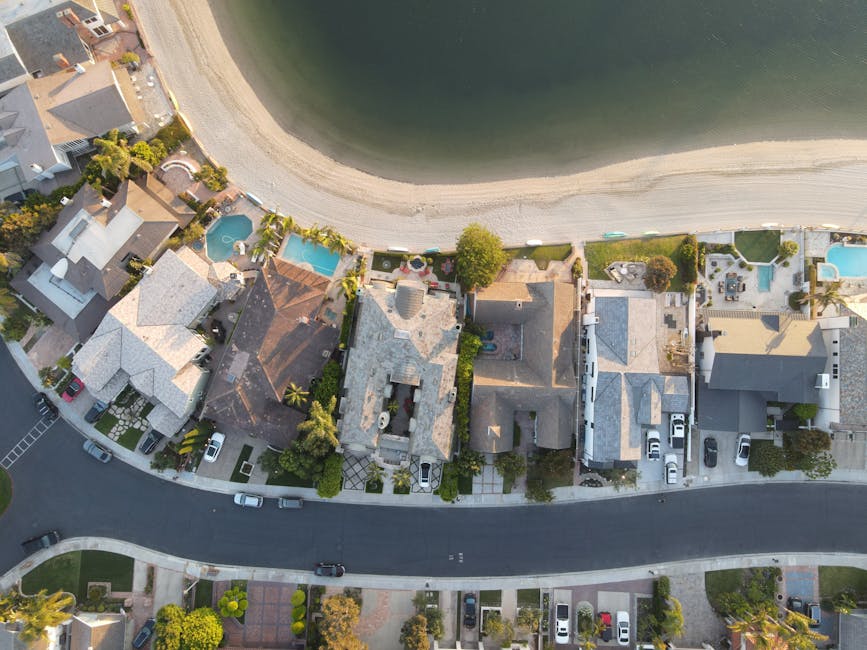
Sophisticated buyers are now evaluating property through the lens of institutional-grade quality rather than mere aesthetic appeal. The demand for high-specifications in home automation, environmental resilience, and privacy has forced a reset in how luxury inventory is valued. As we move through this April weekend, with temperatures hovering around 30 degrees Celsius, the market remains active, driven by the realization that the local infrastructure is finally aligning with the expectations of global wealth. This isn’t about rapid appreciation, but rather the maturation of a market that has historically been undervalued compared to its South Florida counterparts.
Decoding the 2026 Inventory Snapshot
Current market data reveals a refined landscape for those navigating the high-end sector. There are currently 120 active luxury listings across the region, with a median list price established at $2,500,000. While the average list price has climbed to $3,276,037, the disparity highlights a concentration of value in specific ultra-luxury pockets. Buyers are frequently comparing properties like the modern estate at 2 Troutwater Ln, priced near the median at $2,650,000, against larger acreage opportunities such as the $3,000,000 offering on Gardner Road. This choice between proximity to the urban core and the privacy of an expansive lot is the primary tension in today’s decision-making process.
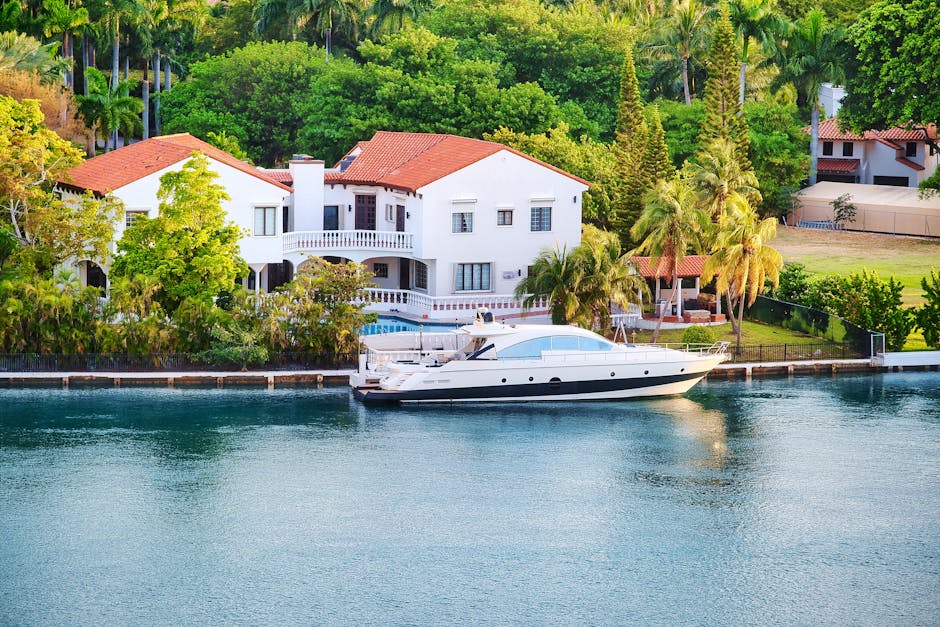
Understanding these tiers is essential for precise bidding strategies. The entry-level luxury segment remains competitive, but the ultra-high-net-worth tier—homes exceeding $5,000,000—is seeing a more deliberate pace of acquisition. Advisors suggest that while national trends may show cooling, the Business Journals report that the Tampa market continues to demonstrate resilience. The inventory is healthy, yet the velocity of quality listings remains high, particularly for properties that require no immediate renovation or structural updates.
The Architectural Shift in Waterfront Design
The emergence of Tampa’s waterfront as a primary market has necessitated a complete overhaul of traditional architectural approaches. According to the National Law Review, this sector has moved beyond the ‘second home’ stigma, demanding the same level of permanence and technical sophistication found in inland estates. New constructions along Bayshore Boulevard and Davis Islands are now utilizing advanced piling systems and elevated first-floor living spaces that exceed current flood requirements, ensuring long-term insurability and structural integrity.
Riparian rights and seawall conditions have become the most scrutinized elements of any waterfront transaction. Buyers are no longer satisfied with a scenic view; they are verifying boat lift capacities, water depths at mean low tide, and the proximity to the open waters of the Gulf. In areas like Beach Park and Culbreath Isles, the focus is on maximizing the interface between indoor and outdoor living while maintaining privacy from the coastal public corridors. This technical focus ensures that these assets retain their value as the coastal landscape continues to evolve under new environmental standards.
Essential Due Diligence for Tampa Estate Buyers
Navigating a multi-million dollar acquisition requires a systematic approach that goes beyond standard inspections. In a market as nuanced as Tampa, certain variables carry significantly more weight in the long-term appreciation of the asset. Private advisors recommend focusing on these critical checkpoints before moving from intent to execution:
- Verification of seawall structural integrity and remaining lifespan for all waterfront parcels.
- Analysis of current elevation certificates and projected insurance premium adjustments.
- Evaluation of private dockage permits and water depth consistency for deep-water vessels.
- Assessment of smart-home infrastructure for integrated security and environmental controls.
- Review of neighborhood-specific traffic patterns and proximity to emerging commercial nodes.
- Verification of historical sales data for the immediate street to identify pricing anomalies.
By following this framework, buyers can mitigate the risks associated with rapid market growth. The goal is to identify properties that offer both lifestyle utility and fiscal defense. As the inventory fluctuates, these metrics provide a stable baseline for comparing diverse options, whether looking at a historic estate in Palma Ceia or a contemporary build in Westchase.
Vertical Luxury: The Early-Stage Condo Opportunity
While the horizontal estate has long been the gold standard, the 2026 market is seeing a surge in high-service vertical living. Insights from Tampa Bay Business & Wealth suggest that Tampa is still in the early stages of its luxury condo evolution. This represents a unique window for buyers who prioritize lock-and-leave convenience combined with the amenities typically found in five-star resorts. The development of Water Street and the expansion of the Westshore district are central to this movement.
These vertical communities are attracting a demographic that is moving away from the maintenance burdens of large lawns and aging seawalls. For many, the value proposition lies in the curated lifestyle—onsite wellness centers, private dining, and 24-hour concierge services. However, advisors caution that not all developments are equal. Success in this sector requires a close look at the developer’s track record and the long-term viability of the HOA structure. Comparing the price-per-square-foot of these new towers against traditional single-family homes in South Tampa reveals a narrowing gap, signaling a permanent shift in buyer preference.
Neighborhood Velocity: South Tampa and Beyond
Location remains the ultimate arbiter of value, but the definitions of ‘prime’ are expanding. South Tampa remains the anchor, with historic neighborhoods like Hyde Park and Virginia Park maintaining high demand due to their walkable corridors and established character. However, we are seeing increased movement into the northern sectors where larger acreage allows for the creation of private compounds. The 2026 buyer is increasingly willing to trade a shorter commute for the ability to build expansive accessory structures, such as private offices or car galleries, which are often restricted in the denser urban neighborhoods.
The local culture also plays a significant role in neighborhood selection. Those who value the city’s event calendar, including festivals frequently highlighted by That’s So Tampa, tend to gravitate toward the Davis Islands and Harbour Island areas. These locations offer a blend of residential tranquility and immediate access to the city’s culinary and cultural pulse. Understanding the micro-market nuances—down to which side of a particular street holds more value—is where a specialized advisor becomes an indispensable asset in the negotiation process.
Resilience Factors in the Florida Investment Landscape
The broader Florida real estate market often faces scrutiny over sustainability, yet Tampa’s specific economic drivers provide a compelling case for resilience. The diversification of the local economy—into tech, healthcare, and finance—means the luxury market is no longer solely dependent on the performance of a single industry. This economic depth creates a floor for property values that was absent in previous cycles. Sophisticated investors are viewing their Tampa holdings not just as residences, but as a hedge against volatility in other asset classes.
Furthermore, the fiscal migration from high-tax states continues to fuel the upper echelons of the market. This influx of capital is increasingly focused on properties that offer long-term efficiency and minimal environmental footprint. Energy-independent estates and homes with integrated water filtration and sustainable cooling systems are seeing the fastest appreciation. As we look toward the remainder of 2026, the focus will remain on quality over quantity. The current inventory of 120 luxury homes represents a curated selection for the discerning buyer, provided they have the right guidance to navigate the complexities of the local landscape.
The current market conditions offer a window of opportunity for those with a clear acquisition strategy. Whether your interest lies in a modern waterfront masterpiece or a secluded northern estate, the priority should be on structural integrity and neighborhood longevity. To explore the current inventory of high-end properties and discuss your portfolio requirements, we invite you to browse our curated LISTINGS URL and CONTACT URL an advisor today for a private consultation.
Your next move in Tampa luxury
Get current inventory, pricing guidance, and private-tour support from our brokerage team.
Source highlights
- Tampa Bay’s most expensive luxury home sales of 2025 – Tampa Bay Times
- Tampa Bay luxury market grows stronger despite national declines – The Business Journals
- Why Tampa remains an early-stage luxury condo market – Tampa Bay Business & Wealth
- Tampa Bay’s Waterfront Emerges as a Primary Luxury Real Estate Market – The National Law Review
- Florida Trend Real Estate – Florida Trend
- Inside Tampa’s $675 Million Surge: How the City Became Florida’s New Luxury Investment Capital – hauteresidence.com
- Things To Do In Tampa This Weekend: Best Festivals & Events Going On – That's So Tampa
- BTS in Tampa: Guide to road closures, traffic, merch and more – wtsp.com



