


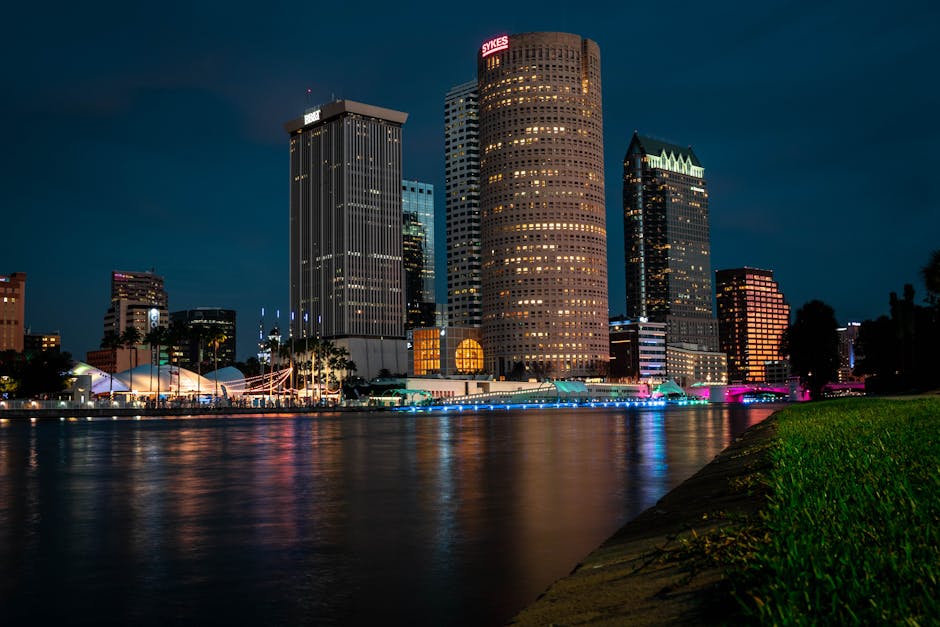
The Institutional Shift in Tampa Waterfront Real Estate
The transition of Tampa from a secondary regional market to a primary destination for global capital is no longer a matter of speculation. Institutional investors and high-net-worth individuals have fundamentally recalibrated their view of the local shoreline. Unlike previous cycles driven by speculative growth, the current movement is underpinned by a permanent shift in buyer demographics and a sophisticated understanding of coastal value. High-end acquisitions in areas like Davis Islands and Bayshore Boulevard are increasingly viewed as stable wealth preservation vehicles rather than mere residential upgrades.
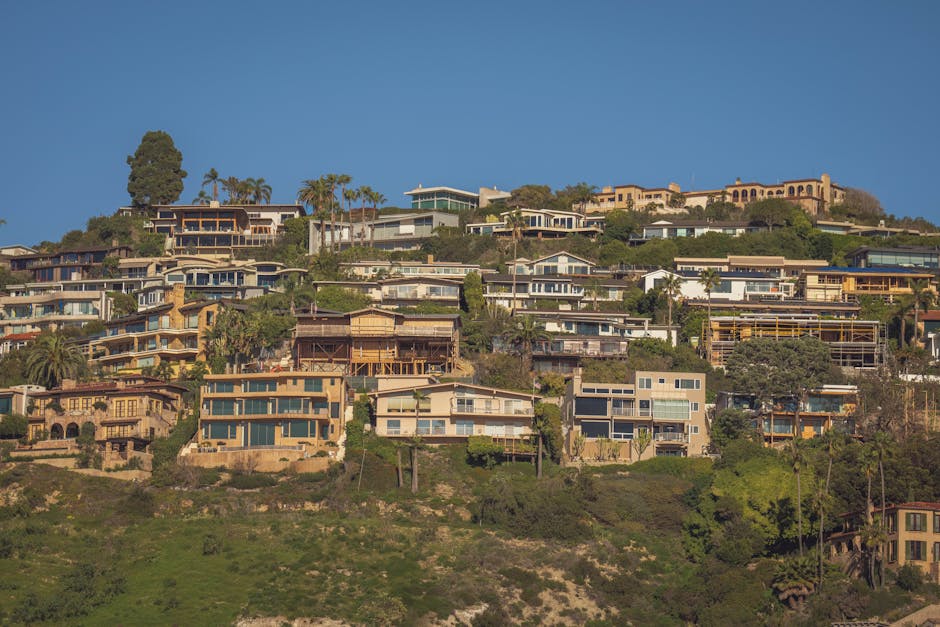
As noted by The National Law Review, Tampa’s waterfront has emerged as a primary luxury market, reflecting a maturity that rivals established hubs in South Florida. This evolution is driven by significant infrastructure improvements and a localized economy that has diversified far beyond its traditional roots. For the sophisticated buyer, this means navigating a landscape where the scarcity of premium lots is the primary driver of price discovery. Comparing a legacy estate on the Hillsborough Bay to a modern architectural masterpiece in the Westshore area requires a nuanced understanding of both historical appreciation and future development density.
Current market movement indicates that buyers are prioritizing long-term structural integrity and elevation over purely aesthetic features. The sophistication of the average advisor has had to keep pace with these demands, moving away from marketing hyperbole toward data-backed risk assessments. In this environment, the role of the private advisor is to dissect the implications of regional growth and identify which specific pockets of the waterfront offer the most resilient value in a changing climate. The focus remains on the tangible: seawall quality, riparian rights, and the long-term viability of the surrounding neighborhood infrastructure.
The High-Rise Evolution: Assessing the Luxury Condo Pipeline
Tampa is currently witnessing a significant shift in the vertical luxury sector. Historically a market dominated by single-family estates, the demand for high-service, low-maintenance living has catalyzed a new wave of condominium development. These are not standard multi-family units; they are vertical estates designed to cater to a demographic that values security, privacy, and immediate access to the urban core. The development of high-end towers along the Garrison Channel and the downtown periphery has introduced a level of finishes and amenities previously unavailable in the region.
The maturation of this sector is analyzed in detail by Tampa Bay Business & Wealth, which highlights why Tampa remains an early-stage luxury condo market with significant runway. Buyers are increasingly comparing the total cost of ownership of a sprawling suburban estate against the streamlined efficiency of a managed high-rise. The decision-making process often hinges on the quality of the building’s management, the solvency of the HOA, and the exclusivity of the resident-only spaces. In 2026, the distinction between ‘premium’ and ‘luxury’ is defined by the invisible services: biometric security, private elevator foyers, and highly trained concierge teams.
For those evaluating the condo market, the focus should be on the developer’s track record and the long-term outlook for the surrounding view corridors. As more towers rise, protecting one’s vista becomes a critical component of value retention. We advise clients to look specifically at the zoning of adjacent parcels and the historical performance of the developer’s previous projects. A strategic acquisition in this sector requires more than just an appreciation for the interior design; it necessitates a deep dive into the building’s governance and its ability to maintain high standards of service over several decades.
Inventory Dynamics and the $2.5 Million Threshold
Data from the current MLS snapshot reveals a highly calibrated luxury landscape. With approximately 120 active luxury listings and a median list price of $2,500,000, the market is currently in a state of healthy equilibrium. While the average list price exceeds $3.2 million, the concentration of activity around the median suggests that buyers are discerning and value-conscious. Properties priced accurately based on local comps are moving with relative speed, whereas those relying on outdated hype are seeing extended days on market. This is a market that rewards precision and punishes overreach.
The strength of the local market is further validated by the Business Journals, which note that Tampa’s luxury sector continues to grow despite national fluctuations. This resilience is a byproduct of sustained net migration and a corporate landscape that continues to attract executive talent. The movement of the median list price serves as a benchmark for both buyers and sellers, providing a clear indicator of where the ‘heart’ of the market currently resides. For a buyer, staying informed on these metrics is essential for determining when to move aggressively on a property and when to negotiate from a position of data-backed strength.
Analyzing specific inventory, such as residential estates on Gardner Road or architectural homes in the Florida Avenue corridor, shows a trend toward properties that offer significant land value or unique structural attributes. The $2.5 million threshold has become a psychological and financial pivot point for many buyers transitioning from the executive market into the true luxury tier. Understanding the nuances of what this price point buys in South Tampa versus an emerging neighborhood is the key to making a sound long-term decision. Buyers are encouraged to browse current listings to understand these price-to-value correlations in real-time.
Strategic Verification: The 2026 Acquisition Checklist
Acquiring a high-end asset in the current environment requires a rigorous due diligence process that goes beyond the standard home inspection. The complexity of modern building codes, combined with the specific requirements of coastal living, necessitates a multi-disciplinary approach. A sophisticated buyer must verify not only the physical condition of the property but also the intangible factors that influence long-term desirability and resale value. This involves consulting with engineers, insurance specialists, and local planning experts to ensure every aspect of the investment is sound.
- Evaluate the structural integrity and elevation of seawalls for all waterfront parcels to mitigate long-term maintenance costs.
- Verify the solvency and historical reserve funding of HOAs for any condominium or gated community acquisition.
- Analyze the noise buffers and privacy perimeter of the property, especially in high-growth urban corridors.
- Review the property’s flood mitigation systems and historical drainage performance during peak tropical weather events.
- Assess the quality and age of all mechanical systems, prioritizing high-efficiency HVAC and integrated smart-home infrastructure.
- Confirm the current status of all riparian rights and potential easement issues that could impact future renovations.
By following this systematic approach, buyers can move forward with the confidence that their acquisition is protected from common pitfalls. Each of these points represents a critical layer of the value proposition. For instance, a property with a recently upgraded seawall may command a premium, but that cost is often offset by the reduction in future capital expenditures. Similarly, understanding the nuances of HOA reserves can prevent unexpected special assessments that can impact the total cost of ownership. We recommend that clients contact an advisor to facilitate these specialized inspections and verifications.
Economic Resilience and National Market Divergence
The Tampa real estate market has consistently demonstrated an ability to decouple from national trends, a phenomenon that is particularly evident in the luxury sector. While other markets may experience volatility due to interest rate fluctuations or shifts in national economic sentiment, Tampa benefits from a unique set of localized drivers. The state’s tax-friendly environment continues to be a powerful magnet for wealth, but it is the quality of life and the expanding cultural footprint that sustain the demand. This divergence is not accidental; it is the result of decades of strategic planning and investment in the region’s core infrastructure.
Insights from Florida Trend emphasize the steady nature of the state’s real estate trajectory, with Tampa often leading the way in professional services and technology-driven growth. For the luxury buyer, this economic stability provides a level of reassurance that is often lacking in more volatile markets. The focus is on the long-term horizon, recognizing that the demand for premium Tampa real estate is structural rather than cyclical. This perspective is vital for those looking to build a multi-generational legacy within the community.
Furthermore, the record-setting sales documented by the Tampa Bay Times serve as proof of the market’s depth at the ultra-high-end. These sales are not outliers; they are indicators of the new price ceiling in a maturing city. When analyzing these transactions, we look for patterns in location, architecture, and amenities that define the current ‘gold standard’ for Tampa. For those entering the market today, understanding these benchmarks is the first step in identifying a property that will maintain its standing in the years to come.
Cultural Integration and Local Context
A luxury residence is more than a collection of high-end finishes; it is a gateway to a specific lifestyle and community. In Tampa, this lifestyle is defined by a blend of coastal leisure and urban sophistication. The city’s calendar is filled with events that bring the community together, from high-profile charity galas to intimate local festivals. For a buyer, understanding the rhythm of the city is as important as understanding the floor plan of a potential home. The proximity to the Riverwalk, the vibrancy of the Channel District, and the established charm of Hyde Park all play a role in the daily experience of living in Tampa.
Staying connected with local happenings, such as those curated by That’s So Tampa, allows residents to fully engage with the city’s evolving identity. Whether it is attending a major concert at the arena or exploring a new culinary concept in Seminole Heights, the cultural depth of the region continues to expand. This richness of experience is what attracts global buyers who are looking for a location that offers both a peaceful retreat and a dynamic social environment. The integration of high-end real estate with a world-class cultural scene is a hallmark of a truly mature city.
As we look toward the remainder of 2026, the focus for many high-net-worth families remains on finding a balance between private sanctuary and community connection. This often leads them to neighborhoods that offer walkable access to top-tier dining and entertainment while maintaining a high degree of residential seclusion. The ability to transition seamlessly from a private home office to a premier local event is a luxury that Tampa provides with unique efficiency. When evaluating a location, we encourage clients to consider how the local geography aligns with their personal and professional lifestyle requirements.
Decision-Useful Guidance for the 2026 Buyer
The successful acquisition of a Tampa luxury property requires a combination of clinical data analysis and intuitive local knowledge. In a market where the average list price is over $3 million, the cost of an oversight is significant. Buyers must be prepared to act with speed when the right opportunity arises, but that speed must be grounded in a pre-existing strategy. This involves having a clear understanding of one’s priorities—be it deep-water access, historical character, or modern high-rise convenience—and having the professional support system in place to execute the transaction flawlessly.
Comparing properties across different neighborhoods requires a specialized lens. For instance, the value of a square foot on Davis Islands is calculated differently than a square foot in a downtown luxury tower. One must account for the land value, the historical appreciation of the sub-market, and the specific amenities that drive demand in that pocket. A private advisor provides the critical context that allows a buyer to see beyond the staging and the marketing materials, focusing instead on the underlying fundamentals that will drive future value. This analytical approach is what separates a standard purchase from a strategic investment.
Navigating the complexities of the 2026 market demands a partner who is deeply embedded in the local landscape and capable of providing sophisticated, private-advisor level guidance. Whether you are looking to secure a primary residence or a strategic addition to a real estate portfolio, the current inventory offers exceptional opportunities for the informed buyer. We invite you to explore the latest market data and curated collections of the city’s most prestigious homes. To begin a refined search for your next residence, we recommend you view our current inventory and contact one of our advisors for a private consultation.
Your next move in Tampa luxury
Get current inventory, pricing guidance, and private-tour support from our brokerage team.
Source highlights
- Tampa Bay’s most expensive luxury home sales of 2025 – Tampa Bay Times
- Tampa Bay luxury market grows stronger despite national declines – The Business Journals
- Why Tampa remains an early-stage luxury condo market – Tampa Bay Business & Wealth
- Tampa Bay’s Waterfront Emerges as a Primary Luxury Real Estate Market – The National Law Review
- Florida Trend Real Estate – Florida Trend
- New Signature Real Estate Team Emerges Across Tampa Bay: The Nick Janovsky Group Launches with Premier Sotheby’s International Realty – citybiz
- Things To Do In Tampa This Weekend: Best Festivals & Events Going On – That's So Tampa
- Tampa weekend events: Concerts, festivals and downtown family fun — What to know before you go – FOX 13 Tampa Bay



