


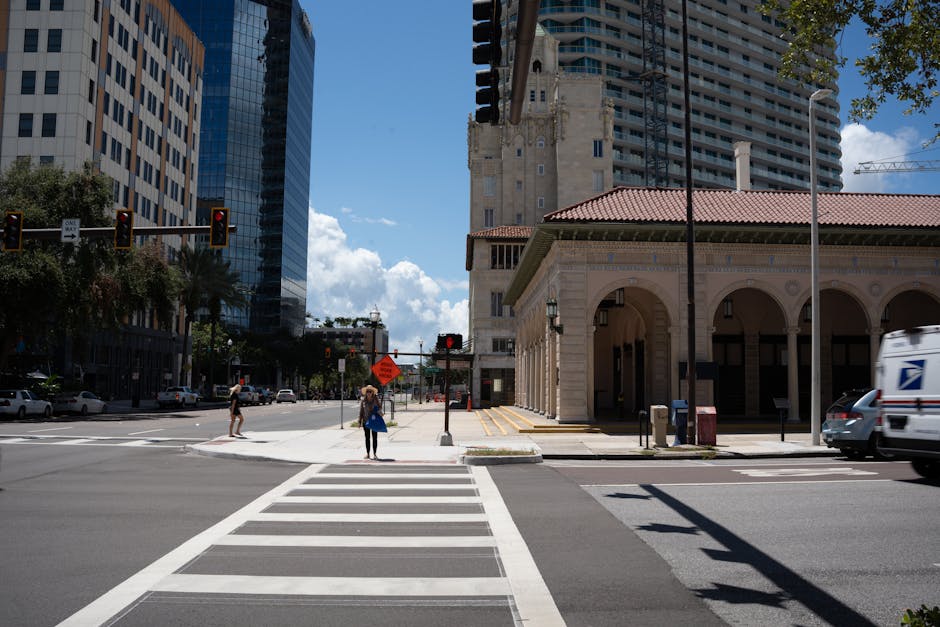
The Resilience of the Tampa Luxury Sector
While various national metropolitan areas have experienced a cooling period in high-end valuations, the Tampa luxury market continues to demonstrate a structural decoupling from broader economic trends. As of late April 2026, the local inventory remains highly curated with approximately 120 active luxury listings. This scarcity, combined with a median list price of $2,500,000, suggests a market driven by permanent migration rather than speculative interest. Buyers are increasingly viewing the Gulf Coast as a stable harbor for capital, prioritizing long-term asset appreciation over short-term flips.
The strength of the local market is further validated by its ability to maintain momentum even when national mortgage indicators fluctuate. For the affluent buyer, the decision to acquire property in neighborhoods like Davis Islands or Hyde Park is often a cash-adjacent transaction or a strategic portfolio move. Recent data indicates that Tampa Bay luxury market grows stronger despite national declines, according to The Business Journals. This resilience is anchored by a high barrier to entry and a limited supply of truly exceptional land.
Wealthy individuals are no longer treating Tampa as a seasonal escape. Instead, we are seeing a surge in primary residency designations, fueled by Florida’s favorable fiscal environment and the sophisticated infrastructure development currently underway. From the upscale retail corridors of Midtown to the refined dining along Water Street, the city has matured into a global destination. This maturation ensures that even as the average list price hovers around $3,295,129, the perceived value remains high compared to legacy markets like New York or San Francisco.
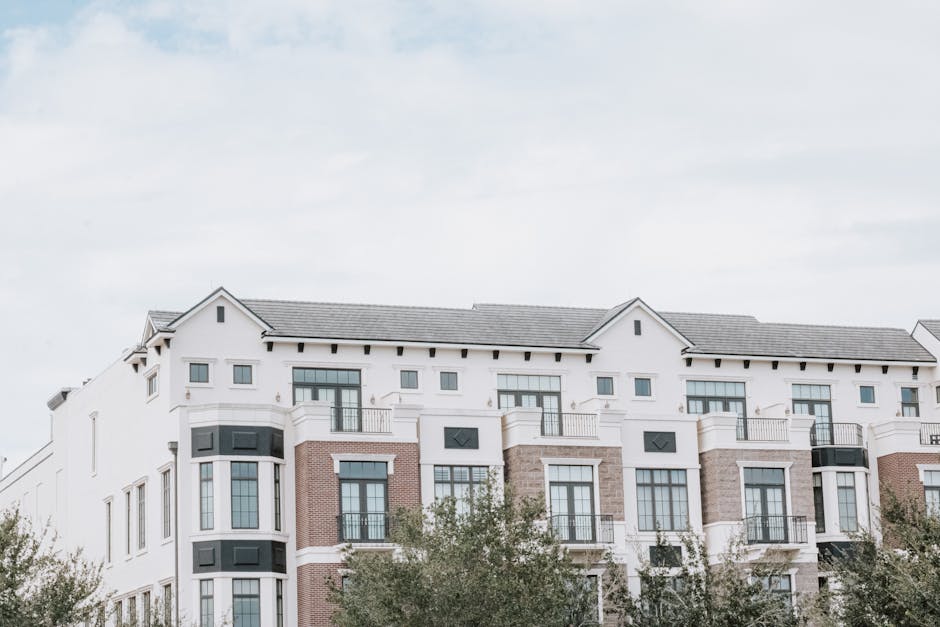
Navigating this environment requires a departure from traditional real estate thinking. Modern buyers are looking for integrated technological systems, advanced climate mitigation features, and architectural signatures that stand out in a sea of Mediterranean-revival styles. The focus has shifted toward sleek, contemporary lines and indoor-outdoor fluidity that maximizes the Florida sun while maintaining a sense of private sanctuary. As we move deeper into the 2026 season, the most successful acquisitions will be those that balance these aesthetic demands with rigorous structural integrity.
Waterfront Assets as Primary Residences
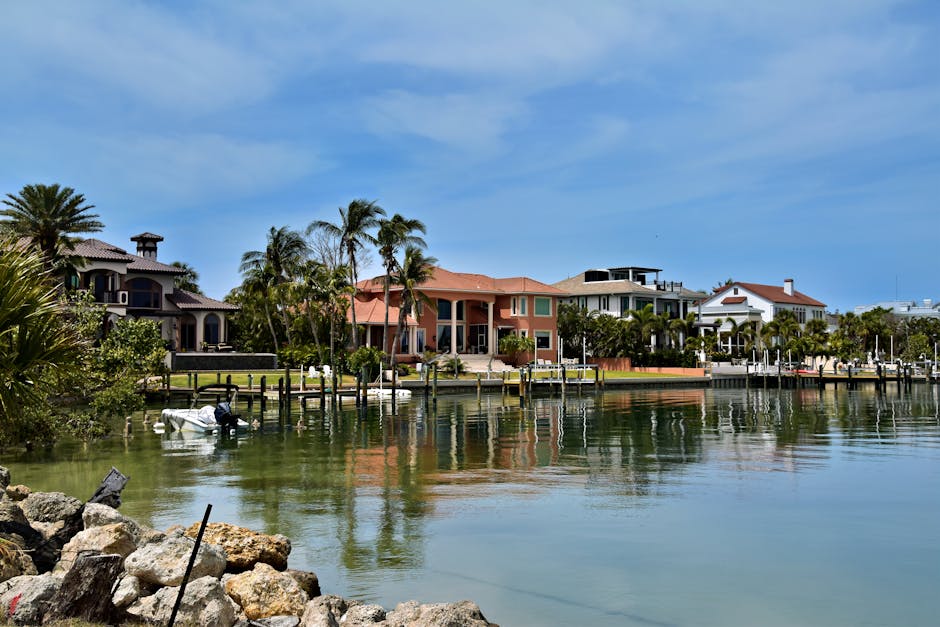
The evolution of Tampa’s waterfront from a secondary vacation landscape to a primary residential hub is the defining narrative of this decade. High-net-worth buyers are prioritizing deep-water access and expansive Bay views, often choosing to tear down existing structures to build custom estates that meet 2026 standards. This trend is particularly evident in South Tampa and the surrounding keys, where waterfront parcels have become the most sought-after commodities in the state. According to reports from The National Law Review, Tampa Bay’s waterfront has emerged as a primary luxury market, shifting the legal and developmental focus toward long-term coastal sustainability.
The practical implications for buyers involve a deep dive into elevation certificates and sea wall conditions. A waterfront estate is more than a view; it is a complex engineering asset. Recent sales, such as those near Troutwater Lane and Gardner Road, highlight the premium placed on properties that offer both privacy and immediate maritime utility. Buyers are looking for docks that can accommodate larger vessels, including yachts that were previously relegated to larger commercial marinas. This move toward private maritime infrastructure is a key driver of valuation in the current cycle.
Behavioral patterns suggest that the 2026 buyer is highly analytical regarding coastal risk. The preference has shifted toward newer builds that incorporate advanced drainage systems and reinforced glazing. These features are no longer considered upgrades; they are standard expectations for any property priced above the $2,000,000 mark. The ability to secure comprehensive insurance and the peace of mind provided by modern construction techniques are now as influential as the square footage or the quality of the kitchen cabinetry.
Furthermore, the social landscape of waterfront living has changed. The proximity to high-end social clubs and the ability to travel via water to downtown hubs have added a layer of convenience previously unavailable. This lifestyle integration is what separates Tampa from more isolated luxury enclaves. The ability to take a boat from a private dock in Culbreath Isles to a dinner at a Michelin-rated restaurant in the Channel District is a lifestyle luxury that is difficult to replicate elsewhere on the Atlantic or Gulf coasts.
The Rise of High-Design Vertical Living
While the demand for single-family estates remains robust, there is an undeniable shift toward high-rise luxury living in the urban core. The development of ultra-luxury condominiums has provided an alternative for those who desire the services of a five-star hotel with the privacy of a personal residence. Tampa remains an early-stage luxury condo market, as noted by Tampa Bay Business & Wealth, which presents a unique window of opportunity for early-mover appreciation. These vertical communities offer amenities that single-family homes often cannot, including 24-hour concierge services, rooftop infinity pools, and private fitness centers.
The target demographic for these properties includes both local downsizers and international investors. The “lock-and-leave” capability of a luxury condominium is particularly attractive to those with multi-city portfolios. For these buyers, the complexity of maintaining a large garden or a private pool is replaced by the efficiency of professional building management. This shift is reshaping the skyline along Bayshore Boulevard and the downtown waterfront, creating a dense corridor of high-net-worth residency that rivals the luxury towers of Miami or Naples.
Design trends in these new developments emphasize floor-to-ceiling glass, expansive terraces, and acoustic privacy. In 2026, the luxury condo is defined by its ability to offer a “bungalow in the sky” feel. This means private elevator lobbies, outdoor kitchens on balconies, and ceiling heights that exceed ten feet. The goal is to provide the spatial experience of a traditional home without the associated maintenance burdens. For the modern professional, this efficiency is the ultimate luxury, allowing more time for the various events and festivals that define the cultural life of the city.
As more signature brands enter the Tampa market, we expect to see continued price-per-square-foot records being broken. The introduction of branded residences—units associated with global hotel chains—is a relatively new phenomenon for the region but one that has been met with significant pre-construction interest. These projects serve as a bellwether for the city’s overall trajectory, signaling to global capital that Tampa is a serious player in the luxury vertical space. For the discerning investor, tracking these developments is essential for understanding where the next peak in valuation will occur.
Due Diligence Checklist for 2026 Acquisitions
Acquiring a luxury asset in the current Tampa climate requires a more rigorous approach than in previous years. The following checklist outlines the essential steps for any buyer looking to secure a high-value property in 2026:
- Verification of sea wall structural integrity and remaining lifespan for all waterfront parcels.
- Review of the latest elevation certificates to ensure compliance with 2026 flood mitigation standards.
- Audit of smart-home integration systems to ensure hardware is not reaching end-of-life status.
- Analysis of non-ad valorem assessments and historical tax implications for the specific neighborhood.
- Assessment of architectural restrictive covenants in private gated communities like Culbreath Isles or Avila.
- Comparison of price-per-square-foot against recent high-end sales such as the 2025 records reported by the Tampa Bay Times.
Neighborhood Nuance and Market Velocity
Understanding the micro-markets of Tampa is crucial for any successful acquisition. While South Tampa remains the traditional bastion of luxury, we are seeing significant movements in areas like Seminole Heights and the Westshore district. In Seminole Heights, modern architectural experiments are attracting a younger, design-conscious demographic, while Westshore’s proximity to private aviation and high-end retail continues to drive interest from executive buyers. The diversity of these sub-markets means that two properties of similar size and price can offer vastly different long-term appreciation prospects based on their specific location within the city.
Market velocity has stabilized into a “deliberate speed” phase. Unlike the frantic bidding wars of the early 2020s, the 2026 market is characterized by thorough inspections and measured negotiations. High-end buyers are willing to wait for the right asset rather than rushing into a compromise. This patience is reflected in the average days-on-market for properties priced above $2.5 million, which has lengthened slightly but remains healthy. This environment benefits the informed buyer who can leverage data to make firm, credible offers on high-quality inventory.
In neighborhoods like Davis Islands, the scarcity of land is the primary driver of value. With almost no vacant lots remaining, the market is almost entirely dependent on the renovation or replacement of older homes. This has created a secondary market for “design-ready” properties—homes that may not be luxury in their current state but sit on parcels of land that justify a multi-million dollar investment. For the visionary buyer, these opportunities represent the highest potential for value creation in the current cycle.
Meanwhile, the master-planned communities in the northern reaches of the city offer a different value proposition. These enclaves provide a level of security and communal amenity that is difficult to find in the historic urban core. For families, the appeal of private parks, elite sports facilities, and golf course access remains a constant draw. As the city expands, these established luxury hubs are becoming more integrated into the broader metro area through improved transit corridors, ensuring their continued relevance in a 2026 portfolio.
Strategic Outlook for Florida Portfolios
Looking ahead to the remainder of 2026 and into 2027, the outlook for Tampa real estate remains cautiously optimistic. The city’s economic foundation is diversifying beyond tourism and real estate into technology, healthcare, and finance. This economic broadening provides a safety net for property values, as a steady stream of high-earning professionals continues to enter the region. The influx of human capital is just as important as the influx of financial capital; it creates a vibrant, resilient community that sustains demand for premium housing.
Strategic buyers are also paying close attention to infrastructure projects. The expansion of regional transit and the continuous upgrades to Tampa International Airport are critical components of the city’s long-term growth. Easy access to global markets makes Tampa an attractive base for those who need to travel frequently for business. This connectivity is a subtle but powerful driver of luxury valuations, as it enhances the utility of a primary residence for a global citizen. When evaluating a property, one must consider not just the house itself, but its relationship to these critical nodes of connectivity.
Finally, the cultural evolution of the city cannot be ignored. The growth of the arts scene, the success of professional sports franchises, and the proliferation of high-end events have created a lifestyle that is increasingly competitive with other global luxury hubs. Whether it is attending a concert at a major downtown venue or participating in a philanthropic gala, the opportunities for social engagement are vast. This cultural density is what transforms a city from a collection of buildings into a home, and it is a key reason why we expect the Tampa luxury market to continue its upward trajectory for the foreseeable future.
To navigate this complex landscape effectively, you require an advisor who understands both the macro-economic data and the neighborhood-level nuances that drive value. Whether you are looking for a secluded waterfront estate or a sophisticated vertical residence, the opportunities in today’s market are significant for those with a clear strategy. We invite you to explore our current listings and contact an advisor to discuss how we can assist you in securing your next high-value asset in the Tampa Bay region.
Your next move in Tampa luxury
Get current inventory, pricing guidance, and private-tour support from our brokerage team.
Source highlights
- Tampa Bay’s most expensive luxury home sales of 2025 – Tampa Bay Times
- Tampa Bay luxury market grows stronger despite national declines – The Business Journals
- Why Tampa remains an early-stage luxury condo market – Tampa Bay Business & Wealth
- Tampa Bay’s Waterfront Emerges as a Primary Luxury Real Estate Market – The National Law Review
- Florida Trend Real Estate – Florida Trend
- New Signature Real Estate Team Emerges Across Tampa Bay: The Nick Janovsky Group Launches with Premier Sotheby’s International Realty – citybiz
- Things To Do In Tampa This Weekend: Best Festivals & Events Going On – That's So Tampa
- Tampa weekend events: Concerts, festivals and downtown family fun — What to know before you go – FOX 13 Tampa Bay



