


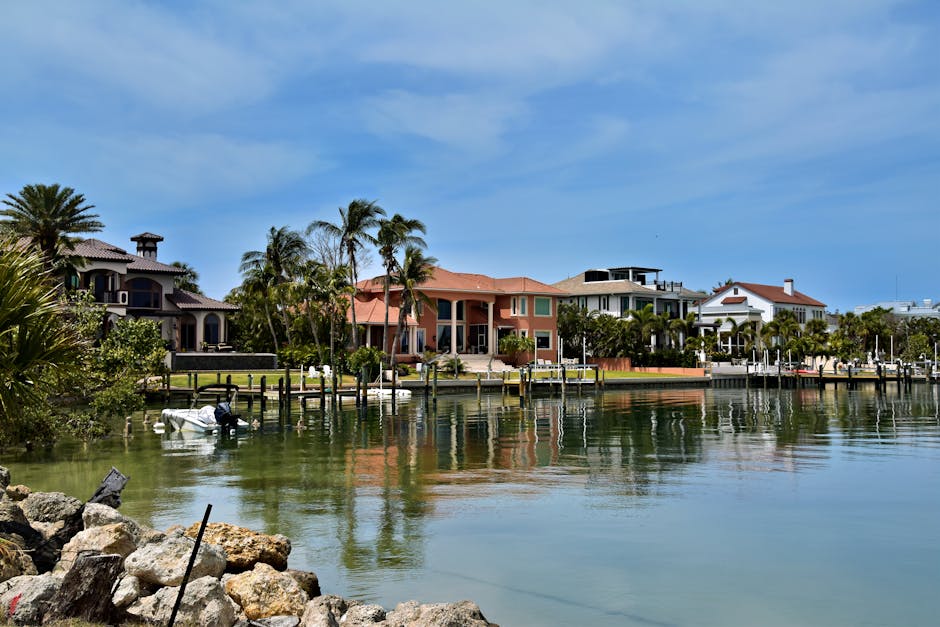
The Maturation of the Tampa Luxury Real Estate Market
The transition of Tampa from a regional hub to a primary luxury destination is no longer a speculative forecast; it is a documented reality supported by sustained capital inflow. Historically, the local market was characterized by seasonal cycles and secondary home acquisitions. However, current data indicates a definitive shift toward primary residency among high-net-worth individuals who are prioritizing the tax-efficient environment of Florida alongside the specific infrastructure developments within the urban core. This movement is substantiated by the increasing number of transactions exceeding the $5 million threshold, a segment that has shown remarkable resilience even as national markets experience cooling periods.

Institutional interest has served as a catalyst for this evolution. Large-scale developments, such as the Water Street district, have introduced a level of vertical luxury previously unavailable in the region. This has attracted a demographic that values walkability, integrated technology, and full-service amenities. As a result, the barrier to entry for premium assets continues to rise, reflecting the growing scarcity of high-quality inventory in desirable coastal enclaves. Buyers are now viewing Tampa not merely as a temporary retreat, but as a permanent base for both personal residence and diversified investment portfolios.
The velocity of the market remains high, driven by a combination of limited supply and persistent demand from domestic migrants. Unlike previous cycles that were heavily reliant on local economic drivers, the current landscape is influenced by a broader national trend where liquidity is being reallocated into tangible, high-end real estate assets. This shift has elevated the standard of construction and design, as developers strive to meet the expectations of a sophisticated global clientele accustomed to the architectural standards of New York, London, or Miami.
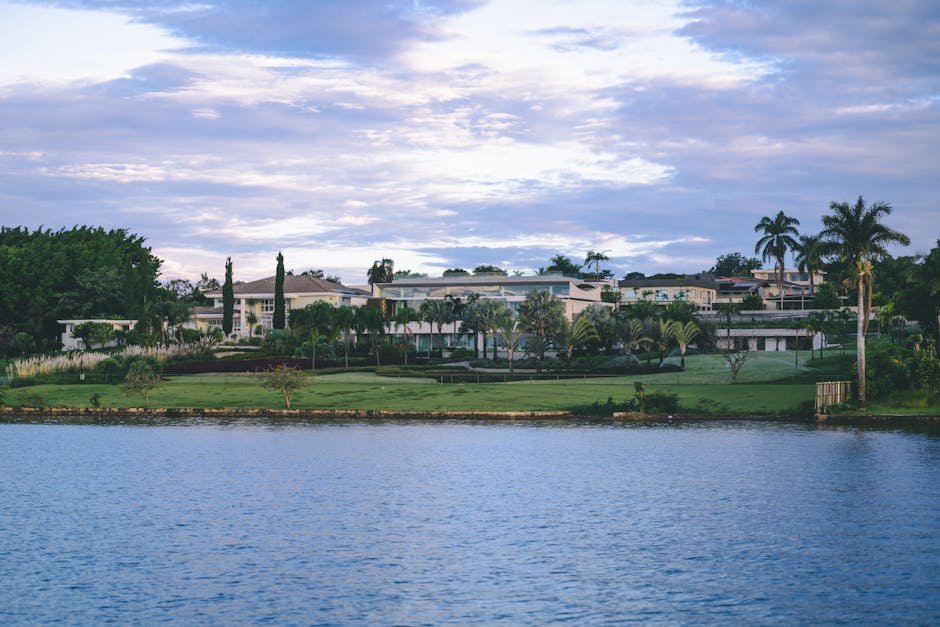
Waterfront Assets as the Foundation of Portfolio Stability
In the context of Tampa real estate, the waterfront remains the most critical variable for long-term value retention. The scarcity of riparian rights and unobstructed views across Hillsborough Bay and Old Tampa Bay creates a natural ceiling on inventory that protects capital during broader economic fluctuations. According to The National Law Review, Tampa’s waterfront is emerging as a primary luxury market, shifting the focus toward properties that offer both lifestyle advantages and significant underlying land value. This dual-purpose appeal is a hallmark of a mature asset class.
Strategic buyers are increasingly focused on the technical aspects of waterfront ownership, including seawall integrity, dockage capacity, and elevation levels. In areas like Davis Islands and Snell Isle, the competition for teardown-ready lots and modern estates has reached unprecedented levels. This intensity is driven by the realization that while building costs may fluctuate, the value of the land itself is finite. Consequently, the premium for deep-water access has widened significantly compared to inland properties, establishing a clear hierarchy within the local luxury sector.
The investment potential of these properties is further bolstered by the city’s commitment to coastal infrastructure. Public-private partnerships are actively enhancing the resiliency of the shoreline, which in turn increases the desirability of nearby residential holdings. For the advisor-led buyer, the focus is on identifying properties that offer a balance of immediate utility and future development potential, ensuring that the asset remains liquid in any market environment.
Vertical Living and the Urban Core Transformation
The rise of the luxury condo market in Tampa represents a fundamental change in the city’s skyline and buyer behavior. For decades, the preference was almost exclusively for single-family estates in South Tampa. However, the introduction of ultra-luxury towers has provided an alternative for those seeking a lock-and-leave lifestyle without compromising on square footage or privacy. This trend is particularly evident in the downtown core, where new projects are setting record price-per-square-foot benchmarks. The market is still considered to be in an early stage of development for high-end vertical product, providing a window for entry before the full realization of current master-planned districts.
These vertical communities offer a level of security and service that is difficult to replicate in a standalone residence. From 24-hour concierge services to private wellness centers and rooftop social spaces, the value proposition is centered on convenience and exclusivity. This shift is attracting a mix of downsizing locals and incoming professionals who prioritize proximity to the city’s burgeoning culinary and cultural scene. The integration of high-speed transit options and improved pedestrian infrastructure has made the urban core a viable and highly sought-after residential choice.
Moreover, the commercial growth surrounding these residential towers ensures a self-sustaining ecosystem. As corporate headquarters continue to relocate to the Tampa Bay area, the demand for premium executive housing in the city center will only increase. This symbiotic relationship between residential and commercial development is a key indicator of a healthy, long-term real estate market. Buyers are encouraged to evaluate the pipeline of surrounding developments to understand the projected density and amenity access of their chosen location.
Structural Due Diligence: A Buyer’s Essential Verification List
Navigating a high-stakes transaction requires a rigorous approach to verification that extends beyond aesthetic appeal. The following checklist identifies the critical technical components that should be evaluated during the due diligence period for any premium Tampa property:
- Elevation and Flood Zone Verification: Confirming the current FEMA designation and the impact on insurance premiums and future construction requirements.
- Seawall and Dockage Integrity: Professional assessment of marine structures to identify potential repair liabilities or opportunities for expansion.
- Riparian Rights and Coastal Zoning: Reviewing property surveys to ensure clear ownership of water access and compliance with local environmental regulations.
- Historic Preservation Status: Determining if the property is subject to architectural restrictions in neighborhoods like Hyde Park or Seminole Heights.
- Infrastructure Proximity: Evaluating the distance to essential services and the impact of planned public works projects on local traffic and noise levels.
- HVAC and Smart Home Integration: Assessing the condition of climate control systems and the compatibility of existing technology for modern requirements.
Each of these points represents a potential risk or value driver. For example, a property with a recently updated seawall provides immediate capital savings, while a home in a historic district may offer unique tax incentives despite more stringent renovation rules. A detailed understanding of these factors allows a buyer to negotiate from a position of strength and ensures that the final acquisition aligns with their broader financial objectives.
The Institutional Influence: High-Volume Capital and Market Resilience
The scale of investment currently flowing into the region is transformative. Reports from Haute Residence highlight a $675 million surge that has positioned Tampa as a new luxury investment capital. This influx of capital is not limited to residential purchases; it includes significant commercial and hospitality investments that enhance the overall value of the surrounding real estate. When global developers and institutional funds commit to a market at this scale, it provides a layer of stability that is often absent in speculative markets.
This institutional backing has led to a diversification of the luxury product. We are seeing a move toward sustainable building practices, advanced security systems, and architectural designs that leverage the natural beauty of the Gulf Coast. The result is a more sophisticated market that can compete with established luxury hubs globally. For the individual investor, this means that their residential asset is supported by a robust and growing economic foundation, reducing the volatility associated with localized real estate cycles.
The resilience of the Tampa market is also reflected in its performance relative to national trends. While many areas saw a decline in luxury activity during periods of rising interest rates, Tampa maintained a steady volume of high-end sales. This can be attributed to the high percentage of cash transactions in the luxury sector and the fundamental appeal of the Florida market. Insights from Florida Trend further suggest that the state’s real estate market continues to benefit from favorable demographic shifts that show no signs of reversing in the near term.
Inventory Dynamics and the Negotiation Landscape
Current inventory levels in the luxury segment remain tight, particularly for move-in ready estates that meet modern design standards. This scarcity has created a market environment where well-positioned properties often receive multiple offers within a short timeframe. However, the definition of “value” is becoming more nuanced. Buyers are increasingly discerning, moving away from generic luxury in favor of properties that offer unique architectural character, historical significance, or exceptional privacy. Analysis from the Tampa Bay Times regarding expensive sales in 2025 underscores that the most successful transactions are those where the property’s intrinsic value is clearly articulated and verified.
Negotiation in this environment requires a deep understanding of local nuances. For instance, the value of a property on Davis Islands is influenced not just by its square footage, but by its proximity to the private airport and the caliber of the surrounding builds. Similarly, in Sunset Park or Beach Park, the mature tree canopy and school zoning can command a significant premium. A successful acquisition strategy involves identifying these micro-market drivers and acting with precision when the right opportunity arises.
Despite the competitive nature of the market, there are still opportunities for strategic entry. Off-market listings and properties that require minor cosmetic updates can offer significant upside for the patient buyer. The key is to maintain a disciplined approach, focusing on long-term capital preservation rather than short-term market timing. By working with an advisor who has access to deep-level market intelligence and off-market inventory, buyers can navigate the current landscape with confidence and secure an asset that aligns with their lifestyle and financial goals.
The current trajectory of the Tampa luxury market presents a compelling opportunity for those seeking a combination of lifestyle excellence and institutional-grade stability. As the city continues to attract global capital and sophisticated residents, the demand for premium waterfront and urban assets is expected to remain robust. To navigate this complex landscape effectively, it is essential to have a partner who understands the intricacies of the local market and can provide the data-backed guidance required for high-stakes decision-making. We invite you to explore our curated collection of Tampa luxury listings or contact an advisor today to discuss your specific requirements and begin your search for a defining residential asset in the Tampa Bay region.
Your next move in Tampa luxury
Get current inventory, pricing guidance, and private-tour support from our brokerage team.
Source highlights
- Tampa Bay’s most expensive luxury home sales of 2025 – Tampa Bay Times
- Tampa Bay luxury market grows stronger despite national declines – The Business Journals
- Why Tampa remains an early-stage luxury condo market – Tampa Bay Business & Wealth
- Tampa Bay’s Waterfront Emerges as a Primary Luxury Real Estate Market – The National Law Review
- Florida Trend Real Estate – Florida Trend
- Inside Tampa’s $675 Million Surge: How the City Became Florida’s New Luxury Investment Capital – hauteresidence.com
- Things To Do In Tampa This Weekend: Best Festivals & Events Going On – That's So Tampa
- BTS in Tampa: Guide to road closures, traffic, merch and more – wtsp.com



