


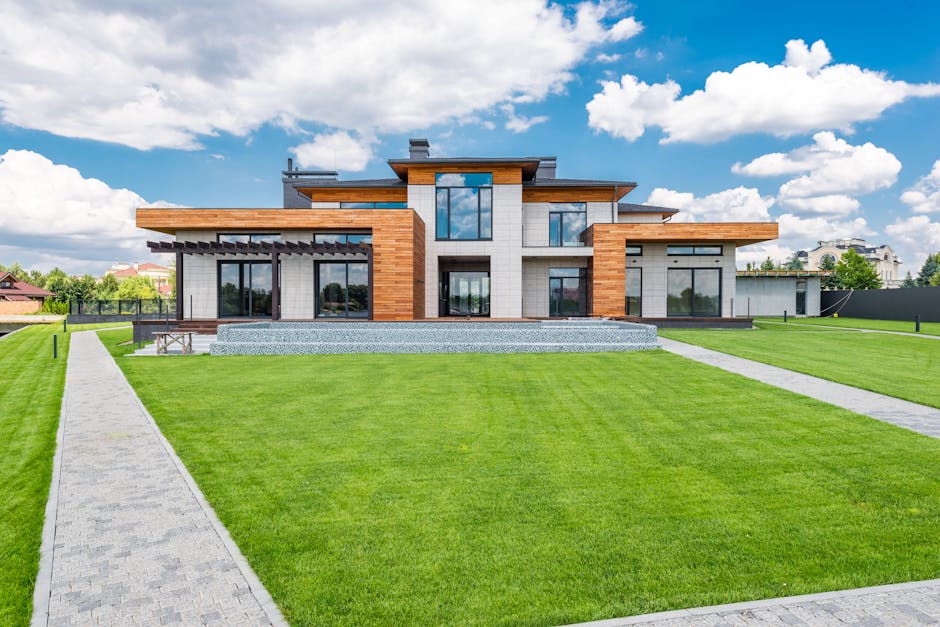
The Shift Toward Institutional-Grade Luxury in Tampa
The Tampa luxury real estate sector has undergone a fundamental transformation, moving from a regional growth story to a national investment priority. Data indicates a $675 million surge in high-end capital, solidifying the city’s status as Florida’s new luxury investment capital. For the sophisticated buyer, this represents a shift toward institutional-grade assets where liquidity and long-term value retention are driven by genuine infrastructure improvements rather than speculative hype.

Unlike previous cycles, the current demand is anchored by permanent migration from high-tax jurisdictions and the expansion of the local executive class. This influx has shifted the market’s median list price to approximately $2,500,000, with top-tier properties frequently exceeding the $5,000,000 mark. Buyers are no longer seeking seasonal retreats; they are acquiring primary residences that require specific amenities, including robust home offices, high-security integrations, and proximity to the city’s evolving commercial hubs.
The maturity of the market is further evidenced by the caliber of recent transactions. While other national markets have seen significant cooling, Tampa’s luxury market grows stronger despite broader economic headwinds. This resilience is a critical indicator for those looking to preserve capital in residential real estate. Understanding the nuances of these movements requires a move away from generic market reports toward a neighborhood-level analysis of land value and structural integrity.
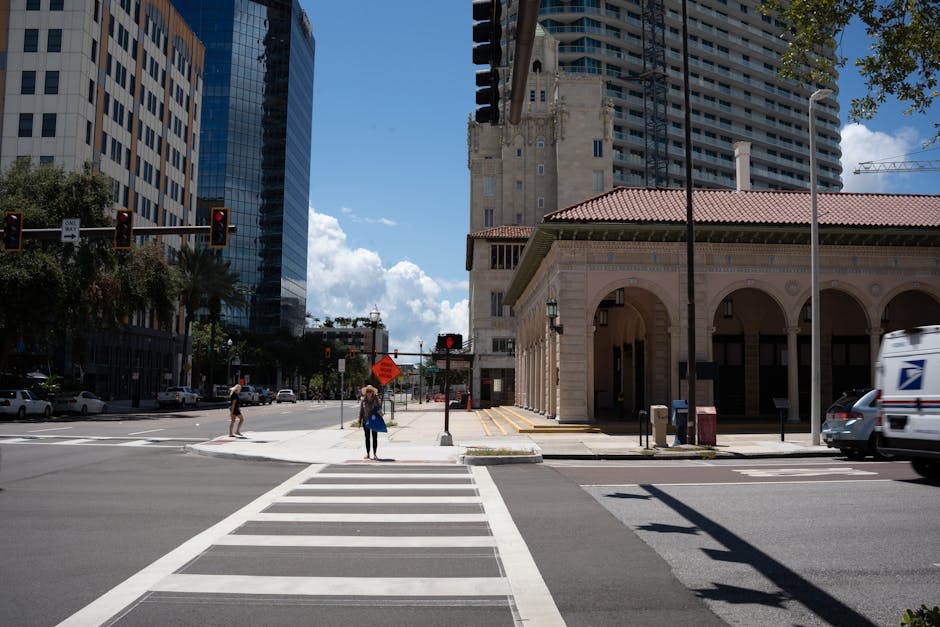
Deciphering the Neighborhood Value Propositions
Value in Tampa is highly localized, with distinct premiums placed on specific street-level characteristics in areas like Davis Islands, Hyde Park, and Beach Park. In South Tampa, the inventory scarcity continues to drive competition for traditional Mediterranean and modern coastal designs. Sophisticated buyers are increasingly focusing on lot size and privacy setbacks, recognizing that as the city densifies, true seclusion becomes the ultimate luxury. Properties like those found on Troutwater Lane exemplify this demand for private, high-acreage enclaves within the city limits.
Buyer behavior has also evolved to prioritize architectural permanence. We are seeing a move away from ‘disposable luxury’ toward high-end builds that utilize poured concrete, impact-rated floor-to-ceiling glass, and advanced climate control systems. In neighborhoods like Culbreath Isles, the focus has narrowed onto deep-water access and the ability to accommodate larger vessels, as the maritime lifestyle remains a central pillar of the local value proposition. Prospective owners are encouraged to browse current listings to compare the varying price-per-square-foot metrics across these top-tier enclaves.
Beyond the established cores, we are observing a rise in interest for Westshore Yacht Club and the historic corridors of Old Seminole Heights for unique, high-value opportunities. However, the most significant movement remains concentrated where historic charm meets modern infrastructure. The ability to walk to high-end dining and retail—a hallmark of the Hyde Park experience—continues to command a significant premium over more isolated suburban alternatives. This urban-adjacent luxury is a key driver for the younger demographic of affluent buyers entering the market.
Waterfront Assets: From Seasonal Retreats to Primary Holdings
The definition of waterfront living in Tampa has transitioned from a leisure-centric focus to a primary residence standard. As noted by The National Law Review, Tampa’s waterfront has emerged as a primary luxury real estate market, attracting permanent residents who require the same level of utility as an inland estate. This means that seawall integrity, dockage permits, and riparian rights are now scrutinized with the same intensity as interior finishes.
Investors must distinguish between ‘view-only’ waterfront and ‘functional’ waterfront. Functional waterfront, providing direct, bridge-free access to the Gulf of Mexico, remains the most resilient asset class in the region. The scarcity of these parcels has led to a surge in ‘teardown’ activity, where older structures are removed to make way for estates that meet modern elevation requirements. This trend ensures that the waterfront landscape is perpetually renewing itself with higher-value, more resilient construction.
Furthermore, the environmental aspect of waterfront ownership has become a primary consideration. Buyers are increasingly sophisticated regarding FEMA flood zone designations and the long-term implications of coastal construction control lines. A primary residence on the water in 2026 must be as technologically advanced as it is aesthetically pleasing, incorporating smart home systems that can manage everything from irrigation to storm-hardening features at the touch of a button. This technical requirement has created a new standard for luxury that prioritizes peace of mind alongside panoramic views.
Critical Verification Steps for Luxury Acquisitions
Navigating a multi-million dollar acquisition requires more than just an aesthetic appreciation of the property. The following checklist identifies the essential technical and legal benchmarks that every high-end buyer should verify before proceeding to contract:
- Verification of riparian rights and current seawall engineering certifications for all waterfront parcels.
- Assessment of coastal construction control lines and the impact on future renovation or expansion potential.
- Analysis of the historical price-per-square-foot delta between the subject property and recent off-market sales in the same enclave.
- Evaluation of private security infrastructure, including gated access protocols and integrated surveillance systems.
- Review of HOA capital reserves and long-term assessment schedules for luxury condominium or gated community holdings.
- Verification of dock permit feasibility, including water depth at mean low tide and existing local maritime ordinances.
Each of these points represents a potential pivot in the valuation of a property. For instance, a beautifully renovated home that lacks a modern elevation certificate may face significant insurance premiums that affect its long-term marketability. Our role as advisors is to ensure these variables are quantified early in the search process.
The Condo Surge: Understanding Tampa’s Vertical Maturity
For decades, Tampa was primarily a horizontal luxury market, but the introduction of high-rise developments like the Ritz-Carlton Residences and the expansion of Water Street has changed the skyline and the buyer profile. Tampa remains an early-stage luxury condo market, which presents a unique window for investors to enter a sector that is still finding its ceiling. The appeal of ‘lock-and-leave’ lifestyle, combined with 24-hour concierge services and ultra-high-end amenities, has attracted a demographic that values time as much as space.
These vertical communities are not just residential buildings; they are self-contained ecosystems. With integrated wellness centers, private dining rooms, and high-ratio parking configurations, they offer a level of convenience that is difficult to replicate in a traditional single-family home. From an investment standpoint, these units often provide a more predictable maintenance profile, as the association handles the major structural and mechanical systems. However, the quality of the developer and the financial health of the association are paramount when selecting a unit.
We are also seeing a trend toward larger, ‘estate-style’ condominiums that occupy entire floors or large portions of the building. These units offer over 4,000 square feet of living space, effectively providing the scale of a house with the benefits of high-rise security and views. As more global brands enter the Tampa market, we expect the service levels and finish standards to continue their upward trajectory, further closing the gap between Tampa and established markets like Miami or New York.
Navigating the Supply-Demand Inequity
Despite the increase in new construction, the core luxury areas of Tampa remain in a state of chronic undersupply. With only 120 active luxury listings at a given time, the market is characterized by a high turnover rate for properties that are priced correctly and finished to a high standard. This supply-demand inequity means that ‘off-market’ knowledge is often the only way to secure a premier asset before it reaches a wider audience. Buyers must be prepared to move decisively when a property aligns with their strategic goals.
This tight inventory has also led to a plateau in days-on-market for the top one percent of listings. When a property like the estate at 7705 Gardner Road becomes available, it attracts immediate attention from a pool of buyers who have been waiting for specific location and amenity combinations. The competition is no longer just about price; it is about terms, closing speed, and the ability to navigate complex inspections. Having a seasoned advisor to manage these negotiations is essential to ensuring a successful outcome in a high-stakes environment.
The inventory bottleneck is expected to persist through 2026, as land availability in prime South Tampa and waterfront locations is finite. For sellers, this represents a period of significant leverage, provided the property is presented with the level of detail and sophistication that modern buyers expect. For buyers, it requires a disciplined approach to valuation, ensuring that the premium paid today is supported by the underlying land value and the long-term desirability of the neighborhood.
Long-Term Outlook and Advisory Strategy
Looking ahead, the Tampa luxury market is positioned for sustained stability. The city’s cultural and social calendar continues to expand, with high-end festivals and events drawing tens of thousands of affluent visitors and potential residents each weekend. This lifestyle component, combined with the region’s favorable climate and pro-business environment, creates a compelling case for continued capital inflow. While the ‘hyper-growth’ phase of the early 2020s has moderated, it has been replaced by a more predictable and mature appreciation trend.
Strategic buyers should focus on assets that offer ‘future-proof’ features: higher elevations, smart-home scalability, and architectural flexibility. As the market continues to evolve, the distinction between a ‘house’ and an ‘investment-grade estate’ will become even more pronounced. The goal is not just to acquire property, but to secure a position in one of Florida’s most resilient and sought-after metropolitan areas. Whether you are liquidating a legacy holding or entering the market for the first time, a data-driven, analytical approach is the only way to navigate this complex landscape effectively.
To explore the most exclusive inventory currently available or to discuss a tailored acquisition strategy for the Tampa market, we invite you to contact an advisor today. Our team provides the discreet, expert guidance required to navigate high-value transactions with confidence and precision.
Your next move in Tampa luxury
Get current inventory, pricing guidance, and private-tour support from our brokerage team.
Source highlights
- Tampa Bay’s most expensive luxury home sales of 2025 – Tampa Bay Times
- Tampa Bay luxury market grows stronger despite national declines – The Business Journals
- Why Tampa remains an early-stage luxury condo market – Tampa Bay Business & Wealth
- Tampa Bay’s Waterfront Emerges as a Primary Luxury Real Estate Market – The National Law Review
- Florida Trend Real Estate – Florida Trend
- Inside Tampa’s $675 Million Surge: How the City Became Florida’s New Luxury Investment Capital – hauteresidence.com
- Things To Do In Tampa This Weekend: Best Festivals & Events Going On – That's So Tampa
- Tampa officials expect heavy traffic, tens of thousands of visitors over a packed K-Pop weekend – wtsp.com



