


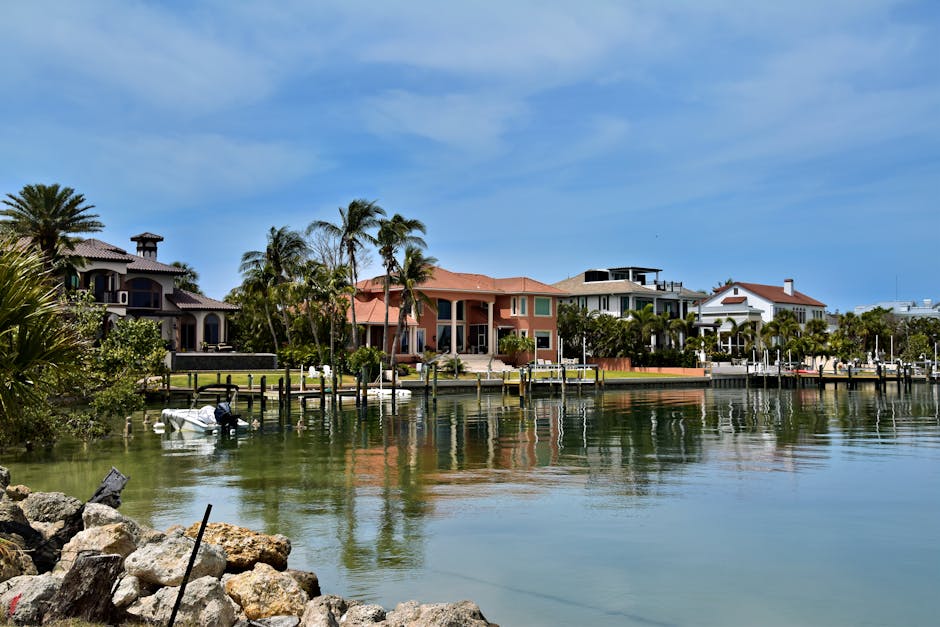
The Tampa luxury real estate landscape has undergone a fundamental transformation, moving from a regional interest to a primary destination for national and international capital. As the median list price for high-end properties hovers near $2,499,000, the market demonstrates a maturity that resists broader national cooling trends. This shift is not merely about rising prices; it is about a change in buyer profile. We are seeing a move away from seasonal residents toward permanent relocations by high-net-worth individuals who require the infrastructure, cultural depth, and privacy that only Tampa’s core luxury neighborhoods can provide.
Strategic buyers are currently focused on the limited inventory of 120 active luxury listings, recognizing that the window for early-stage entry into certain sub-sectors is closing. The average list price of $3,247,370 reflects the caliber of estates now appearing in areas like Davis Islands and along the coastal stretches of Gardner Road. For the sophisticated investor, the current market requires a nuanced understanding of which assets provide long-term stability and which are subject to the volatility of rapid development.
The Maturity of the Tampa Luxury Sector
The resilience of the local market is supported by significant economic tailwinds. Unlike other Florida metros that have seen inventory gluts, Tampa maintains a disciplined supply. This scarcity is particularly evident in established enclaves such as Hyde Park and Beach Park, where lot sizes and historical significance provide a protective moat around property values. Recent data from The Business Journals indicates that the luxury sector here continues to grow stronger even as national metrics suggest a slowdown, confirming the city’s status as a safe haven for residential investment.
Understanding the current benchmark requires looking beyond simple price-per-square-foot metrics. Today’s buyers prioritize architectural integrity and technological integration. Properties like those found on Troutwater Lane or near the North Florida Avenue corridor are being evaluated on their ability to serve as multi-generational assets. The competition for these homes is driven by a sophisticated cohort that values the discretion and space offered by Tampa’s traditional estates over the more transient atmosphere of South Florida’s high-density corridors.
Furthermore, the infrastructure improvements across the region have shortened the distance between private residential enclaves and the city’s commercial hubs. This connectivity is a primary driver for executives who are increasingly choosing Tampa as their primary base of operations. As we analyze the top-tier sales, it becomes clear that the value proposition is rooted in a combination of lifestyle stability and the ongoing professionalization of the local economy.
The Strategic Shift Toward Luxury Condominiums
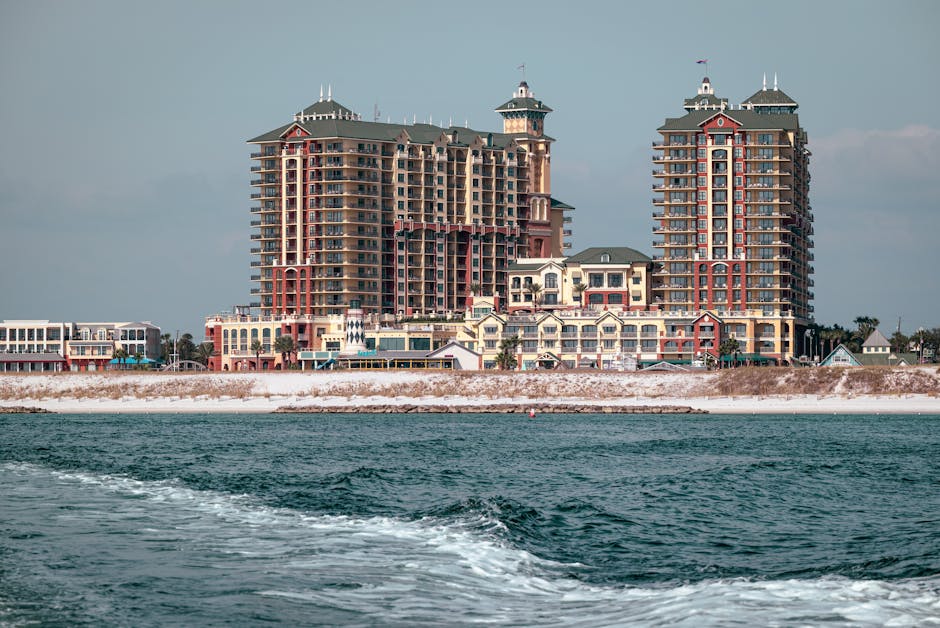
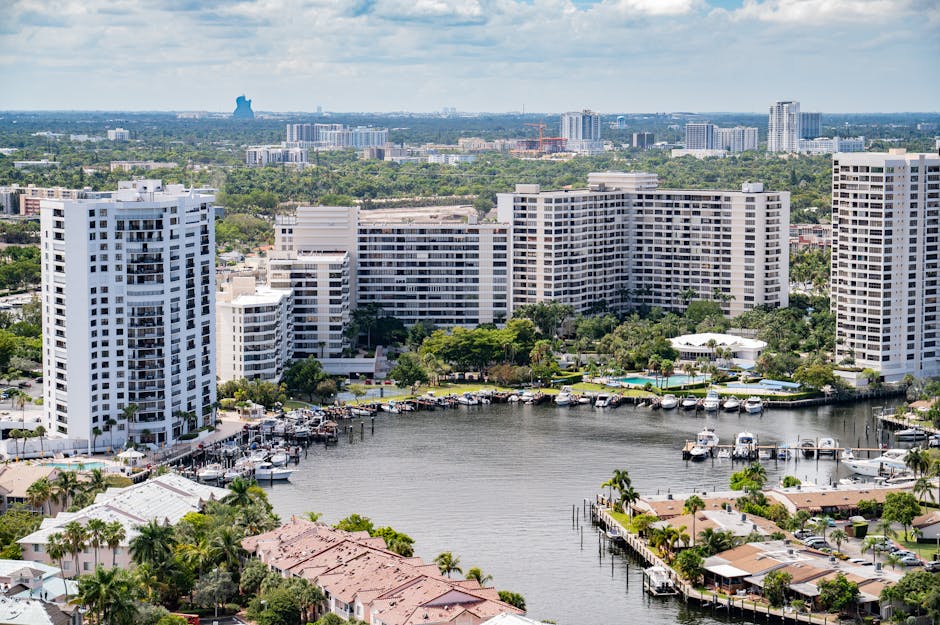
While traditional estates remain the cornerstone of the market, the vertical sector is experiencing a significant evolution. Historically, Tampa was viewed as a late bloomer in the high-rise space, but recent developments have shifted that narrative. According to Tampa Bay Business & Wealth, the city remains an early-stage luxury condo market, offering a unique entry point for those seeking amenitized living. This sector caters to a demographic that prioritizes a “lock-and-leave” lifestyle without sacrificing the finishes and scale of a single-family home.
The emergence of the Water Street district and the expansion of the Westshore skyline have introduced a level of service and concierge-driven living previously unavailable in the region. Buyers are now comparing the maintenance-free appeal of a penthouse to the privacy of a gated estate. For many, the choice depends on the desired level of engagement with the city’s evolving urban core. The proximity to high-end dining and major transit hubs makes vertical living an attractive option for those who balance local residency with frequent international travel.
When evaluating these vertical assets, it is critical to look at the long-term viability of the management and the exclusivity of the amenities. The most successful developments are those that have successfully integrated private outdoor spaces and robust security protocols into their design. As the market matures, we expect the gap between standard high-rises and true luxury condominiums to widen, with the latter commanding a significant premium based on service quality and architectural pedigree.
Waterfront Resilience and Primary Market Status
The defining characteristic of the Tampa market is its relationship with the water. The transition of the local waterfront from a secondary vacation destination to a primary luxury market is a milestone for the region. As noted by The National Law Review, this emergence reflects a deeper institutional confidence in the area’s coastal resilience and long-term appreciation potential. Buyers are no longer just looking for a view; they are looking for properties that offer deep-water access and significant shoreline protection.
Navigating waterfront acquisitions requires a technical approach to site selection. Factors such as seawall integrity, riparian rights, and elevation are now as central to the valuation process as the interior finishes. In neighborhoods like Culbreath Isles and Davis Islands, the scarcity of available docks and the restrictions on new construction have created a highly competitive environment for homes that offer direct access to the Gulf. This segment of the market remains the most insulated from economic shifts, as the supply of true waterfront land is essentially fixed.
Buyers should also consider the shifting nature of the coastline itself. The integration of modern engineering and sustainable landscaping is becoming a standard feature of the most valuable waterfront estates. Properties that have proactively addressed drainage and surge protection are increasingly preferred by the sophisticated cohort. This technical due diligence is a hallmark of the senior advisor’s role, ensuring that a purchase today remains a liquid and viable asset for decades to come.
Assessing the $675 Million Investment Surge
The scale of capital flowing into the region is unprecedented. Recent reports on hauteresidence.com highlight how Tampa became Florida’s new luxury investment capital, fueled by a $675 million surge in high-end transactions. This influx of capital is driving a new wave of bespoke renovations and speculative builds that are resetting the expectations for what a luxury home should provide. For current owners, this means their existing equity is being supported by a floor of institutional-grade investment.
This surge is also visible in the commercial and cultural sectors, which in turn enhances residential values. The arrival of new professional services and high-end hospitality brands creates a self-reinforcing cycle of growth. Investors are looking at Tampa not just as a place to live, but as a strategic node in their broader portfolio. The city’s ability to maintain its unique local character while absorbing this level of growth is a testament to the strength of its planning and the quality of its established communities.
- Verify the structural integrity and age of all seawall and dock installations for waterfront properties.
- Analyze the surrounding development pipeline to ensure protected views and privacy will not be compromised.
- Assess the quality of the HOA or community management, particularly in newer luxury condominium projects.
- Evaluate the home’s technological infrastructure, focusing on integrated security, climate control, and smart-home automation.
- Confirm the property’s elevation and drainage systems meet the latest standards for coastal resilience.
- Review recent comparable sales specifically within the $2.5M+ bracket to ensure valuation alignment with current inventory levels.
Decoding South Tampa and Coastal Neighborhoods
South Tampa remains the epicenter of the luxury market, but the nuances between its sub-neighborhoods are significant. Hyde Park offers a historic charm and walkability that appeals to those who value architectural heritage and proximity to the Bayshore Boulevard linear park. Conversely, Beach Park and Culbreath Isles provide a more secluded, suburban feel with larger lot sizes and a higher concentration of custom-built estates. Understanding these distinctions is vital for buyers who are moving from markets where neighborhood boundaries are less defined.
The Westshore Yacht Club and surrounding coastal areas represent a different facet of the market, focusing on a club-oriented lifestyle with shared amenities and high-security protocols. These areas often appeal to families and individuals who prioritize a cohesive community atmosphere over the autonomy of a standalone estate. As the $675 million investment surge continues to ripple outward, we are seeing professional-grade renovations in areas that were previously overlooked, creating new pockets of value within the traditional South Tampa footprint.
Data from Florida Trend suggests that the regional demand is being driven by a desire for more space and a higher quality of life, which these neighborhoods provide in abundance. When comparing properties, buyers should look for those that have maintained their stylistic integrity while updating their core systems. A home that successfully bridges the gap between classic Tampa aesthetics and modern luxury performance will always be the most desirable asset in any market cycle.
Lifestyle Integration and Cultural Growth
A city’s luxury market is only as strong as the lifestyle it supports. Tampa has recently seen an explosion in cultural programming and high-profile events that cater to a sophisticated audience. From the recent surge in major weekend events to the established festivals that define the city’s social calendar, the environment is one of constant activity and engagement. This cultural vibrancy is a key factor for buyers who are choosing where to plant roots, as it ensures the city remains attractive to the next generation of leadership.
The professionalization of the local sports and arts scenes has further cemented Tampa’s status as a top-tier metro. For the luxury buyer, this means that their investment is backed by a city that is actively investing in its own future. Whether it is the expansion of the St. Pete arts district or the ongoing revitalization of downtown Tampa, the physical and cultural landscape is being elevated in tandem. This holistic growth is what separates Tampa from other Florida markets that may offer similar weather but lack the same level of civic momentum.
As you navigate the current selection of properties, it is essential to work with an advisor who understands the intersection of data and lifestyle. The current inventory of 120 luxury homes offers diverse opportunities, but the most advantageous acquisitions require a quick response and a clear strategy. To explore the current market and identify assets that align with your specific objectives, we invite you to browse our exclusive listings or contact an advisor to discuss your portfolio needs.
Your next move in Tampa luxury
Get current inventory, pricing guidance, and private-tour support from our brokerage team.
Source highlights
- Tampa Bay’s most expensive luxury home sales of 2025 – Tampa Bay Times
- Tampa Bay luxury market grows stronger despite national declines – The Business Journals
- Why Tampa remains an early-stage luxury condo market – Tampa Bay Business & Wealth
- Tampa Bay’s Waterfront Emerges as a Primary Luxury Real Estate Market – The National Law Review
- Florida Trend Real Estate – Florida Trend
- Inside Tampa’s $675 Million Surge: How the City Became Florida’s New Luxury Investment Capital – hauteresidence.com
- Things To Do In Tampa This Weekend: Best Festivals & Events Going On – That's So Tampa
- Tampa officials expect heavy traffic, tens of thousands of visitors over a packed K-Pop weekend – wtsp.com



