


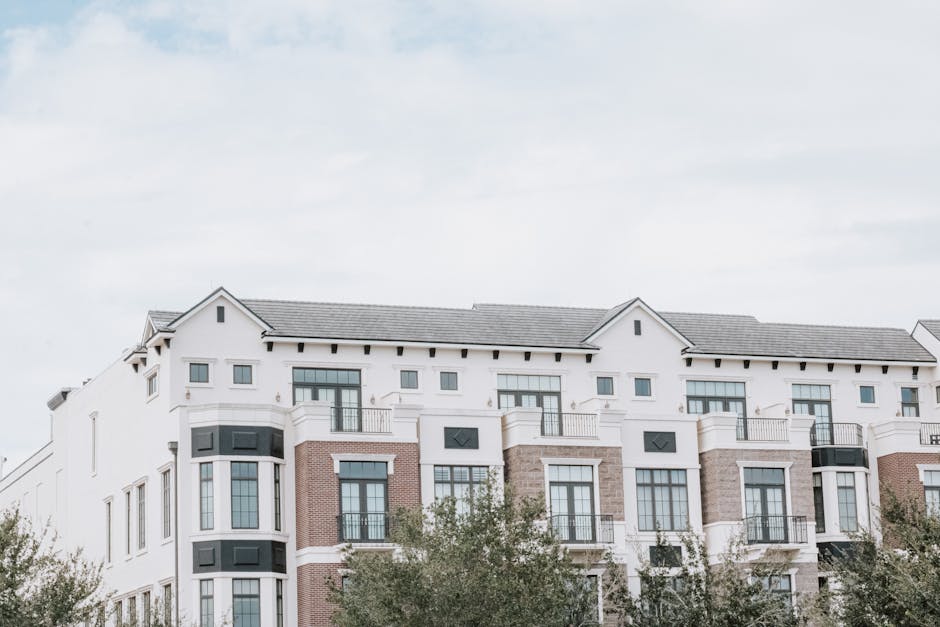
The Fundamental Shift to a Primary Luxury Market
The Tampa luxury sector has undergone a fundamental transformation over the last twenty-four months. No longer viewed as a speculative secondary market or a seasonal retreat, the region has solidified its status as a primary residence capital for domestic and international wealth. This shift is substantiated by a significant $675 million investment surge, marking a transition that professional advisors characterize as the maturation of a new Florida powerhouse. According to Haute Residence, this capital influx is reshaping the skyline and the expectations of the most discerning buyers.

Buyers are increasingly prioritizing permanence, seeking out properties that serve as long-term family anchors rather than temporary vacation assets. This behavioral change has altered the velocity of the market; while national trends show cooling in many sectors, the Tampa Bay luxury market grows stronger, displaying a resilience that highlights the underlying value of the local economy. The demand for high-end residential real estate is driven by a combination of favorable tax environments, a robust corporate relocation trend, and a physical landscape that offers lifestyle amenities comparable to established coastal hubs.
For those navigating this landscape, understanding the nuance of local sub-markets is essential. The transition to a primary residence destination means that infrastructure, proximity to high-performing schools, and access to private aviation are now as critical as the aesthetic appeal of a home. Advisors are observing a move away from the traditional high-turnover investment model toward a thoughtful, data-driven acquisition strategy that values structural integrity and neighborhood stability over mere square footage.
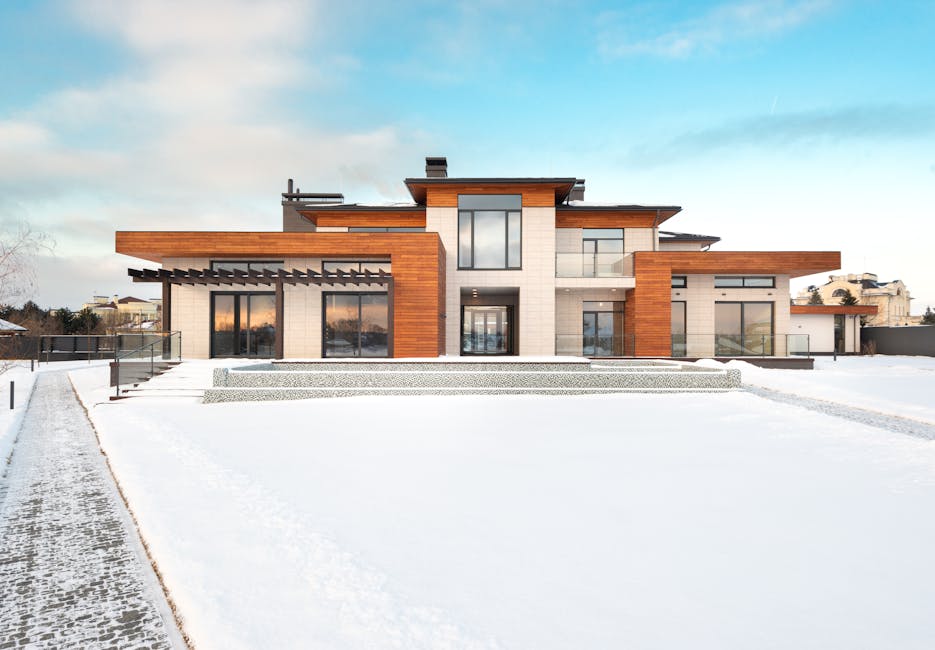
Comparative Analysis: Waterfront Estates vs. Inland Luxury Acreage
The distinction between waterfront living and inland privacy has never been more pronounced. Waterfront remains the premier asset class, particularly as Tampa’s waterfront emerges as a primary market in its own right. Neighborhoods like Davis Islands and Bayshore Boulevard continue to set pricing benchmarks, with older Mediterranean-style estates being replaced by modern architectural marvels designed to maximize view corridors while incorporating advanced storm-resilient engineering.
Conversely, a growing cohort of buyers is looking northward to areas like Lutz and Odessa, where acreage and equestrian capabilities offer a different form of luxury. Properties such as the $3,000,000 listing on Gardner Road represent the high demand for private compounds that provide a buffer from the metropolitan core without sacrificing proximity to downtown. These inland estates allow for expansive floor plans and personalized amenities, such as multi-car galleries and private guest quarters, which are often constrained on waterfront lots.
When comparing these two paths, buyers must evaluate their long-term lifestyle objectives against the liquidity of the asset. Waterfront properties typically command a higher price-per-square-foot and historical appreciation, but inland estates offer a level of seclusion and customization that is increasingly rare. Both sectors are seeing steady absorption, with sophisticated advisors leveraging recent sales data to justify valuations that would have been unthinkable five years ago.
Navigating the Evolution of the Luxury Condo Market
Tampa is currently in what experts call an early-stage luxury condo market. While high-rise living has long been a staple of Miami or Palm Beach, it is a relatively new frontier for Tampa’s elite. This provides a unique opportunity for early entry into developments that are redefining the standards of vertical luxury. Reports from Tampa Bay Business & Wealth suggest that this segment is poised for significant growth as more professionals opt for the low-maintenance, high-amenity lifestyle that luxury towers provide.
The current inventory of luxury condos is characterized by extensive wellness centers, private dining rooms, and concierge services that rival five-star hotels. For the executive buyer, the appeal lies in the “lock-and-leave” simplicity coupled with front-door access to the city’s evolving dining and cultural scene. We are seeing a particular interest in units that offer unobstructed views of Hillsborough Bay, where the interplay of light and water provides a dynamic backdrop for modern living.
However, navigating this segment requires a careful look at the developer’s track record and the long-term viability of the homeowners’ association. As the market matures, the distinction between true luxury and mere “high-end” will become clearer. Discerning buyers should focus on those projects that emphasize quality materials and soundproofing, as these details often determine the long-term resale value in a competitive high-rise environment.
Market Indicators: Interpreting Inventory and Pricing Data
As of late April 2026, the luxury inventory remains tight, with approximately 120 active listings in the premium bracket. The median list price has stabilized around $2,499,000, while the average list price has climbed to $3,247,370. This gap between median and average reflects the introduction of several ultra-high-net-worth properties into the market, pulling the ceiling higher for the entire region. Sales like the Troutwater Lane estate at $2,650,000 demonstrate that there is significant appetite for well-positioned properties that are priced accurately for their condition and location.
Prospective buyers should note that while the pace of sales has normalized from the frantic levels of previous years, quality inventory is still moving quickly. The lack of oversupply is a key factor in the market’s stability. Unlike other regions that may see a glut of speculative new builds, Tampa’s luxury growth has been largely organic, driven by end-users rather than investors. This creates a more predictable environment for those looking to protect their capital over a ten-to-fifteen-year horizon.
Pricing strategy is now more critical than ever. We are seeing a divergence where perfectly executed homes receive multiple offers, while properties with deferred maintenance or awkward floor plans linger on the market. This underscores the importance of a meticulous physical inspection and a thorough review of the property’s history. In a primary market, buyers are less willing to compromise on functional layout or mechanical reliability, making professional representation an indispensable part of the transaction process.
Tactical Acquisition: A Buyer’s Due Diligence Framework
In a sophisticated market, the due diligence process must go beyond the standard inspection. Buyers should adopt a clinical approach to evaluating potential acquisitions to ensure the asset aligns with both lifestyle needs and financial goals. The following checklist serves as a starting point for any high-end transaction in the current environment:
- Verifying riparian rights and sea wall integrity for all waterfront parcels.
- Assessing the impact of planned municipal infrastructure on neighborhood privacy and traffic flow.
- Evaluating structural elevations against the most recent FEMA flood mapping and local building codes.
- Analyzing the historical appreciation of the specific sub-neighborhood relative to the broader market average.
- Comparing price-per-square-foot metrics against recent off-market transfers to identify true value.
- Reviewing homeowner association covenants for restrictions on architectural modifications or short-term usage.
Each of these points requires coordination with specialists, from coastal engineers to land-use attorneys. In a market where a single listing like 6304 N Florida Avenue can command over $2,200,000, the cost of overlooking a technical detail can be significant. A senior advisor will ensure that these variables are accounted for during the negotiation phase, providing the buyer with the leverage needed to secure favorable terms.
Beyond the technicals, the “quiet” aspects of a neighborhood often dictate long-term satisfaction. This includes investigating the quality of the surrounding tree canopy, the frequency of utility service, and the general noise profile of the area during peak hours. In the luxury space, peace and predictability are high-value commodities that are often undervalued in the initial search phase but become paramount once the residence is occupied.
Economic Resilience and Infrastructure Integration
The strength of the luxury market is inextricably linked to the broader economic health of the region. Florida’s real estate trends, as noted by Florida Trend, indicate a steady diversification of the state’s economy. In Tampa specifically, the expansion of the healthcare, technology, and finance sectors has created a stable foundation for the residential market. This economic diversity acts as a hedge against volatility, providing luxury homeowners with confidence in their investment.
Infrastructure is also evolving to meet the needs of a growing population. Major events, such as the heavy traffic expected for K-Pop weekend, highlight the city’s capacity to host international-scale entertainment, which in turn drives demand for short-term stays and permanent high-end housing. As the city continues to improve its transport corridors and public spaces, the appeal of living in the metropolitan core will only increase for those who value cultural proximity.
For the sophisticated buyer, the intersection of lifestyle and logistics is where the greatest value is found. A property that offers quick access to the airport and the business district while maintaining the serenity of a private enclave is the gold standard. We are currently seeing a significant focus on Hyde Park and South Tampa for this very reason, as these areas provide a seamless integration of professional and personal life.
The Decision-Making Process in a Maturing Ecosystem
Deciding where to allocate capital in the current market requires a blend of data analysis and local intuition. Buyers must weigh the immediate benefits of move-in-ready homes against the potential upside of custom builds. With the cost of construction remaining high, the premium for new or meticulously renovated homes is justified. However, for those with the patience for a multi-year project, acquiring older assets in prime locations like Culbreath Isles or Sunset Park remains a viable path for significant equity growth.
It is also important to stay connected with the local pulse. Knowing which festivals and events are shaping the character of a neighborhood can provide insight into the long-term vibe of a community. A neighborhood that supports a variety of cultural activities and family-friendly infrastructure is more likely to maintain its desirability through various market cycles. This qualitative data is often the deciding factor for families transitioning from larger metropolitan areas in the Northeast or Midwest.
Ultimately, the Tampa luxury market offers a compelling case for those seeking a primary residence that balances financial security with an elevated lifestyle. As the city continues its upward trajectory, the window for strategic acquisition remains open for those prepared to move with precision and professional guidance. We invite you to explore the current inventory and identify the opportunities that align with your portfolio requirements.
The current market conditions demand an advisor who understands the complexity of high-value transactions and the nuances of Tampa’s premier neighborhoods. Whether you are looking for a sprawling waterfront estate or a sophisticated urban residence, our team provides the analytical depth and local expertise necessary to navigate this maturing landscape. To view our curated selection of properties, visit our LISTINGS URL or CONTACT URL to speak with a dedicated advisor today.
Your next move in Tampa luxury
Get current inventory, pricing guidance, and private-tour support from our brokerage team.
Source highlights
- Tampa Bay’s most expensive luxury home sales of 2025 – Tampa Bay Times
- Tampa Bay luxury market grows stronger despite national declines – The Business Journals
- Why Tampa remains an early-stage luxury condo market – Tampa Bay Business & Wealth
- Tampa Bay’s Waterfront Emerges as a Primary Luxury Real Estate Market – The National Law Review
- Florida Trend Real Estate – Florida Trend
- Inside Tampa’s $675 Million Surge: How the City Became Florida’s New Luxury Investment Capital – hauteresidence.com
- Things To Do In Tampa This Weekend: Best Festivals & Events Going On – That's So Tampa
- Tampa officials expect heavy traffic, tens of thousands of visitors over a packed K-Pop weekend – wtsp.com



