


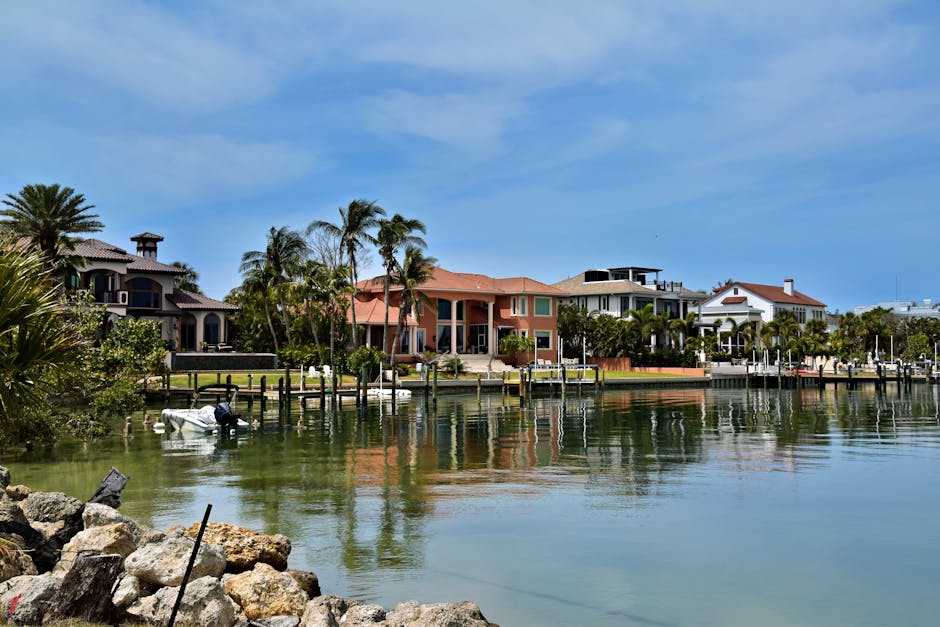
The Structural Shift in Tampa Waterfront Valuations
The Tampa luxury real estate landscape has undergone a fundamental transformation, moving away from its historical identity as a seasonal destination toward its current status as a primary residence hub for global capital. This evolution is most visible along the waterfront, where the demand for high-end residential assets continues to outpace traditional supply. Discerning buyers are no longer looking for simple vacation properties; they are seeking sophisticated, high-performance estates that serve as permanent family offices and retreats. This shift has necessitated a more analytical approach to valuation, where proximity to the water is only one variable in a complex pricing equation that includes storm resilience, architectural provenance, and technological integration.
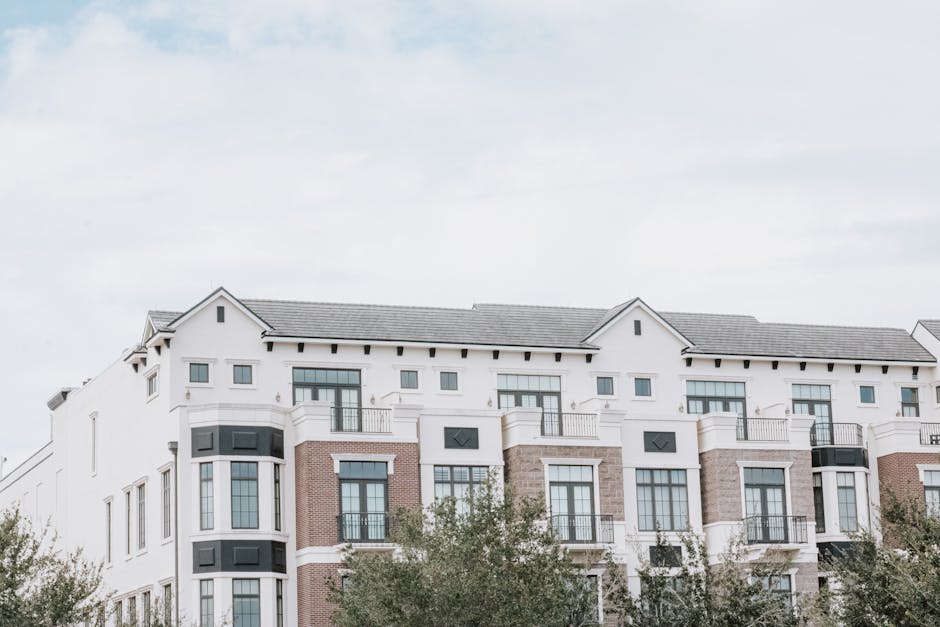
Data from the National Law Review confirms that Tampa’s waterfront has emerged as a primary market, attracting significant investment from institutional and private entities alike. This institutional interest has stabilized prices even during broader economic fluctuations, providing a layer of security for high-net-worth individuals. The current inventory reflects this stability, with active luxury listings maintaining a consistent presence in the market despite rising interest in newer developments. For the advisor, the task is to distinguish between properties that are merely expensive and those that offer long-term intrinsic value based on these shifting market dynamics.
Buyer behavior in 2026 is characterized by a preference for move-in-ready assets that minimize the friction of relocation. The patience for multi-year renovations has diminished, leading to a premium on recently completed custom builds and meticulously maintained historic estates in areas like Davis Islands and Hyde Park. Understanding this trend is critical for sellers who wish to capture the highest possible return, as well as for buyers who need to calibrate their expectations regarding negotiation leverage. The market currently favors those who can act decisively on quality inventory that meets these modern standards of luxury and utility.
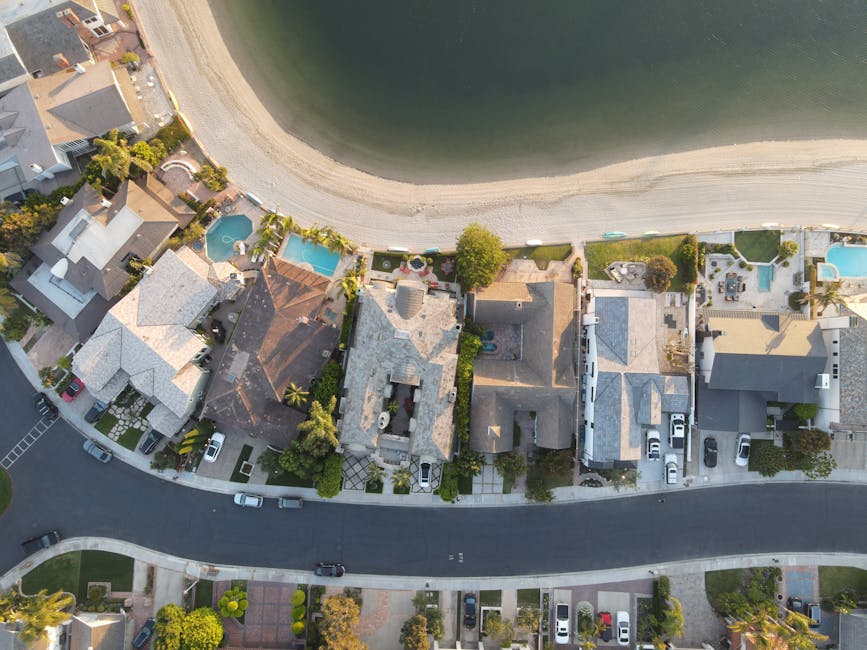
Inventory Compression and the $2.5 Million Benchmark
As of late April 2026, the Tampa luxury market holds approximately 120 active listings, with a median list price firmly established at $2,499,000. This benchmark represents a significant increase from previous years and signals a permanent recalibration of what constitutes the entry point for high-end real estate in the region. The average list price, currently exceeding $3.2 million, highlights a robust upper-tier market where properties frequently cross the $10 million threshold. This pricing tier is driven by a combination of limited coastal land availability and the increasing cost of high-spec construction materials and labor.
Supply dynamics are currently influenced by a decrease in mortgage rates to approximately 6.09%, which has encouraged a modest lift in new construction. According to Tampa Bay Business & Wealth, this influx of supply is essential to meeting the persistent demand from out-of-state buyers. However, while new inventory is entering the market, it is often pre-sold or claimed shortly after reaching the shell stage, maintaining a state of inventory compression. Buyers must be prepared to navigate a landscape where the most desirable assets rarely see public marketing for more than a few weeks.
The competitive nature of the current market requires a data-backed approach to offer construction. Advisors are focusing on neighborhood-specific absorption rates rather than broad metropolitan trends. For instance, the velocity of sales in South Tampa enclaves differs significantly from the pace in emerging luxury corridors. By analyzing these micro-markets, buyers can identify opportunities where pricing may not yet reflect the full potential of future infrastructure improvements or commercial development. This level of granularity is what separates a successful acquisition from a simple transaction.
Assessing New Construction and Architectural Longevity
The rise of high-rise luxury and master-planned waterfront communities has introduced a new standard of amenities to the Tampa market. Projects like Marina Pointe have set high bars, recently winning Americas Property Awards for excellence in waterfront living. These developments prioritize integrated lifestyle services, from private boat slips to 24-hour concierge support, catering to a demographic that values time as much as physical space. For the strategic buyer, evaluating the long-term viability of these developments involves looking past the initial aesthetic appeal to the underlying quality of the homeowners’ association and the developer’s track record.
In the custom home sector, architectural longevity is becoming a primary concern. We are seeing a move away from transient design trends toward timeless coastal modernism and revitalized Mediterranean Revival styles. These homes are built with advanced materials designed to withstand the Florida climate while providing superior energy efficiency. When comparing properties, it is essential to verify the specifications of window systems, roofing materials, and foundation elevations. A property that exceeds current building codes is not just a safer investment; it is one that will hold its value more effectively as climate-related regulations continue to evolve.
The 2026 buyer’s due diligence process has expanded to include a rigorous assessment of the “digital health” of a home. This includes high-speed fiber connectivity, integrated security networks, and smart-home systems that are open-source rather than proprietary. As more owners operate global businesses from their Tampa residences, the home must function as a high-tier professional environment. Verifying these technical capabilities during the inspection period is now as critical as checking the HVAC system or the pool equipment.
The 2026 Buyer’s Due Diligence Framework
- Verify elevation certificates and current flood mitigation infrastructure to ensure long-term insurability and safety.
- Evaluate recent comparable sales specifically within the last 120 days to account for rapid market shifts.
- Audit the developer’s track record for high-rise or custom waterfront builds, focusing on past structural performance.
- Inspect integrated smart-home systems for future-proofing, security vulnerabilities, and ease of maintenance.
- Confirm proximity to deep-water access and bridge clearances for larger vessel drafts if maritime utility is a priority.
- Analyze neighborhood-level zoning changes that could impact future privacy or property values.
Neighborhood Intelligence: Davis Islands to Beach Park
Success in the Tampa market requires an intimate understanding of neighborhood nuance. Davis Islands remains the pinnacle for those seeking a mix of privacy and proximity to the urban core. The lack of through-traffic and the presence of a private airport make it a unique asset class within the city. Properties here, particularly those with open bay views, command some of the highest price-per-square-foot metrics in the region. Buyers in this area are typically looking for legacy properties that can be held across generations, leading to a very low turnover rate that supports price appreciation.
Beach Park and Sunset Park offer a different value proposition, characterized by larger lot sizes and a high concentration of new, high-spec custom homes. These neighborhoods have become the preferred choice for families who require more square footage and a traditional suburban feel without sacrificing the benefits of a South Tampa location. The mature canopy of oak trees and the winding streets provide an aesthetic of established permanence that is difficult to replicate in newer developments. Monitoring the sales of homes like those recently highlighted in the Tampa Bay Times provides a roadmap for what the market is willing to pay for top-tier finishes in these enclaves.
Hyde Park and Bayshore Boulevard continue to define the cultural heart of Tampa’s luxury market. Bayshore’s continuous waterfront sidewalk remains one of the city’s most iconic features, and properties along this stretch are perennially in demand. The historic charm of Hyde Park, combined with the walkability to high-end retail and dining, attracts a demographic that values urban connectivity. For investors and primary residents alike, these areas represent the “blue chip” stocks of Tampa real estate—reliable, prestigious, and consistently liquid.
The Intersection of Lifestyle and Real Estate Capital
The value of a luxury property in Tampa is increasingly tied to the surrounding lifestyle infrastructure. The city’s investment in public spaces, cultural venues, and transit options has created a virtuous cycle that attracts further private capital. Events such as the various weekend festivals and high-profile concerts, as noted by That’s So Tampa, contribute to a sense of place that goes beyond the home’s walls. Buyers are looking for a seamless integration between their private sanctuary and a world-class city experience.
This connectivity is particularly evident in the downtown and Water Street districts, where luxury condominiums are integrated into a walkable urban fabric. The ability to attend a K-Pop weekend event or a professional sports game without needing a vehicle is a new luxury for Tampa, and one that is driving significant demand among younger affluent professionals. This shift toward urbanism is a key trend to watch, as it may eventually challenge the traditional dominance of single-family estates in certain price brackets. Advisors must help clients weigh the benefits of land ownership against the convenience of high-density luxury living.
Florida’s broader real estate trends also play a role in local decision-making. Insights from Florida Trend indicate that the state continues to see net positive migration of wealth, which provides a macro-economic tailwind for the Tampa market. This influx of capital supports the development of new amenities, from private clubs to high-end healthcare facilities, further cementing Tampa’s position as a top-tier destination. When evaluating a property, one must consider not just the current state of the neighborhood, but its trajectory over the next five to ten years based on these capital flows.
Refining Your Acquisition Strategy
In a market with 120 active luxury units and a median price of $2.5 million, the difference between a good purchase and a strategic acquisition lies in the details of the execution. Negotiation in 2026 is less about price suppression and more about terms—contingencies, closing timelines, and the inclusion of high-value personal property or maritime assets. Sellers in this bracket are often highly sophisticated and respond best to clean, well-funded offers that demonstrate a clear path to closing. For buyers, this means having financing or proof of funds fully vetted and ready for immediate presentation.
A successful acquisition also requires a forward-looking perspective on maintenance and management. High-end Tampa homes, particularly those on the water, require specialized care to maintain their value. From seawall inspections to the maintenance of complex automation systems, the cost of ownership should be factored into the initial financial model. Working with an advisor who can provide a network of trusted vendors and property managers is an essential part of the luxury buying process. This ensures that the asset remains in peak condition, protecting the investment for years to come.
The Tampa luxury market remains one of the most compelling opportunities in the Southeastern United States. The combination of structural market shifts, a growing primary residence base, and high-quality inventory creates a fertile ground for those who understand how to navigate the complexities of the region. By focusing on data, neighborhood nuance, and architectural integrity, buyers can secure properties that offer both immediate lifestyle benefits and long-term capital preservation. The current window of opportunity requires a disciplined, analytical approach to ensure success in this competitive environment.
To navigate the nuances of the current market and identify the most promising opportunities, we invite you to explore our curated selection of Tampa luxury listings. Our team provides the analytical depth and local intelligence required to secure high-performance assets in the city’s most exclusive enclaves. When you are ready to move from research to acquisition, contact a senior advisor for a confidential consultation tailored to your specific objectives.
Your next move in Tampa luxury
Get current inventory, pricing guidance, and private-tour support from our brokerage team.
Source highlights
- Sarasota developer proposes 300 single-family homes in Lakewood Ranch – The Business Journals
- Tampa Bay’s most expensive luxury home sales of 2025 – Tampa Bay Times
- Mortgage rates fall to 6.09% as new construction lifts Tampa supply – Tampa Bay Business & Wealth
- Tampa Bay’s Waterfront Emerges as a Primary Luxury Real Estate Market – The National Law Review
- Florida Trend Real Estate – Florida Trend
- Tampa Bay's Marina Pointe Wins Three Americas Property Awards for Excellence in Luxury Waterfront Living – PR Newswire
- Things To Do In Tampa This Weekend: Best Festivals & Events Going On – That's So Tampa
- Tampa officials expect heavy traffic, tens of thousands of visitors over a packed K-Pop weekend – wtsp.com



