


The Transition to a Primary Luxury Destination
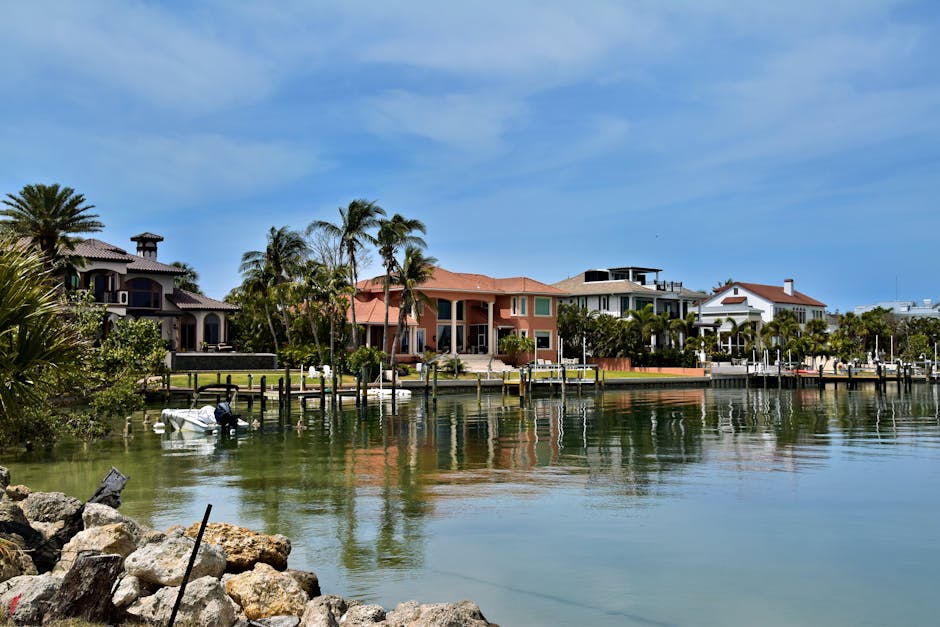
Tampa is no longer viewed through the narrow lens of a seasonal retreat or a secondary vacation market. In 2026, we are witnessing the firm establishment of the city as a primary residence hub for significant wealth. This shift is not merely anecdotal; it is supported by a consistent influx of corporate leadership and entrepreneurs who are choosing the Gulf Coast for its infrastructure, tax climate, and growing cultural density. Unlike previous cycles, the current demand is driven by those seeking long-term utility rather than speculative gains.
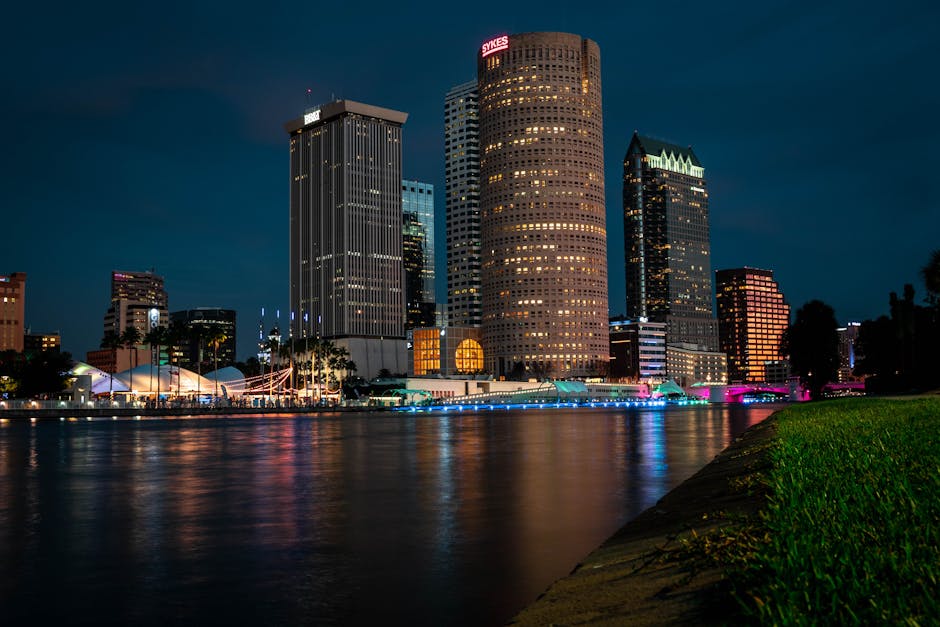
For the sophisticated buyer, this means the criteria for selection have evolved. High-end properties are now expected to function as full-time family estates, requiring dedicated office suites, advanced security protocols, and seamless integration of smart-home technology. The market has matured to meet these needs, with architecture moving away from generic Mediterranean styles toward more refined, site-specific modern and coastal contemporary designs that respect the local environment while offering global-standard amenities.
The competitive landscape has also tightened. With active luxury inventory currently holding at 120 units, the window for negotiation is narrower than in years past. Buyers are no longer just competing with other locals; they are in a global pool of investors who recognize the value of Tampa’s stable growth trajectory. Understanding the nuances of each sub-market, from the historic streets of Hyde Park to the sprawling estates of Carrollwood, is essential for identifying value before a property even hits the open market.
The Emergence of Waterfront as a Primary Asset Class
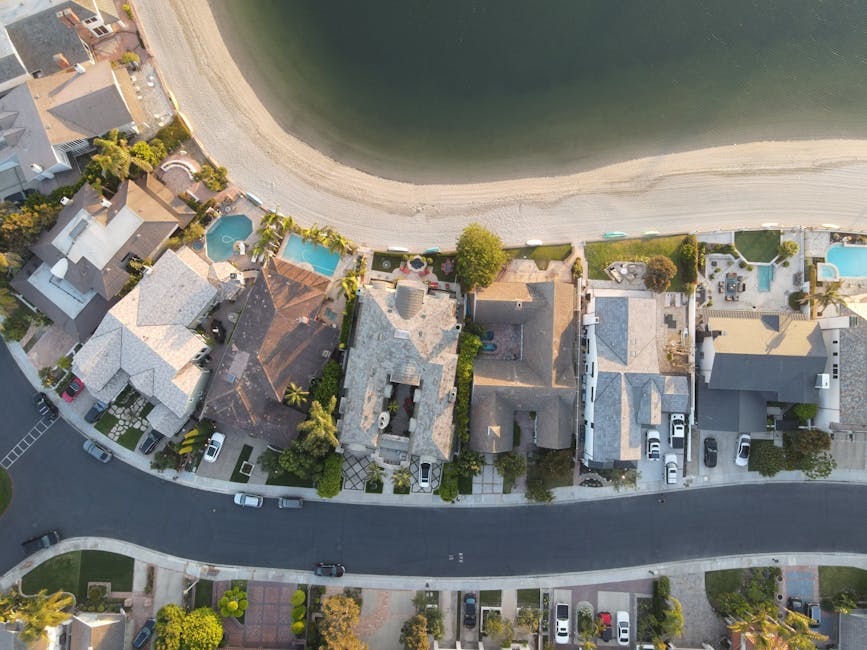
The definition of luxury in Tampa is inextricably linked to the water. Recent analysis from The National Law Review highlights how the region’s waterfront has emerged as a primary luxury real estate market, commanding significant premiums and showing remarkable resilience. Buyers are increasingly prioritizing deep-water access that can accommodate larger vessels, a trend that has led to a scarcity of suitable lots along the bay and its navigable canals.
This surge in interest has transformed areas like Davis Islands and Harbor Island into some of the most sought-after dirt in the state. The focus is shifting toward the structural integrity of these properties. Informed buyers are now conducting exhaustive due diligence on seawall conditions, riparian rights, and elevation levels. In a maturing market, the quality of the shoreline stabilization is often just as critical as the finishes inside the home. This analytical approach to waterfront acquisition is what separates the long-term resident from the transient investor.
Furthermore, the development of new luxury clusters is expanding the traditional boundaries of what constitutes a prime waterfront location. While Bayshore Boulevard remains the gold standard for visibility and prestige, we are seeing significant movement in the Westshore area and along the northern reaches of the bay. These areas offer a different profile of privacy and modern construction, often with larger footprints that allow for more expansive outdoor living spaces and multi-car collectors’ garages.
Analyzing the Early-Stage Condo Market Dynamics
While the single-family market remains robust, the condominium sector is carving out a unique niche. Industry experts often describe the local high-rise landscape as an early-stage luxury condo market compared to the saturation seen in Southeast Florida. This presents a strategic opportunity for buyers who prefer the security and convenience of vertical living but still want to capture the upside of a growing metropolitan skyline. These developments are not just providing housing; they are creating lifestyle ecosystems with five-star concierge services and private social clubs.
Developments such as Marina Pointe have set new benchmarks for what is possible in this segment, recently earning Americas Property Awards for excellence. These projects represent a shift toward integrated luxury, where residents have immediate access to deep-water marinas and curated retail experiences. The focus is on low-density living within high-rise structures, ensuring that privacy is maintained even in the heart of the city’s most active districts.
The pricing for these units often reflects their exclusivity, with many surpassing the median list price of $2,499,000 seen in the broader luxury segment. For the buyer, the decision often comes down to the trade-off between the autonomy of a detached estate and the turn-key simplicity of a serviced residence. In the current market, both paths are showing strong appreciation, but the condo market offers a specific type of social connectivity that is increasingly valued by those relocating from other major metropolitan centers.
Strategic Considerations for Luxury Acquisitions
Navigating a market where the average list price exceeds $3.2 million requires a disciplined approach to valuation. Recent high-profile sales, documented by the Tampa Bay Times, indicate that the upper tier of the market is less sensitive to interest rate fluctuations but highly sensitive to quality and location. Properties like the $3,000,000 residence on Gardner Road or the custom build on Troutwater Lane show the diversity of the current inventory, ranging from secluded inland retreats to active waterfront estates.
When evaluating these assets, it is important to look beyond the aesthetic appeal. The savvy advisor looks at the historical performance of the neighborhood and the potential for future development in the immediate vicinity. For instance, the expansion of commercial hubs or changes in zoning can significantly impact the long-term value of a residential parcel. Understanding these macro-level movements is essential for ensuring that a purchase today remains a liquid asset in the future.
- Verify riparian rights and seawall integrity for all waterfront listings before entering contract.
- Evaluate the potential impact of new commercial developments on local traffic patterns and noise levels.
- Cross-reference current list prices with historical appraisal data for the specific neighborhood.
- Confirm current flood zone designations and the projected costs of comprehensive insurance coverage.
- Review the track record and financial stability of developers for all pre-construction luxury units.
The lifestyle component also plays a major role in property value. The vibrancy of the local community, from world-class festivals to private sporting events, adds a layer of desirability that is difficult to quantify but impossible to ignore. For example, keeping an eye on the best festivals and events in Tampa provides a sense of the city’s social rhythm. This cultural pulse is a significant draw for the demographic currently fueling the luxury market.
Inventory Trends and Buyer Decision Windows
With roughly 120 luxury properties currently active, the market offers a curated selection for the discerning buyer. However, the median price point of nearly $2.5 million suggests that the entry-level for true luxury has moved significantly higher over the last 24 months. Buyers must be prepared to move decisively when a property meets their core criteria, as the most desirable assets—especially those with unique architectural provenance or prime water frontage—often move quickly behind the scenes through private networks.
We are also seeing a rise in the importance of land value. Properties such as the $2,200,000 listing on North Florida Avenue demonstrate that even outside the traditional waterfront corridors, high-quality residential and commercial land is being snatched up for its redevelopment potential. This trend indicates a broader confidence in the city’s expansion and the long-term viability of its diverse neighborhoods. Staying informed through resources like Florida Trend helps buyers stay ahead of these regional shifts.
In this environment, the role of a senior advisor is to provide the data that facilitates confident decision-making. Whether you are comparing a contemporary build in South Tampa to a historic renovation in Old Northeast, the focus should remain on the fundamentals: location, build quality, and market position. The goal is to secure a residence that not only serves as a sanctuary but also as a resilient component of a broader wealth strategy.
Finalizing Your Search in the Tampa Market
As the market continues to evolve, the distinction between a standard high-end home and a true luxury asset becomes clearer. The current inventory presents a unique cross-section of Tampa’s architectural heritage and its future-leaning developments. Success in this environment is not found in chasing trends, but in understanding the underlying data and neighborhood dynamics that drive long-term value. We recommend a focused approach that prioritizes your specific lifestyle requirements while remaining cognizant of the broader economic indicators currently shaping the Gulf Coast.
The complexity of these transactions necessitates a nuanced understanding of local behavior and market movement. To explore the current opportunities available in the region, we invite you to browse our latest curated LISTINGS URL. Once you have identified properties of interest, please CONTACT URL to schedule a private consultation. Our team is prepared to provide the analytical brief and neighborhood-level implications you need to make an informed and strategic acquisition.
Your next move in Tampa luxury
Get current inventory, pricing guidance, and private-tour support from our brokerage team.
Source highlights
- Sarasota developer proposes 300 single-family homes in Lakewood Ranch – The Business Journals
- Tampa Bay’s most expensive luxury home sales of 2025 – Tampa Bay Times
- Why Tampa remains an early-stage luxury condo market – Tampa Bay Business & Wealth
- Tampa Bay’s Waterfront Emerges as a Primary Luxury Real Estate Market – The National Law Review
- Florida Trend Real Estate – Florida Trend
- Tampa Bay's Marina Pointe Wins Three Americas Property Awards for Excellence in Luxury Waterfront Living – PR Newswire
- Things To Do In Tampa This Weekend: Best Festivals & Events Going On – That's So Tampa
- Things To Do In St Pete This Weekend: Best Festivals & Events Going On In St Petersburg – I Love the Burg



