


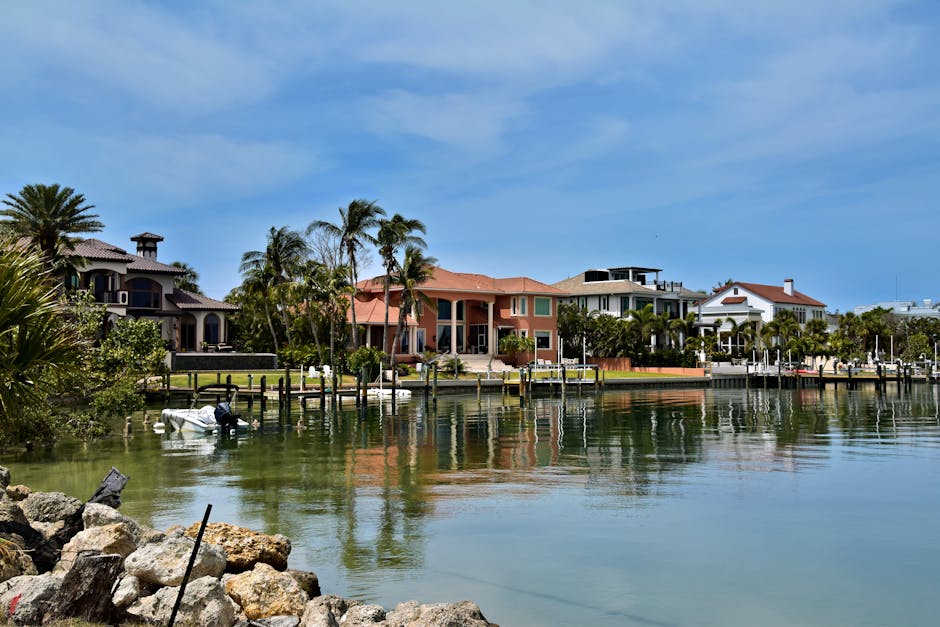
The Structural Shift Toward Primary Waterfront Living
The Tampa Bay luxury sector is currently undergoing a fundamental transformation, evolving from a destination characterized by seasonal retreats into a primary destination for high-net-worth individuals. This shift is substantiated by recent data indicating that Tampa’s waterfront has emerged as a primary luxury real estate market, rivaling established enclaves in South Florida. Buyers are increasingly prioritizing large-scale residences that accommodate year-round residency, remote executive functions, and multi-generational living, moving away from the ‘pied-à-terre’ model that dominated previous decades.
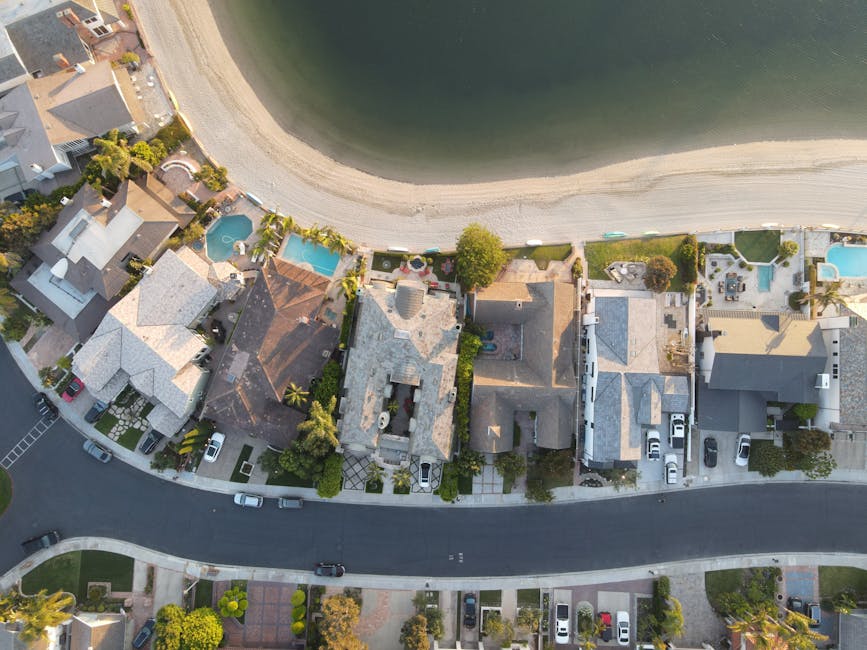
This transition is fueled by significant infrastructure investments and a burgeoning corporate ecosystem that has attracted executive talent from traditional financial hubs. The result is a more resilient market where pricing is driven by utility and long-term residency rather than speculative trading. For those evaluating the current landscape, understanding this shift is critical for assessing the long-term appreciation potential of assets in South Tampa and Davis Islands. The permanence of this migration is reflected in the sophisticated amenities now standard in high-end builds, focusing on hardened infrastructure and sustainable luxury.
Local market movement suggests that buyers are no longer willing to compromise on proximity to urban centers for the sake of water access. The demand for properties that offer both a secluded waterfront experience and immediate access to the professional and cultural nodes of downtown Tampa has reached an all-time high. This convergence of lifestyle and professional utility is the defining characteristic of the 2026 luxury market, creating a unique value proposition for early-stage investors in the region’s evolving skyline.
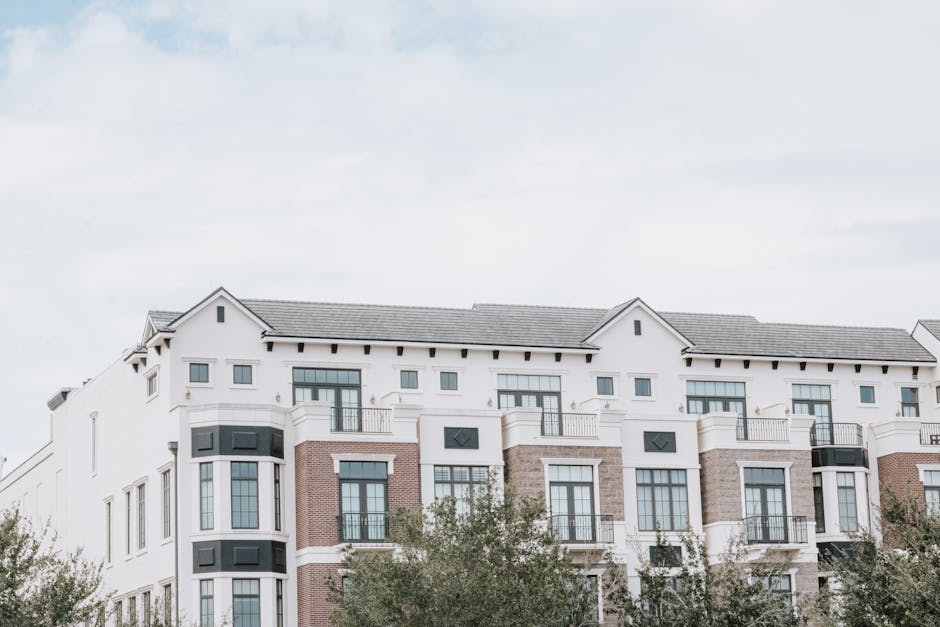
Comparing High-Rise Verticality and Low-Density Estates
As the city expands, the distinction between vertical luxury and traditional low-density estates has become more pronounced. While the traditional preference in areas like Bayshore Boulevard has been for sprawling single-family estates, a new wave of developments has clarified why Tampa remains an early-stage luxury condo market with significant runway. These high-rise assets offer a turn-key solution for the modern professional, often featuring concierge services, private elevators, and integrated wellness centers that rival world-class resorts.
Conversely, the allure of low-density estates in Davis Islands and Beach Park remains centered on privacy and land sovereignty. Buyers are currently weighing the benefits of 24/7 managed security in vertical residences against the customization and riparian rights afforded by traditional waterfront lots. Current inventory reveals a median list price of $2,500,000, but properties featuring deep-water docks or historic significance frequently command premiums far exceeding the average list price of $3,319,813. Examples such as the $3,800,000 offering on Memorial Highway illustrate the market’s appetite for properties that combine substantial acreage with navigable water access.
The choice between these two asset classes often depends on the buyer’s desired level of engagement with property maintenance and their requirement for outdoor space. Vertical residents benefit from elevated views and proximity to the growing Water Street district, while estate owners prioritize the ability to expand their footprint or host large-scale private events. Both sectors are seeing steady absorption, though the scarcity of developable waterfront land continues to provide a stronger floor for single-family values in established South Tampa neighborhoods.
Market Dynamics: Pricing Resistance and Asset Velocity
Analyzing the current Florida real estate trends shows that while some regions are seeing a plateau, the Tampa luxury segment maintains high velocity for appropriately priced assets. With an active luxury count hovering around 120 units, the market is characterized by a high degree of selectivity. Buyers are performing more rigorous due diligence, resulting in a divergence between ‘aspirational’ pricing and ‘market-supported’ valuations. This pricing resistance is healthy, as it prevents the bubble-like conditions seen in past cycles and ensures that transactions are grounded in verifiable comparables.
Properties like the $2,650,000 estate at Troutwater Lane serve as a benchmark for what savvy buyers expect in the mid-luxury tier: a combination of modern architectural integrity and thoughtful site placement. The velocity of sales in 2025 indicated that homes featuring state-of-the-art climate mitigation and smart home integration sold 30% faster than those requiring immediate cosmetic or structural updates. This preference for turn-key assets is a direct result of the increasing costs and timelines associated with premium renovations in the current economic climate.
Liquidity remains highest in the $2M to $4M range, where the pool of qualified buyers is most dense. Above the $5M threshold, marketing periods often extend as the pool of potential owners narrows to those with specific requirements for deep-water yacht storage or multi-acre privacy. However, even in this upper echelon, well-positioned assets are seeing multiple offers when they hit the market with unique architectural pedigree or rare historical significance. Investors should look at absorption rates by neighborhood to identify where inventory is most constrained.
Essential Due Diligence for Premium Bay Area Acquisitions
Acquiring a high-value asset in the Tampa market requires a sophisticated approach to due diligence that goes beyond the standard home inspection. Riparian rights, coastal construction control lines, and evolving elevation requirements are factors that can significantly impact the long-term utility and value of a property. A professional advisor should facilitate a comprehensive review of all environmental and regulatory constraints before a commitment is made. This is especially true for buyers looking at older estates that may require substantial hardening to meet modern insurance standards.
Evaluating Tampa luxury listings effectively involves comparing not just the visible finishes, but the ‘invisible’ infrastructure that ensures the property’s resilience. This includes looking at seawall integrity, drainage systems, and the quality of the building envelope. In a region where tropical weather is a consideration, the investment in impact-rated windows and backup power systems is no longer optional—it is a baseline expectation for any asset in the multi-million dollar range.
- Verify riparian rights and setback limitations for new construction or major dock renovations.
- Assess the elevation certificate and historical flood data beyond the minimum standard requirements.
- Evaluate the proximity to private aviation hubs like Peter O. Knight for executive travel efficiency.
- Review recent comparable sales for non-standard amenities such as deep-water moorings or hardened safe rooms.
- Analyze current HOA or master association reserve studies for emerging high-rise developments in the downtown core.
- Confirm the age and condition of seawalls and any existing boat lift infrastructure.
Ultimately, the goal of this due diligence is to ensure the asset aligns with the buyer’s risk tolerance and intended holding period. A thorough investigation into the future development plans for adjacent properties is also recommended, as the rapidly changing skyline can impact views and privacy. Engaging with a team that understands these local nuances is the most effective way to protect a significant capital allocation in the luxury residential sector.
Neighborhood Node Analysis: South Tampa and Beyond
South Tampa remains the epicenter of the local luxury market, but the nodes of interest are expanding. Davis Islands continues to attract the highest-profile buyers due to its unique combination of airport access, private yacht clubs, and proximity to downtown. However, we are seeing increased interest in Westshore and the areas surrounding the Water Street development, where urban density is being paired with high-end residential offerings. This expansion is creating new opportunities for buyers who prioritize walkability and urban engagement over the traditional seclusion of suburban estates.
The impact of Water Street on surrounding property values cannot be overstated. By creating a world-class live-work-play environment, it has raised the baseline for what luxury looks like in the city. Nearby neighborhoods like Harbour Island and Channelside are benefiting from this halo effect, with luxury condo values seeing significant appreciation as the district nears completion. For buyers, this means looking at properties not just in isolation, but as part of an integrated urban node that provides access to premium dining, retail, and professional services.
Meanwhile, established enclaves like Culbreath Isles and Beach Park continue to offer the traditional ‘Old Tampa’ feel, with mature landscaping and large lot sizes that are increasingly rare. These areas provide a stable store of value for those seeking a legacy property. The market movement here is more deliberate, with fewer transactions but higher average price points. Analyzing the historical performance of these neighborhoods provides a clear picture of why they remain the gold standard for luxury residential investment in the region.
The Psychology of the Modern Tampa Luxury Buyer
The modern luxury buyer in Tampa is more informed and more analytical than at any point in history. The demand for ‘status assets’ is being replaced by a focus on ‘utility assets’—homes that improve the quality of daily life through better air filtration, soundproofing, and integrated wellness technology. This shift is evident in the most expensive luxury home sales of 2025, where the highest premiums were paid for properties that offered a seamless blend of technology and nature.
Furthermore, the expectation for concierge-level service has permeated the residential market. Whether it is a high-rise with a 24-hour doorman or a private estate with a managed property team, buyers are seeking to ‘buy back’ their time. This psychological shift towards convenience is driving the popularity of newer developments that offer on-site maintenance and management services. The property is no longer just a place to live; it is a platform that supports a highly mobile and efficient lifestyle.
Design trends are also reflecting this new psychology, with a move toward ‘warm modernism’—using natural materials like limestone, white oak, and integrated greenery to create environments that feel grounded and calm. This is a departure from the stark, cold minimalism of the previous decade. Buyers are looking for homes that act as a sanctuary from the digital world, prioritizing acoustic privacy and visual connections to water or nature. Understanding these nuances is key to identifying properties that will remain desirable in the years to come.
Strategic Timing and Execution for Real Estate Portfolios
Strategic timing in the Tampa market now requires looking beyond seasonal fluctuations. While the spring market traditionally sees the highest volume of listings, the influx of primary residents has smoothed out the demand curve throughout the year. For sellers, this means that high-quality assets can be successfully brought to market at any time, provided the marketing strategy is targeted toward the right demographic. For buyers, it requires a constant state of readiness, as the most desirable properties often sell before reaching the public market.
Successful execution in this environment depends on having a clear set of criteria and a trusted advisor who can provide access to off-market opportunities. The current inventory of 120 luxury units is only a fraction of the total market, and many of the most significant transactions happen quietly. By maintaining a deep understanding of local market mechanics and pricing trends, buyers can move with confidence when the right asset becomes available. Monitoring the median list price of $2,500,000 provides a baseline, but the true value is often found in the unique attributes that cannot be replicated.
As you evaluate your next move in the Tampa luxury sector, prioritize assets that offer long-term utility and structural resilience. The transition of this city into a primary waterfront power is still in its early stages, providing a compelling window for those looking to build a significant residential portfolio in Florida. To explore the current inventory or to discuss a specific acquisition strategy, we invite you to browse our curated luxury listings and contact a senior advisor for a confidential consultation tailored to your specific investment objectives.
Your next move in Tampa luxury
Get current inventory, pricing guidance, and private-tour support from our brokerage team.
Source highlights
- Sarasota developer proposes 300 single-family homes in Lakewood Ranch – The Business Journals
- Tampa Bay’s most expensive luxury home sales of 2025 – Tampa Bay Times
- Why Tampa remains an early-stage luxury condo market – Tampa Bay Business & Wealth
- Tampa Bay’s Waterfront Emerges as a Primary Luxury Real Estate Market – The National Law Review
- Florida Trend Real Estate – Florida Trend
- New Signature Real Estate Team Emerges Across Tampa Bay: The Nick Janovsky Group Launches with Premier Sotheby’s International Realty – citybiz
- Things To Do In Tampa This Weekend: Best Festivals & Events Going On – That's So Tampa
- Things To Do In St Pete This Weekend: Best Festivals & Events Going On In St Petersburg – I Love the Burg



