


The Shift Toward Primary Residence Utility
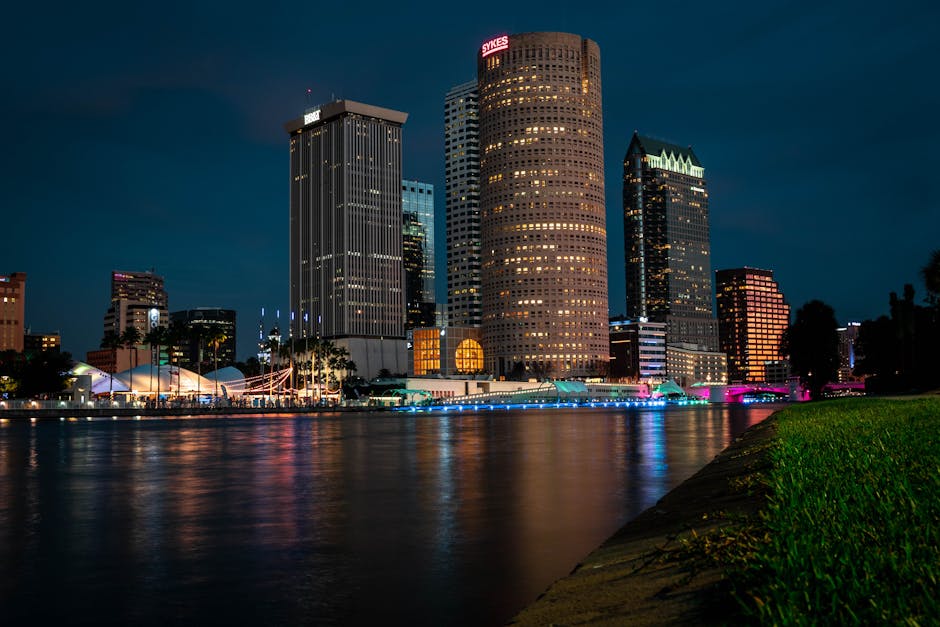
The Tampa luxury market has undergone a fundamental transition from a seasonal secondary market to a prioritized primary residence destination. This evolution is driven by significant infrastructure investments and a notable migration of executive leadership from traditional financial hubs. Historically, high-end acquisitions in the region were often evaluated through the lens of vacation utility or tax mitigation. However, current buyer behavior indicates a shift toward long-term lifestyle integration, where property specifications must meet the demands of year-round occupancy rather than transient visits. This structural change is evident in the increased demand for integrated home offices, advanced climate-control systems, and substantial square footage that rivals primary estates in the Northeast.
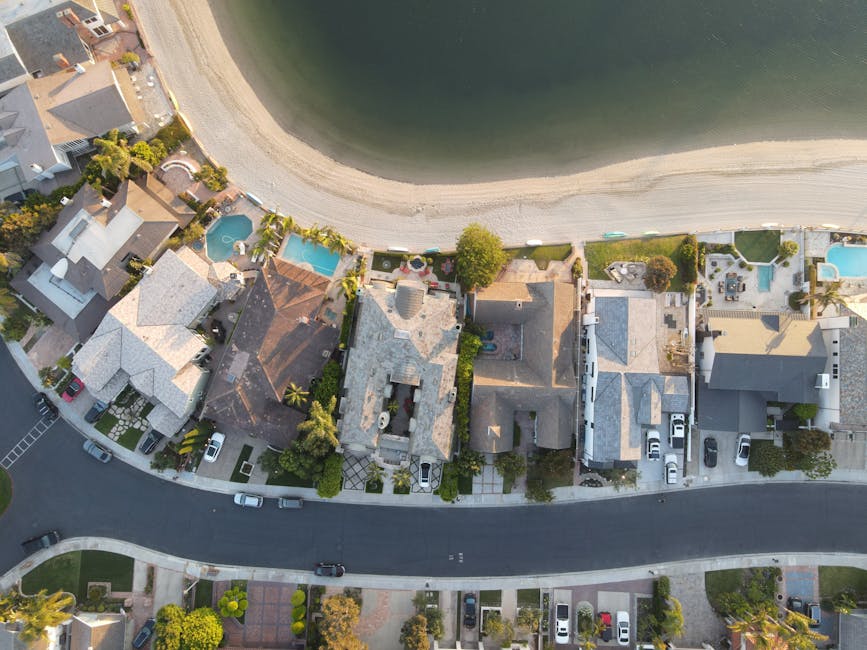
As noted by The National Law Review, Tampa Bay’s waterfront has emerged as a primary luxury real estate market, signaling that the region is now a competitive alternative to established international metros. For the private investor, this means that resale value is increasingly tied to functional longevity and neighborhood stability rather than just proximity to the water. When evaluating a site, one must consider how the surrounding community supports a permanent residency, including the quality of private education, the proximity of professional services, and the maturity of local dining and cultural circuits. The acquisition of a primary residence in Tampa requires a deeper analysis of the local ecosystem than a standard investment property would demand.
Current inventory levels reflect this permanence. With approximately 120 active luxury listings and a median list price of $2,499,000, the market remains selective but active. Properties like the $2,650,000 residence on Troutwater Lane exemplify the type of suburban privacy that primary residents are seeking. These buyers are not just looking for a view; they are looking for a secure environment where they can manage their global interests from a coastal base. The demand for modern, high-grade construction that can withstand the subtropical environment is at an all-time high, prompting many to look toward new developments in areas like Beach Park and Palma Ceia.

Neighborhood Dynamics and Micro-Market Movement
Understanding the micro-markets of Tampa is essential for any high-net-worth individual. Davis Islands remains a flagship for those prioritizing privacy and proximity to the city core, while Beach Park offers a more traditional, canopy-lined suburban feel with expansive lot sizes. Buyer behavior in these areas has become more analytical, with a focus on lot elevation, seawall integrity, and modern architectural standards. We are seeing a distinct preference for ‘turn-key’ properties that utilize high-performance glass and reinforced structures, reducing the immediate need for post-acquisition renovations. This premium on quality is reflected in the average list price, which currently exceeds $3.2 million, indicating a significant concentration of value at the top end of the market.
South Tampa continues to serve as the epicenter of luxury activity, particularly along the Bayshore Boulevard corridor. Here, the competition for historic estate lots and modern architectural masterpieces is fierce. Investors should monitor the movement of high-profile teams, such as the Nick Janovsky Group, which signals a broadening of the luxury service landscape across the Bay. This expansion suggests that the definition of ‘prime’ location is shifting to include emerging enclaves that offer similar amenities to Davis Islands but with greater land availability. Areas like Westshore Yacht Club and the newer developments in Water Street are redefining urban luxury, blending high-end residential utility with immediate access to world-class entertainment and business hubs.
Assessing a property in these neighborhoods requires an understanding of local zoning and future development plans. For instance, the rise of multi-use developments in the downtown core has increased the value of adjacent residential pockets by providing a concentrated hub for high-end retail and social events. Buyers are increasingly interested in how the city’s growth, including major festivals and high-traffic weekends, affects the accessibility and peace of their potential homes. Evaluating the impact of local events, such as the festivals in downtown Tampa, provides insight into the logistical reality of living in a rapidly growing metropolitan area. A sophisticated buyer assesses not just the house, but the 24-month trajectory of the immediate surrounding blocks.
Evaluating Structural Integrity and Environmental Resilience
In Florida’s coastal environment, structural integrity is the most critical variable in long-term asset protection. Luxury buyers are increasingly prioritizing newer builds or comprehensive retrofits that meet the latest building codes. This includes the use of impact-resistant glazing, elevated finish floor heights, and robust roofing systems. A property like the $3,000,000 estate on Gardner Road provides a benchmark for the level of craftsmanship required to sustain value in the local climate. When comparing properties, one should analyze the age of the mechanical systems and the presence of smart-home integration, which has moved from a luxury addition to a baseline expectation for management and security.
Environmental resilience is not merely about surviving storms; it is about the long-term maintenance costs and insurance premiums associated with coastal living. Buyers are advised to consult Florida Trend for broader economic indicators that affect real estate standards across the state. The analytical buyer will request detailed records of past mitigation efforts and local drainage improvements. As the market matures, the delta between ‘builder grade’ and ‘custom luxury’ becomes more pronounced, with custom homes retaining a significantly higher percentage of their initial cost through superior material choices and architectural foresight.
Furthermore, the sourcing of materials and the reputation of the developer play a significant role in the valuation process. With major developers proposing hundreds of single-family homes in adjacent areas like Lakewood Ranch, the competition for high-end contractors and materials is a factor in timelines for any planned renovations. Investors must weigh the benefits of purchasing a completed masterpiece against the complexities of a new build in a market where quality labor is at a premium. The goal is to identify properties that offer a balance of aesthetic excellence and engineering redundancy, ensuring the asset remains liquid and desirable for the next generation of buyers.
Due Diligence Checklist for High-Net-Worth Acquisitions
Navigating a luxury acquisition requires a systematic approach to due diligence that goes beyond the standard home inspection. The following checklist identifies the critical pillars of a sophisticated real estate assessment in the Tampa market:
- Verification of seawall and dock age, including recent engineering reports for waterfront sites.
- Assessment of FEMA elevation certificates and the resulting impact on long-term insurance overhead.
- Evaluation of smart-home infrastructure, specifically focusing on security redundancy and remote management capabilities.
- Analysis of surrounding neighborhood development plans to identify potential view obstructions or zoning changes.
- Review of property tax assessments and the historical trajectory of local municipal improvements.
Each of these points represents a significant financial or lifestyle variable. For example, a failing seawall can represent a six-figure liability that may not be immediately apparent to an unseasoned buyer. Similarly, understanding the future of the skyline in areas like Water Street is crucial for those purchasing high-rise assets. A senior advisor will ensure that each of these items is addressed before a commitment is made, protecting the buyer’s capital and peace of mind.
The Evolution of the Vertical Luxury Market
While single-family estates remain the primary focus for many, Tampa’s luxury condo market is entering a new phase of maturity. For years, the region was characterized by older mid-rise buildings, but the current wave of high-rise development is introducing a level of service and amenity previously reserved for Miami or New York. This ‘early-stage’ condo market, as described by Tampa Bay Business & Wealth, offers a unique window for buyers seeking the convenience of a managed residence without the responsibilities of a sprawling estate. These units are increasingly serving as primary residences for downsizing executives and global travelers.
The appeal of vertical luxury in Tampa lies in the integration of lifestyle and security. Modern towers are incorporating private elevators, expansive terraces with outdoor kitchens, and 24-hour concierge services that cater to the specific needs of a high-net-worth clientele. However, the decision to move from a single-family home to a condo requires a careful evaluation of the building’s financial health and the long-term viability of its amenity package. Buyers must compare the price per square foot of these new developments against the traditional benchmarks set by South Tampa estates, such as the properties found along Florida Avenue which often trade at competitive price points for significantly more privacy.
As the city’s skyline continues to change, the distinction between ‘luxury’ and ‘ultra-luxury’ becomes clearer. The ultra-luxury tier is defined by its exclusivity and the quality of its common spaces. For those considering this path, it is essential to monitor the absorption rates of these new units and the profiles of the residents they are attracting. A building with a high percentage of owner-occupants typically maintains its value better than one dominated by investment-only units. This data-driven approach allows buyers to make informed decisions about which vertical communities align with their long-term stability goals.
Market Velocity and Long-Term Value Drivers
The velocity of the Tampa luxury market is currently characterized by a ‘flight to quality.’ While the volume of sales may fluctuate with broader economic cycles, the demand for truly exceptional properties—those that combine a premier location with flawless execution—remains consistent. Data from Tampa Bay Times regarding the most expensive sales of recent years highlights that the top of the market is less sensitive to interest rate movements and more focused on asset rarity. For the private advisor, the task is to identify these ‘legacy’ properties before they reach the open market or to recognize the latent value in sites that are currently undervalued relative to their neighborhood peers.
Long-term value in Tampa is intrinsically linked to the city’s ability to attract and retain high-level talent and industry. The ongoing revitalization of the waterfront, the expansion of the international airport, and the growth of the medical and technology sectors all serve as tailwinds for the real estate market. When assessing a potential purchase, one must look at the 5-year and 10-year horizon for the region. Is the neighborhood improving? Are the city’s infrastructure projects supporting or hindering access? These are the questions that define a successful acquisition. The current inventory of 120 luxury homes offers a diverse range of options, but only a fraction will meet the stringent criteria of a sophisticated buyer focused on long-term appreciation.
Ultimately, the decision to acquire high-value real estate in Tampa should be based on a combination of analytical rigor and local insight. The region offers a unique blend of coastal charm and metropolitan growth that is difficult to replicate elsewhere in the Southeast. By focusing on primary residence utility, structural integrity, and neighborhood-level dynamics, buyers can secure an asset that serves as both a sanctuary and a sound financial instrument. As the market continues to evolve, the importance of professional guidance and thorough due diligence cannot be overstated. The opportunities are significant for those who approach the market with a disciplined and informed perspective.
Navigating the complexities of the Tampa luxury market requires a partner who understands the nuances of neighborhood-level movement and the technical requirements of coastal property management. To view the current selection of available estates and high-rise residences, please explore our curated LISTINGS URL. For a private consultation regarding your acquisition strategy or to discuss the specific merits of a property you are considering, we invite you to CONTACT URL an advisor today. Our focus is on providing the data and local context necessary for you to make a confident and informed decision in this competitive landscape.
Your next move in Tampa luxury
Get current inventory, pricing guidance, and private-tour support from our brokerage team.
Source highlights
- Sarasota developer proposes 300 single-family homes in Lakewood Ranch – The Business Journals
- Tampa Bay’s most expensive luxury home sales of 2025 – Tampa Bay Times
- Why Tampa remains an early-stage luxury condo market – Tampa Bay Business & Wealth
- Tampa Bay’s Waterfront Emerges as a Primary Luxury Real Estate Market – The National Law Review
- Florida Trend Real Estate – Florida Trend
- New Signature Real Estate Team Emerges Across Tampa Bay: The Nick Janovsky Group Launches with Premier Sotheby’s International Realty – citybiz
- Things To Do In Tampa This Weekend: Best Festivals & Events Going On – That's So Tampa
- Things To Do In St Pete This Weekend: Best Festivals & Events Going On In St Petersburg – I Love the Burg



