


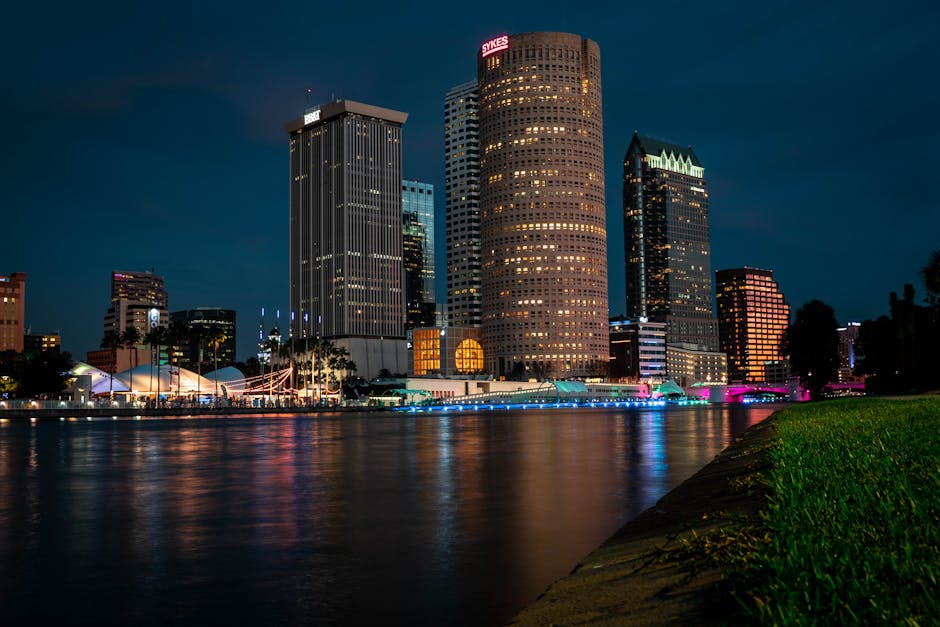
The Institutionalization of Tampa Real Estate
The Tampa Bay luxury corridor is no longer characterized by seasonal volatility or speculative flipping. Instead, the region has transitioned into an institutional-grade investment capital, evidenced by a staggering $675 million surge in high-end capital inflow. For the sophisticated buyer, this represents a fundamental shift in the market’s composition. What was once a collection of quiet waterfront neighborhoods is now a primary destination for permanent relocation by high-net-worth individuals and corporate leadership. This movement is driven by a unique confluence of tax advantages, infrastructure development, and a standard of living that competitive Florida markets struggle to match.
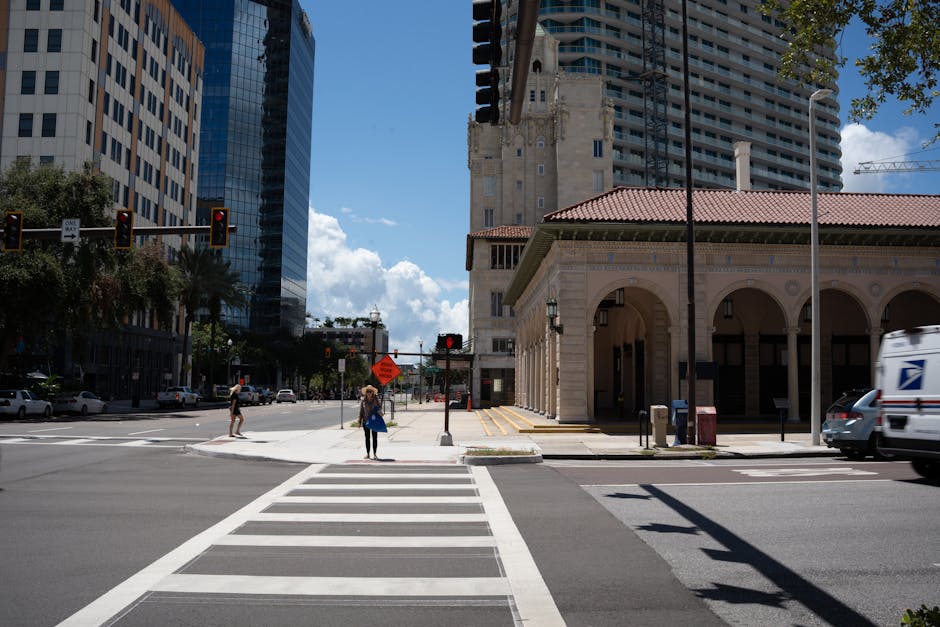
This institutionalization is visible in the caliber of recent transactions. Buyers are prioritizing longevity over short-term appreciation, seeking out properties that offer structural resilience and architectural permanence. The market is moving away from generic Mediterranean-style builds toward modern, sustainable designs that emphasize indoor-outdoor fluidity. This change is not merely aesthetic; it reflects a broader shift in buyer behavior where the home is viewed as a primary asset in a diversified portfolio. As more corporate headquarters establish a presence in the Westshore and Downtown districts, the demand for proximity to these hubs has compressed inventory in exclusive pockets like Culbreath Isles and Beach Park.
Understanding the current trajectory requires looking beyond simple price-per-square-foot metrics. Analysts now monitor the velocity of high-end permits and the arrival of international luxury brands as leading indicators of market maturity. The presence of sophisticated capital suggests that the current pricing levels are supported by fundamental demand rather than artificial scarcity. For those navigating this space, the objective is to identify assets that will maintain liquidity as the market continues to evolve. Credible guidance now dictates a focus on site-specific attributes that cannot be replicated, such as deep-water access and unobstructed bay views.
Analyzing the Waterfront Hegemony
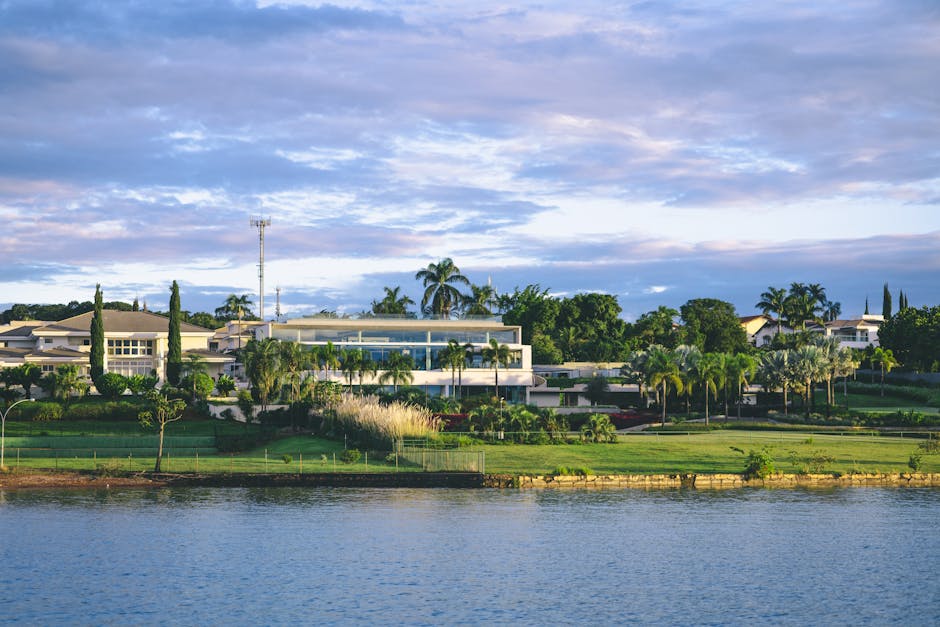
Waterfront assets remain the primary driver of value within the Tampa luxury ecosystem. The region has recently emerged as a primary luxury real estate market, particularly along the shores of Old Hillsborough Bay and the Gulf-access canals of Davis Islands. In these areas, the distinction between a standard luxury home and a trophy asset is often determined by the linear feet of water frontage and the integrity of the sea wall. Buyers are increasingly discerning regarding riparian rights and the ability to accommodate larger vessels, which has led to a premium on properties with pre-existing dockage permits.
The exclusivity of these waterfront enclaves is reinforced by limited geographic availability. Areas like Harbor Island and the South Tampa peninsula offer a finite amount of shoreline, ensuring that demand consistently outpaces supply. This scarcity is reflected in the pricing of recent acquisitions, where land value often constitutes more than fifty percent of the total purchase price. For the advisor, the focus is on verifying the environmental stability of the site. High-end buyers now perform extensive due diligence on elevation levels and drainage systems, prioritizing properties that exceed current building codes for flood resilience.
Lifestyle integration on the water has also evolved. The modern waterfront estate is expected to serve as a private resort, featuring tiered outdoor living spaces, infinity-edge pools, and smart-home integrated security. There is a growing preference for ‘clean’ water views over canal-frontage, leading to significant price disparities between the two. As the city continues to host major events—from the influx of visitors during high-profile concert weekends to local festivals—the value of a private, secure waterfront retreat becomes even more pronounced. Discretion and privacy have become as essential as the view itself, directing buyers toward gated compounds and high-walled estates.
The Strategic Shift Toward Vertical Assets
While sprawling estates define South Tampa, a new frontier of luxury is ascending in the form of high-rise developments. Tampa remains an early-stage luxury condo market, offering a unique window for investors and residents to secure positions in projects that will redefine the skyline. In Downtown St. Petersburg and the Water Street district of Tampa, the definition of a luxury condo is shifting from a simple high-floor residence to a comprehensive lifestyle ecosystem. These developments provide amenities that were previously unavailable in the Florida market, including private car services, 24-hour concierge, and curated wellness centers.
This shift toward vertical living is largely driven by a desire for ‘lock-and-leave’ convenience without sacrificing the scale of a traditional home. Many of the new penthouses and sub-penthouses offer floor plans exceeding four thousand square feet, rivaling the living space of single-family residences in Hyde Park or Palma Ceia. The appeal lies in the mitigation of maintenance responsibilities and the enhancement of security. For the buyer who splits time between several global hubs, the ability to secure a residence with a single phone call is a significant value proposition. The focus here is on the reputation of the developer and the exclusivity of the building’s resident list.
Furthermore, the evolution of these vertical assets is influencing the surrounding urban fabric. We are seeing a concentration of fine dining, luxury retail, and cultural institutions gravitating toward these residential towers. This creates a feedback loop that sustains high valuations. As the city manages traffic and density during peak periods—such as the heavy activity in early December and major weekend festivals—vertical residents benefit from being within walking distance of the city’s premier offerings. For the advisor, the task is to analyze the long-term utility of the building’s common areas and the sustainability of the HOA structure.
Essential Acquisition Checklist
Navigating a market with a median list price of $2,500,000 requires a methodical approach to due diligence. High-end acquisitions in the Tampa area involve complexities that are often absent in standard residential transactions. To ensure a sound investment, buyers must look beyond the cosmetic finishings and evaluate the structural and legal framework of the property. The following checklist outlines the critical components of a sophisticated real estate assessment in this region.
- Verification of current sea wall structural integrity and remaining life expectancy.
- Assessment of base flood elevation (BFE) relative to the newest FEMA maps.
- Audit of riparian rights and existing dockage permits for compatibility with deep-draft vessels.
- Analysis of property tax assessments following recent significant sales in the immediate vicinity.
- Review of historical drainage performance during heavy tropical weather cycles.
- Confirmation of impact-rated glazing and roof-to-foundation structural ties.
Adherence to this checklist mitigates the risk of unforeseen capital expenditures. In a market where the average list price exceeds $3,200,000, the cost of remediation for environmental or structural oversights can be substantial. Proactive verification allows for a more confident negotiation position and ensures that the asset aligns with long-term wealth preservation goals. For those looking to secure a foothold in this competitive environment, the current inventory of luxury homes for sale offers a diverse range of opportunities that meet these stringent criteria.
Understanding Sub-Market Disparities
While ‘Tampa’ is the broad designation, the luxury market is composed of distinct sub-markets, each with its own valuation drivers and buyer profiles. South Tampa remains the anchor for traditional prestige, but even within this area, the nuances are significant. Beach Park, for instance, is favored for its larger lot sizes and canopy-lined streets, offering a sense of seclusion that is difficult to find in more densely populated waterfront areas. Conversely, Culbreath Isles is the definitive choice for those prioritizing 24-hour guarded security and immediate deep-water access. These distinctions impact liquidity; a home in one pocket may sell in days, while a similar property a mile away may require a more patient approach.
Hyde Park and Palma Ceia cater to a different demographic, one that prioritizes historic character and walkability. The value in these neighborhoods is often tied to the preservation of architectural details and proximity to the Bayshore Boulevard linear park. Here, the ‘luxury’ designation is less about acreage and more about the refinement of the interior finishes and the prestige of the address. The market in these areas is exceptionally tight, with generational homes rarely reaching the open market. Buyers often rely on private networks and off-market intelligence to secure properties in these highly sought-after corridors.
Beyond the peninsula, newer luxury developments are emerging that offer modern infrastructure and expansive floor plans. These areas are attracting buyers who may be priced out of the prime waterfront but still require the amenities of a high-end estate. As an advisor, the goal is to match the buyer’s lifestyle requirements with the specific growth trajectory of each neighborhood. For instance, an area that is currently undervalued but scheduled for significant infrastructure improvements may offer better long-term appreciation than a fully mature market. To discuss which neighborhood aligns with your specific goals, you may contact an advisor for a confidential consultation.
Inventory Realities and Pricing Thresholds
The current market snapshot reveals a highly curated inventory of approximately 120 active luxury listings. With a median list price of $2,500,000 and an average reaching toward $3,300,000, the entry point for true luxury has moved decisively upward. This inventory includes significant estates like those on Troutwater Lane and Gardner Road, representing the upper echelon of residential design. The limited number of listings creates a competitive environment where well-priced, high-quality assets are absorbed rapidly. Buyers must be prepared to act with precision, supported by clear financial structures and a thorough understanding of local market value.
Pricing thresholds are increasingly defined by the level of ‘completion’ a home offers. There is a marked premium for turn-key properties that require no immediate renovation. In an environment where construction costs and lead times remain elevated, a fully realized estate is a high-value commodity. We are seeing a widening gap between properties that are ‘market-ready’ and those that require significant capital infusion. This disparity is a key area of focus for the advisor, as it dictates the negotiation strategy and the eventual return on investment. The ability to identify undervalued properties with strong ‘bones’ remains a critical skill for the sophisticated investor.
Furthermore, the absorption rate for properties exceeding the $5,000,000 mark has shown remarkable resilience. This segment of the market is less sensitive to interest rate fluctuations and more influenced by global wealth movement and local economic expansion. As the city continues to attract attention from the definition of luxury shifts toward more comprehensive service models, the top end of the market is expected to remain robust. Analyzing the composition of these 120 listings reveals a market that is healthy, diversified, and positioned for sustained growth through 2026 and beyond.
Navigating Growth Trajectories and Future Liquidity
The long-term outlook for the Tampa luxury market is underpinned by the city’s commitment to large-scale infrastructure and urban renewal. Projects like the $675 million investment surge are not isolated events; they are part of a broader master plan to elevate the region’s global standing. For the luxury property owner, this means that liquidity is supported by a continuous influx of new wealth and a decreasing supply of prime land. The properties that set price records in 2025 are establishing the new floor for 2026 valuations. Understanding these benchmarks is essential for both buyers looking to enter the market and sellers aiming to optimize their exit strategy.
Future liquidity will also be influenced by the city’s ability to maintain its unique character while accommodating growth. The preservation of the historic South Tampa canopy, the expansion of the Riverwalk, and the enhancement of the downtown arts district all contribute to the area’s enduring appeal. Buyers are not just purchasing a structure; they are acquiring a position within a lifestyle that is increasingly rare. As regional traffic patterns evolve, homes that offer ease of access to the city’s core while maintaining private residential tranquility will command the highest premiums. Strategic acquisition today requires a forward-looking perspective on how the city will function ten years from now.
Selecting a primary residence or a high-value investment in this environment requires more than a simple search; it demands a strategic partnership with an advisor who understands the underlying mechanics of the market. The transition from interest to acquisition is a process of filtering through data, verifying physical assets, and executing with confidence. Whether you are seeking a deep-water estate on Davis Islands or a sophisticated vertical residence in the urban core, the current market offers exceptional opportunities for the informed buyer. We invite you to browse our curated luxury listings and connect with an advisor to discuss your specific requirements and begin your next acquisition with the advantage of expert local insight.
Your next move in Tampa luxury
Get current inventory, pricing guidance, and private-tour support from our brokerage team.
Source highlights
- Tampa Bay’s most expensive luxury home sales of 2025 – Tampa Bay Times
- Downtown St. Pete's definition of luxury condos shifts as the city evolves – The Business Journals
- Why Tampa remains an early-stage luxury condo market – Tampa Bay Business & Wealth
- Tampa Bay’s Waterfront Emerges as a Primary Luxury Real Estate Market – The National Law Review
- New Signature Real Estate Team Emerges Across Tampa Bay: The Nick Janovsky Group Launches with Premier Sotheby’s International Realty – citybiz
- Inside Tampa’s $675 Million Surge: How the City Became Florida’s New Luxury Investment Capital – hauteresidence.com
- Tampa officials expect heavy traffic, tens of thousands of visitors over a packed K-Pop weekend – wtsp.com
- From Blues to BBQ: Tampa’s can’t-miss events this weekend – WMNF 88.5 FM



