


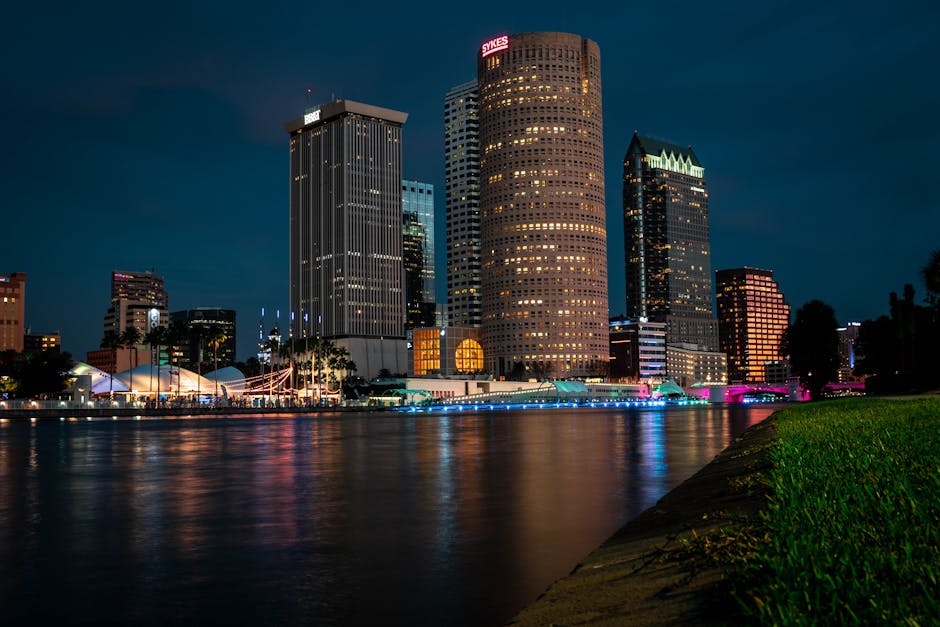
The Evolution of Tampa’s Waterfront Identity
Tampa’s luxury real estate market has undergone a significant structural transformation over the last several years. Historically viewed as a secondary market for seasonal residents, the region has matured into a primary destination for high-net-worth individuals seeking permanent relocation. This shift is most visible along the waterfront corridors where traditional single-family estates are now competing with highly sophisticated vertical residences. The demand for primary waterfront property has reached a new threshold, driven by corporate relocations and a fundamental desire for walkable, high-amenity environments.
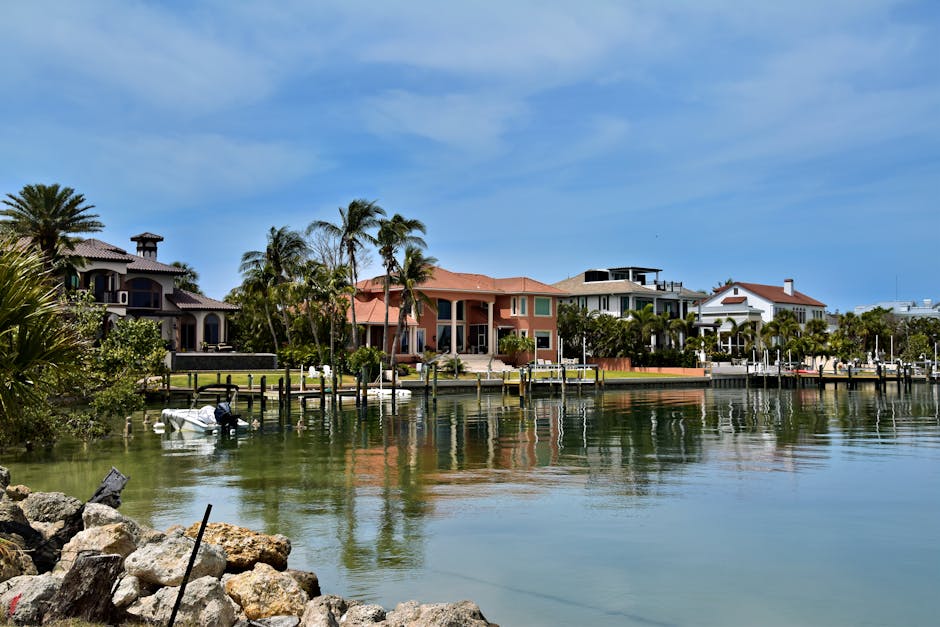
Current inventory levels reflect this concentration of wealth, with a median list price in the luxury segment holding steady at approximately $2,500,000. Unlike previous cycles, the current buyer profile is less sensitive to interest rate fluctuations and more focused on long-term asset preservation. According to analysis from the National Law Review, Tampa Bay’s waterfront has emerged as a primary luxury real estate market, signaling a shift in how institutional and private capital views the region’s stability. This transition is not merely about aesthetics; it is about the maturation of the local economy and its ability to support sustained high-end valuations.
For the sophisticated buyer, understanding this evolution is critical. We are seeing a move away from the speculative ‘fix-and-flip’ mentality toward a more disciplined ‘buy-and-hold’ strategy. Neighborhoods like Davis Islands and the Bayshore Boulevard corridor remain the gold standard for those seeking privacy without sacrificing proximity to the urban core. The average list price of $3,281,447 across top-tier listings highlights the premium being placed on move-in-ready, architecturally significant properties that offer immediate utility as a primary residence.
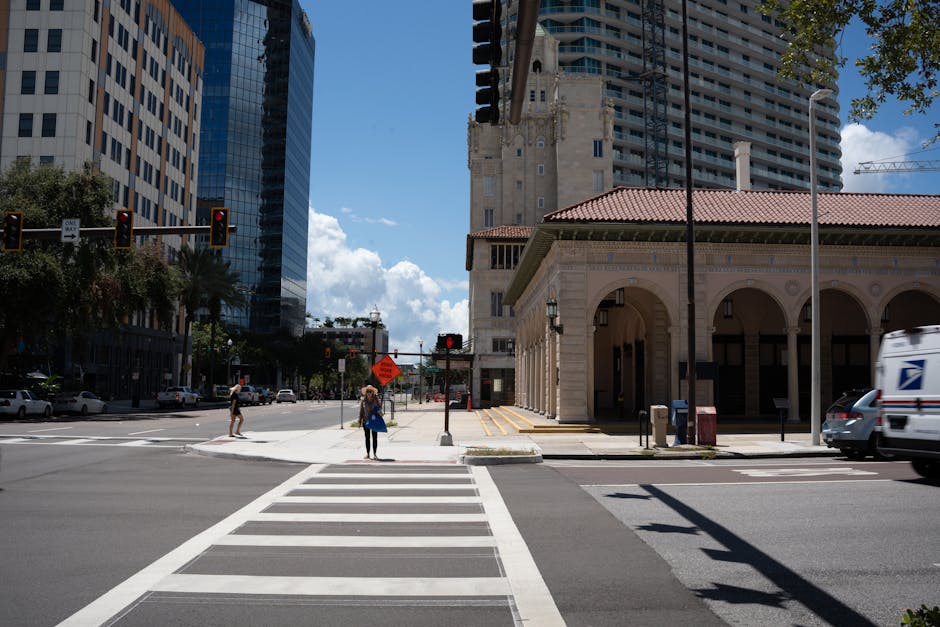
Analyzing the Pivot Toward Luxury Vertical Living
The traditional preference for sprawling coastal estates is being challenged by the rise of luxury condominiums in Downtown Tampa and across the bridge in St. Petersburg. These developments are not just providing housing; they are redefining the expectations for high-end living through integrated wellness centers, private culinary services, and concierge-level management. This trend is particularly evident in how St. Pete’s definition of luxury condos shifts as the urban landscape matures. Buyers are increasingly willing to trade square footage for high-density luxury that offers a turn-key lifestyle.
Tampa remains an early-stage luxury condo market compared to South Florida, which presents a unique window for valuation growth. Industry reports from Tampa Bay Business & Wealth highlight that while the inventory is growing, the demand for ultra-luxury units with panoramic views of Hillsborough Bay continues to outpace supply. This imbalance is maintaining pricing power for developers and resale owners alike, particularly for units that feature bespoke finishes and extensive outdoor terraces. The appeal of being within walking distance to the Water Street district or the Riverwalk is a primary driver for this segment.
When comparing high-rise living to single-family homes, the decision often hinges on the desired level of management. Vertical estates offer a layer of security and maintenance-free living that appeals to global citizens who may split their time between multiple cities. However, the scarcity of available land for new waterfront towers ensures that these assets will likely retain their value even as broader market conditions fluctuate. Verification of HOA health, reserve studies, and pending assessments is a mandatory step in any condo acquisition in the current climate.
Valuation Drivers in High-Demand Tampa Neighborhoods
Pricing in the Tampa luxury sector is increasingly granular, with specific blocks and street-level attributes dictating significant premiums. In South Tampa, the value of a property is often determined by its proximity to top-tier schools and the historical charm of the surrounding canopy. On Davis Islands, the availability of deep-water docks is the ultimate value driver, often adding a seven-figure premium to the land value alone. Recent benchmarks, such as properties on Troutwater Lane listing near $2,650,000, demonstrate that even non-waterfront homes in these elite enclaves are holding their ground based on neighborhood prestige.
Market movement in 2025 and early 2026 has shown that buyers are prioritizing newer construction or comprehensively renovated homes. The cost of labor and materials, combined with updated building codes, has made the prospect of a major renovation less appealing to the affluent buyer. Consequently, finished products like those found on Gardner Road or Memorial Highway are commanding top-of-market prices, sometimes exceeding $3,000,000 to $3,800,000. These figures are supported by a record-breaking year in 2025, as noted in the Tampa Bay Times report on the most expensive luxury sales of the year.
Buyer behavior is also being influenced by the long-term infrastructure improvements across the city. The expansion of the Westshore district and the continued development of the Midtown area are creating secondary hubs of luxury that alleviate some of the pressure on the traditional waterfront cores. However, for the serious investor, the focus remains on the ‘blue-chip’ areas where land is finite. Strategic acquisitions in these zones often involve identifying undervalued older homes that sit on oversized lots, providing a hedge against future density changes.
Due Diligence Checklist for Waterfront Acquisitions
Acquiring a waterfront asset in Florida requires a more technical approach than a standard residential purchase. The intersection of environmental regulations, insurance requirements, and structural integrity means that the inspection period is the most critical phase of the transaction. Buyers must move beyond cosmetic assessments and focus on the long-term viability of the site, particularly regarding sea wall condition and elevation certifications. A disciplined approach during this phase prevents unforeseen capital expenditures that can reach into the hundreds of thousands of dollars.
- Verify the age and structural integrity of the seawall and dock pilings through a specialized marine engineering report.
- Review the elevation certificate and current flood insurance premiums to understand long-term carrying costs and mitigation requirements.
- Confirm riparian rights and any local restrictions on vessel size or dock extensions that may impact maritime utility.
- Conduct a comprehensive survey to identify any undocumented easements or encroachment issues common in older waterfront neighborhoods.
- Evaluate the property’s wind mitigation features and current roofing age to ensure eligibility for preferred insurance tiers.
- Analyze the local zoning for potential future developments nearby that could impact privacy or view corridors.
By systematically addressing these points, a buyer can move from a position of interest to a position of strength. This level of diligence is what separates a successful acquisition from a liability. In a market where 120 luxury homes are currently active, having a clear set of criteria allows for faster decision-making when a high-quality asset becomes available. To see current opportunities that meet these criteria, you may browse our exclusive listings for a real-time view of the inventory.
Impact of Infrastructure and Cultural Maturation
A city is only as valuable as the experiences it offers, and Tampa’s cultural calendar is now a significant draw for the global elite. The influx of high-profile events, from international music tours to major sporting championships, signal that Tampa has the infrastructure to support a world-class lifestyle. For instance, recent reports from FOX 13 Tampa Bay detail the logistics of handling tens of thousands of visitors for packed event weekends, showcasing the city’s operational maturity. This reliability is a key consideration for families and professionals looking to make Tampa their primary home base.
The investment in public spaces, such as the redevelopment of the waterfront parks and the expansion of the performing arts district, has created a lifestyle that rivals established hubs like Miami or Naples. These amenities act as ‘soft’ infrastructure that supports property values over the long term. When a city can successfully host massive cultural gatherings while maintaining the tranquility of its residential enclaves, it achieves a balance that is highly attractive to affluent buyers. This cultural maturation is a primary reason why the region is no longer seen as just a retirement haven.
Furthermore, the logistics of luxury—private aviation facilities, high-end retail, and Michelin-starred dining—have all seen significant expansion. The ease of travel into and out of Tampa International Airport, coupled with the growth of private FBOs, makes the region a practical choice for those with complex travel schedules. The development of new luxury real estate teams and expanded brokerage presence, such as the new signature teams entering the market, further underscores the institutional confidence in the Tampa Bay area.
Market Resilience and Future Projections
The resilience of the Florida real estate market is often debated, but the underlying data for Tampa suggests a strong foundation. According to Florida Trend, the state’s real estate sector continues to benefit from positive net migration and a favorable tax environment. In Tampa specifically, the diversification of the economy—into tech, healthcare, and finance—provides a cushion against the volatility that can affect tourism-dependent markets. For the luxury buyer, this means that their primary residence is also a defensive asset within their broader portfolio.
Looking ahead into late 2026, we anticipate that the scarcity of prime waterfront lots will continue to be the primary driver of price appreciation. While broader market inventory may rise, the supply of ‘A-plus’ locations remains fixed. This makes early identification of off-market opportunities or newly listed estates essential. The current average list price of $3.2M reflects a market that has moved past the ‘bargain’ phase and into a ‘value-retention’ phase. Buyers should expect fewer distressed sales and more competitive bidding for properties that offer unique architectural provenance or exceptional lot depth.
The role of technology and AI in real estate search and valuation is also becoming more prominent, allowing buyers to analyze market movements with greater precision. However, the nuance of a specific neighborhood—understanding the noise patterns near the airport or the traffic flow during a major event weekend—still requires local expertise. Decision-useful guidance now involves a blend of data-backed analytics and on-the-ground intelligence. As the market continues to mature, the gap between ‘average’ luxury and ‘true’ luxury will likely widen, rewarding those who prioritize quality over sheer volume.
Navigating the complexities of the Tampa luxury market requires a strategic partner who understands the local nuances and the technical requirements of high-value transactions. Whether you are seeking a vertical estate in the urban core or a legacy waterfront home on Davis Islands, the current market offers sophisticated opportunities for those prepared to act. We invite you to explore the most current inventory to find a property that aligns with your portfolio goals. To discuss a specific property or to receive a private market briefing tailored to your needs, please contact an advisor today to begin a professional consultation.
Your next move in Tampa luxury
Get current inventory, pricing guidance, and private-tour support from our brokerage team.
Source highlights
- Tampa Bay’s most expensive luxury home sales of 2025 – Tampa Bay Times
- Downtown St. Pete's definition of luxury condos shifts as the city evolves – The Business Journals
- Why Tampa remains an early-stage luxury condo market – Tampa Bay Business & Wealth
- Tampa Bay’s Waterfront Emerges as a Primary Luxury Real Estate Market – The National Law Review
- Florida Trend Real Estate – Florida Trend
- New Signature Real Estate Team Emerges Across Tampa Bay: The Nick Janovsky Group Launches with Premier Sotheby’s International Realty – citybiz
- Tampa officials expect heavy traffic, tens of thousands of visitors over a packed K-Pop weekend – wtsp.com
- From Blues to BBQ: Tampa’s can’t-miss events this weekend – WMNF 88.5 FM



