



The Structural Shift Toward Primary Waterfront Assets
The Tampa Bay region is witnessing a fundamental transformation in how its premier coastal assets are valued and utilized. Traditionally viewed as a secondary market or a seasonal destination, the local waterfront has transitioned into what experts now classify as a primary luxury market. This evolution is driven by substantial infrastructure investment and a sustained influx of high-net-worth individuals who prioritize long-term residential stability over speculative vacation holdings. According to research highlights from The National Law Review, the permanence of this shift is reflected in the increased sophistication of legal and financial frameworks surrounding these acquisitions.
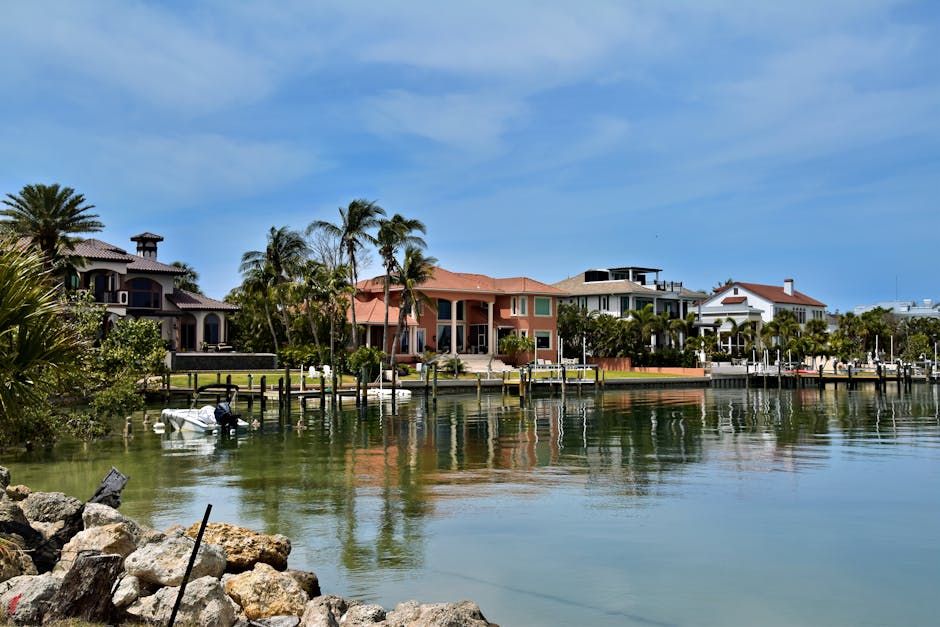
Buyers are no longer merely looking for a view; they are assessing the long-term viability of coastal land as a multi-generational asset. This involves a rigorous analysis of sea-level adaptations, modern construction standards, and the proximity to evolving commercial hubs. In areas like South Tampa and Davis Islands, the demand for buildable waterfront lots remains high, even as inventory fluctuates. The focus has moved from aesthetic appeal to structural integrity and locational permanence. This trend is particularly evident in the way buyers evaluate properties that offer deep-water access for yachting alongside robust privacy features.
This primary market status also changes the negotiation table. Sellers are increasingly well-informed, often represented by specialized groups like the Nick Janovsky Group, which emphasizes data-backed valuation over emotional pricing. For the advisor, this means the acquisition process must be treated with the same analytical rigor as a commercial investment. The focus is on the underlying land value and the replacement cost of high-specification improvements, ensuring that the capital remains protected in a shifting economic landscape.
Quantifying the Market: Inventory and List Price Realities
Current market data reveals a landscape characterized by selective inventory and a median list price that reflects a stabilized high-end segment. With approximately 120 active luxury listings, the market is not oversaturated, but it requires a discerning eye to identify true value. The median list price currently sits at $2,500,000, while the average list price climbs to over $3,281,000, skewed by high-value outliers on the waterfront. Understanding the spread between these figures is essential for any buyer looking to enter the market at a competitive point without overpaying for transient trends.
Recent benchmarks illustrate the diversity of the current offerings. For instance, properties such as the residence on Troutwater Lane, listed at $2,650,000, represent a specific tier of luxury that balances acreage with suburban accessibility. In contrast, larger estates on Gardner Road or Memorial Highway, priced between $3,000,000 and $3,800,000, cater to those seeking significant land holdings and custom architectural footprints. These listings serve as critical data points for buyers to compare price-per-square-foot metrics against neighborhood-level amenities and historical performance. You can review the full breadth of these options at our LISTINGS URL.
Buyer behavior in this price bracket has become increasingly cautious. The “wait and see” approach is common as participants monitor interest rate movements and local tax assessments. However, the scarcity of prime parcels in established neighborhoods keeps the floor high. Successful acquisitions in today’s market often involve identifying properties with “hidden” equity—older structures on premium lots that allow for significant value-add through modernization. This requires a network of advisors who can provide insights into permitting, contractor availability, and local zoning nuances before the contract is signed.
Comparing the High-Rise Landscapes of St. Petersburg and Tampa
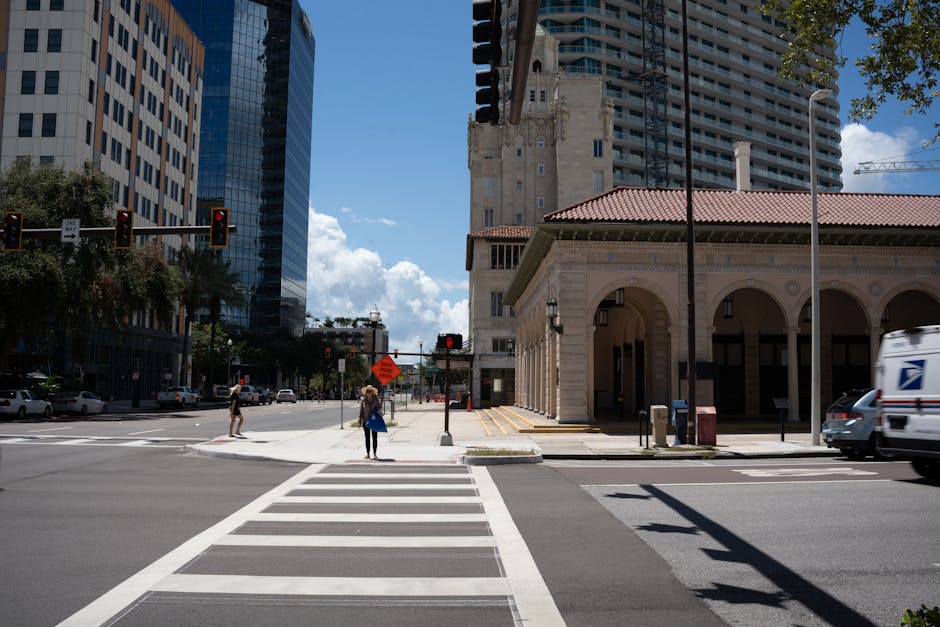
The choice between a mainland estate and a high-rise condominium is no longer just a lifestyle preference; it is a choice between two different market velocities. In Downtown St. Petersburg, the definition of luxury is shifting as new developments redefine the skyline. As noted by The Business Journals, the evolution of the city is creating a more dense, urban luxury experience that appeals to those moving from markets like New York or Chicago. These buyers prioritize walkability and integrated concierge services over the sprawling lawns of traditional Tampa estates.
Conversely, Tampa remains an early-stage luxury condo market with significant growth potential. While St. Petersburg has a more established high-rise culture, Tampa’s Water Street and surrounding areas are just beginning to realize their full vertical potential. Analytical insights from Tampa Bay Business & Wealth suggest that this “early-stage” status provides an opportunity for early entry into what will likely become a mature, high-demand segment. The difference in price-per-square-foot between these two neighboring cities is a key metric for investors to track, as the gap continues to narrow.
When evaluating a condominium purchase, the advisor must look beyond the amenity floor. We examine the long-term financial health of the association, the reserve studies, and the history of the developer. In a tropical climate, the exterior maintenance of a high-rise is a significant recurring cost that can impact the asset’s resale value. Furthermore, the views, while currently impressive, must be verified against future development plans in the immediate vicinity to ensure that a “bay view” today does not become a “wall view” tomorrow.
Lifestyle Integration: The Impact of Cultural and Event Density
A luxury acquisition is rarely just about the four walls; it is about the access it provides to the region’s cultural and social pulse. Tampa’s ability to host major national events—ranging from WWE Memorial Day takeovers to high-profile blues and BBQ festivals—indicates a city with the infrastructure and spirit to support a sophisticated population. According to reports from WMNF, the local event calendar is a reliable indicator of the region’s economic health and social connectivity. For many buyers, proximity to these hubs of activity is a non-negotiable requirement.
For families, the decision-making process is often anchored by the quality of local activities and educational institutions. The weekend rhythms of the Bay Area, featuring everything from curated children’s events to world-class dining, contribute to the high retention rate of new residents. This social density is what transforms a neighborhood from a collection of houses into a sustainable community. It is the reason why areas like Beach Park and Culbreath Isles continue to command a premium; they offer a predictable, high-quality environment for both professional and personal life.
Understanding these cultural movements allows a buyer to anticipate which neighborhoods will see the next wave of appreciation. As new venues and infrastructure are announced, the surrounding residential pockets typically experience a corresponding lift in demand. We advise our clients to look at the municipal planning maps as much as they look at the MLS. A new park, a renovated marina, or a bridge improvement can significantly alter the desirability of a nearby street within a single market cycle.
The Professional Acquisition Framework
Navigating a multi-million dollar real estate transaction requires a systematic approach that mitigates risk while capitalizing on market timing. The following checklist outlines the essential steps for a sophisticated buyer to ensure their interests are fully protected during the due diligence phase. This framework moves beyond the standard home inspection to address the unique complexities of high-end Florida real estate.
- Verify elevation certificates and obtain historical flood insurance data to understand total carry costs.
- Conduct a specialized sea-wall and dock inspection for all waterfront properties to avoid unforeseen capital expenditures.
- Analyze neighborhood-level sales data from the last 24 months, excluding non-arm’s-length transactions.
- Perform a deep-dive audit of HOA or Condo Association financial health, including pending assessments or litigation.
- Assess the architectural integrity and potential for future renovations relative to local zoning and setback requirements.
- Evaluate the property’s digital infrastructure, ensuring high-speed connectivity and smart-home compatibility.
By following this structured approach, buyers can move from interest to acquisition with a high degree of confidence. The goal is to eliminate surprises that could diminish the enjoyment or the value of the asset. This level of detail is what separates a standard purchase from a strategic acquisition. In a market like Tampa, where the physical environment is as dynamic as the economic one, these steps are the foundation of a sound investment strategy.
Anticipating Market Velocity and Investment Durability
The long-term outlook for Tampa luxury real estate remains grounded in the broader economic trends of Florida. As reported by Florida Trend, the state continues to benefit from favorable tax policies and a growing professional sector that attracts talent from across the country. Tampa, specifically, is positioned as a hub for finance, technology, and healthcare, providing a diversified economic base that supports real estate values. This durability is a key consideration for buyers who view their home as a significant component of their overall portfolio.
Predicting the exact peak of a market cycle is less important than understanding the underlying velocity of demand. In the luxury sector, demand is less sensitive to marginal interest rate changes and more responsive to wealth creation and lifestyle shifts. The current inventory of 120 units suggests a balanced market where quality properties move quickly, while those with significant flaws linger. This creates an environment where prepared buyers can negotiate from a position of strength, provided they have the data to back up their offers.
To navigate this landscape effectively, you need an advisor who understands the nuances of the local market and the specific requirements of high-net-worth clients. We invite you to begin your search by browsing our current curated inventory or by reaching out for a private consultation to discuss your specific acquisition criteria. Your next move in the Tampa luxury market should be informed, strategic, and executed with precision. Explore our current listings at our LISTINGS URL and CONTACT URL an advisor today to discuss your objectives in the Tampa Bay area.
Your next move in Tampa luxury
Get current inventory, pricing guidance, and private-tour support from our brokerage team.
Source highlights
- Downtown St. Pete's definition of luxury condos shifts as the city evolves – The Business Journals
- Tampa Bay’s most expensive luxury home sales of 2025 – Tampa Bay Times
- Tampa Bay’s Waterfront Emerges as a Primary Luxury Real Estate Market – The National Law Review
- Florida Trend Real Estate – Florida Trend
- Why Tampa remains an early-stage luxury condo market – Tampa Bay Business & Wealth
- New Signature Real Estate Team Emerges Across Tampa Bay: The Nick Janovsky Group Launches with Premier Sotheby’s International Realty – citybiz
- Things to do with kids this weekend in Tampa, FL – That's So Tampa
- From Blues to BBQ: Tampa’s can’t-miss events this weekend – WMNF 88.5 FM



