


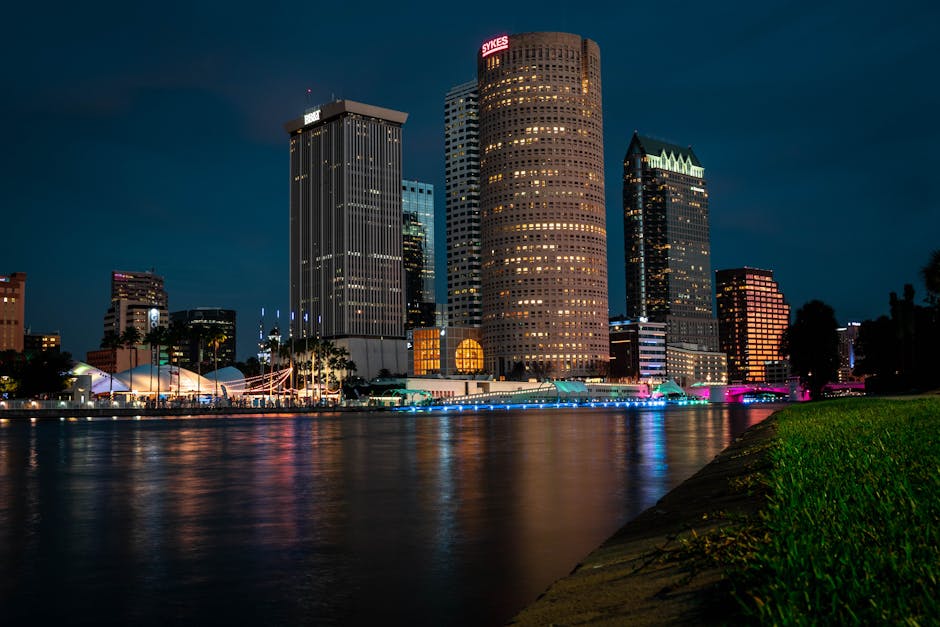
The Maturation of the Tampa Luxury Real Estate Market
Tampa has undergone a fundamental structural shift. Historically viewed as a secondary or seasonal market, the region now functions as a primary destination for high-net-worth individuals seeking permanent residency. This transition is backed by a sophisticated infrastructure expansion and a significant influx of corporate headquarters, moving the needle from leisure-driven acquisitions to long-term wealth preservation. Buyers are no longer just looking for a winter retreat; they are seeking primary estates that offer the same level of architectural integrity and technological integration found in major global hubs.
The current landscape is defined by a flight to quality. While the broader market may experience fluctuations, the luxury segment in neighborhoods like Davis Islands and Culbreath Isles remains resilient. This resilience is driven by limited inventory—currently hovering around 120 active luxury listings—and a median list price of approximately $2,499,000. For the discerning buyer, the focus has shifted from mere square footage to the pedigree of the build and the exclusivity of the location. Understanding these nuances is critical for navigating a market that has matured beyond its previous boom-and-bust cycles.
Strategic investors are increasingly looking at the correlation between municipal investment and residential value. The expansion of the downtown core and the revitalization of the waterfront have created a halo effect, elevating property values in surrounding districts. As the city continues to evolve, the distinction between a standard high-end property and a true luxury asset becomes clearer, defined by unique geographic advantages and superior craftsmanship.
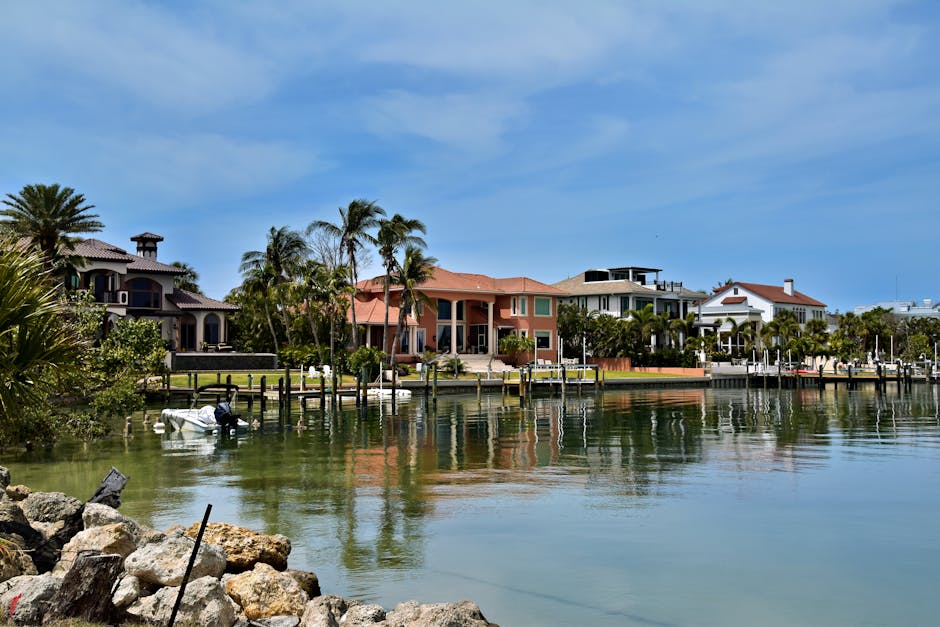
Waterfront Assets as a Primary Investment Class
The allure of the Gulf Coast has always been a primary driver, but the way buyers approach waterfront property has changed. As noted in recent analysis from The National Law Review, Tampa Bay’s waterfront has emerged as a primary luxury market, shifting away from speculative interest toward stable, long-term ownership. This is particularly evident in areas like Beach Park and Sunset Park, where deep-water access and expansive views command significant premiums. The demand for these sites often outpaces the supply of buildable land, leading to a surge in high-end redevelopment projects.
Navigating the complexities of waterfront ownership requires a level of diligence that goes beyond the standard inspection. Buyers must account for seawall integrity, riparian rights, and evolving elevation requirements. In the current environment, a property’s ability to withstand coastal elements while providing seamless indoor-outdoor living is a non-negotiable standard. We are seeing a trend toward “resilient luxury,” where architectural design incorporates sustainable materials and advanced engineering without compromising aesthetic sophistication.
Inventory on the water is exceptionally tight. Properties such as those found on Troutwater Lane or along the quiet stretches of Memorial Highway represent the pinnacle of this segment, often trading at prices well above the regional average of $3,269,821. For those looking to secure a legacy asset, the competition is intense, requiring a proactive approach to procurement and a deep understanding of local zoning and environmental regulations.
Neighborhood Archetypes: Beyond Bayshore Boulevard
While Bayshore Boulevard remains the most recognizable address in the city, the definition of a “prestige neighborhood” has expanded. South Tampa continues to be the epicenter of demand, but buyers are increasingly exploring the private enclaves of Palma Ceia and the established charm of Hyde Park. Each of these areas offers a distinct lifestyle profile, from the historic walkability of the village streets to the modern, gated privacy of newer developments. The key for the buyer is to align their lifestyle requirements with the specific density and character of the neighborhood.
Inland luxury is also seeing a resurgence, particularly in areas that offer larger lot sizes and more privacy than the high-density waterfront corridors. These estates often feature extensive amenities, such as professional-grade home theaters, wellness suites, and expansive car galleries. The value proposition here is one of space and seclusion, providing a sanctuary within the city limits. Investors should monitor the development of luxury clusters in areas where large-scale estates can still be curated on multi-acre parcels, such as those occasionally available near Gardner Road.
The local market movement is characterized by a high degree of specificity. A block-by-block analysis is often necessary to determine true market value, as proximity to top-tier schools and private clubs can create significant price disparities. Current market data from Florida Trend suggests that while transaction volumes have normalized, the demand for properly positioned assets in these core neighborhoods remains at historic highs.
The Strategic Checklist for High-Value Acquisitions
Before moving forward with a high-end acquisition in the current environment, a structured approach to due diligence is mandatory. The following checklist outlines the critical vectors that define a successful luxury purchase in the regional market:
- Verification of seawall and dockage structural integrity for all waterfront parcels.
- Analysis of neighborhood-specific deed restrictions and HOA governance to ensure long-term lifestyle compatibility.
- Assessment of recent comparable sales within a 0.5-mile radius to calibrate offer price against true market velocity.
- Evaluation of architectural provenance and the reputation of the original builder or design firm.
- Review of environmental surveys and elevation certificates to determine future insurance and renovation requirements.
- Identification of proximity to essential high-end infrastructure, including private aviation terminals and elite medical facilities.
By following this framework, buyers can mitigate risk and ensure that their capital is deployed into an asset with a high probability of appreciation. The goal is to move beyond the emotional appeal of a property and conduct a clinical assessment of its intrinsic value and long-term viability.
Vertical Luxury and the Managed Residence Shift
One of the most significant trends in the local market is the rise of the luxury condominium. Historically, Tampa was a single-family dominant market, but as Tampa Bay Business & Wealth points out, the city remains in an early-stage luxury condo cycle. This represents a significant opportunity for buyers who prefer the security and convenience of a managed residence. Buildings in Water Street and the Westshore Marina District are setting new records for price-per-square-foot, driven by a desire for world-class amenities and 24-hour concierge service.
The shift toward vertical living is not just about convenience; it is about community and connectivity. High-end towers now offer integrated wellness centers, private dining rooms curated by celebrity chefs, and rooftop social clubs that rival the best in Miami or New York. For the professional who travels frequently, the “lock-and-leave” lifestyle provided by these developments is an attractive alternative to the maintenance requirements of a traditional estate. This segment is expected to see continued growth as more international brands enter the market.
It is also worth noting the regional context, as The Business Journals have tracked a similar evolution in Downtown St. Petersburg. The cross-pollination of buyers between Tampa and St. Pete is increasing, as individuals seek the specific urban or coastal vibe that suits their current needs. Understanding the differences in governance, tax implications, and lifestyle offerings between these two shores is a vital part of the advisory process.
Cultural Infrastructure and Long-Term Value Drivers
The strength of a luxury market is inextricably linked to the cultural and social vibrancy of the region. Tampa’s investment in professional sports, high-end retail, and world-class dining has created a compelling narrative for residents. From major events like the WWE Memorial Day takeover to the consistent schedule of festivals and concerts reported by FOX 13 Tampa Bay, the city offers a dynamic environment that attracts a younger, globally-connected demographic. This cultural energy is a primary driver of sustained demand for residential real estate.
Furthermore, the city’s commitment to public spaces and family-friendly infrastructure—such as the expansion of the Riverwalk and the development of new park systems—adds an intangible layer of value to nearby properties. For families, the availability of top-tier educational institutions and safe, walkable neighborhoods is a top priority. When these elements are combined with Florida’s favorable tax climate, the case for Tampa as a long-term residence becomes increasingly clear.
Prospective residents should look beyond the property lines and consider the trajectory of the surrounding community. A home is an investment in a lifestyle, and in Tampa, that lifestyle is currently on an upward trajectory. The integration of work, play, and community within a single geographic footprint is the hallmark of modern luxury, and Tampa is delivering this at a level that few other Florida cities can match.
Navigating the Current Inventory Landscape
Success in the current market requires a combination of patience and decisiveness. With a median list price near $2.5 million and average sales often exceeding $3.2 million for top-tier assets, the entry point for quality is high. However, for those with a clear strategy and an experienced advisor, there are opportunities to secure exceptional properties that will serve as cornerstones of a portfolio for decades. The focus should always be on the fundamentals: location, quality of construction, and long-term utility.
As the market continues to evolve, we anticipate a further stratification between generic high-end homes and true luxury estates. The latter will continue to command premiums regardless of broader economic headwinds, as they represent a finite resource in a high-demand geography. For those currently evaluating their options, the most important step is to gain a deep understanding of the micro-market dynamics within their preferred neighborhoods. This knowledge is the only way to ensure that you are paying a fair price for an asset that meets your exacting standards.
To effectively navigate the complexities of this maturing landscape, you need more than just a search engine; you need a strategic partner who understands the nuances of the local market. Whether you are seeking a modern waterfront architectural masterpiece or a quiet estate in an established enclave, our team provides the analytical insight and local expertise required to make an informed decision. We invite you to explore our curated collection of LISTINGS URL to gauge the current quality of inventory, and then CONTACT URL an advisor to discuss your specific requirements and begin a targeted search for your next primary residence.
Your next move in Tampa luxury
Get current inventory, pricing guidance, and private-tour support from our brokerage team.
Source highlights
- Downtown St. Pete's definition of luxury condos shifts as the city evolves – The Business Journals
- Tampa Bay’s most expensive luxury home sales of 2025 – Tampa Bay Times
- Tampa Bay’s Waterfront Emerges as a Primary Luxury Real Estate Market – The National Law Review
- Florida Trend Real Estate – Florida Trend
- Why Tampa remains an early-stage luxury condo market – Tampa Bay Business & Wealth
- New Signature Real Estate Team Emerges Across Tampa Bay: The Nick Janovsky Group Launches with Premier Sotheby’s International Realty – citybiz
- Things to do with kids this weekend in Tampa, FL – That's So Tampa
- WWE announces Memorial Day weekend takeover in Tampa – WWE



