


The Maturation of the Gulf Coast Luxury Sector
Tampa’s transition from a regional center to a primary luxury market is no longer a matter of speculation. Data from the early quarters of 2026 indicates a structural shift in how high-net-worth individuals perceive the West Coast of Florida. Unlike previous cycles driven by speculative growth, the current environment is defined by capital preservation and the acquisition of legacy assets. Buyers are increasingly prioritizing architectural integrity and long-term land value over transient trends, reflecting a sophisticated understanding of the local landscape.
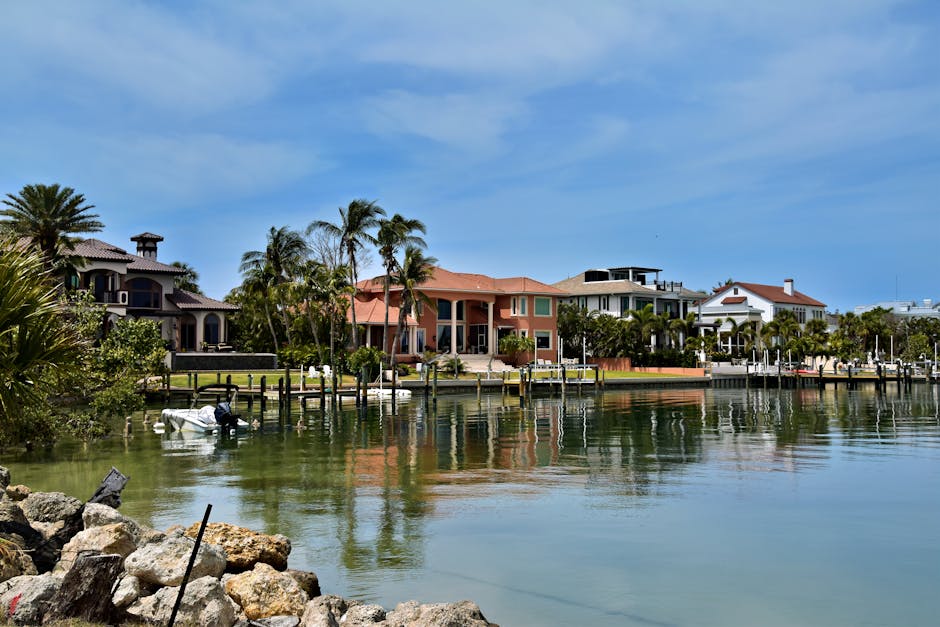
As noted by The National Law Review, the waterfront has emerged as a primary market, attracting global interest that was previously reserved for more established hubs like Miami or Palm Beach. This elevation in status is supported by a median list price in the luxury segment of approximately $2,499,000, with average prices often exceeding $3,200,000. These figures represent a baseline for entry into the city’s most prestigious enclaves, where inventory remains tightly held by long-term residents and institutional families.
The current inventory levels, hovering around 120 active luxury listings, suggest a market that is balanced yet skewed toward sellers of high-quality, turn-key properties. For the advisor, the challenge is not finding a property, but identifying one that meets the rigorous standards of modern high-end construction. We are seeing a move away from the sprawling Mediterranean revivals of the early 2000s toward organic modernism and refined contemporary estates that emphasize indoor-outdoor fluidity and advanced climate resilience.

Understanding this maturation requires looking beyond the broad market reports. It requires an analysis of how neighborhoods like Davis Islands, Culbreath Isles, and Beach Park are evolving. These areas are no longer just residential pockets; they are the epicenters of Tampa’s wealth concentration. The buyers here are not just looking for a residence; they are securing a position within a limited geographic footprint that offers both privacy and proximity to the city’s burgeoning commercial core.
Waterfront Assets and the Structural Shift in Valuation
Waterfront properties in Tampa Bay have historically commanded a premium, but the nature of that premium is changing. Proximity to the water is now evaluated through the lens of littoral rights, dockage depth, and exposure to the open bay. Recent transactions, such as the high-profile sales documented by the Tampa Bay Times, highlight a clear preference for properties along Bayshore Boulevard and the protected canals of South Tampa. These locations offer a rare combination of scenic value and navigational utility for yacht owners.
The demand for significant waterfront footage has driven prices for legacy lots to record highs. In areas like Sunset Park and Bel Mar, we are witnessing the teardown of mid-century structures to make way for custom-built estates that exceed 6,000 square feet. This trend underscores the scarcity of prime land. For a buyer, the value is increasingly tied to the dirt rather than the structure, leading to a highly competitive environment for any listing that provides an unobstructed view or direct deep-water access.
Strategic buyers are also focusing on the technical aspects of waterfront living. This includes the height of the sea wall, the grade of the finished floor elevation, and the integration of storm-rated glass and reinforced roofing systems. A property that checks these technical boxes maintains its value even in a fluctuating interest rate environment. The market has become less about the aesthetics of the water and more about the security and longevity of the investment itself.
Inventory such as the estates on Memorial Highway or Gardner Road represents the upper echelon of this category. These properties often feature acreage that is difficult to replicate within the city limits. When comparing these assets, it is essential to look at the historical permit data and any potential for future expansion. A private advisor looks at these listings not as simple homes, but as components of a broader real estate portfolio that requires careful management and foresight.
The Evolution of Vertical Living in Downtown Hubs
The luxury condominium market in Tampa and neighboring St. Petersburg is undergoing a significant redefinition. While the city was once considered an early-stage market for vertical living, the delivery of ultra-luxury towers has shifted the narrative. According to The Business Journals, the definition of luxury in St. Petersburg’s condo market is evolving as the city matures, with a greater emphasis on service-rich environments and private wellness suites.
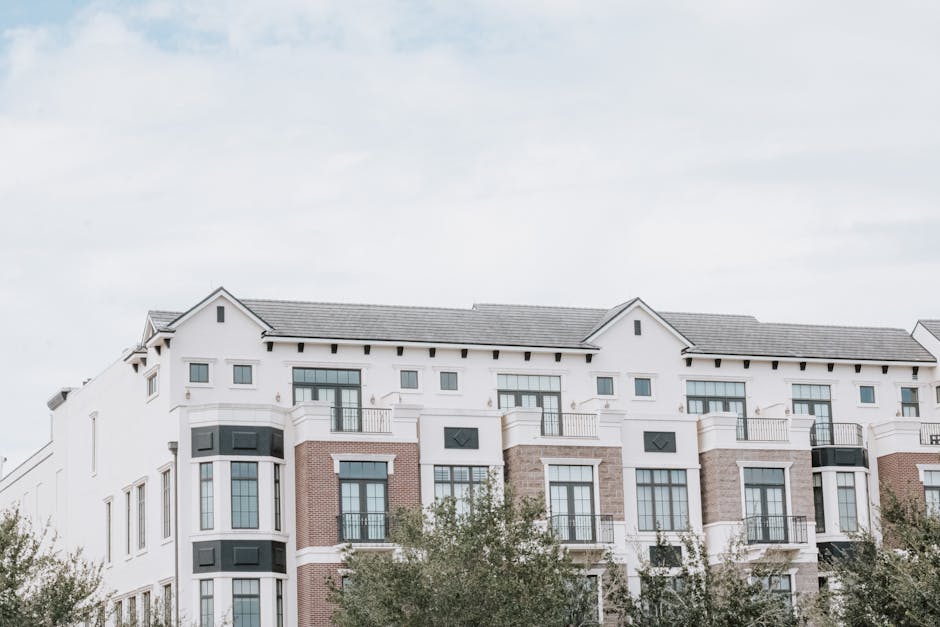
In Downtown Tampa, the development of Water Street has created a new standard for high-rise living. Buyers who previously only considered single-family homes in Hyde Park are now looking at the convenience and security of full-service buildings. This shift is driven by a desire for a low-maintenance lifestyle without sacrificing the scale of a traditional estate. Penthouse units and large-format floor plans are attracting a demographic that values walkability to high-end dining and cultural venues over the traditional suburban lawn.
However, the condo market remains nuanced. As suggested by Tampa Bay Business & Wealth, the region is still in the process of building the depth of luxury services found in more mature markets. This creates an opportunity for early-stage investors who recognize the long-term trajectory of the urban core. For the strategic buyer, the focus should be on buildings that offer exclusive amenities such as private elevators, 24-hour concierge service, and robust reserve funds that ensure the property’s upkeep for decades to come.
When evaluating these assets, the surrounding infrastructure is just as important as the unit itself. The expansion of the Tampa Riverwalk and the revitalization of the Channel District have fundamentally changed the value proposition of living downtown. This connectivity is a major draw for professionals and retirees alike. Those interested in the current availability of these high-rise assets should browse our current listings to understand the diversity of the vertical market.
Strategic Checklist for Portfolio Diversification
Acquiring a high-end property in the Tampa market requires a rigorous approach to due diligence. The following checklist identifies the critical factors that should be verified before proceeding with a luxury acquisition in 2026:
- Verify the current elevation and the efficacy of modern flood mitigation systems installed on the property.
- Asses historical sales velocity and turnover rates within the specific neighborhood sub-pocket.
- Review the technical specifications of smart-home systems and their compatibility with future technology.
- Analyze littoral rights and dockage permits for waterfront estates to ensure navigational compliance.
- Audit the private security infrastructure, including gated access and perimeter monitoring capabilities.
- Evaluate the potential impact of local infrastructure projects on property privacy and noise levels.
- Inspect the quality of building materials, specifically focusing on the resilience of roofing and fenestration systems.
By adhering to this checklist, buyers can move beyond the surface-level appeal of a property and understand its true functional value. A senior advisor prioritizes these metrics to ensure that the client is not just buying a home, but a resilient asset that will perform well across various market conditions.
Risk Mitigation and Long-Term Appreciation Factors
Long-term appreciation in the Tampa market is increasingly tied to neighborhood-specific dynamics and regional growth patterns. While the general market may show steady increases, the luxury sector behaves differently. Appreciation here is driven by the limited supply of premium land and the continued influx of wealth into Florida. Organizations like Florida Trend have consistently tracked these economic shifts, noting that Tampa’s diverse economy provides a stable foundation for real estate values.
Risk mitigation in this context involves understanding the nuances of local zoning and land-use policies. For instance, the expansion of planned communities in areas like Lakewood Ranch, where developers are proposing hundreds of new single-family homes, can impact the supply of luxury housing in the broader region. Understanding how these large-scale projects compete with established Tampa neighborhoods is crucial for any buyer looking to maintain a competitive edge.
Another factor to consider is the role of institutional investment in the area. The presence of major corporate headquarters and the expansion of the healthcare and technology sectors in Tampa provide a layer of economic insulation. This economic diversity means that the luxury real estate market is less dependent on any single industry. For the homeowner, this translates to a more predictable valuation cycle and a lower risk of sudden market corrections.
Finally, the quality of local schools, both public and private, remains a primary driver for family-oriented buyers in South Tampa. Areas zoned for top-rated institutions often see higher demand and more resilient pricing. When we analyze a property, we look at the entire ecosystem—from economic drivers to the quality of life factors that ensure a neighborhood remains desirable for the next generation of owners.
Infrastructure and the Influence of Regional Connectivity
The connectivity of Tampa to the rest of the Florida peninsula and the global market is a significant factor in its real estate value. The expansion of the Tampa International Airport and the continued development of the port have made the city a central hub for business and travel. This accessibility is a major draw for international buyers and those who maintain multiple residences. Proximity to these hubs is often a key requirement for the modern high-end buyer.
Local infrastructure projects, such as the widening of key corridors and the enhancement of public spaces, also play a role. Events like the major sports takeovers or the festivals covered by I Love the Burg highlight the cultural richness that supports a high-end lifestyle. These events are not just entertainment; they are indicators of a thriving, well-funded community that invests in its own public image and resident experience.
Infrastructure also includes the private sector’s contribution to the landscape. The arrival of high-end retail and Michelin-recognized dining has changed the calculus for buyers deciding between Tampa and other major cities. When a neighborhood is within a ten-minute drive of world-class amenities, its value is inherently more secure. We advise clients to look at the growth of these service industries as a proxy for the future health of the residential market.
Ultimately, the strength of the Tampa market lies in its balance. It offers the professional opportunities of a major city with the environmental appeal of a coastal resort. This dual nature ensures that the demand for luxury housing remains robust. As we look toward the remainder of 2026, we expect to see continued stability and a persistent focus on the quality of the built environment. For those ready to explore these opportunities, the first step is a data-driven conversation with a professional who understands these intricacies.
Final Guidance for the Informed Buyer
Navigating the Tampa luxury market requires more than just an eye for design; it requires an analytical approach to asset management and local market dynamics. The current environment offers unique opportunities for those who can distinguish between high-value assets and overpriced trends. By focusing on structural integrity, waterfront utility, and neighborhood resilience, buyers can build a real estate portfolio that stands the test of time. Whether you are looking for a private estate in Culbreath Isles or a modern penthouse in the urban core, the importance of professional guidance cannot be overstated. We encourage you to contact an advisor today to discuss your specific requirements and gain access to the private insights that define our approach to luxury real estate.
Your next move in Tampa luxury
Get current inventory, pricing guidance, and private-tour support from our brokerage team.
Source highlights
- Downtown St. Pete's definition of luxury condos shifts as the city evolves – The Business Journals
- Tampa Bay’s most expensive luxury home sales of 2025 – Tampa Bay Times
- Tampa Bay’s Waterfront Emerges as a Primary Luxury Real Estate Market – The National Law Review
- Florida Trend Real Estate – Florida Trend
- Sarasota developer proposes 300 single-family homes in Lakewood Ranch – The Business Journals
- Why Tampa remains an early-stage luxury condo market – Tampa Bay Business & Wealth
- Things to do with kids this weekend in Tampa, FL – That's So Tampa
- WWE announces Memorial Day weekend takeover in Tampa – WWE



