


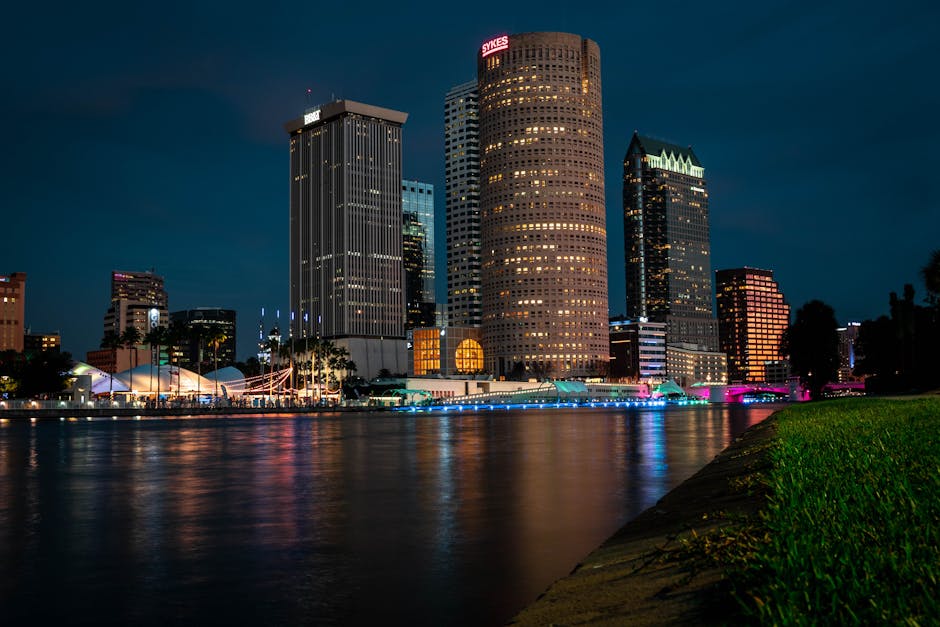
The Structural Maturity of Tampa’s Luxury Corridor
The Tampa Bay real estate landscape has undergone a fundamental transformation, moving away from its historical reputation as a seasonal retreat toward a sophisticated primary residential hub. This shift is most evident in the way capital is being deployed into permanent homesteads rather than speculative vacation properties. Institutional growth and corporate relocations have anchored a new class of residents who demand the same level of architectural integrity and service density found in legacy markets like New York or London. As we navigate the second quarter of 2026, the inventory reflects this permanence, with high-net-worth individuals increasingly prioritizing long-term utility over short-term appreciation.
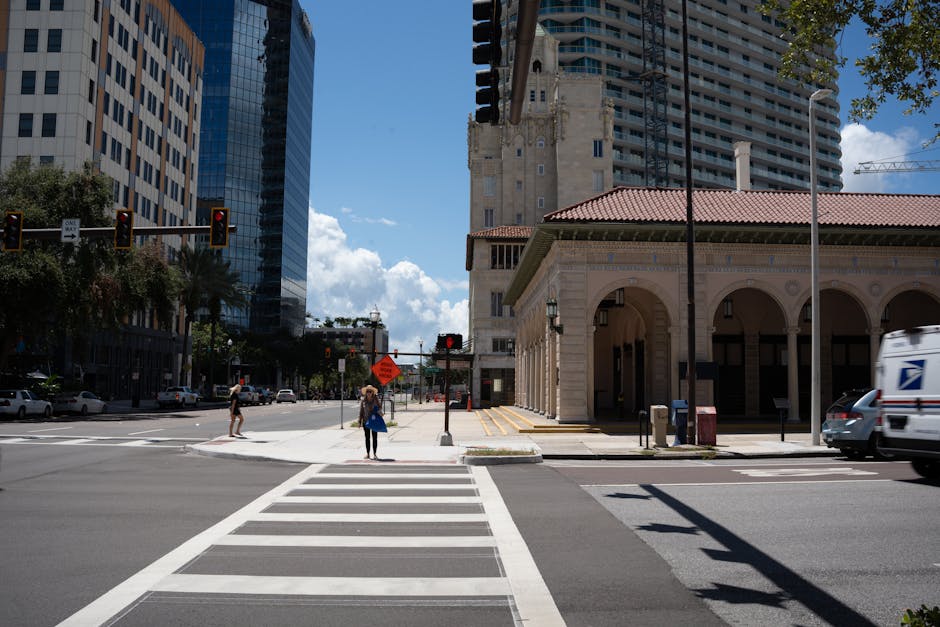
This evolution is not limited to the traditional enclaves of South Tampa. We are seeing a significant broadening of the luxury footprint. In neighboring areas, the definition of luxury condos in Downtown St. Pete is shifting as the urban core matures, offering a blueprint for how vertical living can coexist with high-end residential expectations. For Tampa buyers, this means comparing the density of downtown living against the privacy of established waterfront estates. The decision-making process now involves a rigorous assessment of walkability, security infrastructure, and the long-term viability of surrounding developments.
Current market data supports this trend toward high-value stability. With a median list price currently hovering around $2,499,000 and an average list price exceeding $3.2 million, the entry point for true luxury has solidified. The active inventory of approximately 120 properties represents a curated selection that favors quality over quantity. Buyers are no longer rushing into transactions; instead, they are performing exhaustive due diligence on the structural and lifestyle components of a property before committing. This measured approach has created a healthier, more resilient market environment that avoids the volatile swings of previous cycles.
The Emergence of Waterfront as a Primary Market Asset
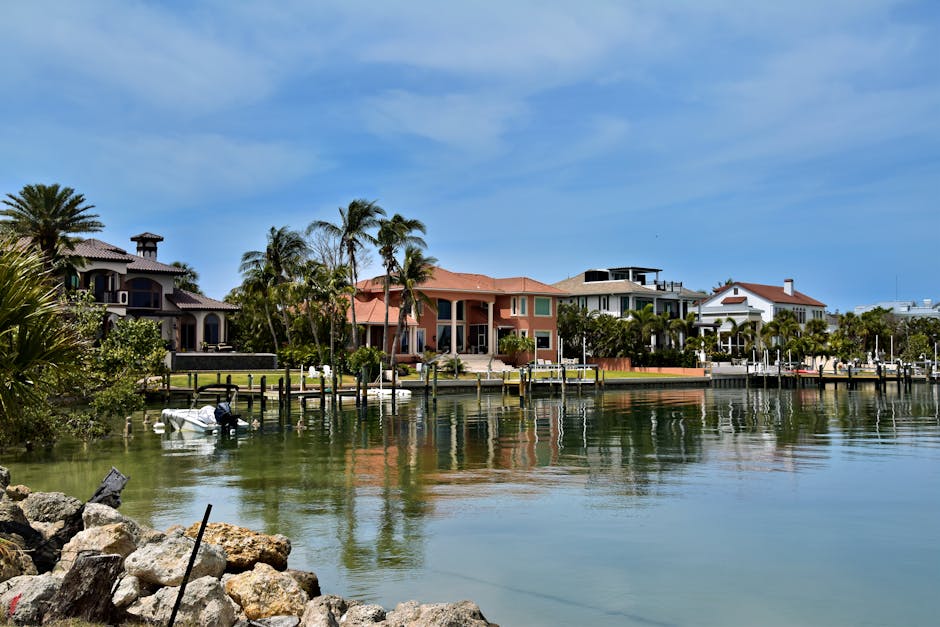
Waterfront properties in Tampa have historically been the pinnacle of local real estate, but their role has changed. According to recent legal and market analysis, Tampa Bay’s waterfront has emerged as a primary luxury market, meaning these homes are being built and purchased for year-round occupancy. This shift necessitates a different set of criteria during the acquisition phase. Buyers are scrutinizing elevation certificates, sea wall integrity, and the quality of indoor-outdoor transitions with more intensity than ever before. The aesthetic appeal of a bay view is now secondary to the functional resilience of the asset.
Neighborhoods such as Davis Islands and Beach Park continue to lead this sector, where the scarcity of available land keeps pricing floors firm. In these areas, the focus has shifted toward maximizing lot utility. We are seeing a move away from sprawling, inefficient floor plans in favor of vertical integration and smart-home systems that manage climate and security autonomously. This is a practical response to the desire for low-maintenance, high-security environments that allow residents to travel frequently without concerns regarding property management or safety.
When evaluating these assets, it is essential to look at the historical performance of specific coastal stretches. While Tampa Bay’s most expensive luxury sales of 2025 set high benchmarks, the 2026 market is focused on sustainable value. Properties like the $3.8 million listing on Memorial Highway or the $3 million estate on Gardner Road serve as vital reference points for price-per-square-foot expectations. These benchmarks help buyers distinguish between overpriced speculative builds and genuine architectural value in the current inventory.
Moving Beyond Carbon-Copy Luxury Design
The era of the Mediterranean-style mansion as the default for Tampa wealth is fading. Modern buyers are rejecting generic, mass-produced luxury features in favor of bespoke, intentional design. Market experts have noted that carbon-copy luxury is out, replaced by finishes and layouts that reflect the specific needs of the inhabitant. This includes integrated wellness suites, high-capacity home offices with dedicated fiber lines, and multi-generational living spaces that do not compromise on privacy.
Materiality has become a major talking point in advisor-client discussions. We are seeing a preference for natural stone, sustainable timber, and high-performance glass that offers both hurricane protection and UV filtration. These choices are as much about long-term maintenance costs as they are about visual impact. A home built with inferior materials will require significant capital expenditure within five to seven years, a reality that seasoned buyers are keen to avoid. By investing in superior build quality now, owners are effectively de-risking their future exit strategy.
Interior flow is also being reimagined. The traditional separation of formal and informal spaces is being replaced by flexible ‘great rooms’ that can be partitioned with hidden architectural elements. This allows for a seamless transition from private family time to high-level entertaining. When touring current listings, pay close attention to the joinery, the integration of HVAC vents, and the quality of the lighting design. These details are the true indicators of a high-end build and separate the professional developers from those merely trying to capitalize on the Tampa growth story.
Critical Evaluation Framework for the 2026 Buyer
In a market with 120 active luxury listings, the challenge is not finding a property, but identifying the right one. A strategic approach requires looking beyond the staging and the view to the underlying fundamentals of the home. As an advisor, I recommend a checklist that prioritizes the structural and legal health of the property before moving into the lifestyle benefits. This ensures that the acquisition remains an asset and does not become an unforeseen liability.
- Verify the age and condition of all major mechanical systems, specifically redundant HVAC units.
- Analyze the property’s elevation and drainage history to understand real-world storm performance.
- Assess the privacy buffer from neighboring lots and potential future developments in the immediate vicinity.
- Review all recent appraisals and comparable sales within a two-mile radius to ensure price alignment.
- Evaluate the quality of the home’s connectivity infrastructure for high-bandwidth remote work requirements.
By following this framework, buyers can move through the market with confidence. It is often the properties that seem less ‘flashy’ on paper that offer the most significant long-term value. For example, a property like the $2.65 million estate on Troutwater Lane may offer better structural integrity and lot privacy than a newer build in a higher-density area. Understanding these trade-offs is central to a successful acquisition strategy in the current climate.
Market Movement and Local Integration
The decision to purchase in Tampa is also a decision to integrate into a specific cultural and economic ecosystem. The city’s calendar is packed with events that reflect its growing national stature. From the upcoming WWE takeover on Memorial Day weekend to the various blues and BBQ festivals, the city offers a level of engagement that matches its residential quality. For families, the weekend options are diverse, often involving local festivals and outdoor events in Tampa that utilize the city’s waterfront parks and community spaces.
Navigating these events requires an understanding of local logistics. City officials often warn of heavy traffic during event-packed weekends, which highlights the importance of choosing a location that offers multiple access points. For the luxury buyer, this means evaluating how a neighborhood connects to the airport, the business district, and private clubs during peak hours. A home that is beautiful but isolated by traffic may fail to provide the ease of living that is a hallmark of high-end real estate.
Weather also plays a factor in local market movement. With current temperatures reaching into the low 30s Celsius (around 90F), the performance of a home’s insulation and cooling systems is immediately apparent. A well-built luxury home should maintain a consistent internal environment with minimal mechanical noise. This seasonal pressure test is one of the best ways to evaluate a property’s build quality. If a home feels humid or the AC is struggling during a standard April weekend, it is a sign that the building envelope may be compromised.
The Long-Term Outlook for Tampa Real Estate
Looking toward the end of 2026 and into 2027, the trajectory for Tampa’s high-end market remains positive, driven by a consistent influx of capital and a finite supply of premium land. The city’s infrastructure is finally catching up to its residential growth, with new commercial developments providing the amenities that affluent residents expect. This symbiotic relationship between residential and commercial growth is the most reliable indicator of long-term property value. When the local economy is diversified beyond tourism and retirement, the real estate market becomes far less susceptible to external shocks.
For sellers, this means that properties maintained to a high standard will continue to command a premium. For buyers, it means that while the days of ‘easy’ bargains may be over, the opportunity to acquire a generational asset in a rising city is still very much alive. The key is to remain analytical. Avoid the hype of new-launch marketing and focus on the realized value of the existing inventory. By comparing active listings against historical sales data and current construction costs, you can ensure that your entry price is supported by market reality.
Ultimately, the Tampa market rewarded those who prioritize quality and location. Whether you are looking at a modern architectural statement on Davis Islands or a classic waterfront estate in South Tampa, the principles of successful acquisition remain the same: verify the data, trust the structural fundamentals, and ensure the lifestyle integration meets your long-term goals. The current inventory offers several unique opportunities for those prepared to act decisively based on sound advisory guidance.
To navigate this nuanced market effectively, we invite you to browse our current luxury listings and analyze the properties that define the 2026 standard. Our team provides the neighborhood-level implications and practical takeaways necessary for high-value acquisitions. When you are ready to move from analysis to action, please contact an advisor to schedule a private consultation and property tour.
Your next move in Tampa luxury
Get current inventory, pricing guidance, and private-tour support from our brokerage team.
Source highlights
- Downtown St. Pete's definition of luxury condos shifts as the city evolves – The Business Journals
- Tampa Bay’s most expensive luxury home sales of 2025 – Tampa Bay Times
- Tampa Bay’s Waterfront Emerges as a Primary Luxury Real Estate Market – The National Law Review
- Florida Trend Real Estate – Florida Trend
- Carbon-Copy Luxury Is Out. These Are the Design Touches Winning Home Buyers Over. – Mansion Global
- The real estate developments shaping Tampa Bay in 2026 – Tampa Bay Business & Wealth
- Things to do with kids this weekend in Tampa, FL – That's So Tampa
- Things To Do In St Pete This Weekend: Best Festivals & Events Going On In St Petersburg – I Love the Burg



