


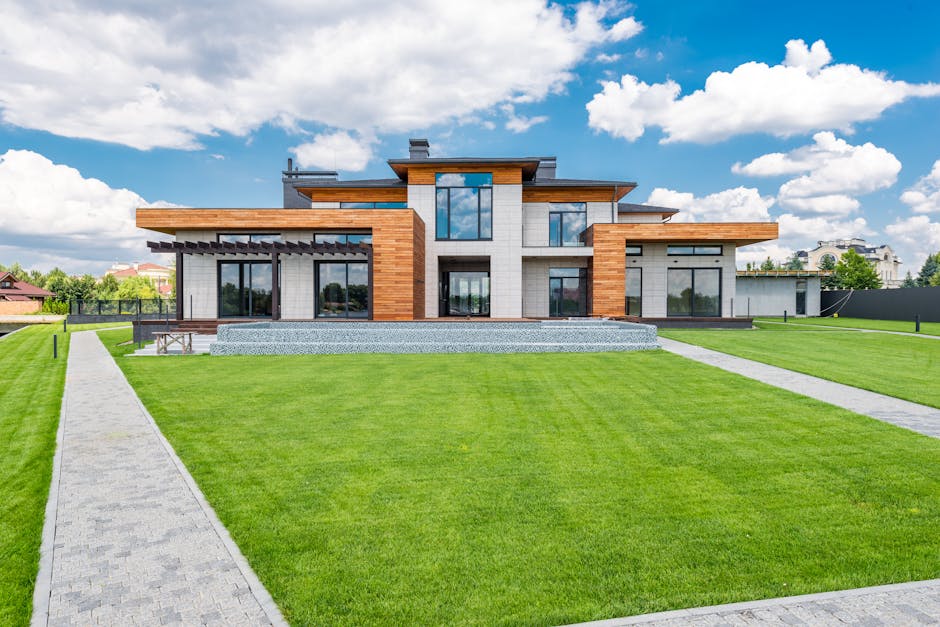
The Structural Shift in Gulf Coast High-End Demand
Tampa has historically been categorized as a secondary market for seasonal residents, but the last several years have redefined the region as a primary destination for high-net-worth individuals. We are seeing a sustained influx of capital from major financial hubs, driven by the search for tax efficiency and a permanent shift in professional mobility. This is not a transient trend; the absorption of inventory in neighborhoods like South Tampa and Davis Islands reflects a long-term commitment to the area’s infrastructure and residential stability. Buyers are no longer looking for a winter retreat; they are seeking estates capable of supporting a year-round executive lifestyle.
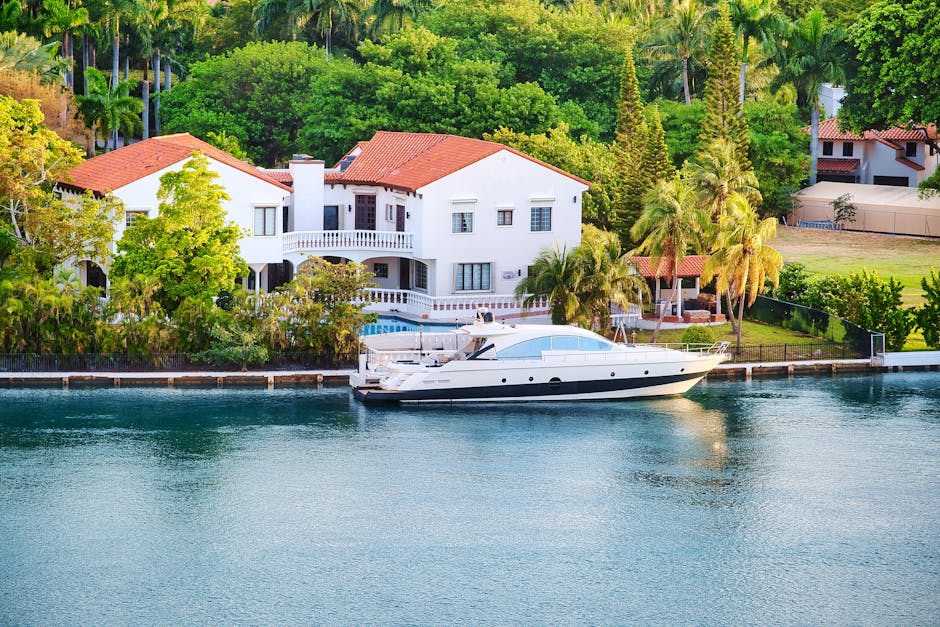
The current median list price of approximately $2,499,000 across the luxury segment underscores this maturation. While other Florida markets have experienced volatility, Tampa’s pricing has remained supported by limited inventory and a consistent demand for specialized architectural standards. This demand is increasingly concentrated on properties that offer both privacy and proximity to the growing commercial cores of Westshore and Downtown Tampa. The preference has shifted toward turnkey assets that eliminate the need for lengthy renovation cycles, which is a significant pivot from the speculative buying patterns of previous decades.
Current data indicates a robust active luxury count of roughly 120 properties, which creates a competitive environment for buyers seeking specific amenities. Properties like those found on Troutwater Lane or near Memorial Highway exemplify the diverse options available, ranging from secluded acreage to waterfront connectivity. This scarcity of prime land ensures that valuation remains tied to the intrinsic quality of the location rather than just the structural improvements. For the serious buyer, the focus must remain on the long-term utility of the asset within the broader context of the regional economy.

As the market evolves, the analytical approach to acquisition must also change. It is no longer sufficient to monitor broad price-per-square-foot metrics; instead, one must evaluate the micro-market dynamics of specific enclaves. Factors such as street-level elevation, school district stability, and the presence of historic preservation overlays can significantly impact the future liquidity of an investment. Understanding these nuances is essential for any advisor guiding a principal through a multi-million dollar transaction in this sophisticated landscape.
Waterfront Dominance and the Primary Market Emergence
The emergence of Tampa’s waterfront as a primary luxury real estate market is perhaps the most significant development in the region’s recent history. According to a report by The National Law Review, this transition highlights a fundamental change in buyer priorities, where waterfront proximity is now viewed as an essential component of a primary residence rather than a luxury add-on. This shift is driven by a desire for lifestyle integration, where the water serves as both a recreational asset and a psychological buffer from the urban density.
In neighborhoods like Beach Park and Bayshore Beautiful, the demand for riparian rights has reached an all-time high. Buyers are increasingly discerning about the technical aspects of waterfront living, including seawall integrity, dockage depth, and navigational access to Old Tampa Bay. These elements are now scrutinized with the same intensity as interior finishes. A waterfront property that lacks deep-water access or requires extensive environmental remediation for dockage is often discounted by the modern buyer who prioritizes immediate utility.
Furthermore, the development of the Tampa Riverwalk and the expansion of the Water Street district have created a secondary layer of value for properties with water views. This urban waterfront connectivity allows for a lifestyle that was previously unavailable in the region, blending the privacy of a luxury home with the amenities of a high-end metropolitan center. This synergy is a primary factor in the sustained price appreciation seen in waterfront assets compared to landlocked properties in similar price brackets. The market is effectively rewarding properties that offer a seamless transition between indoor and outdoor environments.
Strategic buyers are also paying close attention to the coastal management policies and insurance landscapes that govern these high-value assets. While the allure of the water is undeniable, the ability to mitigate environmental risk through superior construction and elevation is what separates a sound investment from a liability. We advise our clients to look beyond the immediate aesthetic appeal and focus on the structural resilience of waterfront estates, ensuring that the property can withstand the regional climate while maintaining its premium valuation over several market cycles.
Strategic Acquisition: The Luxury Due Diligence Checklist
Navigating a $3,000,000+ acquisition requires more than a simple inspection; it demands a comprehensive audit of the property’s physical and legal standing. In a market where inventory can range from historic 1920s manors to ultra-modern new construction, the variables for risk are numerous. Buyers must look past the staging to understand the underlying infrastructure, particularly in older neighborhoods where utility upgrades may be necessary to support modern smart-home systems.
- Structural elevation and documented flood mitigation history.
- Analysis of littoral rights and riparian boundaries for waterfront parcels.
- Audit of HOA capital reserves and pending assessments for condo developments.
- Verification of lot coverage ratios and zoning for future expansions.
- Comprehensive mechanical assessment of HVAC and pool filtration systems.
- Review of recent permits to ensure all structural modifications are compliant.
This checklist serves as the foundation for any successful negotiation in the current market. By identifying potential issues early in the due diligence period, a buyer can leverage these findings to adjust the final purchase price or require specific remediations before closing. In a market with an average list price exceeding $3.2 million, even minor oversights can result in significant post-closing expenses. A disciplined approach to the inspection process is the only way to ensure that the asset matches the expectations set during the initial viewing.
Beyond the physical property, the surrounding neighborhood’s development pipeline must be evaluated. In areas like Westchase or South Tampa, new commercial projects or infrastructure changes can either enhance or detract from the property’s value. Working with an advisor who understands the local planning and zoning maps is critical for avoiding surprises. The goal of the due diligence phase is to eliminate ambiguity, providing the buyer with a clear path to closing based on empirical data rather than emotional appeal.
The Vertical Luxury Market: Tampa vs. St. Petersburg
The luxury condominium market in the region is undergoing a significant transformation, with a clear distinction emerging between the offerings in Tampa and St. Petersburg. As noted by The Business Journals, the definition of luxury in St. Petersburg has shifted as the city evolves, focusing heavily on vertical density and walkable urbanism. This has created a vibrant high-rise market that appeals to a different demographic than the traditional estate buyers found on the Tampa side of the bridge.
In contrast, Tampa remains what Tampa Bay Business & Wealth describes as an early-stage luxury condo market. While projects like the Ritz-Carlton Residences and Edition have set new benchmarks for price-per-square-foot, the market is still dominated by single-family estates. This creates a unique opportunity for buyers who appreciate the services of a managed building but want to be part of an emerging rather than a saturated market. The growth potential for vertical luxury in Tampa is substantial, especially as land for traditional estates becomes increasingly scarce.
When comparing these two markets, buyers must consider their long-term lifestyle goals. St. Petersburg offers a more established downtown culture with immediate access to arts and dining, whereas Tampa’s high-rise developments are often tied to major corporate hubs and high-end retail expansions like Hyde Park Village. The decision between the two often comes down to the balance between social connectivity and professional proximity. Both markets, however, are seeing a trend toward larger units that function more like houses in the sky, featuring expansive outdoor terraces and private elevator foyers.
Valuation in the condo segment is also heavily influenced by view corridors and amenity packages. In a market with a median list price of $2.5 million, the presence of a 24-hour concierge, private spa facilities, and secure parking is considered standard. The differentiator is the quality of the service and the exclusivity of the building’s population. As more inventory comes online, the buildings that maintain the highest standards of management and maintenance will be the ones that preserve their value through various economic shifts.
Inventory Realities and Buyer Behavior in 2026
The high-end market in 2025 and early 2026 has been characterized by a select few record-breaking sales that have reset expectations for the entire region. According to the Tampa Bay Times, the most expensive sales of 2025 were concentrated in waterfront enclaves where buyers were willing to pay a premium for move-in ready perfection. This behavior indicates a buyer who values time as much as capital, prioritizing properties that do not require a two-year construction lead time.
Currently, the luxury landscape includes a mix of established neighborhoods and emerging corridors. Residential estates on Gardner Road or Memorial Highway provide alternatives to the dense urban core, offering more acreage and privacy. This geographic diversity is a strength of the Tampa market, allowing buyers to find a property type that fits their specific needs without leaving the metropolitan area. The land market is also seeing increased activity as some buyers choose to build bespoke residences to capture exactly the features they desire, though this path requires significant patience in the current regulatory environment.
We are observing a more analytical approach to bidding and negotiation. Buyers are coming to the table with a wealth of data, often comparing Tampa’s value proposition against other Florida markets like Naples or Palm Beach. The fact that Tampa remains more accessible from a price perspective while offering comparable infrastructure and cultural assets is a strong selling point. However, the days of rapid, emotion-driven price escalations have largely given way to more measured transactions where valuation must be supported by recent comparable sales and professional appraisals.
For sellers, the current environment requires a high level of presentation and marketing. Properties that are not priced correctly or lack professional staging and digital assets are lingering on the market, while well-positioned estates are still seeing multiple offers within the first few weeks of listing. Understanding this bifurcated market is key for anyone looking to liquidate a high-value asset. The emphasis is on quality over quantity, as the current pool of 120 luxury listings is being scrutinized by a very savvy and experienced group of investors.
Future-Proofing Your Tampa Real Estate Portfolio
Investing in Tampa real estate at this level requires a forward-looking perspective on the region’s growth. The broader economic trends in Florida, as highlighted by Florida Trend, show a steady trajectory of commercial expansion that will continue to support residential values. Major projects in the medical, technology, and logistics sectors are bringing high-salaried professionals to the area, creating a consistent base for the luxury housing segment. This economic diversification is the best hedge against the cyclicality often seen in tourism-dependent markets.
Buyers should also stay informed about local developments that could influence property values. For example, knowing that city officials expect heavy traffic and increased activity during major events in Downtown Tampa can influence where one chooses to live based on commute times and accessibility. Staying connected to local news sources like WTSP for updates on infrastructure and public events provides a more grounded understanding of the day-to-day reality of living in the region.
The integration of technology into the home is another factor in future-proofing an acquisition. Modern buyers expect advanced security, energy-efficient building envelopes, and automated systems that can be managed remotely. Retrofitting an older estate with these features can be costly, so properties that already incorporate these elements are likely to hold their value better over time. Sustainability is no longer a niche interest; it is becoming a core requirement for the next generation of luxury buyers who are conscious of both environmental impact and operational costs.
Ultimately, the decision to acquire property in Tampa should be viewed through the lens of both lifestyle and capital preservation. The region has transitioned into a mature, sophisticated market that rewards disciplined buyers and informed investors. By focusing on the fundamentals of location, structural integrity, and economic context, one can build a real estate portfolio that not only provides an exceptional living experience but also serves as a stable anchor for long-term wealth. The current inventory represents a window into the future of a city that is only beginning to realize its full potential on the national stage.
The Tampa luxury market continues to offer exceptional value for those who understand its unique trajectory. Whether you are prioritizing the privacy of a mainland estate or the sophistication of a waterfront high-rise, our team provides the analytical depth required to navigate these transactions with confidence. We invite you to explore our current listings or contact an advisor today to discuss your specific acquisition criteria and receive a tailored market brief for your areas of interest.
Your next move in Tampa luxury
Get current inventory, pricing guidance, and private-tour support from our brokerage team.
Source highlights
- Downtown St. Pete's definition of luxury condos shifts as the city evolves – The Business Journals
- Tampa Bay’s most expensive luxury home sales of 2025 – Tampa Bay Times
- Tampa Bay’s Waterfront Emerges as a Primary Luxury Real Estate Market – The National Law Review
- Sarasota developer proposes 300 single-family homes in Lakewood Ranch – The Business Journals
- Florida Trend Real Estate – Florida Trend
- Why Tampa remains an early-stage luxury condo market – Tampa Bay Business & Wealth
- Things to do with kids this weekend in Tampa, FL – That's So Tampa
- Things To Do In St Pete This Weekend: Best Festivals & Events Going On In St Petersburg – I Love the Burg



