


The Maturation of the Tampa Bay Waterfront Market
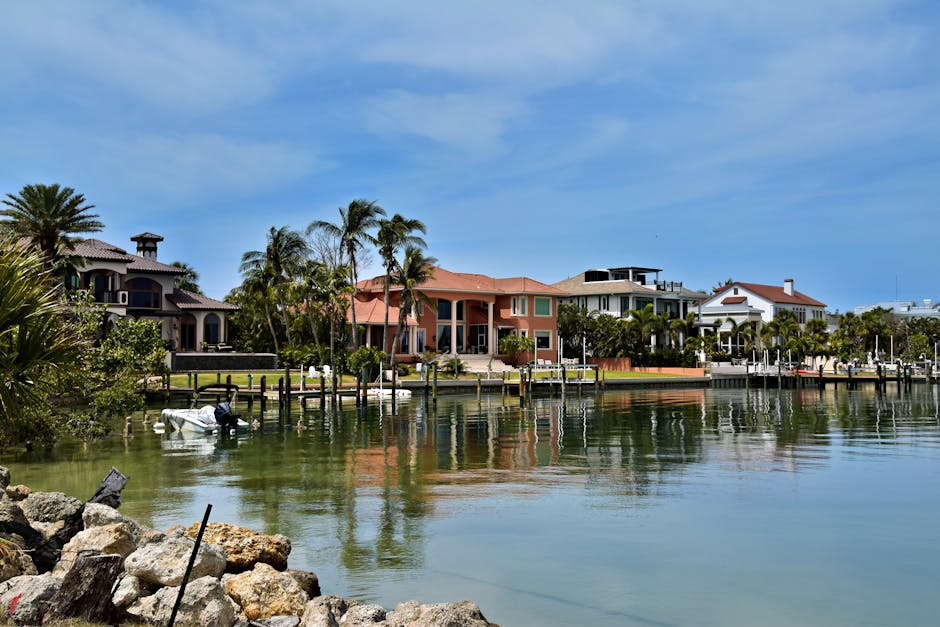
The transition of Tampa Bay from a seasonal retreat to a primary residence destination for high-net-worth individuals has fundamentally altered the valuation models used in luxury real estate. Current market data reflects a shift where waterfront proximity is no longer merely an aesthetic preference but a core component of a diversified asset portfolio. According to reports from The National Law Review, the region’s coastline is now viewed as a primary market, rivaling established enclaves in South Florida. This maturation is driven by sustained capital migration and a professional class that prioritizes the tax advantages of Florida alongside the high-utility residential infrastructure found in neighborhoods like Davis Islands and Culbreath Isles.
Investors and buyers are moving away from speculative acquisition, focusing instead on the long-term equity preservation offered by scarce deep-water lots. With a median list price currently holding at $2,498,800 across the luxury segment, the market demonstrates a floor established by limited inventory and high demand for turnkey properties. While the average list price exceeds $3.2 million, the true value is often found in the specific riparian rights and navigable depths associated with a parcel. This requires a granular understanding of local bathymetry and permitting processes that vary significantly between Hillsborough and Pinellas counties.
Understanding the nuances of these micro-markets is essential for any serious acquisition strategy. For instance, the demand for expansive estates on the open bay differs significantly from the preference for protected canal access in areas like Snell Isle or Beach Park. As we observe the current inventory of 120 active luxury listings, it becomes clear that the highest premiums are being paid for residences that successfully integrate modern flood mitigation without compromising architectural integrity. The ability to verify these structural components early in the due diligence phase is what separates successful buyers from those who encounter significant post-closing liabilities.
St. Petersburg and the New Urban Luxury Standard
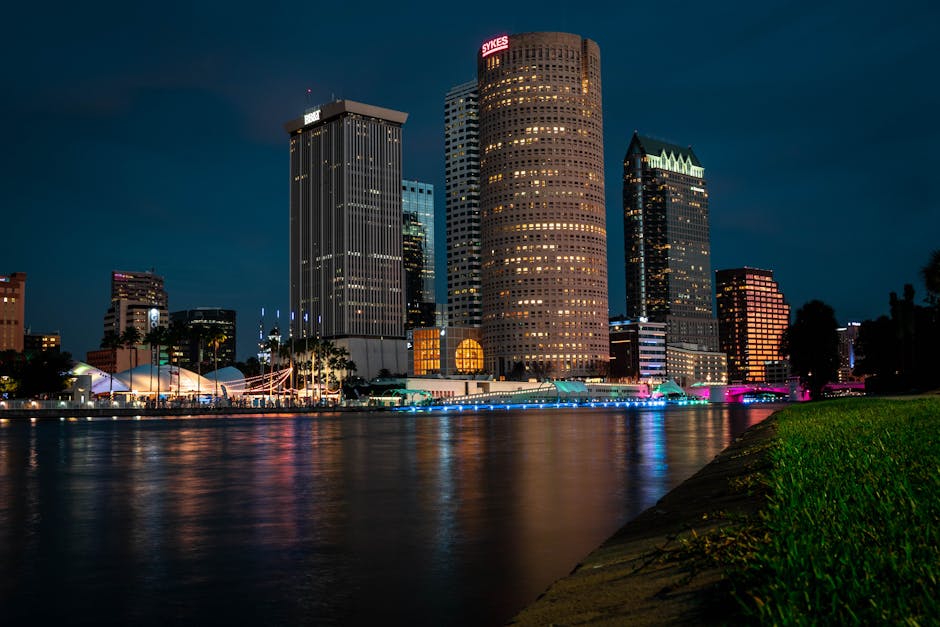
As the regional landscape evolves, Downtown St. Petersburg has redefined the definition of urban luxury, particularly within the high-rise sector. This shift is not merely about vertical living but about the integration of service-heavy amenities and proximity to cultural hubs that appeal to a younger, more mobile demographic of affluent professionals. As noted by The Business Journals, the evolution of the city’s skyline is a direct response to a demand for ‘low-maintenance, high-security’ environments that provide immediate access to the waterfront without the responsibilities of traditional estate management.
This urban density does not detract from the traditional luxury market in Tampa; rather, it provides a complementary option for those who manage multiple residences. The pricing parity between premium condos on Beach Drive and single-family homes in South Tampa indicates a balanced market where location utility is the primary driver of value. Buyers are increasingly comparing the square footage costs of new construction penthouses against the renovation costs of older waterfront estates, often finding that the modern efficiency and built-in amenities of the urban core offer a more attractive risk-adjusted return on investment.
Furthermore, the infrastructure developments surrounding the St. Petersburg pier and the Tropicana Field redevelopment project are acting as catalysts for sustained interest in the surrounding residential corridors. Unlike previous cycles where growth was localized, the current expansion is holistic, involving massive private and public sector investment. This level of commitment from developers suggests a high degree of confidence in the region’s ability to maintain its trajectory as a premier national destination. Buyers are encouraged to evaluate these urban opportunities as part of a broader regional strategy that balances city-center convenience with the privacy of suburban estates.
Evaluating Structural Resilience in Coastal Acquisitions
In the current climate, a luxury home’s value is increasingly tied to its ability to withstand the environmental pressures of the Gulf Coast. This has led to a surge in ‘hardened’ architecture, where reinforced concrete construction, high-impact glazing, and elevated living levels are standard expectations. When analyzing the active luxury listings, it is critical to look beyond the interior finishes and focus on the technical specifications of the build. Homes constructed after the latest revisions to the Florida Building Code represent a distinct class of assets that command higher insurance favorability and resale stability.
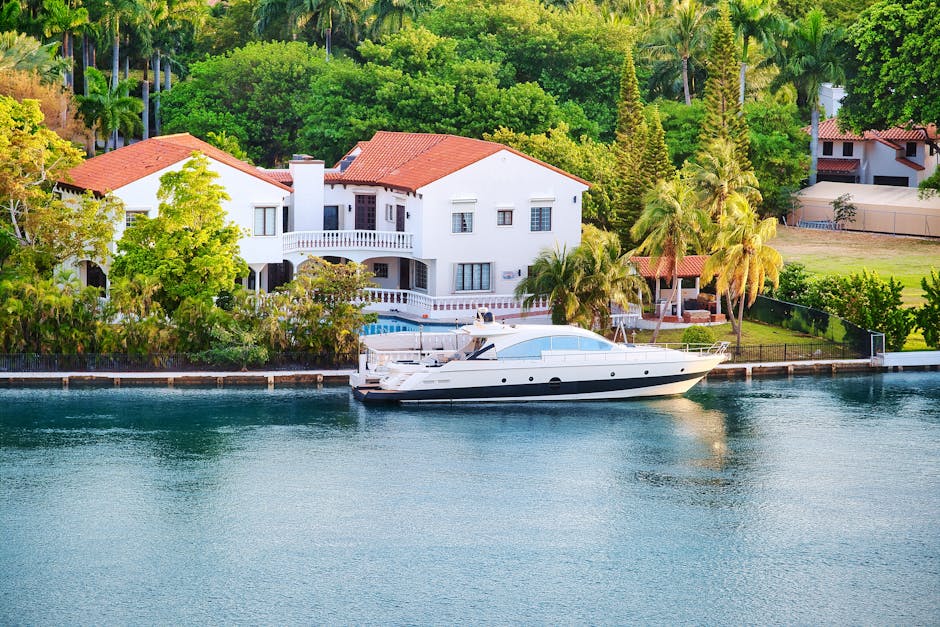
Seawall integrity is perhaps the most overlooked aspect of waterfront property valuation. A failing or antiquated seawall can represent a six-figure liability that may not be immediately apparent to the untrained eye. Buyers should prioritize properties that have recently undergone seawall remediation or those where the cap height has been raised to modern standards. Additionally, the presence of a functional, well-maintained dock with appropriate lift capacity for modern vessels is a significant value-add that can often be difficult to permit post-purchase due to tightening environmental regulations and manatee protection zones.
The emphasis on resilience also extends to the internal mechanical systems of the home. Modern luxury buyers are requesting redundancy in the form of whole-home generators, advanced dehumidification systems, and smart-home integration that allows for remote monitoring of critical infrastructure. Properties that lack these features are seeing longer days on market and more aggressive price negotiations. In an environment where the average sale price continues to rise, the burden of proof regarding structural longevity has shifted entirely to the seller, making comprehensive inspections more vital than ever.
Waterfront Due Diligence: A Critical Checklist
Navigating a waterfront transaction requires a specialized set of inquiries that differ from inland real estate. The following checklist identifies the critical areas of concern that must be addressed during the feasibility period to ensure the long-term viability of the investment:
- Verify the current elevation certificate against the latest FEMA maps to determine precise insurance premium obligations.
- Conduct a professional underwater dive inspection of the seawall and dock pilings to assess structural longevity.
- Review the property survey for existing riparian rights and any potential encroachments from neighboring marine structures.
- Confirm the navigable depth at mean low tide to ensure compatibility with specific vessel drafts and hull requirements.
- Analyze the history of permit applications for the property to identify any outstanding violations or unpermitted coastal modifications.
- Evaluate the storm surge history of the immediate neighborhood and the efficacy of local drainage infrastructure.
By addressing these points systematically, buyers can mitigate the risks associated with coastal living. It is also advisable to consult with a maritime attorney if the property includes complex dockage rights or sits on a shared canal with multiple jurisdictions. This level of rigor is what defines a sophisticated approach to the Tampa Bay market, ensuring that the acquisition remains a source of enjoyment rather than a series of unforeseen technical challenges.
Design Preferences Shifting Toward Functional Permanence
The era of ‘carbon-copy’ luxury—characterized by generic Mediterranean or Tuscan aesthetics—has ended in Tampa Bay. Modern buyers are demanding architectural designs that reflect the local environment while providing a sense of permanence and individuality. As Mansion Global reports, the market is currently favoring design touches that emphasize indoor-outdoor flow, natural materials, and wellness-centric features. This shift is particularly evident in new constructions where floor-to-ceiling glass is used to frame water views while maintaining high thermal efficiency.
We are also seeing a resurgence in the ‘Old Florida’ aesthetic, updated with contemporary clean lines and high-performance materials. This includes the use of sustainable hardwoods, native landscaping that requires minimal irrigation, and limestone flooring that remains cool in the subtropical heat. The goal is to create a residence that feels integrated into the landscape rather than imposed upon it. This design philosophy not only enhances the daily living experience but also ensures the property remains relevant as tastes evolve over the next decade.
Functional spaces have also seen a reconfiguration. The traditional formal dining room is being replaced by expansive ‘social kitchens’ and outdoor culinary centers that feature professional-grade appliances and integrated climate control. Home offices are no longer an afterthought but are now designed as primary suites with soundproofing and high-speed fiber connectivity to support global business operations. These changes reflect a buyer base that views their home as a multifunctional hub for work, health, and entertainment, rather than just a place of residence.
Strategic Inventory Analysis and Price Floor Stability
Despite fluctuations in the broader national real estate market, Tampa’s luxury sector has maintained a remarkable degree of stability. This resilience is supported by a consistent influx of equity-rich buyers from high-tax states who view the local market as undervalued compared to similar coastal enclaves in California or New York. When reviewing the most expensive luxury home sales of 2025, it is clear that record-setting prices are being achieved for properties that offer a unique combination of scale, privacy, and waterfront utility.
Current inventory levels remain low, with only 120 active luxury listings across the region. This scarcity creates a competitive environment for top-tier properties, particularly those in the $2.5 million to $4 million range. While the volume of transactions may have moderated from the peak of 2021-2022, the price per square foot has remained steady or continued to climb in premium zip-code-adjacent neighborhoods like Palma Ceia and Davis Islands. Buyers should interpret this as a sign of market maturity rather than a bubble, as the inventory is being absorbed by primary residents rather than speculative flippers.
For those looking to enter the market, the strategy should focus on identifying properties with ‘intrinsic value’—assets that cannot be replicated regardless of the economic climate. This includes lots with wide-water views, properties on historically significant streets, or homes designed by renowned regional architects. According to data from Florida Trend, the long-term outlook for the West Coast of Florida remains bullish, supported by ongoing infrastructure improvements and a pro-growth business environment. This makes the current period an opportune time to consolidate positions in high-quality residential assets.
Navigating the Transaction: Advisor Insights
In a sophisticated market like Tampa, the role of a senior advisor extends far beyond identifying potential listings. It involves the coordination of a multi-disciplinary team—including structural engineers, tax professionals, and legal counsel—to ensure every facet of the transaction is scrutinized. The complexity of Florida’s real estate laws, particularly regarding homestead exemptions and property tax caps, requires a proactive approach to financial planning during the acquisition phase. A professional advisor will provide the market context necessary to understand not just what a property is worth today, but how it will perform in a future market cycle.
As we approach the summer months, the market typically sees a slight uptick in inventory, providing a window of opportunity for buyers who have their financing and due diligence teams ready to act. Lifestyle indicators, such as the upcoming major events in the downtown core, continue to draw national attention to the region’s livability and economic vitality. For those seeking a residence that offers both immediate utility and long-term equity growth, the current landscape in Tampa Bay provides a compelling set of opportunities. The focus should remain on quality, resilience, and the unique advantages of the Florida waterfront.
Success in this market requires a combination of data-driven analysis and local intuition. Whether you are seeking a modern estate in South Tampa or a luxury penthouse in St. Petersburg, the objective is to secure an asset that aligns with your specific financial and lifestyle goals. We invite you to browse current inventory to understand the depth of the local market and contact an advisor to begin a confidential discussion regarding your acquisition strategy. Our team is prepared to provide the specialized guidance required to navigate the complexities of the Tampa Bay luxury real estate landscape.
Your next move in Tampa luxury
Get current inventory, pricing guidance, and private-tour support from our brokerage team.
Source highlights
- Downtown St. Pete's definition of luxury condos shifts as the city evolves – The Business Journals
- Tampa Bay’s most expensive luxury home sales of 2025 – Tampa Bay Times
- Tampa Bay’s Waterfront Emerges as a Primary Luxury Real Estate Market – The National Law Review
- Sarasota developer proposes 300 single-family homes in Lakewood Ranch – The Business Journals
- Carbon-Copy Luxury Is Out. These Are the Design Touches Winning Home Buyers Over. – Mansion Global
- Florida Trend Real Estate – Florida Trend
- Things to do with kids this weekend in Tampa, FL – That's So Tampa
- Things To Do In St Pete This Weekend: Best Festivals & Events Going On In St Petersburg – I Love the Burg



