


The Evolution of Tampa’s Waterfront Assets
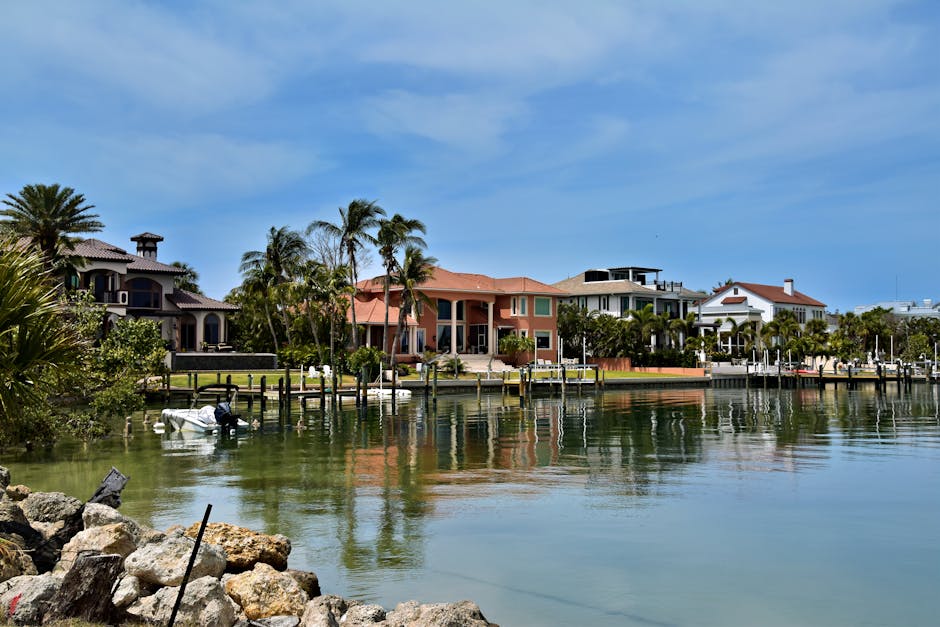
The transition of the Tampa Bay waterfront from a seasonal retreat to a primary luxury market is no longer a projection; it is the current reality. Historically, waterfront properties were often judged solely by their proximity to the Gulf or the Bay, but today’s buyers are prioritizing technical infrastructure and long-term resilience. We are seeing a significant capital migration toward properties that offer substantial seawall height, modern drainage systems, and reinforced foundations. This shift is reflected in the market’s appetite for high-end coastal properties that serve as permanent residences rather than secondary vacation homes. Analysts have noted that Tampa Bay’s waterfront is emerging as a primary luxury real estate market, driven by domestic migration and the local expansion of the professional services sector.

Currently, the median list price for luxury inventory in the region sits at approximately $2,498,800, representing a stabilized but firm baseline for entry into the premium tier. While the total volume of active luxury listings remains relatively tight at 120 units, the quality of these offerings has shifted. Buyers are no longer satisfied with legacy estates that require extensive retrofitting. Instead, the focus has pivoted toward turn-key properties or those with the structural capacity to support modern smart-home ecosystems. This environment requires a specialized approach to valuation, where the land-to-structure ratio is increasingly weighted toward the intrinsic value of the lot’s location and its ability to withstand shifting environmental standards.
As an advisor, the primary recommendation for navigating this sector is to look beyond the surface-level finishes. While a listing like the estate on Memorial Highway at $3,800,000 may offer immediate visual appeal, the underlying value is often found in the riparian rights and the longevity of the existing maritime infrastructure. Understanding the nuances of dock permits and water depth is critical for buyers planning to house significant vessels. The market velocity for these specific assets remains high, as land availability in established corridors like Davis Islands and Old North Tampa continues to diminish, forcing a compression of supply that favors the prepared buyer.
Neighborhood Allocation and the Growth of the Luxury Corridor
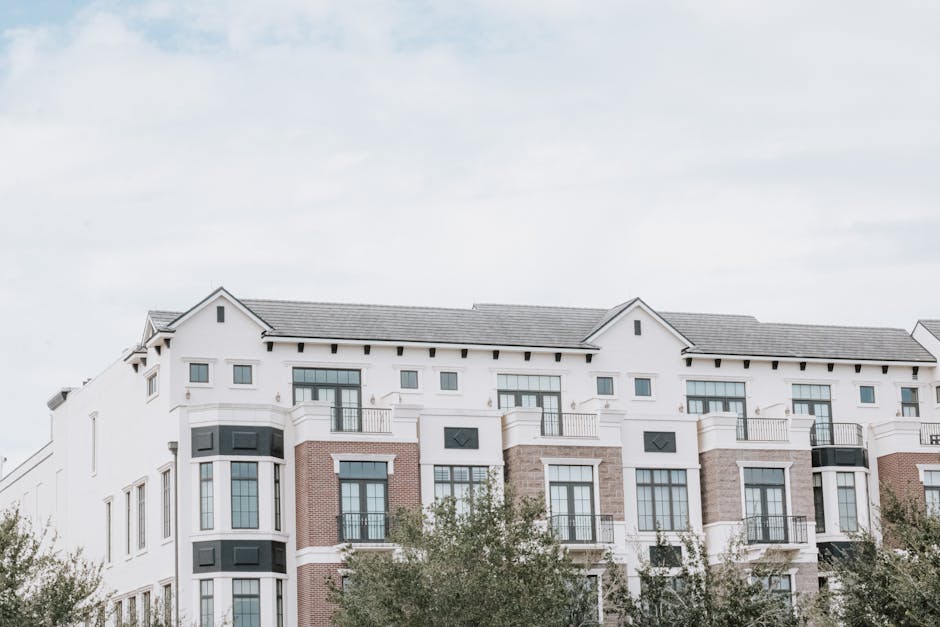
While South Tampa remains the anchor of the luxury market, we are observing a deliberate expansion into broader corridors that offer more acreage and privacy. This geographic diversification is partially driven by the development of large-scale communities that provide a buffer from the urban core while maintaining accessibility. For example, the movement toward areas like Lakewood Ranch highlights a trend where buyers are willing to trade immediate city proximity for larger footprints and master-planned amenities. Recent developments, such as the proposal for 300 single-family homes in Lakewood Ranch, indicate that the appetite for high-end residential communities is spreading eastward. This expansion is providing much-needed relief to the inventory constraints found in the coastal districts.
For the sophisticated buyer, comparing these emerging corridors with established neighborhoods requires a different set of metrics. In the urban core, value is driven by walkability and historical prestige, whereas in the newer corridors, value is derived from contemporary infrastructure and communal security. We advise clients to evaluate their five-to-ten-year lifestyle requirements before committing to a specific sub-market. A property in the Gardner Road area, listed near the $3,000,000 mark, offers a level of seclusion that is virtually impossible to replicate in the more densely populated waterfront sectors. This contrast in product type is a hallmark of the 2026 market, where ‘luxury’ is defined as much by space as it is by finishing.
Furthermore, the data indicates that top-tier property types are diversifying. While residential single-family homes comprise the bulk of the $3,269,579 average list price, there is a growing interest in land acquisition for custom builds. This is particularly evident in the commercial sale and land sectors, where savvy investors are securing positions for future development. By observing these movements, buyers can identify where the next pocket of appreciation is likely to occur, allowing for a more strategic deployment of capital into assets that are currently undervalued relative to their future potential.
The Decline of Carbon-Copy Luxury Design
The era of the ‘spec-build’ aesthetic—characterized by neutral palettes and repetitive floor plans—is rapidly ending in Tampa. High-net-worth individuals are increasingly demanding homes that reflect personal identity and architectural integrity. The trend has moved toward ‘quiet luxury,’ where high-quality materials and bespoke craftsmanship take precedence over ostentatious displays of wealth. According to industry reports, carbon-copy luxury is out, replaced by design touches that emphasize texture, natural light, and authentic finishes. This shift is particularly visible in the kitchens and master suites of Tampa’s most expensive recent sales.
When walking through a property at the $2.6M level, such as those found on Troutwater Lane, the discerning eye should look for the integration of high-performance systems that are hidden from view. This includes acoustic insulation, advanced air filtration, and lighting systems that synchronize with circadian rhythms. The 2026 buyer is looking for a sanctuary that promotes wellness, not just a structure that satisfies a social requirement. This evolution in taste means that properties with ‘dated’ luxury finishes—even if they were installed as recently as five years ago—are seeing longer days on market unless they are priced to accommodate a full interior renovation.
We are also seeing a resurgence of interest in locally sourced materials and architectural styles that pay homage to Florida’s coastal heritage while incorporating modern glass and steel elements. The goal is to create a seamless transition between indoor and outdoor living, a necessity in the Tampa climate where the April heat often reaches the low 90s. Buyers are looking for terrace designs that provide shade and airflow without obstructing the view. This level of intentionality in design is what separates a standard premium home from a true legacy asset in today’s competitive landscape.
Due Diligence Checklist for Premium Waterfront Assets
Acquiring a high-value property in the current environment requires a rigorous verification process that extends far beyond the standard home inspection. Use this checklist to evaluate potential acquisitions:
- Verify the structural integrity and remaining life of the seawall through a specialized engineering report.
- Review the property’s elevation certificate and confirm compliance with the most recent flood insurance mandates.
- Analyze the current dock configuration and cross-reference with local maritime zoning laws for potential expansion.
- Assess the smart-home backbone to ensure it supports 10-gigabit networking and integrated security protocols.
- Examine the provenance of high-end materials, such as imported stone or custom millwork, to ensure long-term maintenance feasibility.
- Audit the property’s energy efficiency, focusing on window thermal ratings and HVAC redundancy systems.
Strategic Acquisition in a Low-Inventory Market
With only 120 luxury homes currently active across the region, the market remains tilted in favor of the seller, but opportunities for strategic acquisition exist for those who understand the rhythm of local transactions. Success in this environment is rarely about being the first to see a listing; it is about being the most prepared to close. Many of the most significant transactions in 2025 and 2026 have occurred off-market or through private networks, as sellers of $5M+ properties increasingly prioritize privacy over public exposure. Keeping an eye on Tampa Bay’s most expensive luxury home sales provides a roadmap for where the highest levels of equity are being concentrated.
A critical component of a successful purchase is the ability to navigate the appraisal gap in a market where prices have moved quickly. While the average list price is over $3.2M, the actual closing figures often reflect a premium for properties that offer unique architectural features or rare lot sizes. Buyers should be prepared to provide proof of funds or a strong pre-approval from a lender specializing in jumbo portfolios. In a competitive situation, the terms of the contract—such as shortened inspection periods or the waiving of certain contingencies—can be as persuasive as the offer price itself. We emphasize the importance of having a legal and financial team ready to move at the speed of the market.
Furthermore, the role of professional representation has become more specialized. The recent launch of high-tier groups, such as the Nick Janovsky Group with Premier Sotheby’s International Realty, underscores the need for advisors who possess deep local roots and a global reach. These teams often have access to data points that are not visible on the MLS, such as pending legislative changes or upcoming infrastructure projects that could impact property values. For the investor looking to protect their capital, this level of insider insight is indispensable.
The Lifestyle Intersection: Timing and Social Context
The decision to acquire a luxury property in Tampa is rarely based on data alone; it is also a commitment to the region’s lifestyle. The timing of an acquisition often aligns with the local social calendar, particularly during the spring months when the weather is ideal and the city’s cultural offerings are at their peak. For instance, events like the best festivals and events in Tampa provide an opportunity for prospective buyers to experience the community’s social fabric firsthand. Understanding the neighborhood vibe during a busy weekend can be as informative as a private showing, as it reveals the true character of the area’s walkability and social density.
As we move through April, the local weather remains a primary draw, with temperatures hovering around 90 degrees and negligible rainfall. This environment highlights the importance of outdoor amenities, such as salt-water pools and outdoor kitchens, which are standard expectations at the median $2.5M price point. Properties that have been designed with these seasonal nuances in mind—incorporating natural shade and high-efficiency cooling—tend to retain their value more effectively than those that rely solely on artificial climate control. For the buyer, this is the season to evaluate how a home performs during the transition from the mild winter to the humid summer months.
Ultimately, the Tampa luxury market is a reflection of the city’s broader economic health. The influx of tech talent and financial firms has created a new class of buyers who are analytical, decisive, and value-oriented. These individuals are not just buying a home; they are acquiring a stake in one of the most resilient real estate markets in the country. By aligning with an advisor who understands both the micro-market data and the macro-economic trends, buyers can navigate this landscape with confidence, ensuring that their next acquisition is not just a residence, but a sound financial decision.
Selecting the right asset requires a blend of rigorous data analysis and local expertise that only a seasoned advisor can provide. Whether you are seeking a modern waterfront estate or a private inland retreat, our team offers the strategic guidance necessary to secure your position in this competitive landscape. We invite you to browse our current LISTINGS URL to explore the most exclusive properties in the region. Once you have identified a property of interest, please CONTACT URL an advisor to schedule a private briefing and discuss your acquisition strategy.
Your next move in Tampa luxury
Get current inventory, pricing guidance, and private-tour support from our brokerage team.
Source highlights
- Sarasota developer proposes 300 single-family homes in Lakewood Ranch – The Business Journals
- Tampa Bay’s most expensive luxury home sales of 2025 – Tampa Bay Times
- Tampa Bay’s Waterfront Emerges as a Primary Luxury Real Estate Market – The National Law Review
- Carbon-Copy Luxury Is Out. These Are the Design Touches Winning Home Buyers Over. – Mansion Global
- Florida Trend Real Estate – Florida Trend
- New Signature Real Estate Team Emerges Across Tampa Bay: The Nick Janovsky Group Launches with Premier Sotheby’s International Realty – citybiz
- Things To Do In Tampa This Weekend: Best Festivals & Events Going On – That's So Tampa
- Things To Do In St Pete This Weekend: Best Festivals & Events Going On In St Petersburg – I Love the Burg



