Navigating the Stabilization of High-End Valuations
The Tampa luxury sector has entered a phase of calculated stability, moving away from the frenetic pace of recent years toward a market defined by inventory depth and buyer discernment. With approximately 120 active luxury listings currently available, the median list price has settled near $2,498,800. This shift provides a unique window for advisors to evaluate assets based on long-term utility rather than speculative momentum. We are seeing a more analytical approach from local and incoming capital, where the focus remains on the structural integrity of the investment and the neighborhood’s capacity for sustained desirability.
As the average list price hovers around $3,270,412, the distinction between a ‘standard’ luxury property and a true legacy asset becomes more pronounced. Buyers are no longer rushing into contracts; instead, they are prioritizing due diligence and comparable analysis. This normalization is a healthy sign for the region, as reported by Florida Trend Real Estate, suggesting that the price floor has solidified in key enclaves. For those evaluating the current landscape, the priority should be identifying properties that offer a balance of land value, modern infrastructure, and architectural relevance.
In this environment, market movement is dictated by quality. Homes that are priced correctly and offer immediate occupancy are moving, while those with deferred maintenance or dated aesthetics require significant price adjustments. Understanding these nuances is essential for any serious buyer looking to secure a foothold in Tampa’s most competitive neighborhoods. The current inventory includes a variety of property types, from sprawling residential estates to high-potential land, allowing for a diverse range of portfolio strategies.

The Emergence of Waterfront as a Primary Residence Asset
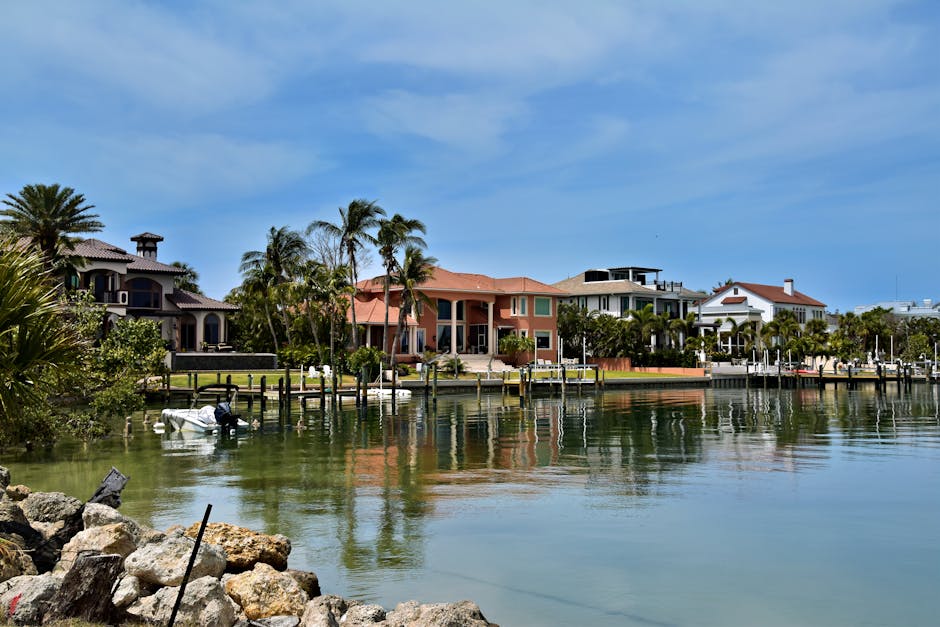
One of the most significant shifts in the local landscape is the transformation of waterfront properties from secondary vacation homes into primary residential hubs. According to a recent analysis by The National Law Review, Tampa Bay’s waterfront is increasingly viewed as a viable alternative to more congested South Florida markets. This trend is driven by a combination of improved infrastructure, private school accessibility, and a growing professional ecosystem in the downtown core. For many affluent buyers, the ability to maintain a deep-water dock while being minutes from a global business hub is a rare commodity.
Neighborhoods like Davis Islands, Bayshore Beautiful, and Culbreath Isles continue to lead this movement. Unlike older waterfront communities that relied solely on views, these areas now offer the high-speed connectivity and security features required by modern executives. The demand for these locations is reflected in the record-breaking sales of 2025, which highlighted the premium placed on proximity to the water and the city center. This shift is not merely a lifestyle choice but a strategic move for those looking to consolidate their primary residence and recreational interests into a single high-performing asset.
While the allure of the water is constant, the technical requirements for these properties have evolved. Buyers are now looking for advanced seawall construction, higher elevations, and sophisticated drainage systems to ensure the longevity of their investment. This focus on resiliency is a direct result of a more informed buyer base that understands the long-term implications of coastal living. When comparing waterfront options, it is vital to assess the age of the dockage and the integrity of the shoreline protection as much as the interior finishes.
Moving Beyond Architectural Homogeneity
The era of the ‘spec-home’ aesthetic—characterized by white-box interiors and generic finishes—is rapidly fading in Tampa. Buyers are increasingly seeking architectural distinction and bespoke design elements that reflect a personal narrative rather than a mass-market trend. This movement away from carbon-copy luxury is essential for maintaining resale value in a maturing market. As noted by Mansion Global, the focus has shifted toward natural materials, artisan-crafted details, and integrated technology that enhances rather than complicates the living experience.
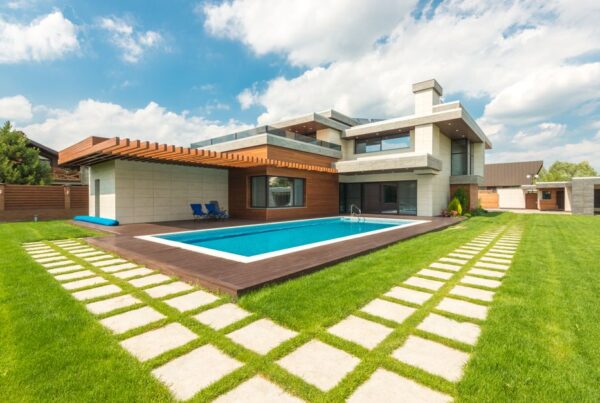
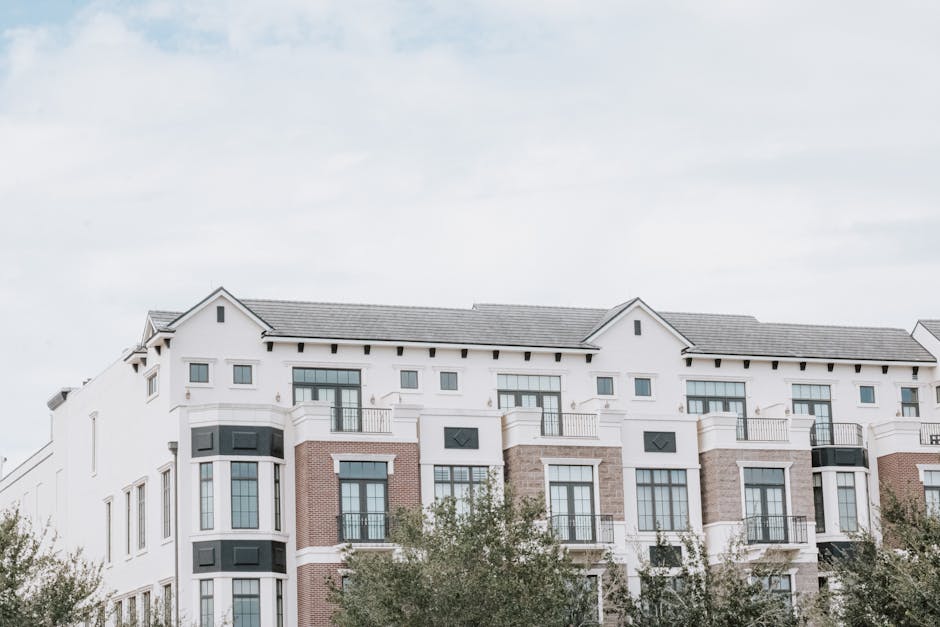
In the South End of Tampa, newly built luxury townhomes and single-family residences are beginning to incorporate more textural diversity, moving away from flat stucco toward stone cladding, warm woods, and expansive glass. A recent example of this trend is the emergence of high-end builds that prioritize indoor-outdoor flow without sacrificing privacy. This evolution is partly a response to the regional climate, where residents want to enjoy the 30°C (86°F) spring weather in spaces that feel both open and protected. The integration of high-performance HVAC systems and UV-filtered glazing is now a baseline expectation for any property priced above the $3M mark.
For those considering a purchase, evaluating the ‘soul’ of the home is now a practical financial consideration. Properties that feature custom millwork, integrated landscape design, and chef-caliber kitchens tend to hold their value better than those with builder-grade upgrades. When you browse luxury listings, look for homes that demonstrate a clear design intent. The goal is to acquire a property that feels unique to the Tampa landscape, utilizing materials that can withstand the humidity and intense sunlight characteristic of the Gulf Coast.
Strategic Asset Selection Checklist
Identifying a high-yield luxury property requires a systematic approach that goes beyond aesthetics. Buyers must balance the immediate lifestyle benefits with the long-term viability of the location and the structure itself. In a market with 120 active luxury units, the ability to filter for quality is paramount.
- Verify the elevation and flood zone status to ensure the property meets modern resiliency standards.
- Evaluate the proximity to high-performing school districts and private academies in South Tampa.
- Assess the age and efficiency of mechanical systems, including multi-zone climate control and smart-home integration.
- Investigate the neighborhood’s historical appreciation rates and any pending municipal infrastructure projects.
- Review the quality of recent renovations to ensure they adhere to building codes rather than just cosmetic standards.
- Confirm the accessibility of lifestyle hubs, such as the Water Street district or the Westshore business corridor.
By utilizing this framework, buyers can move from an emotional decision to a calculated acquisition. The goal is to find an asset that offers a ‘margin of safety’—a property that will remain desirable even if broader market conditions fluctuate. This is particularly important when considering newer developments in areas like Troutwater Lane or Gardner Road, where the scale of the estates requires a more thorough understanding of land use and privacy buffers.
The Geographic Expansion of the Luxury Corridor
While South Tampa remains the anchor for luxury activity, the corridor is expanding as buyers look for more acreage and privacy. We are seeing significant development interest in areas previously considered outskirts, such as the northern reaches of the county and toward the Sarasota border. For example, The Business Journals reported that developers are proposing hundreds of new single-family homes in the Lakewood Ranch area to meet the demand for larger lots and planned community amenities. This expansion provides an alternative for buyers who find the urban core too restrictive.
This regional growth is supported by a robust calendar of events and infrastructure improvements that make commuting and socializing more efficient. Whether it is attending festivals and events in downtown Tampa or exploring the arts scene in St. Pete, the connectivity between these hubs has never been stronger. For luxury buyers, this means the ‘address’ is no longer limited to a few specific streets; rather, it encompasses a series of interconnected high-value pockets that offer different versions of the Florida lifestyle. The decision between a compact Hyde Park historic home and a sprawling Lutz estate now comes down to how the buyer intends to interact with the city.
When evaluating these emerging areas, it is important to look at the ‘gravity’ of the location—how far it is from the key economic drivers of the region. Properties in the Westshore area or near the Memorial Highway corridor offer a strategic middle ground, providing larger lot sizes while remaining within a short drive of the airport and luxury retail. This balance is often where the most significant value can be found for those who are willing to look slightly outside the traditional luxury enclaves.
Managing Expectations in the $3M+ Environment
At the upper end of the market, particularly for homes priced over $3,800,000, the buyer pool is highly sophisticated and globally mobile. These transactions often involve complex negotiations regarding furniture, art, and specialized equipment. Understanding the cadence of these deals is essential for both buyers and sellers. We have seen a steady stream of high-value closings throughout the first half of 2025, as reported by the Tampa Bay Times, indicating that there is still significant liquidity at the top of the market. However, the ‘days on market’ for these properties has increased slightly, reflecting the more cautious approach of today’s capital.
For sellers, this means that presentation is everything. A home must be ‘turn-key’ to command a premium. For buyers, the increased inventory in this price bracket provides more leverage than they have enjoyed in years. It is a time for patience and precision. Working with an advisor who understands the off-market opportunities and the private histories of these estates can provide a significant advantage. Many of the most desirable properties never reach the public portals, trading instead through private networks where discretion is the primary currency.
As we move further into the year, the focus will remain on how the regional economy absorbs the new supply of luxury condos and townhomes. While the single-family market remains the gold standard for many, the influx of high-density luxury living options is changing the way people view ‘home’ in Tampa. For those seeking to navigate this complexity, the first step is always a thorough assessment of current goals and a deep dive into the available data. Selecting the right advisor to guide this process is the most critical decision a buyer can make.
Success in the Tampa luxury market requires a combination of local insight, architectural appreciation, and financial discipline. Whether you are looking for a historic estate in the urban core or a modern waterfront masterpiece, the current inventory offers exceptional opportunities for those who know how to evaluate quality. To begin your search or to discuss a strategic valuation of your current holdings, we invite you to contact an advisor today. Exploring the current listings for sale will provide an immediate sense of the possibilities awaiting you in this sophisticated Gulf Coast market.
Your next move in Tampa luxury
Get current inventory, pricing guidance, and private-tour support from our brokerage team.
Source highlights
- Sarasota developer proposes 300 single-family homes in Lakewood Ranch – The Business Journals
- Newly Built Luxury Townhome in Tampa's South End Hits Market – National Today
- Tampa Bay’s most expensive luxury home sales of 2025 – Tampa Bay Times
- Tampa Bay’s Waterfront Emerges as a Primary Luxury Real Estate Market – The National Law Review
- Carbon-Copy Luxury Is Out. These Are the Design Touches Winning Home Buyers Over. – Mansion Global
- Florida Trend Real Estate – Florida Trend
- Things To Do In Tampa This Weekend: Best Festivals & Events Going On – That's So Tampa
- Things To Do In St Pete This Weekend: Best Festivals & Events Going On In St Petersburg – I Love the Burg