The Transition to a Primary Luxury Market
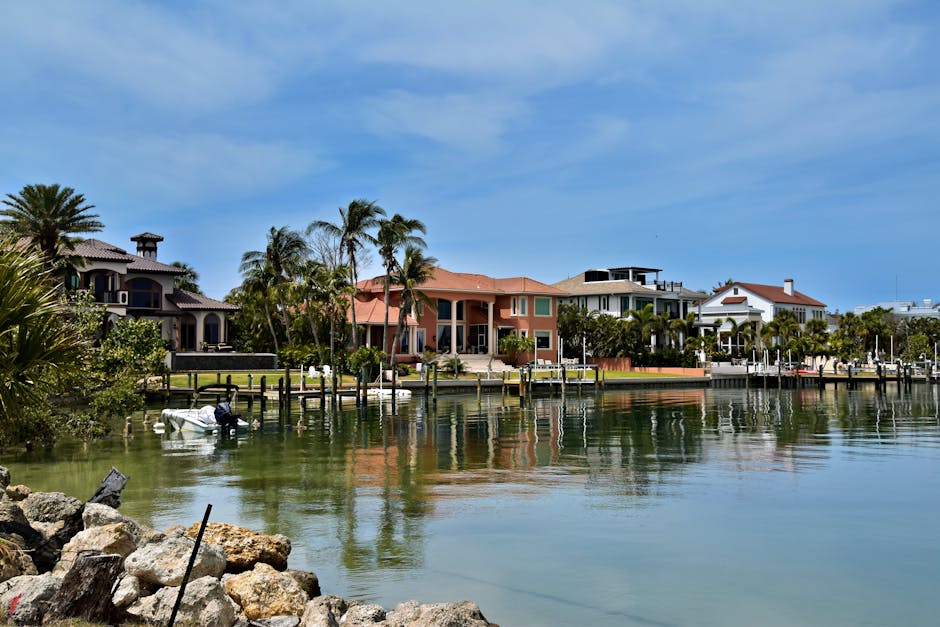
Tampa has undergone a fundamental shift in its real estate identity. Once considered a secondary or seasonal destination, the region’s waterfront has emerged as a primary luxury market, a trend recently highlighted by The National Law Review. This transition is not merely about rising prices; it is about the permanence of the capital entering the market. High-net-worth individuals are no longer looking for winter retreats; they are seeking primary residences that offer a sophisticated balance of professional infrastructure and coastal lifestyle.
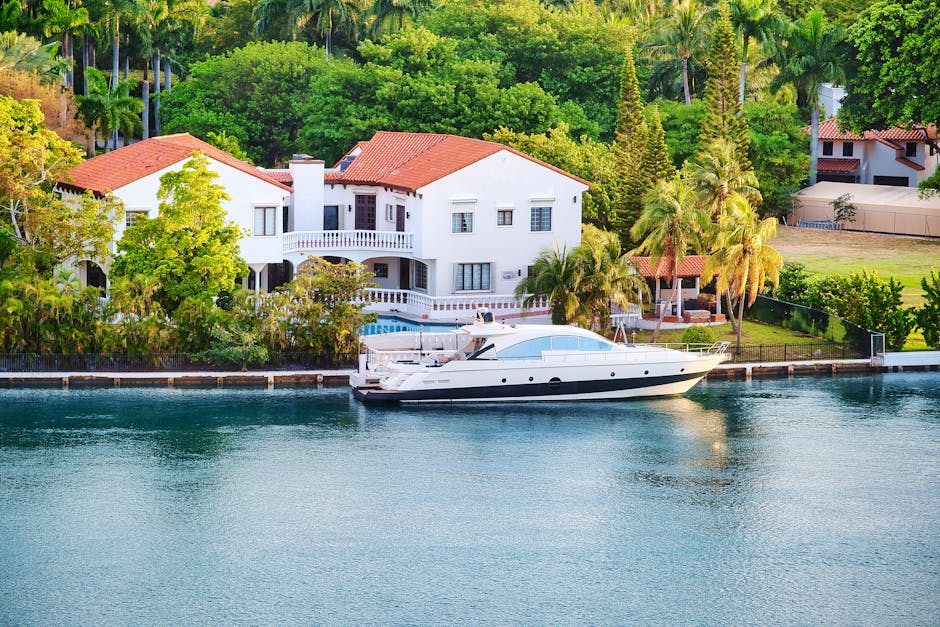
Current market data supports this maturation. With approximately 120 active luxury listings, the inventory reflects a diverse range of assets from historic estates to ultra-modern waterfront builds. The median list price currently sits at $2,500,000, providing a clear entry point for those entering the high-end segment. However, the average list price of $3,293,812 indicates a heavy weighting toward ultra-luxury properties that command significant premiums for location and architectural distinction. Understanding this gap is essential for buyers attempting to benchmark value in neighborhoods like Davis Islands or Bayshore.
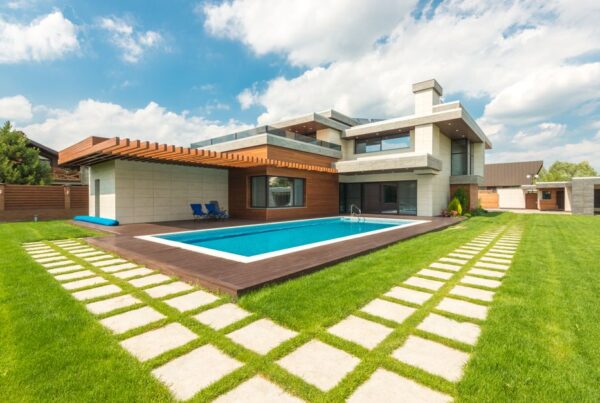
The velocity of the market is also influenced by the quality of new inventory. For example, the recent debut of newly built luxury townhomes in Tampa’s South End demonstrates a growing appetite for low-maintenance, high-density luxury living. This segment appeals to buyers who prioritize proximity to the city’s culinary and cultural hubs while demanding the finish levels found in sprawling suburban estates. This diversification of property types is a hallmark of a mature primary market, allowing for a more nuanced investment strategy.
Inventory Dynamics and the $2.5M Entry Point
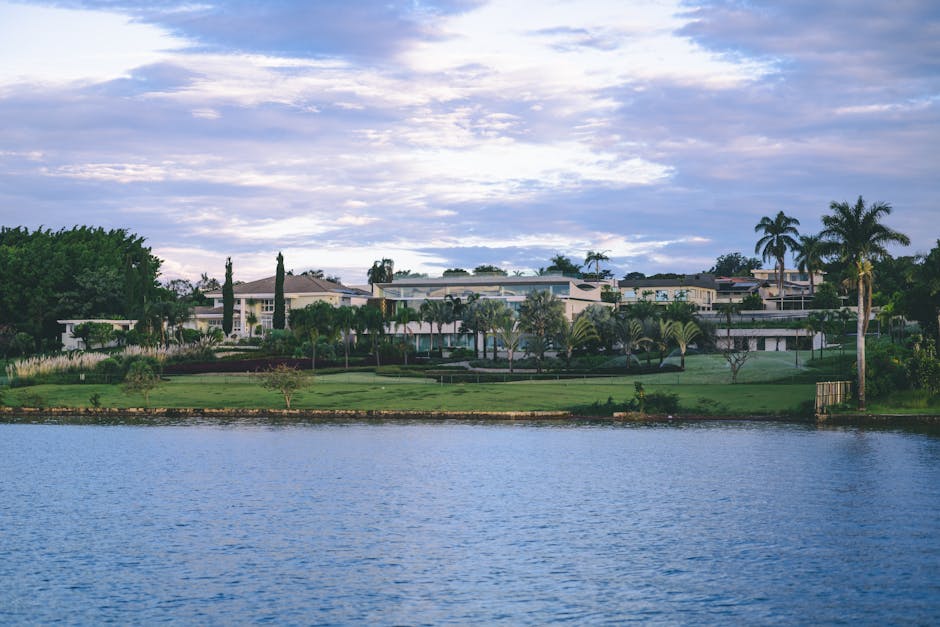
Analyzing the current inventory requires a look beyond the sticker price. The concentration of luxury homes for sale in Tampa is currently centered on specific corridors where land value often accounts for more than fifty percent of the total asset price. When reviewing LISTINGS URL, buyers will notice that properties such as the $3,800,000 estate on Memorial Highway or the $3,000,000 offering on Gardner Road set the standard for modern luxury. These figures represent the baseline for what sophisticated buyers now expect in terms of square footage, smart-home integration, and outdoor living space.
Buyer behavior in this segment has shifted toward a preference for turn-key reliability. While the charm of a 1920s Spanish Mediterranean revival is undeniable, the logistical hurdles of modernizing legacy infrastructure can be a deterrent. High-performance buyers are increasingly looking at the $2.5M to $4M range for assets that have already undergone comprehensive mechanical and aesthetic overhauls. This preference for “new or like-new” has compressed the timeline for luxury sales, making it imperative for buyers to have their financing and due diligence teams ready before a property hits the public market.
Comparison is the most effective tool for any advisor. When evaluating a property like the $2,650,000 listing on Troutwater Lane, it is important to compare the cost per square foot against recent sales in similarly zoned waterfront areas. Investors should also monitor broader Florida trends, as documented by Florida Trend, to understand how Tampa’s growth compares to other metropolitan centers like Miami or Palm Beach. Often, Tampa offers a more compelling value proposition in terms of space and privacy for the same capital outlay.
Strategic Verification: The Luxury Due Diligence Checklist
Acquiring a high-value asset in a coastal environment requires a rigorous approach to verification. In the Tampa market, where waterfront dominance is the primary driver of value, the technical aspects of the property are often more important than the interior finishes. A sophisticated buyer must look past the staging to understand the structural integrity and long-term viability of the parcel. This involves engaging specialists who understand the unique geological and atmospheric conditions of the Florida Gulf Coast.
The following checklist represents the minimum standard for due diligence when considering a high-end acquisition in the current market environment:
- Verify the integrity of seawalls and dockage rights, ensuring they meet current environmental standards and draft requirements for larger vessels.
- Analyze elevation certificates and current flood zone classifications to accurately project insurance costs and future renovation limitations.
- Assess the age and efficiency of HVAC systems, specifically their ability to manage humidity in large-volume waterfront spaces.
- Review historical traffic data for major downtown events, particularly for properties near the Amalie Arena or the Convention Center.
- Confirm the status of any undisclosed address listings via private brokerage networks, as many of Tampa’s premier assets never reach the public MLS.
- Evaluate the proximity to high-performance private and public education options, which significantly impacts long-term resale value.
Beyond the physical structure, buyers must also consider the “hidden” value of a property’s location. This includes the presence of underground utilities, the quality of local drainage systems, and even the maturity of the neighborhood’s canopy. In South Tampa, for instance, the presence of legacy oak trees can be both a significant aesthetic asset and a regulatory hurdle for future expansion. A private advisor will help navigate these local nuances, ensuring that a $3M investment remains a liquid and appreciating asset over the coming decade.
Neighborhood Nuance: From Davis Islands to Old Seminole Heights
The Tampa luxury market is not a monolith; it is a collection of distinct micro-markets, each with its own valuation metrics and buyer profile. Davis Islands remains the pinnacle of exclusivity, favored by professional athletes and CEOs for its private airport and deep-water access. Here, the competition for waterfront lots is intense, with buyers often paying a premium for the opportunity to build custom. In contrast, the estates along Bayshore Boulevard offer a more public-facing grandeur, characterized by historic architecture and the world’s longest continuous sidewalk.
South Tampa continues to lead in demand for families, driven by the concentration of top-tier schools and the walkability of districts like Hyde Park Village. The inventory here is a mix of carefully preserved bungalows and massive new-construction homes that maximize the buildable area of the lot. For those seeking more acreage, areas like Gardner Road offer a different flavor of luxury, focusing on privacy and equestrian potential while remaining within a short drive of the Westshore business district. This diversity allows buyers to tailor their acquisition to their specific lifestyle needs, whether that is high-density urban living or private suburban retreat.
When deciding between neighborhoods, it is useful to look at external benchmarks. Reports on Mansion Global often feature Tampa listings alongside global luxury hubs, providing a macro perspective on why national capital is flowing into specific Tampa enclaves. Additionally, staying informed about regional development, such as the new residential projects in Lakewood Ranch, helps buyers understand the broader growth trajectory of the West Coast of Florida. While Lakewood Ranch offers scale, Tampa’s core offers the irreplaceable value of historic location and immediate waterfront access.
The Cultural and Economic Velocity of Tampa
A city’s real estate value is inextricably linked to its cultural and economic energy. Tampa’s current momentum is visible in its calendar of high-profile events. For example, the upcoming WWE Memorial Day takeover and the Premier League events bring international attention and significant foot traffic to the downtown core. For a luxury buyer, these events are more than just entertainment; they are indicators of a city that can support large-scale tourism and corporate sponsorship, which in turn fuels the local economy and housing demand.
However, this growth does come with practical considerations. As noted by Axios, major weekend events can lead to heavy traffic in the downtown and South Tampa corridors. Savvy buyers will look for properties that offer easy egress to the Selmon Expressway or I-275, allowing them to bypass local congestion during peak periods. Understanding the city’s pulse—from concerts and festivals reported by FOX 13 Tampa Bay to the local blues and BBQ scene—is part of the due diligence process for anyone planning to make Tampa their home.
The climate also plays a significant role in the daily experience of Tampa luxury. With mid-April temperatures consistently reaching 85F (29C) and clear skies, the outdoor lifestyle is a year-round reality. This predictable weather is a primary driver for the design of modern Tampa estates, which emphasize seamless indoor-outdoor transitions. When touring homes, pay close attention to the orientation of the pool and lanai areas; a south-facing backyard is often preferred for maximum winter sun, while a western exposure offers the iconic Gulf Coast sunsets that define Tampa waterfront living.
Navigating the Final Decision
Deciding between a modern masterpiece and a renovated legacy home requires an objective analysis of long-term maintenance versus immediate character. New construction often features the latest in hurricane-rated glazing and smart-home automation, which can lead to lower insurance premiums and fewer surprise repairs. However, legacy homes in established areas offer a sense of place and mature landscaping that new developments cannot replicate. The key is to verify the “bones” of the property—foundation, roofing, and electrical—before being swayed by high-end kitchen appliances or trendy flooring.
Market movement in 2026 suggests a stabilization of prices but a continued scarcity of truly exceptional waterfront parcels. The 120 available luxury listings may seem like a healthy number, but when filtered for specific criteria like deep-water dockage or specific school zones, the options narrow quickly. This scarcity is what maintains the price floor at the $2.5M mark. Buyers should be prepared to act with confidence when a property aligns with their strategic goals, as the competition for the top 5% of inventory remains robust.
Ultimately, the role of a private advisor is to provide the data and local context that a market report bot cannot. From understanding the nuances of local zoning changes to knowing which contractors are best suited for a waterfront remodel, this expertise is what ensures a successful acquisition. By focusing on decision-useful guidance rather than market hype, buyers can navigate the Tampa luxury market with the sophistication it demands. To discuss specific inventory or to receive a private analysis of a particular neighborhood, we encourage you to browse our current listings and contact an advisor to schedule a confidential consultation.
Your next move in Tampa luxury
Get current inventory, pricing guidance, and private-tour support from our brokerage team.
Source highlights
- Undisclosed Address, Tampa, US – Luxury Real Estate Listings for Sale – Mansion Global
- Sarasota developer proposes 300 single-family homes in Lakewood Ranch – The Business Journals
- Newly Built Luxury Townhome in Tampa's South End Hits Market – National Today
- Tampa Bay’s most expensive luxury home sales of 2025 – Tampa Bay Times
- Tampa Bay’s Waterfront Emerges as a Primary Luxury Real Estate Market – The National Law Review
- Florida Trend Real Estate – Florida Trend
- Tampa weekend events: Concerts, festivals and downtown family fun — What to know before you go – FOX 13 Tampa Bay
- From Blues to BBQ: Tampa’s can’t-miss events this weekend – WMNF 88.5 FM