


What the 2026 Tampa Luxury Market Is Actually Signaling
Tampa luxury real estate in 2026 is not best described as “hot” or “cooling.” It is better understood as segmented. The broad Tampa-St. Petersburg-Clearwater market is still attracting wealth, but buyers at the top end are behaving more selectively than they did during the scarcity-driven run-up of earlier years. That matters because sellers can no longer rely on a rising-tide narrative, and buyers cannot assume every premium property is fairly priced just because it carries a South Tampa or waterfront address.
As of the February 2026 Florida Realtors release for the Tampa-St. Petersburg-Clearwater metro, listing activity in several price bands above $2 million had expanded year over year. That does not automatically mean weakness. It means the market is offering more choice, especially in the range where many relocating executives, second-home buyers, and move-up households actually shop. More choice changes leverage. It gives serious buyers room to compare block by block, build quality by build quality, and flood exposure by flood exposure instead of treating every well-staged listing as interchangeable.
This is the key analytical point for 2026: Tampa luxury is no longer one story. A renovated Bayshore-area classic, a tear-down candidate in Sunset Park, a deep-water Davis Islands estate, and a branded condo residence tied to the downtown core may all sit in the same headline price universe while functioning like completely different asset classes. Anyone reading the market at a high level needs to separate those categories before drawing conclusions about value, urgency, or negotiating power.
Three Distinct Luxury Lanes Are Driving the Market
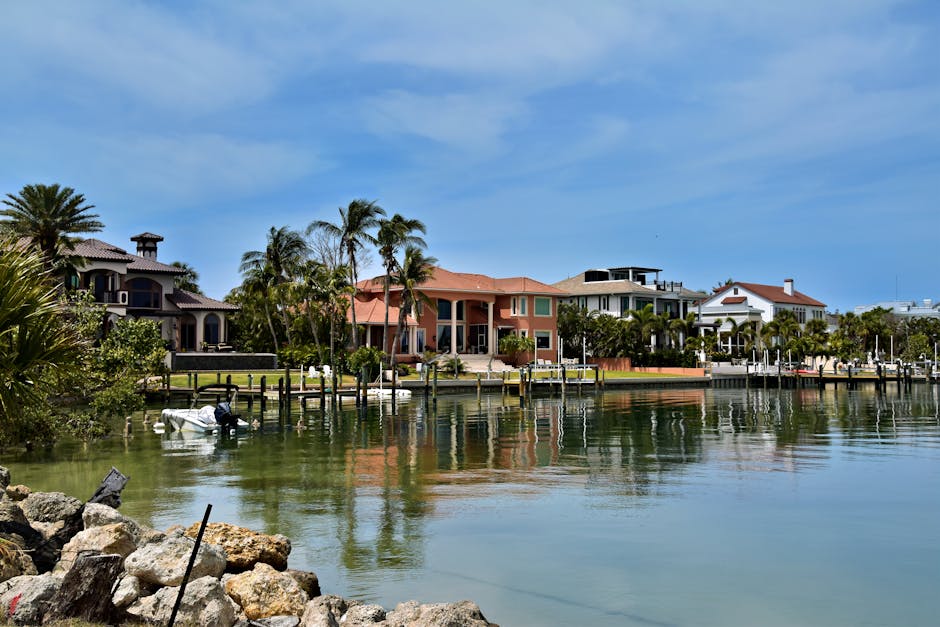
The first lane is the established South Tampa prestige market: Davis Islands, Sunset Park, Beach Park, Culbreath Isles, and select streets near Bayshore. These homes continue to command a location premium because the buyer is not just purchasing square footage. They are paying for school patterns, boating access, social proximity, and a very specific daily lifestyle. When a house in this lane combines a strong lot, high-quality renovation work, storm-conscious construction, and a walkable or club-adjacent setting, it still tends to outperform the broader market.
The second lane is the redevelopment and replacement-cost market. In several high-demand neighborhoods, buyers are underwriting the dirt almost as much as the house. Older homes on good lots are being evaluated through the lens of rebuild potential, elevation strategy, insurance planning, and future resale flexibility. That creates a very different pricing conversation from the one attached to a turn-key property. Sellers often overestimate what a dated house should command by referencing finished-product comps, while sophisticated buyers discount heavily for time, risk, and construction cost uncertainty.
The third lane is the urban luxury and branded-residence market tied to downtown Tampa, Water Street, and projects such as Pendry-related inventory. This segment appeals to a different buyer profile: executives who want lock-and-leave convenience, out-of-state owners who value services and security, and households that care more about views, amenities, and frictionless travel than they do about acreage. It is one reason broad statements about the “Tampa luxury market” are often too blunt to be useful. The buyer choosing a condo tower residence is rarely solving for the same priorities as the buyer comparing dock depth and bridge clearance on the bay.
Why More Inventory Does Not Mean the Same Thing in Every Price Band
One of the most useful ways to read Tampa in 2026 is to distinguish between improved selection and true pricing pressure. The metro-level data suggests that upper-tier inventory has broadened in parts of the market. That helps disciplined buyers because they can walk away from compromised product. But the practical effect depends on the asset.
- Well-executed waterfront homes still benefit from scarcity and can attract decisive interest when location, elevation strategy, and renovation quality align.
- Homes with ambitious pricing but visible insurance, roof, seawall, or floor-plan issues are more exposed than they were a few years ago.
- Condo and branded-residence inventory often rewards patience because buyers can compare fees, reserves, views, and services more directly than they can in the single-family market.
- Rebuild and heavy-value-add opportunities remain viable, but only when the lot math works after carrying costs, permitting complexity, and construction timelines are honestly modeled.
That is why days-on-market statistics need interpretation. A longer marketing period is not always a sign of weak demand. Sometimes it is the market correctly refusing to ignore an avoidable issue. In Tampa, the spread between a beautifully positioned, storm-aware luxury home and a similar-looking property with hidden infrastructure risk can be dramatic once a serious buyer digs into the due diligence.
Local Factors Buyers Should Underwrite More Carefully in 2026
Tampa buyers at the premium end are much more detail-sensitive now, and for good reason. The right way to analyze a luxury acquisition is not to ask, “Do I love the house?” first. It is to ask, “Will this address still make sense after I price in the real carrying costs and future saleability?” In Tampa, that question usually turns on local conditions rather than national headlines.
- Water exposure and flood planning: Waterfront prestige is powerful, but the difference between protected and exposed locations, updated and outdated seawalls, or good and poor drainage design has become materially important.
- Insurance reality: Two houses with similar aesthetics can produce very different ownership costs once wind coverage, flood assumptions, roof age, and mitigation features are considered.
- Neighborhood micro-market behavior: Davis Islands does not trade like Sunset Park, and Sunset Park does not trade like a downtown branded residence. Each submarket has its own buyer expectations.
- Traffic and access patterns: A luxury address that looks ideal on paper may function very differently depending on school runs, airport access, bridge dependence, or downtown commute friction.
- Association economics: In the condo market, monthly fees, reserve health, pending capital projects, and governance quality matter as much as the finishes inside the unit.
For buyers relocating from lower-risk or more homogenous markets, these Tampa-specific variables can be easy to underestimate. That is precisely where local advisory work creates value. It narrows the search not just by price, but by lifestyle fit and risk tolerance.
What the Strongest Neighborhoods Are Telling Us
The neighborhoods drawing the most serious luxury attention in Tampa right now tend to fit one of three patterns. First, there are the blue-chip enclaves where long-term demand remains durable because the location story is almost impossible to replicate. Davis Islands is the obvious example, particularly for buyers who want a rare combination of water access, private-club proximity, and a recognizable South Tampa identity. If that is your focus, our Davis Islands guide is the better next read than a generic market roundup.
Second, there are high-prestige neighborhoods where lot quality and teardown economics continue to shape the market. Sunset Park fits here. Buyers willing to pay for land, school access, and a polished South Tampa setting often evaluate the neighborhood very differently from buyers seeking a simpler turnkey purchase. That is why our Sunset Park neighborhood guide is useful when you need street-level context.
Third, there is the branded and service-rich urban product emerging around the downtown core. This is where the conversation shifts from lot size to convenience, privacy, staffing, amenities, and view quality. Buyers considering that lane should compare fee structures, reserve posture, and unit-level livability, not just brochures. Our Pendry overview is a good starting point if that product type is on your shortlist.
What This Brief Means for Buyers and Sellers
For buyers, the 2026 opportunity is not simply that there may be a little more choice. The real opportunity is that the market is easier to analyze if you are willing to be disciplined. You can reject compromised houses, compare true ownership cost more honestly, and target the product type that matches your life instead of overpaying for a famous zip code with the wrong physical attributes.
For sellers, the takeaway is equally clear. Presentation still matters, but credibility matters more. In this market, sophisticated buyers will notice deferred maintenance, vague feature claims, weak flood-readiness answers, and pricing that leans too hard on outdated comps. Homes that feel turnkey, transparent, and locally well-positioned still have a path to strong outcomes. Homes that ask buyers to ignore risk now sit longer and invite sharper negotiation.
The market is still attractive. Tampa remains appealing because it combines tax advantages, waterfront lifestyle, private-club culture, improving urban product, and relative value compared with several larger coastal luxury markets. But the decision-making standard is higher than the marketing language often suggests. That is the real story of 2026.
Bottom Line
If you want to read Tampa luxury correctly this year, separate the market into its real categories, underwrite local risk honestly, and avoid treating prestige addresses as interchangeable. Buyers who do that can find strong opportunities. Sellers who respect that buyer mindset can still position premium property well. If you want help interpreting current inventory instead of just scrolling it, start with our Tampa luxury listings or speak with our advisory team for a neighborhood-specific review.
Read the market with more precision
We help buyers and sellers compare Tampa luxury inventory by neighborhood, property type, and real carrying-cost risk.



