


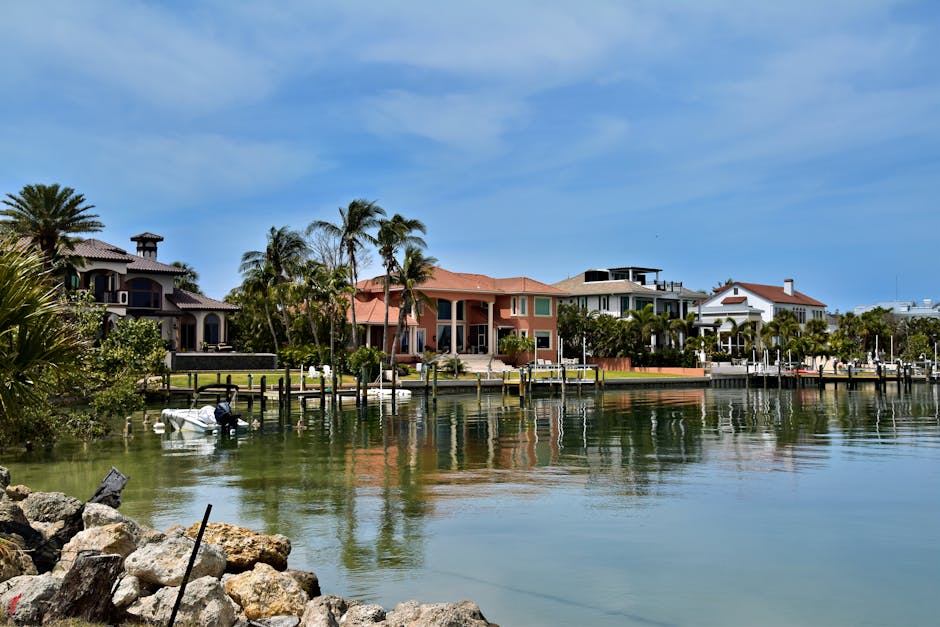
The Current State of Tampa’s High-End Inventory
The active luxury inventory across the Tampa market currently sits at a highly monitored 120 properties. With a median list price firmly established at $2,499,000, buyers are navigating a new baseline for premium real estate. This median point contrasts sharply with the average list price of $3,261,429, revealing a market skewed upward by a concentrated collection of ultra-luxury estates. Understanding this statistical spread is critical; it demonstrates that while entry into the luxury tier begins around the $2.5 million mark, the upper echelon of the market operates on an entirely different pricing paradigm, driven by scarcity and architectural significance.

Beyond the raw numbers, the broader economic context reveals a fundamentally sound environment. The Tampa Bay luxury market is demonstrating remarkable resilience, growing stronger despite national declines observed in other metropolitan areas. This sustained momentum is fueled by continuous corporate relocations, strategic wealth migration from high-tax jurisdictions, and a permanent recalculation of the region’s geographic value. Affluent buyers are purposefully shifting their capital toward tangible asset stability, prioritizing markets that deliver both immediate lifestyle utility and robust long-term wealth preservation.
Navigating this environment requires a granular approach to neighborhood-level dynamics. In established enclaves like Davis Islands, Culbreath Isles, and Beach Park, inventory remains exceptionally tight, with demand consistently outpacing supply. In these highly coveted areas, a significant volume of transactions occurs off-market through private networks. Buyers entering this tier require precise valuation metrics—analyzing price per square foot on meticulously renovated structures versus original footprints—to compete effectively. Success hinges on recognizing hyper-local value rather than relying on generalized city-wide data.
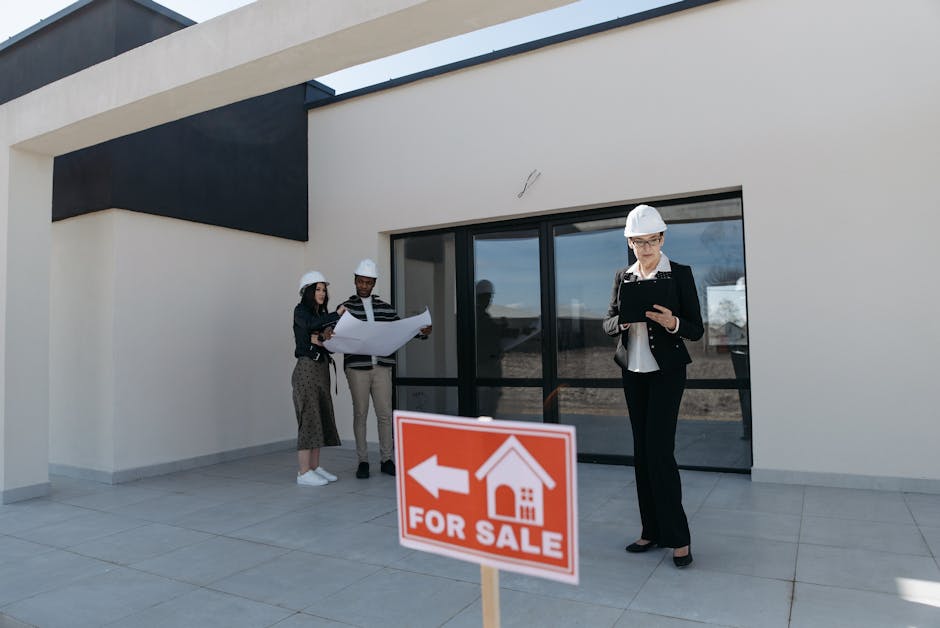
The composition of available inventory is heavily weighted toward expansive residential estates, though high-value commercial and land acquisitions represent strategic opportunities for long-term investors. Teardowns in mature, tree-lined neighborhoods frequently command premium prices, requiring buyers to possess a clear vision of their construction timeline and hold strategy. The market dictates that buyers must aggressively pursue quality assets the moment they become available, as days on market for correctly priced, turnkey properties remain low.
Waterfront Asset Valuation and Acquisition Strategies
Waterfront property in the region has officially matured into an elite asset class, with Tampa Bay’s waterfront emerging as a primary luxury real estate market on a national scale. The valuation premium applied to navigable water access continues to expand, creating a definitive divide between coastal estates and inland luxury compounds. The specific parameters that define tier-one waterfront property—including draft depth, linear frontage, and unimpeded proximity to open gulf waters—dictate the ceiling of these valuations.
When evaluating waterfront assets along Bayshore Boulevard, the Venetian Isles, or the Sunset Park waterfront, buyers must integrate complex infrastructure elements into their financial models. Securing a property here requires assessing seawall structural integrity, navigating stringent dockage regulations, and securing favorable flood elevation certificates. In the luxury waterfront category, the physical dwelling is frequently secondary to the irreplaceability and quality of the water frontage itself, shifting the focus from architectural style to structural fortitude.
It is essential to strictly differentiate between open-bay vistas and deep-water canal access during the valuation process. Open-bay properties command the highest aesthetic premiums, offering expansive, unobstructed views and elevated social cachet. Conversely, deep-water canals provide necessary utility, draft clearance, and weather protection for substantial vessels. Properly assessing these distinctions prevents buyers from overpaying for fundamentally compromised water access, ensuring the acquisition perfectly aligns with their specific maritime requirements.
The impact of new coastal construction standards further complicates waterfront valuations. Modern builds adhering to the latest building codes—featuring elevated primary living spaces, breakaway lower-level walls, and advanced water mitigation systems—carry a significant market premium over older, non-compliant structures. Buyers must rigorously calculate the cost-benefit ratio of acquiring a legacy property requiring extensive structural modernization versus securing a turnkey, code-compliant estate that mitigates future risk.
Due Diligence Criteria for Seven-Figure Properties
Transitioning from market observation to serious acquisition demands uncompromising due diligence. The distinction between a sound, appreciating investment and a perpetual capital drain often lies concealed within the structural and regulatory realities of the property. Affluent buyers must approach the inspection period not merely as a formality, but as a comprehensive audit of a highly complex asset. This phase requires deploying specialists capable of identifying liabilities that standard inspections overlook.
Evaluating a high-net-worth property requires assembling a team equipped to assess commercial-grade systems integrated into residential settings. Modern estates frequently feature sophisticated multi-zone HVAC installations, advanced building envelope materials, complex smart home automation, and independent power generation systems. These proprietary components demand inspection by specialized technicians to verify maintenance history and identify impending capital expenditures, ensuring the buyer does not inherit deferred maintenance on critical infrastructure.
Establishing a methodical approach to the inspection period mitigates risk and provides necessary leverage during final negotiations. Consider the following non-negotiable verification points before finalizing an offer on a premium Tampa property:
- Verification of unpermitted additions, particularly concerning seawalls, extended docks, and outdoor pavilions that may trigger municipal code violations.
- Comprehensive assessment of the building envelope, prioritizing the integrity of impact-rated glazing, weatherproofing membranes, and advanced roofing systems.
- Review of neighborhood association constraints regarding exterior modifications, privacy enhancements, and architectural compliance.
- Analysis of recent adjacent land sales to establish accurate, hyper-local comparative market values independent of structural improvements.
- Evaluation of current flood zone designations and the corresponding financial implications for long-term insurance underwriting and coverage limitations.
- Inspection of high-voltage electrical panels and integrated smart-home infrastructure to ensure systems are not facing technological obsolescence.
Furthermore, aggressive legal and title review is mandatory in established, mature neighborhoods. Buyers must verify precise property lines, confirm riparian rights for waterfront parcels, and identify any existing easements that could impede future development or expansion plans. A thorough legal review guarantees the buyer retains absolute, unencumbered control over their acquired asset, protecting the investment from unforeseen boundary disputes or developmental restrictions.
The Evolution of Tampa’s Condominium Sector
While sprawling single-family estates have historically commanded the local luxury narrative, Tampa remains an early-stage luxury condo market with exceptional trajectory and upside potential. High-rise developments clustering around the Channel District, Water Street, and the downtown core are aggressively establishing new price ceilings and redefining vertical living. This sector represents a critical growth vector, attracting buyers who demand premium finishes combined with intense urban connectivity.
These modern vertical communities cater directly to affluent buyers seeking significantly reduced maintenance requirements paired with highly localized, walkable amenities. However, evaluating a condominium requires a fundamental shift in analytical focus. The financial health of the condominium association, the adequacy of reserve funds, and the potential for pending special assessments must be scrutinized with the same intensity applied to a single-family home’s structural foundation.
The ongoing amenities arms race among luxury developers means buyers must critically evaluate and assign specific monetary value to offered services. The tangible utility of amenities such as private elevator foyers, dedicated 24-hour concierge services, climate-controlled wine storage, and automated parking systems must be measured against escalating monthly association dues. Buyers should separate the functional value of these features from the developer’s marketing narrative to determine the true cost of ownership.
A notable shift toward larger floor plans and penthouse-level exclusivity characterizes the current development cycle. As the market matures, developers are intentionally merging units and offering expansive, customized layouts that rival the square footage of traditional suburban homes. This architectural trend directly appeals to downsizers transitioning from large estates who refuse to compromise on spatial scale, ceiling heights, or finish quality, further driving up the median price of vertical inventory.
Navigating Local Dynamics and Macro Market Influences
Tampa’s premium real estate environment is heavily influenced by domestic migration patterns and seasonal buyer influxes. Understanding these cyclical movements provides a profound strategic advantage during negotiations and inventory selection. The market rhythm dictates the pace of acquisitions, the volume of competing offers, and the overall aggressiveness required to secure targeted properties. Buyers operating without awareness of these external pressures frequently find themselves outmaneuvered.
The local calendar, frequently punctuated by major weekend events, festivals, and cultural gatherings, drives reliable short-term surges in viewing requests and out-of-state buyer activity. Assessing traffic patterns, noise levels, and neighborhood accessibility during these peak periods offers buyers a highly realistic preview of an area’s operational reality. A neighborhood’s character can shift dramatically during heightened civic activity, making physical observation during these times essential.
Consequently, timing an acquisition requires monitoring both macro-economic indicators and local micro-market fluctuations. An experienced advisor will leverage these nuances to identify optimal entry points, recognizing when seasonal lulls present favorable negotiation windows or when peak season demands preemptive, aggressive offers to secure a highly desirable asset. The ability to read the market’s tempo separates successful acquisitions from missed opportunities.
The continuous influx of out-of-state capital also reshapes valuation expectations. Buyers accustomed to the pricing structures of coastal California or the Northeast often perceive Tampa’s premium sector as comparatively undervalued, even at record highs. This perception drives rapid absorption of top-tier inventory and necessitates that local buyers adjust their negotiation strategies to compete effectively with cash-heavy, decisive external capital that operates with different financial baselines.
Formulating a Decisive Acquisition Strategy
Securing a premium property in the current Tampa landscape requires decisive action backed by comprehensive data analysis and unwavering market intelligence. Affluent buyers must purposefully move past emotional appeal and evaluate real estate as a rigorously structured asset acquisition. The complexity of the $2.5M+ sector leaves absolutely no room for hesitation, uninformed speculation, or reliance on outdated market assumptions.
Whether prioritizing the meticulous restoration of a historic Hyde Park residence or commissioning a modern architectural build in a waterfront enclave, the alignment of personal utility with long-term asset retention is paramount. Buyers must continuously review the current active inventory to understand the fluid baseline pricing for their specific architectural and geographic requirements. You can explore the data, track market movements, and analyze comparable values by reviewing our curated portfolio of Tampa luxury properties.
The market disproportionately favors the prepared and the well-represented. Engaging with a dedicated advisor allows buyers to systematically formalize their acquisition criteria, arrange discreet private viewings of off-market opportunities, and execute a flawless, calculated acquisition strategy. Waiting for the market to soften is a flawed approach in a high-demand environment. Contact our advisory team to initiate a confidential consultation, refine your investment parameters, and begin the process of securing your position in Tampa’s premier real estate market.
Your next move in Tampa luxury
Get current inventory, pricing guidance, and private-tour support from our brokerage team.
Source highlights
- Newly Built Luxury Townhome in Tampa's South End Hits Market – National Today
- Tampa Bay’s most expensive luxury home sales of 2025 – Tampa Bay Times
- Tampa Bay luxury market grows stronger despite national declines – The Business Journals
- Why Tampa remains an early-stage luxury condo market – Tampa Bay Business & Wealth
- Tampa Bay’s Waterfront Emerges as a Primary Luxury Real Estate Market – The National Law Review
- Inside Tampa’s $675 Million Surge: How the City Became Florida’s New Luxury Investment Capital – hauteresidence.com
- Things To Do In Tampa This Weekend: Best Festivals & Events Going On – That's So Tampa
- City officials expect heavy traffic in Tampa amid an event-packed weekend – wtsp.com



