


The Institutionalization of the Tampa Bay Luxury Corridor
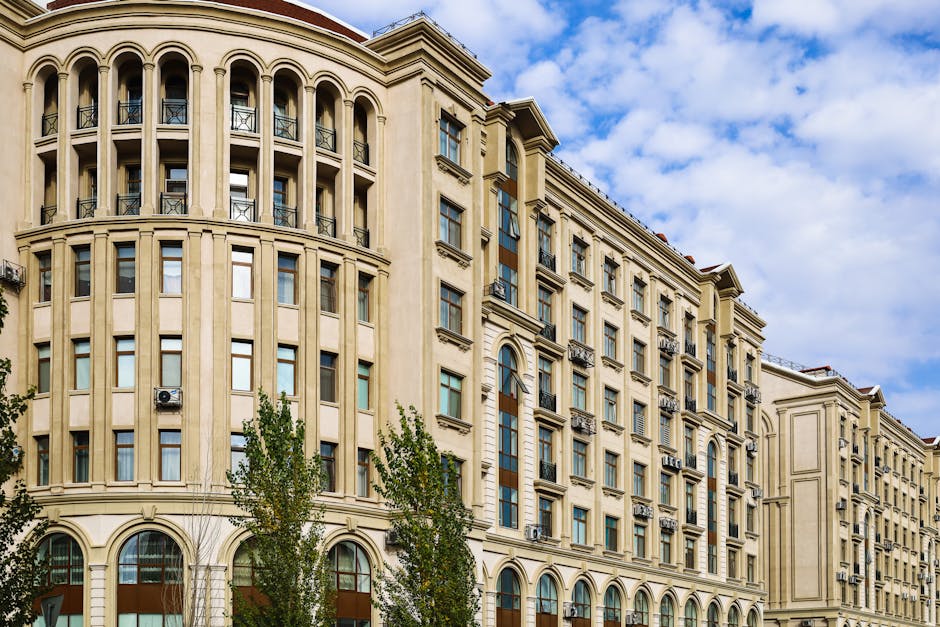
The transition of Tampa from a regional hub to a primary luxury market is no longer a speculative forecast; it is a documented reality. In recent cycles, the region has seen an influx of over $675 million in institutional and private investment capital, signaling a fundamental shift in how global investors view the West Coast of Florida. This surge, as noted by Haute Residence, has repositioned the city as a major capital destination, moving beyond the transient wealth typical of secondary vacation markets. Sophisticated buyers are now treating Tampa as a primary residence hub, driven by the expansion of professional services, healthcare tech, and a robust private aviation infrastructure.
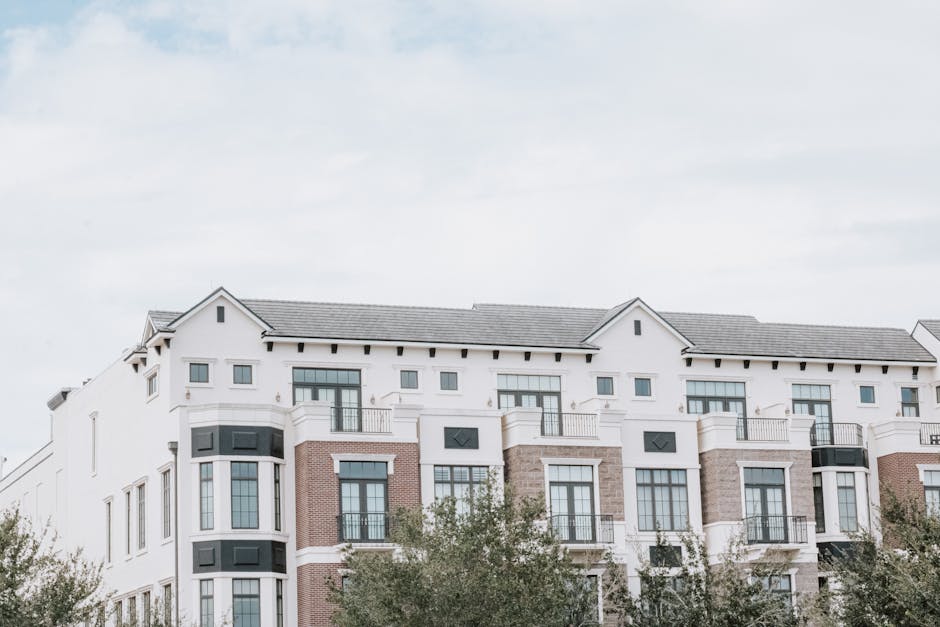
Unlike previous cycles where appreciation was driven by scarcity alone, the current market is supported by a significant upgrade in the quality of the built environment. We are seeing a new standard of architectural merit in neighborhoods like South Tampa and along the newly defined waterfront districts. This institutional backing ensures that the infrastructure surrounding these high-value assets—ranging from private club access to high-end retail—is scaling alongside the residential developments. For the advisor, this means the conversation has shifted from ‘when will Tampa arrive?’ to ‘how do we navigate the current pricing floor?’
The resilience of the local market stands in sharp contrast to national trends. While many traditional luxury enclaves across the United States have faced stagnation or price corrections due to interest rate volatility, the Tampa Bay Business Journal reports that the local luxury sector remains exceptionally strong. This divergence is largely attributed to the sustained migration of high-net-worth individuals from the Northeast and Midwest who are seeking long-term capital preservation in a tax-friendly environment that offers genuine urban utility without the congestion of Miami or New York.
Waterfront Assets as Primary Capital Anchors
The emergence of the Tampa waterfront as a primary real estate market is perhaps the most significant structural change in the last decade. Historically, waterfront living in the region was limited to single-family estates in established enclaves. However, the maturation of the luxury condo market has introduced a level of vertical living previously unavailable. As highlighted by the National Law Review, these developments are now being viewed as primary assets rather than secondary holdings, attracting buyers who require the security and concierge services associated with high-rise living.
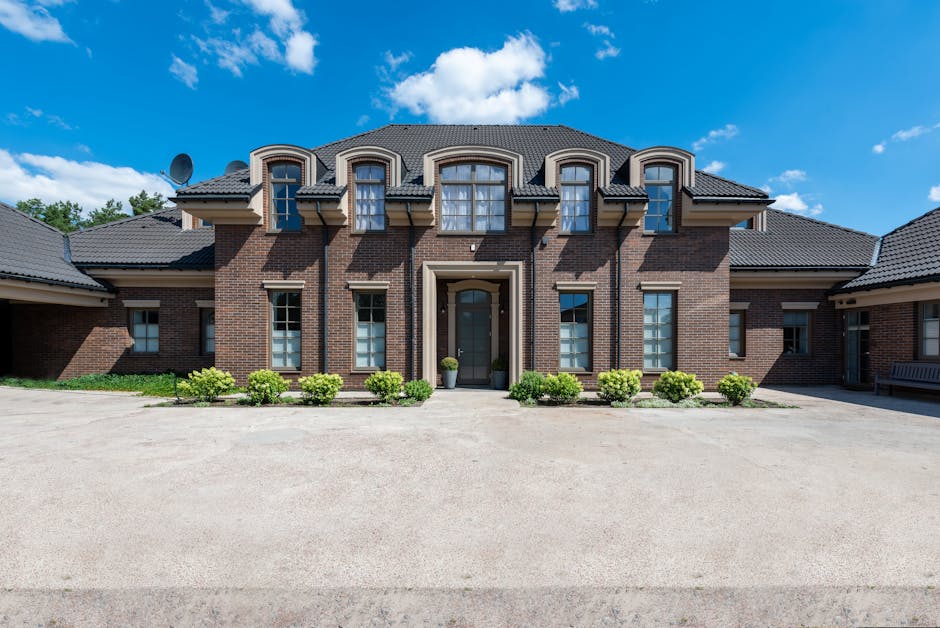
The demand for waterfront property has pushed the development of specialized amenities that cater to a discerning clientele. We are seeing a focus on deep-water access, multi-car climate-controlled storage, and integrated wellness suites. Neighborhoods such as the South End of Tampa are seeing a rise in newly built luxury townhomes that bridge the gap between traditional estates and maintenance-free condo living. These properties offer the footprint of a single-family home with the modern efficiencies required by today’s sophisticated buyer, often hitting the market at price points that reflect their scarcity and high-end finishes.
Current inventory data reflects this concentration of value. With approximately 120 active luxury listings in the core Tampa market, the competition for trophy assets remains high. The average list price has climbed toward the $3.2 million mark, driven by significant sales in areas such as Troutwater Lane and Memorial Highway. This pricing is not merely a reflection of inflation but a response to the increased cost of high-resilience construction and the premium placed on ready-to-move-in assets that bypass the current multi-year construction timelines.
Analytical Due Diligence for High-Net-Worth Acquisitions
Acquiring real estate at the $2.5 million to $10 million level in 2026 requires a more rigorous due diligence process than in previous years. The focus has shifted from aesthetic appeal to structural integrity and long-term risk mitigation. Buyers are increasingly scrutinizing elevation certifications, structural resilience against coastal weather patterns, and the quality of mechanical systems. In a market where the median list price is consistently rising, the margin for error in property selection has narrowed significantly.
- Verification of riparian rights and shoreline stabilization for all waterfront parcels.
- Assessment of structural resilience certifications and updated elevation data relative to current coastal requirements.
- Analysis of historical price appreciation vs. current replacement cost in the specific neighborhood micro-market.
- Evaluation of smart home integration and the redundancy of critical utility systems.
- Review of proximity to private aviation hubs and premier concierge medical facilities.
Furthermore, the condo market in Tampa is still considered ‘early-stage’ compared to other major Florida cities, as noted by Tampa Bay Business & Wealth. This presents a unique window for investors to enter a market that is still defining its upper limits. Understanding the nuances of each development—from the reputation of the developer to the long-term viability of the HOA reserves—is essential. We advise our clients to look beyond the marketing materials and focus on the underlying data that supports the asset’s valuation over a ten-year horizon.
Neighborhood Nuance and the South Tampa Advantage
South Tampa remains the gravitational center for luxury real estate in the city, but the boundaries of what is considered ‘prime’ are expanding. Traditional enclaves like those found on Gardner Road continue to command a premium due to their lot sizes and established privacy. However, we are seeing a tactical movement toward the ‘South End’ where newer, high-density luxury options are providing an alternative for those who prioritize proximity to the city’s expanding culinary and social core. This area is becoming a focal point for buyers who want the convenience of an urban lifestyle without sacrificing the exclusivity of a luxury residence.
Buyer behavior in 2026 is characterized by a preference for ‘lifestyle clusters.’ This means that the value of a property is increasingly tied to its proximity to elite social clubs, private schools, and high-end wellness centers. The local social calendar, featuring events like the major festivals noted by That’s So Tampa, provides a backdrop for a lifestyle that is both active and sophisticated. The current weather conditions—with clear skies and temperatures holding in the high 80s—further highlight the appeal of the indoor-outdoor living configurations that dominate current architectural trends.
When comparing South Tampa to other emerging districts, the data points to a sustained pricing floor. The concentration of wealth in these specific neighborhoods creates a level of price stability that is rare in the broader Florida market. We are seeing properties like the estates on Memorial Highway and the newer builds on Troutwater Lane set new benchmarks for price-per-square-foot, driven by buyers who value the specific neighborhood-level implications of their investment. This is a market that rewards specificity and deep local knowledge.
The 2026 Inventory Landscape and Pricing Floors
Understanding the current inventory is critical for timing an entry into the market. At present, there are 120 active luxury units available, with a median list price of $2,499,000. This pricing floor has remained remarkably stable despite broader economic shifts, suggesting that the Tampa luxury market has decoupled from the more volatile segments of the real estate industry. The average list price of over $3.2 million is heavily influenced by a handful of trophy estates, but the bulk of the activity remains in the $2.5 million to $5 million range.
For those looking to secure a position in this market, the current inventory offers a mix of architectural styles, from classic Mediterranean-inspired estates to ultra-modern waterfront residences. We recommend that buyers browse current luxury listings to understand the diversity of the current offering. Timing is essential, as the highest-quality assets are often moved through private networks before they reach the public market. The speed of the market requires buyers to be fully vetted and ready to execute when the right opportunity arises.
The absorption rate of luxury townhomes and condos remains high, particularly those that offer a high degree of customization and privacy. As the Tampa Bay Times has documented in recent reports of the most expensive sales, the top end of the market is increasingly dominated by buyers who are paying cash to secure generational assets. This trend further solidifies the pricing floor and reduces the risk of market-wide corrections. The focus for the remainder of 2026 will be on the delivery of several key waterfront projects that are expected to redefine the upper tiers of the market.
Strategic Positioning and Long-Term Value
Success in the Tampa luxury market is no longer about finding a deal; it is about securing the right asset in the right neighborhood with the right structural credentials. The market has matured past the point of speculative flipping and has entered a phase of long-term capital appreciation. Buyers should focus on properties that offer unique architectural merit or irreplaceable land positions. These are the assets that will maintain their value and liquidity regardless of broader market fluctuations.
The weekend’s local events, ranging from the Blues and BBQ festivals to high-end social gatherings, remind us that the value of Tampa real estate is also tied to the quality of life it offers. The city is providing a level of social and economic vitality that is attracting a global audience. For the senior buyer advisor, the task is to filter through the noise and provide clear, data-backed guidance that allows clients to make decisions with confidence. This involves a deep understanding of neighborhood-level movements and a commitment to rigorous analytical brief standards.
As the market continues to evolve, staying informed on the latest inventory shifts and institutional investments will be the key to maintaining a competitive advantage. Whether you are seeking a primary residence or a strategic addition to a global portfolio, the Tampa luxury market offers a compelling combination of value, stability, and growth. We invite you to contact an advisor to discuss your specific requirements and receive a tailored analysis of the current market opportunities. Our team is prepared to provide the specific, concise, and sophisticated guidance necessary to navigate this premier real estate landscape.
Your next move in Tampa luxury
Get current inventory, pricing guidance, and private-tour support from our brokerage team.
Source highlights
- Newly Built Luxury Townhome in Tampa's South End Hits Market – National Today
- Tampa Bay’s most expensive luxury home sales of 2025 – Tampa Bay Times
- Tampa Bay luxury market grows stronger despite national declines – The Business Journals
- Why Tampa remains an early-stage luxury condo market – Tampa Bay Business & Wealth
- Tampa Bay’s Waterfront Emerges as a Primary Luxury Real Estate Market – The National Law Review
- Inside Tampa’s $675 Million Surge: How the City Became Florida’s New Luxury Investment Capital – hauteresidence.com
- Things To Do In Tampa This Weekend: Best Festivals & Events Going On – That's So Tampa
- Tampa weekend events: Concerts, festivals and downtown family fun — What to know before you go – FOX 13 Tampa Bay



